Friday's health stories

Utah becomes first state to ban fluoride in water

Utah is the first state in the U.S. to ban fluoride in water.
Why it matters: A new law signed this week will prevent localities in the state from choosing whether to fluoridate drinking water, a decision public health experts have warned will have consequences for oral hygiene, particularly for children.

How RFK Jr. could threaten vaccine markets
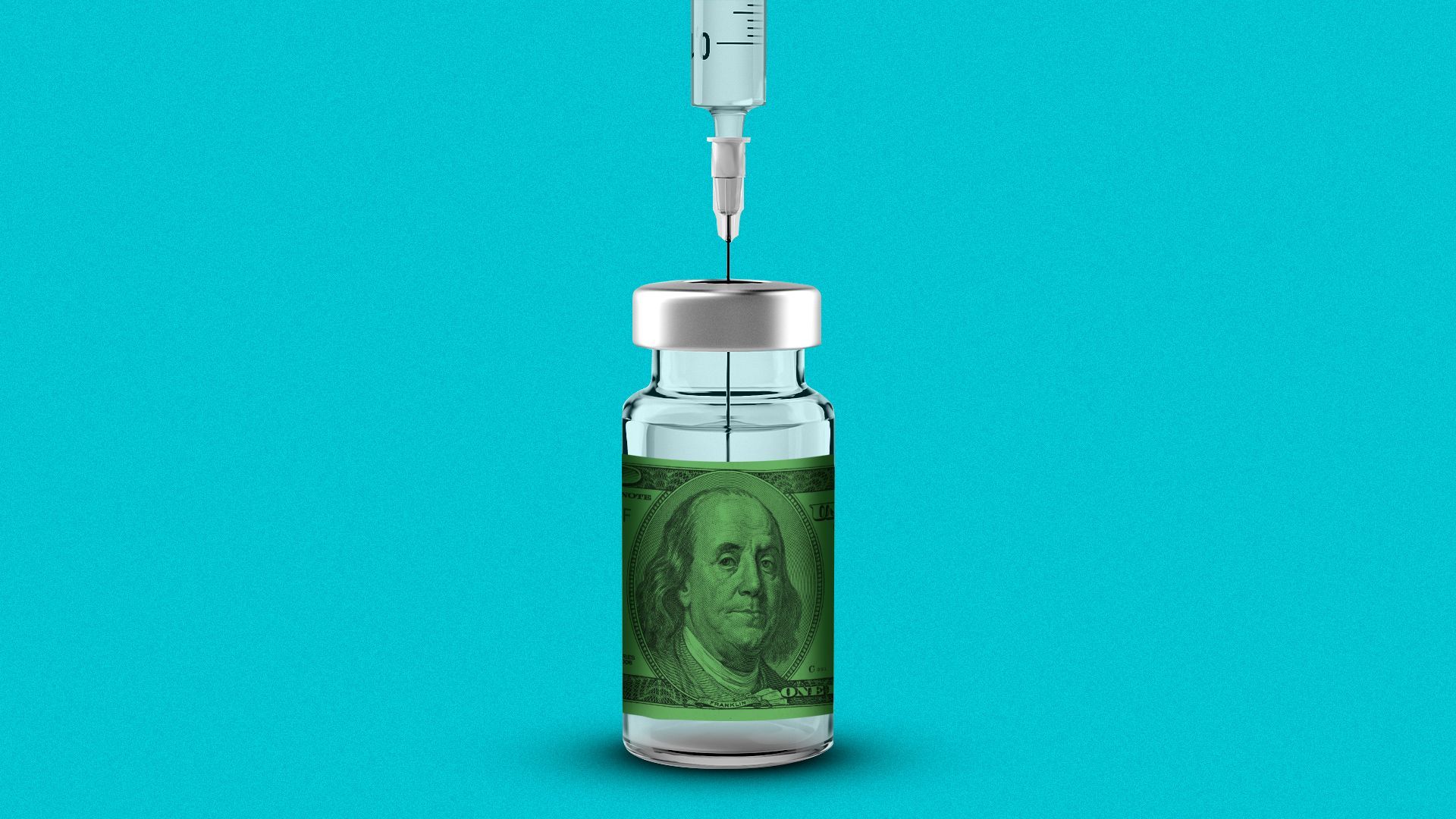
The not-so-slow drip of vaccine-unfriendly news coming from the Trump administration poses the longer-term question of just how much drugmakers would be willing to take before they decide the historically fragile market is too volatile to participate in.
Why it matters: The availability of vaccines in the U.S. isn't just dependent on whether the federal government has approved them; manufacturers have to be willing to continue making and selling them.
- Actions taken by the Trump administration — including HHS Secretary Robert F. Kennedy Jr., a longtime vaccine critic — could ultimately convince drug companies that the market is too risky to enter or remain in, either because of depressed demand or an increased threat of litigation.
- "It's a fragile market and it's not something we can take for granted, and it is a market we have seen drastically threatened before," said Richard Hughes, a professor of vaccine law at George Washington University and a partner at Epstein, Becker & Green.
Driving the news: The Washington Post reported this week that a longtime promoter of the debunked theory that vaccines cause autism will lead the Trump administration's planned study into the link between the two.
- David Geier, who has published papers with his father claiming that vaccines cause autism, has also been disciplined by Maryland regulators for practicing medicine without a license. Axios confirmed that a David Geier is listed in the HHS employee directory, although HHS declined to comment.
- The charges against Geier included that he encouraged autistic children to take Lupron, a drug used in chemical castration.
- Reminder: There's already been tons of research on vaccines and autism, and the scientific community has confidently concluded there is no link. One CDC-endorsed study, should it reach the opposite conclusion, would be weighed against a pile of evidence.
The big picture: The steady flow of vaccine news from HHS since Kennedy took office has been interpreted by many experts as an ominous sign of what's to come. But none of the major policy changes feared when Kennedy was first nominated have occurred — yet.
- And some may never. Kennedy has explicitly vowed not to revoke the approval of the polio vaccine, for example (although he dodged saying the same about all vaccines).
- But a government-endorsed study — no matter how poorly conducted — that concludes certain vaccines cause autism would mark a major escalation in terms of government actions with the potential to harm vaccine uptake.
- Vaccine hesitancy itself can be bad for vaccine markets. Case in point: Moderna's struggle to succeed financially after the demand for COVID vaccines slumped post-pandemic.
- "When uptake drops — which we want high uptake for herd immunity, public heath — but that has a revenue effect as well," Hughes said.
Another major policy grenade with potentially even more significance would be if Kennedy began to chip away at vaccine makers' federal liability protections, which have been fiercely criticized by Kennedy allies, including the anti-vaccine organization he founded.
- Sources close to HHS expect the agency is interested in reforms to the federal Vaccine Injury Compensation Program (VICP), which was established under a law passed by Congress in 1986 in response to the threat of vaccine lawsuits leading to shortages.
- The VICP is essentially an alternative legal system for resolving vaccine injury cases. Successful plaintiffs win money from the U.S. government, not vaccine manufacturers.
- Weakening or removing liability protections for certain vaccines could be the thing that makes manufacturers contemplate leaving the market, experts say — or at least causes them to significantly raise prices.
- "Could them being sued directly send them out of the vaccine market? Absolutely. It did in the past. That or vaccines are going to be so expensive that nobody could get them," said Renee Gentry, director of the Vaccine Injury Litigation Clinic at George Washington's law school.
- Of course, a big unknown is whether the White House would greenlight such a controversial move.
What they're saying: Kennedy was asked during the confirmation process what changes he's contemplating making to the VICP.
- Kennedy allies in the past, as well as Kennedy himself, have argued the program takes away manufacturers' incentive to make vaccines safe.
- In Kennedy's written response to senators during his confirmation process, he avoided answering the question.
- "I will do nothing as HHS secretary that makes it difficult or discourages people from taking vaccines. As I testified to the Committee, I am not anti-vaccination. I support transparency and sound data for vaccines," he wrote.
Yes, but: A much more straightforward way to disrupt the vaccine market would be to simply cancel government contracts with manufacturers.
- "That's probably one of the most directly impactful levers that he has," Hughes said.
- "You take companies that have much smaller portfolios and a research and development pipeline ... these are companies that are very much put at risk when contracts get canceled" or the threat of liability increases, he added.

Some actual good news about tweens and phones
Smartphone use was associated with positive mental health outcomes in a new University of South Florida study that surveyed 1,500 11-to-13-year-olds in Florida.
Why it matters: This is a rare finding in a feed of messages about how screens are poisoning kids' minds.

Where Americans spend the most on health care
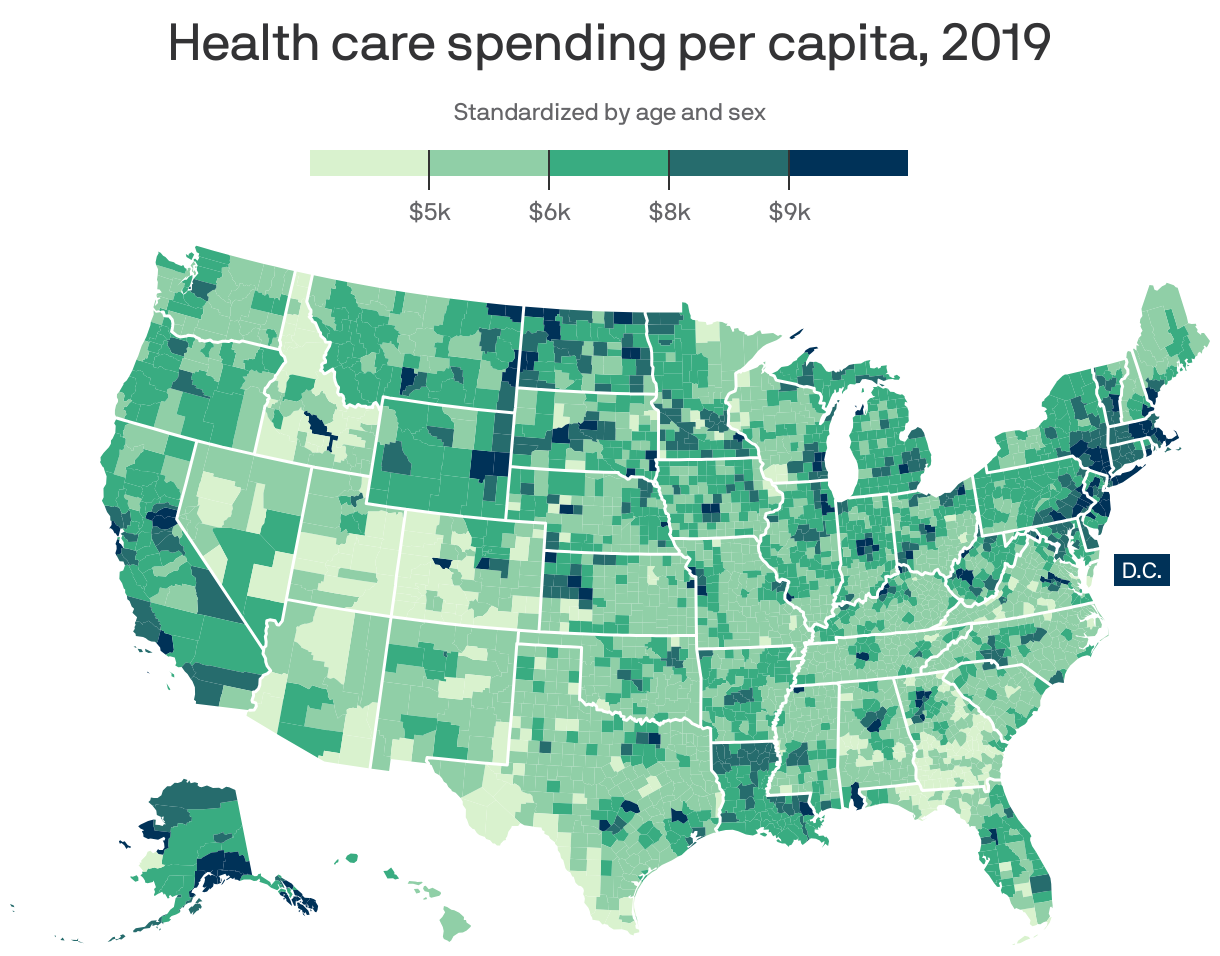
Long Island; Washington, D.C. and California's Bay Area had the country's highest health care spending per capita in 2019 — the most recent year covered by a new study.
Why it matters: Medical spending is surging nationwide, with demand and other factors pushing it to a projected $7.7 trillion by 2032 — but actual spending varies from county to county.

RFK Jr. to slash 10,000 jobs from Health and Human Services Department
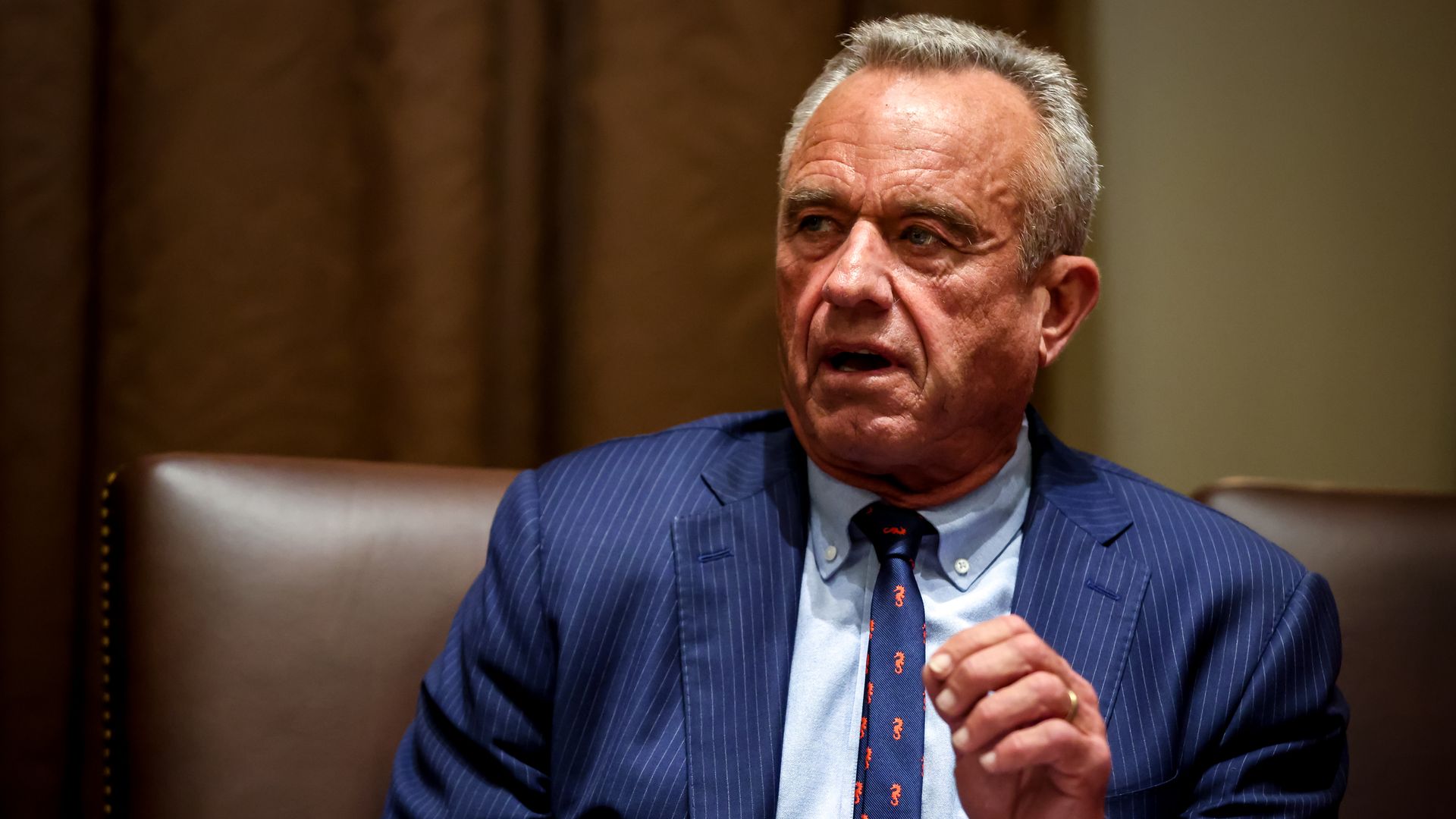
The Health and Human Services Department said Thursday it plans to slash 10,000 full-time employees across the nation's foremost health agencies.
Why it matters: The cuts will dramatically reduce the capacity of the Food and Drug Administration (FDA), Centers for Disease Control and Prevention (CDC) and National Institutes of Health (NIH), among others now overseen by Health Secretary Robert F. Kennedy Jr.

New Chan Zuckerberg biohub to focus on cells' inner workings
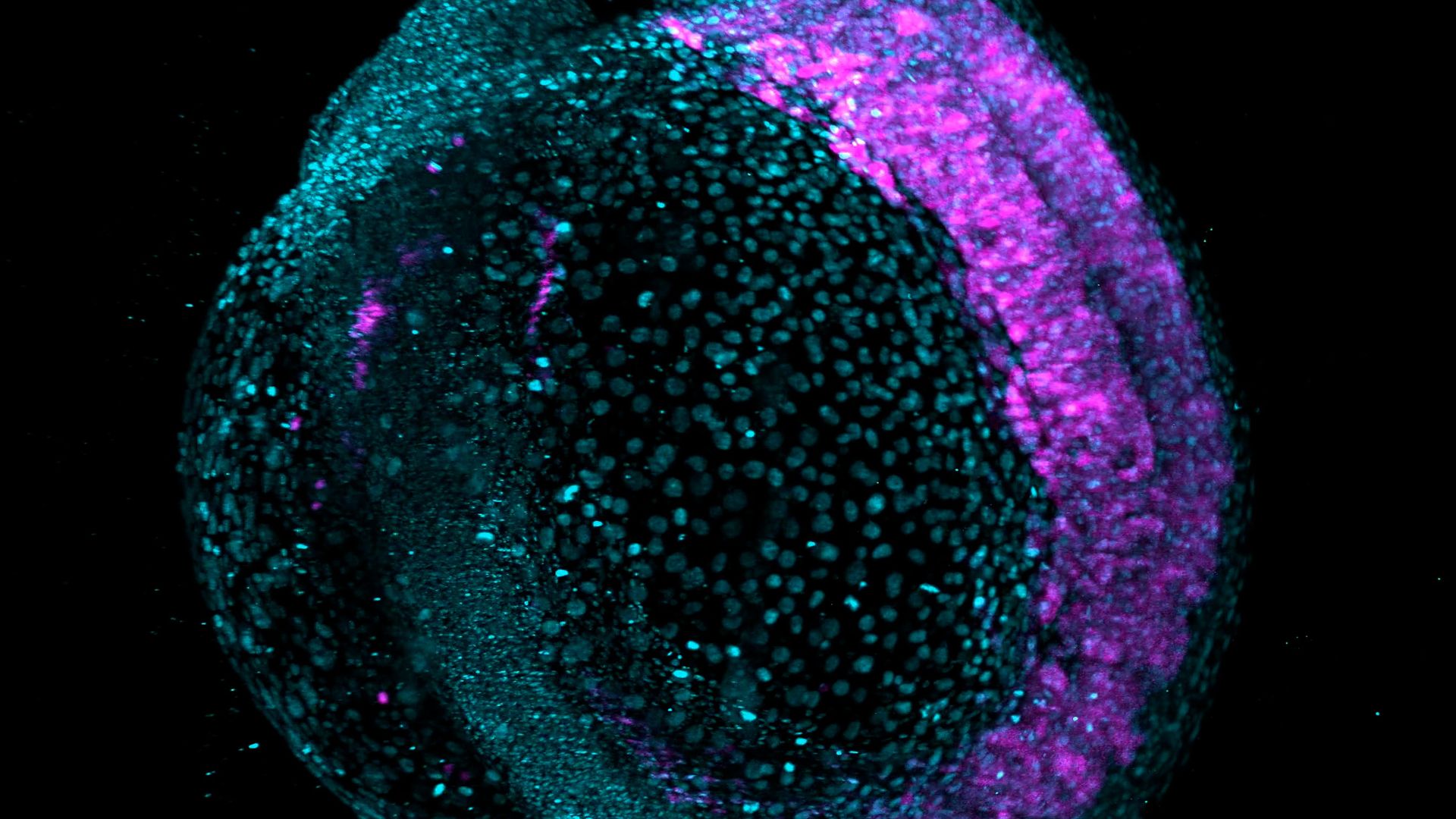
The Chan Zuckerberg Initiative is launching a biohub focused on developing new imaging technologies that allow scientists to study the inner workings of living cells.
Why it matters: Next-generation imaging tools could give researchers a better understanding of the processes that govern cells, especially when they go awry due to disease. Those insights could be used to develop new treatments.

Early evidence shows AI scribes reduce burnout, but without financial improvement
AI-powered medical transcription tools are alleviating clinician burnout but not yet saving practices money or making care more efficient, according to a report from the Peterson Health Technology Institute.
Why it matters: AI scribes that can securely transcribe medical notes for providers have exploded in popularity, attracting hundreds of millions of dollars in investments.

Trump admin cancels over $12B in health care grants
The Trump administration is canceling billions of dollars in grant funding to state and local health departments without warning, throwing their programs into disarray.
Why it matters: The move casts doubt on states' ability to continue substance use disorder support programs and prevent emerging infectious diseases, among other efforts.
- In Virginia, the state health department has already begun laying off staff as a result of the funding cuts.


Tariff threat sends health players scrambling for carve-outs

Medical device makers, hospitals and other key health industries are pressing to gain exemptions under the Trump administration's new tariff regime with the next and most aggressive actions to date due to be unveiled on April 2.
Why it matters: About $303 billion of imported drug, biotech and device industry goods entered the United States in the last year — $294 billion of which entered duty-free, according to PwC.