Smartphone use was associated with positive mental health outcomes in a new University of South Florida study that surveyed 1,500 11-to-13-year-olds in Florida.
Why it matters: This is a rare finding in a feed of messages about how screens are poisoning kids' minds.
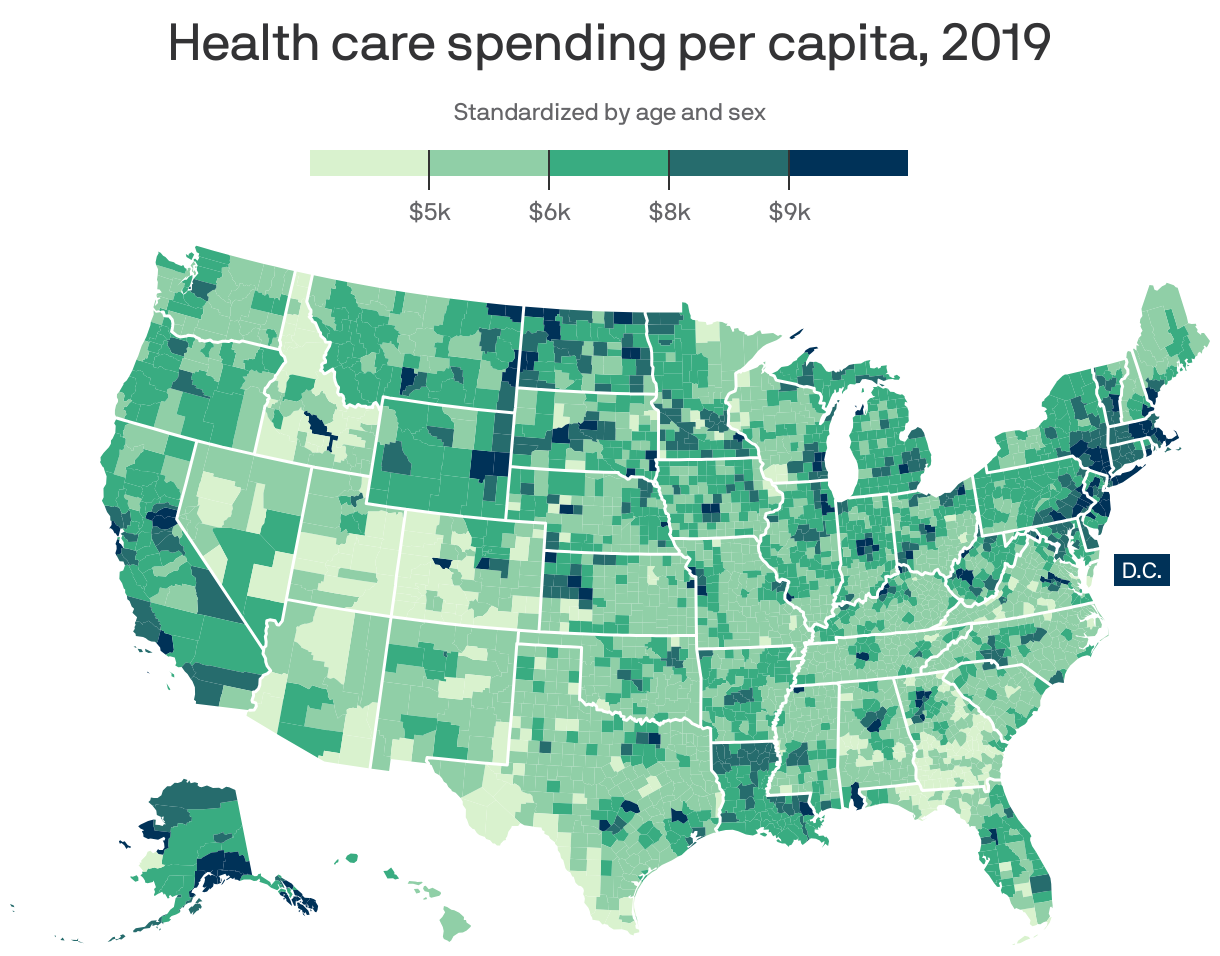
Data: Dieleman JL, Beauchamp M, Crosby SW, et al; Map: Alex Fitzpatrick/Axios
Long Island; Washington, D.C. and California's Bay Area had the country's highest health care spending per capita in 2019 — the most recent year covered by a new study.
Why it matters: Medical spending is surging nationwide, with demand and other factors pushing it to a projected $7.7 trillion by 2032 — but actual spending varies from county to county.
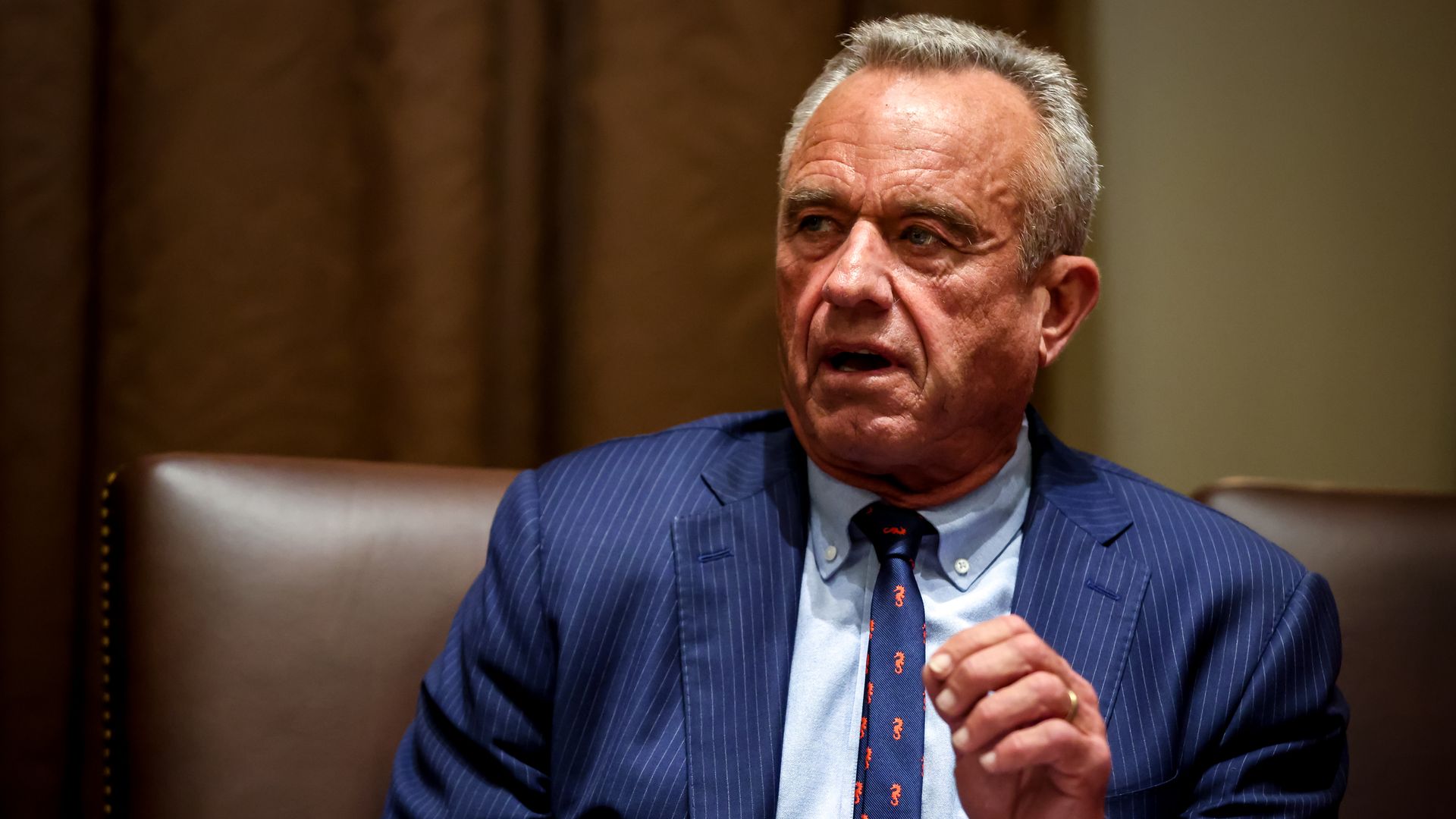
The Health and Human Services Department said Thursday it plans to slash 10,000 full-time employees across the nation's foremost health agencies.
Why it matters: The cuts will dramatically reduce the capacity of the Food and Drug Administration (FDA), Centers for Disease Control and Prevention (CDC) and National Institutes of Health (NIH), among others now overseen by Health Secretary Robert F. Kennedy Jr.
The Chan Zuckerberg Initiative is launching a biohub focused on developing new imaging technologies that allow scientists to study the inner workings of living cells.
Why it matters: Next-generation imaging tools could give researchers a better understanding of the processes that govern cells, especially when they go awry due to disease. Those insights could be used to develop new treatments.
AI-powered medical transcription tools are alleviating clinician burnout but not yet saving practices money or making care more efficient, according to a report from the Peterson Health Technology Institute.
Why it matters: AI scribes that can securely transcribe medical notes for providers have exploded in popularity, attracting hundreds of millions of dollars in investments.
The Trump administration is canceling billions of dollars in grant funding to state and local health departments without warning, throwing their programs into disarray.
Why it matters: The move casts doubt on states' ability to continue substance use disorder support programs and prevent emerging infectious diseases, among other efforts.
In Virginia, the state health department has already begun laying off staff as a result of the funding cuts.
Medical device makers, hospitals and other key health industries are pressing to gain exemptions under the Trump administration's new tariff regime with the next and most aggressive actions to date due to be unveiled on April 2.
Why it matters: About $303 billion of imported drug, biotech and device industry goods entered the United States in the last year — $294 billion of which entered duty-free, according to PwC.
A think tank with close ties to the Trump administration is making the case for wonky changes to state Medicaid payments that could solve a big problem for Republican lawmakers: They could cut federal spending in the name of simply cracking down on waste and abuse within the program.
The big picture: State-directed Medicaid payments have grown rapidly, and there's been bipartisan support for reining them in.
But slashing or getting rid of the payments would be a big financial hit for providers, and especially hospitals, who vehemently disagree that the payments are wasteful.
When Marty Makary officially became Food and Drug Administration commissioner Tuesday night, he inherited the explosive matter of mifepristone access — an issue that hung over and complicated his confirmation process.
Why it matters: Abortion remains a politically volatile subject for the GOP in a post-Roe world, but whether and how to reset abortion pill dispensing guidelines now that Republicans are in power may turn out to be the most difficult decision the party's made yet.