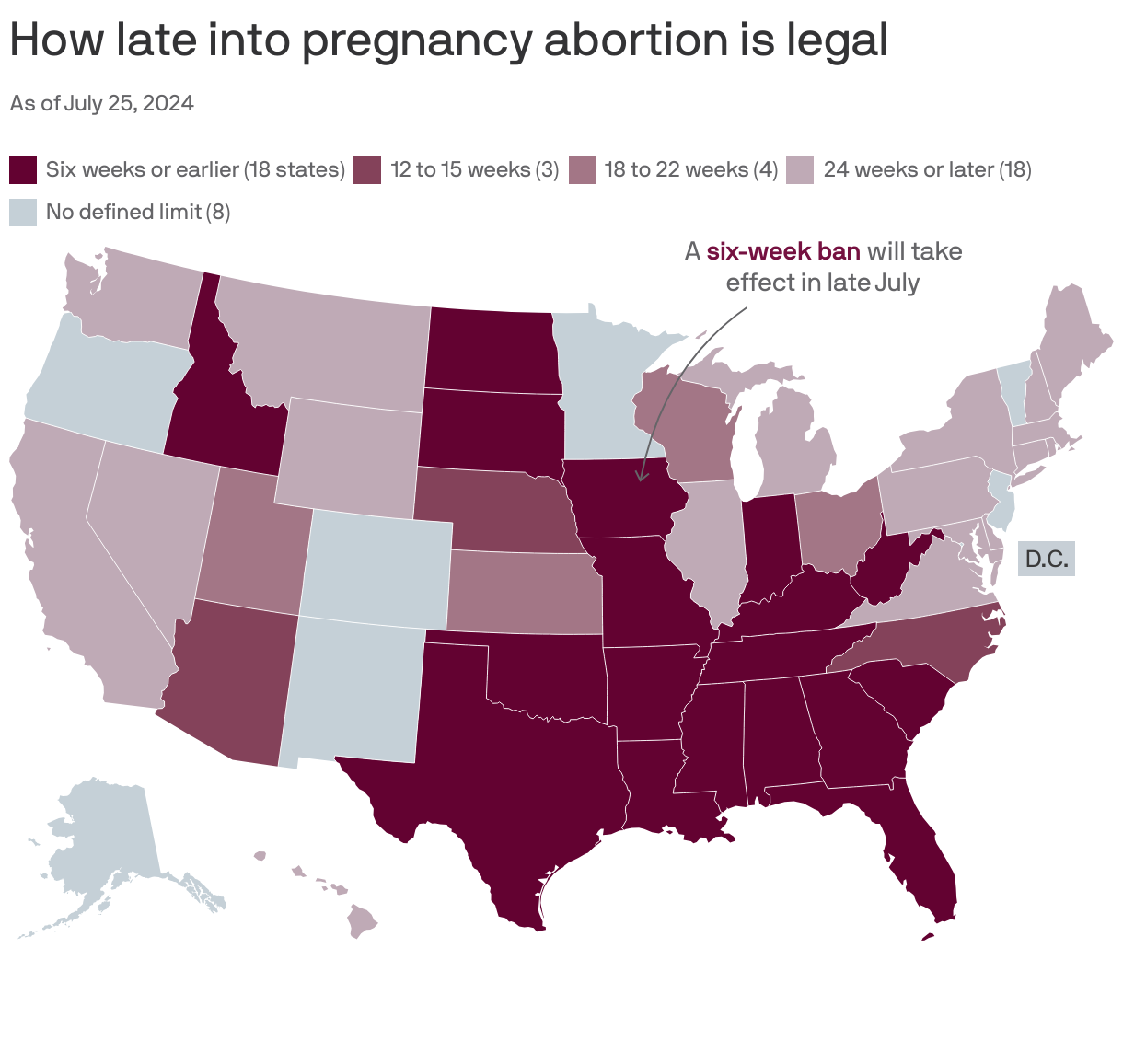
The big picture: The battle over abortion access remains in some states, where anti-abortion and pro-choice advocates are engaged in a tug-of-war over the specific legalities and limits of the procedure.
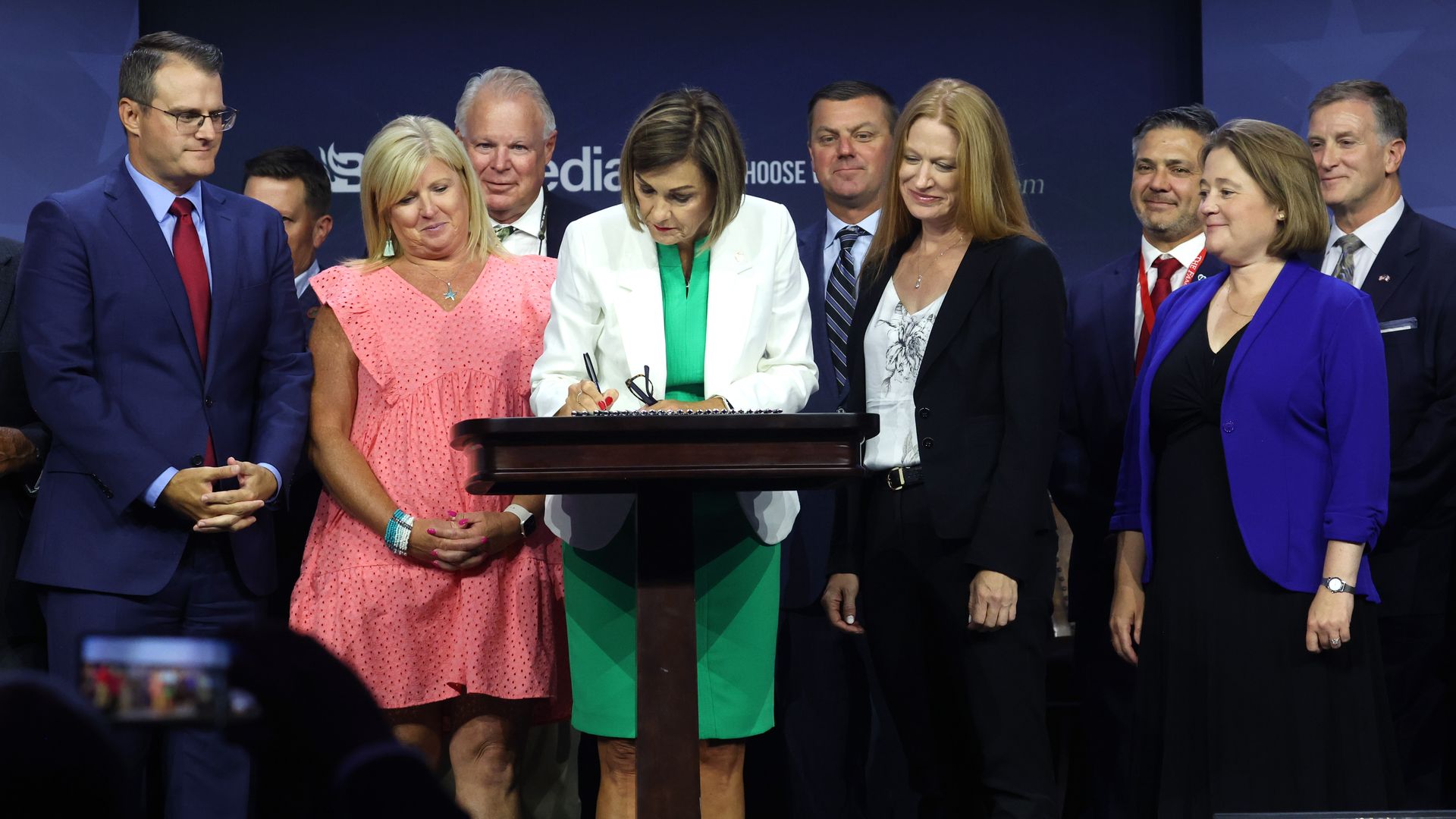
The Iowa Supreme Court ruled on Friday that a ban on most abortions after six weeks of pregnancy will take effect in three weeks.
Why it matters: The court ruled 4-3 to reverse a temporary injunction that had blocked the six-week ban's enforcement. The panel ordered a lower court "to dissolve the temporary injunction and continue with further proceedings."
It's pretty clear at this point that the latest class of Alzheimer's drugs — for all of the headlines, excitement and controversy it's caused — has limited effectiveness and potentially serious side effects, prompting researchers to look elsewhere.
Why it matters: The fact that we've found drugs with any effectiveness against Alzheimer's is a huge deal, but the hunt for the holy grail is still on.
The Supreme Court on Thursday rejected a controversial bankruptcy reorganization plan for OxyContin maker Purdue Pharma that would have shielded members of the Sackler family, who owned the company, from opioid litigation.
Why it matters: The 5-4 decision means victims of the addiction crisis won't receive billions of dollars in settlement funds, but it sets a new bar for whether investors or lenders can skirt legal exposure in other cases using a technicality in bankruptcy law.
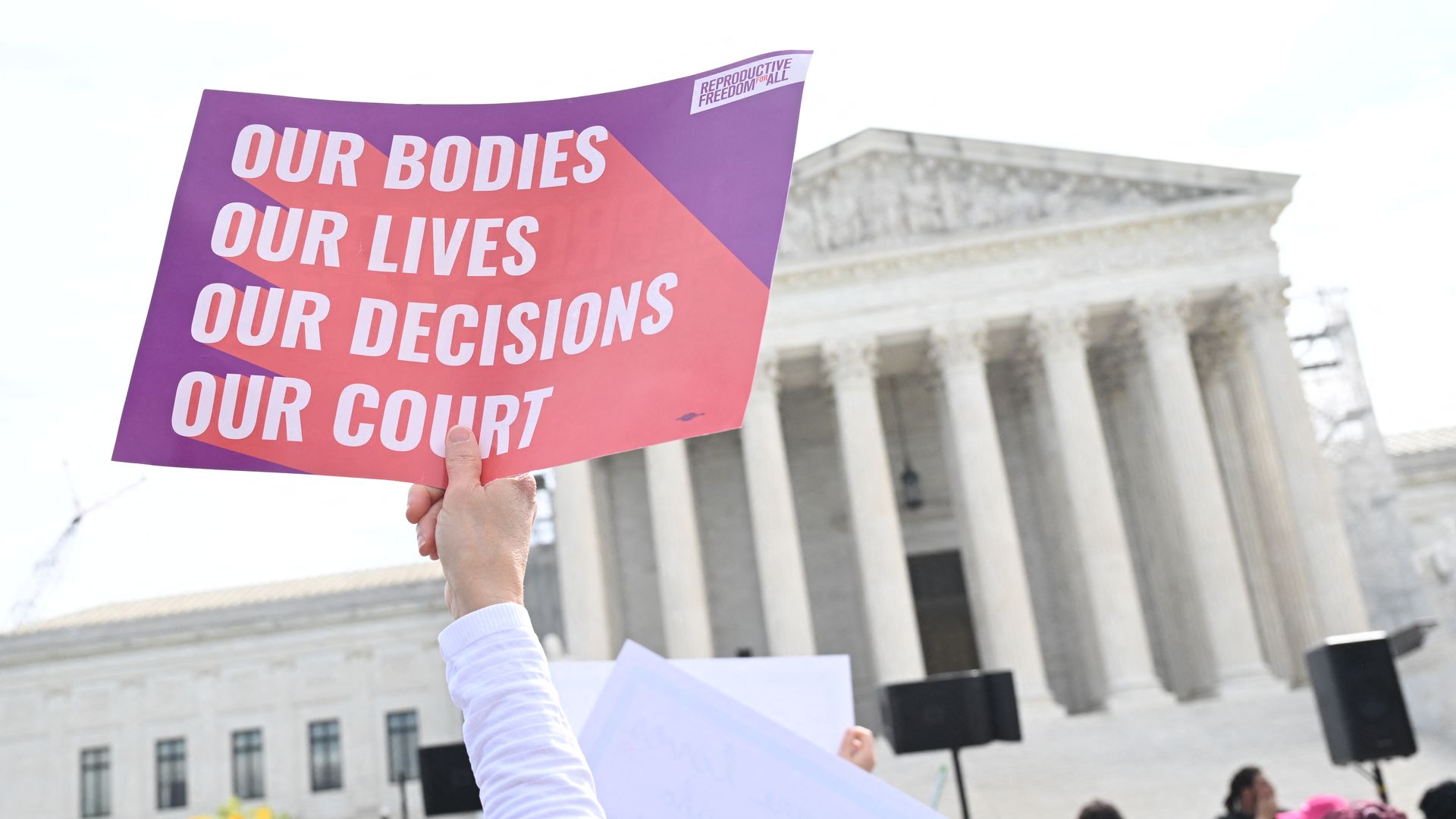
The Supreme Court on Thursday dismissed a closely watched abortion case — a temporary victory for abortion-rights supporters that allows doctors to perform emergency abortions in Idaho.
The big picture: The court did not resolve the case's central questions about how state abortion bans and federal directives on emergency health care mesh.
Magic mushrooms are the most-used psychedelic drug in the United States, according to a new report from RAND.
Why it matters: The close look at Americans' use of psychedelics can help policymakers figure out how to regulate the substances as mental health treatments or even legalize them for recreational use.
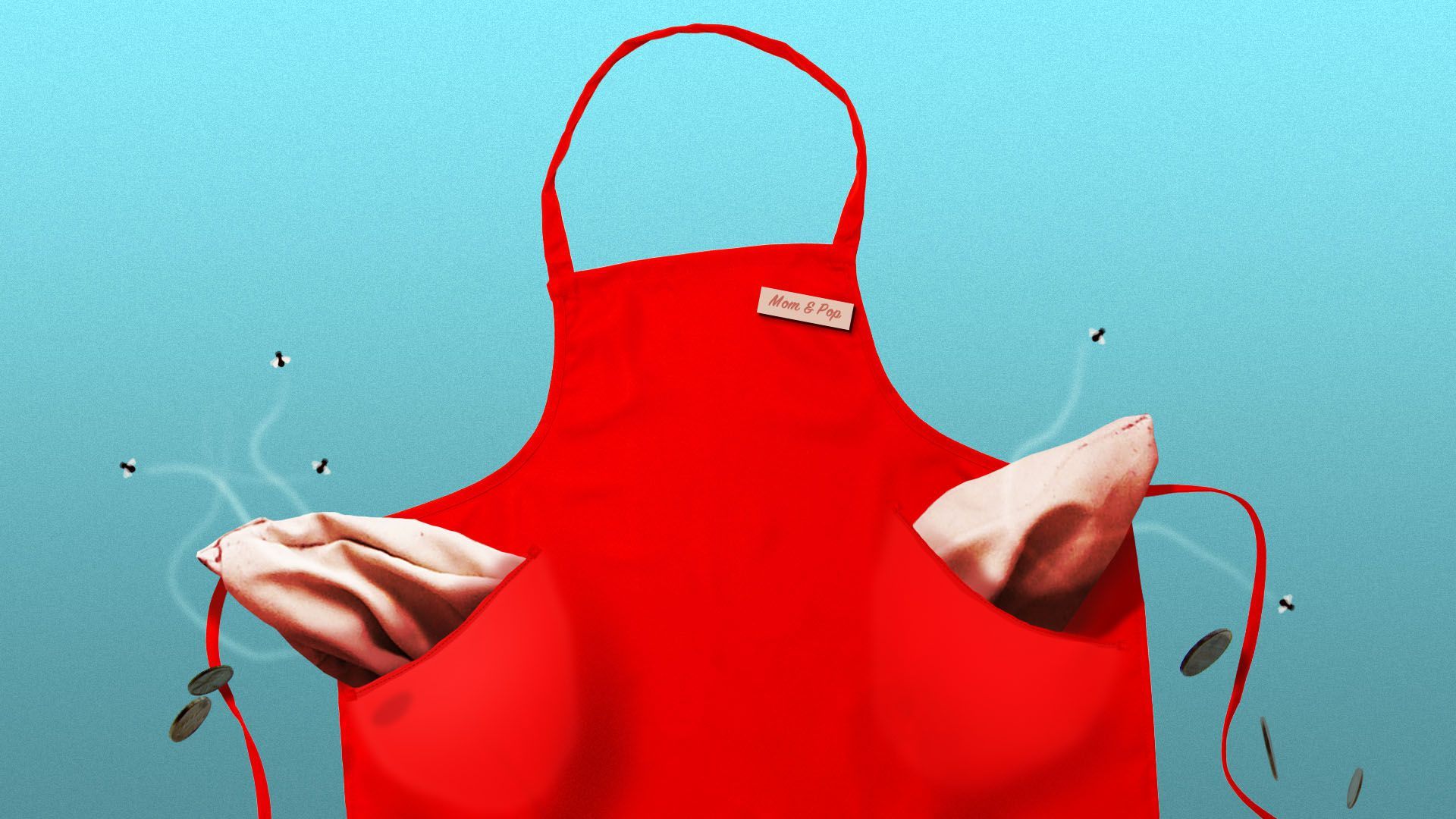
Employee health care costs are increasingly eating up larger shares ofpayroll costs for America's smallest businesses, according to a new analysis from the JPMorgan Chase Institute.
Why it matters: The pain of health care costs is nothing new. But this analysis, based on de-identified data from Chase business banking accounts, offers a more granular look at the disproportionate burden on the smallest businesses that often isn't captured by other data.
More than 20 years after a landmark report chronicled the existence and drivers of health inequities in the U.S., a sequel published Wednesday finds little has improved.
Why it matters: Despitegreaterawareness, inequities are baked into the U.S. health care system and will take intentional policy change and structural redesign to dislodge, the National Academies of Sciences, Engineering, and Medicine concluded.