Wednesday's health stories

Surgeon general's social media warning raises eyebrows

A warning label on social media could be as easy to ignore as an explicit music lyric notice.
Why it matters: The U.S. Surgeon General's recent call for a tobacco-style warning on social media platforms falls flat, some tech researchers and writers argue.

FDA: Dollar Tree failed to remove recalled applesauce after lead contamination
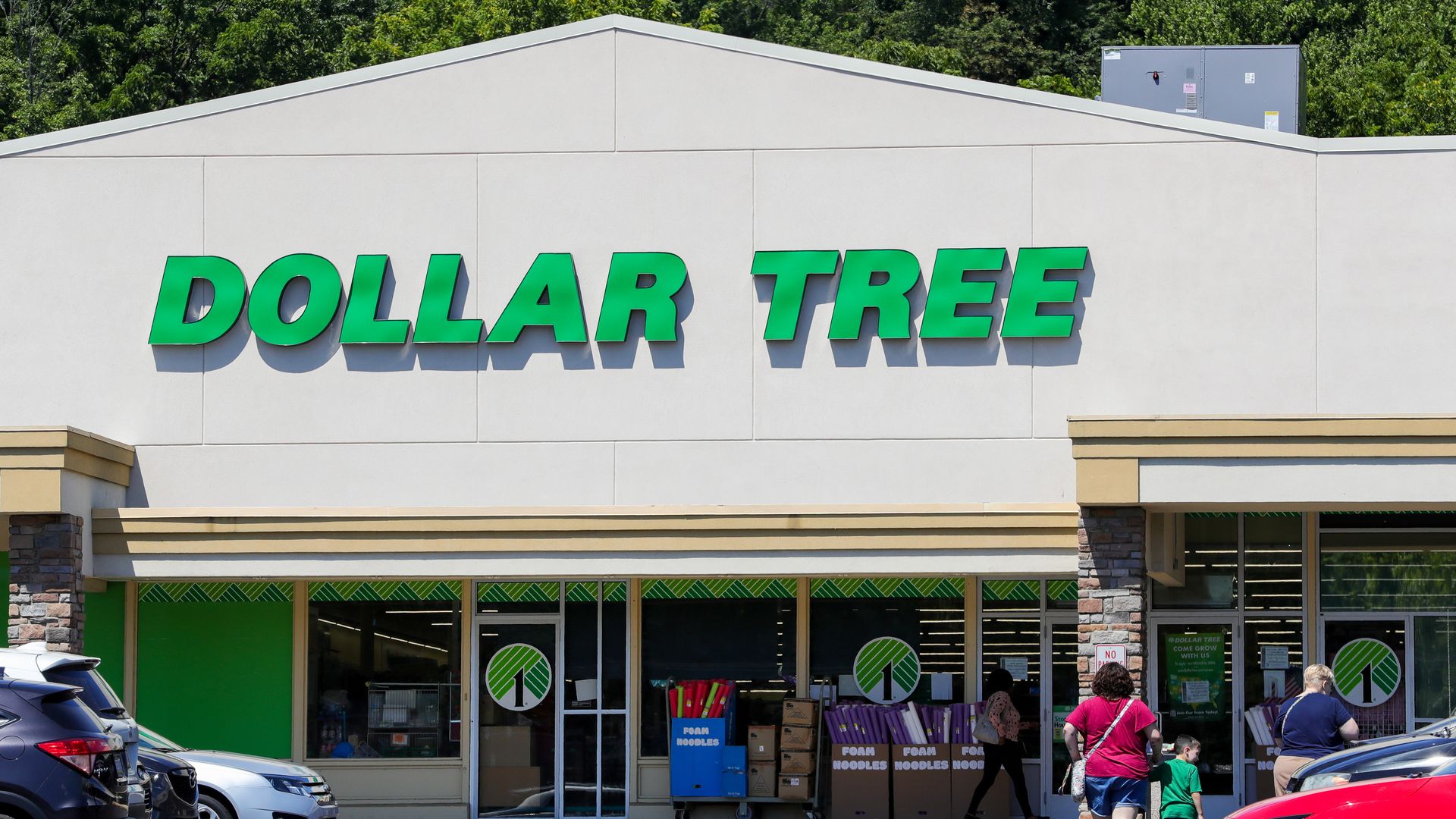
Dollar Tree failed to adequately remove recalled applesauce pouches from its store shelves, the Food and Drug Administration said Tuesday.
Why it matters: The recalled WanaBana apple cinnamon fruit puree pouches were linked to reports of illnesses in dozens of children last fall who were found to have "elevated blood lead levels," per a warning letter the FDA sent to Dollar Tree.

Boosting hepatitis C treatment would save money, CBO says
Doubling the number of Medicaid enrollees receiving hepatitis C treatments would avoid about $7 billion in health care costs over a decade, according to a new Congressional Budget Office report on the burden the liver disease places on medical care and safety net programs.
Why it matters: About 70,000 people are newly infected with hepatitis C each year in the U.S., and complications in untreated patients can be 10 times as costly as administering antivirals in earlier stages of the disease.

Few Medicare patients get opioid treatment after overdose

Very few Medicare enrollees who survive drug overdoses receive the gold standard for addiction treatment afterward, a new federal study shows.
Why it matters: The health care system can do much more to connect high-risk seniors with opioid use disorder treatments and prevention measures, the findings suggest.
What they found: Just 4.1% of nearly 137,000 traditional Medicare enrollees who had a nonfatal drug overdose in 2020 received highly effective medications for opioid use disorder like methadone and buprenorphine within 12 months, according to the new study in JAMA Internal Medicine.
- About 6% filled a prescription for overdose reversal drug naloxone, and 18% received psychotherapy or counseling within a year of overdosing.
- 17.4% had another nonfatal overdose in the year after their initial overdose, and 1% died from an overdose.
- Those who were prescribed naloxone, medication-assisted treatment or behavioral health services had lower risk of dying from another overdose, the study found.
"There's a lot more people who could benefit from treatment that don't appear to be receiving it," Wilson Compton, deputy director of the National Institute on Drug Abuse, told Axios.
Between the lines: The research looks at Medicare claims from the height of the COVID-19 pandemic, when many seniors delayed or skipped health appointments.
- To improve access to medication-assisted opioid treatment during the pandemic, the federal government loosened regulations around care options. The Biden administration has since made permanent some of those policies.
What's next: Prescribing naloxone in the emergency room following an overdose and quickly connecting people to community-based care can help bring down drug overdose rates in the U.S., the study noted.
- "Not everyone who has a nonfatal overdose needs medication for opioid use disorder," Compton said. "But they do need help to make sure that they find ways to not engage in that very high risk behavior."

U.S. faces mounting criticism over bird flu response
A growing number of high-profile public health experts are raising alarms over what they say are lackluster efforts to track and contain the spread of bird flu across U.S. dairy farms.
Why it matters: If this is a test of whether the U.S. is better prepared to respond to a potential pandemic threat after COVID-19, we're not getting high marks.