Baltimore said the new $45 million dealAllergan struck with the city to settle opioid claims validated its decision not to participate in the global settlement joined by thousands of other local governments and states.
Baltimore, whose devastation by the opioid epidemic has been spotlighted by the New York Times in recent weeks, said it would have received just $7 million over 7 years if it had joined the global settlement.
Instead, Baltimore said it's getting more than the $38 million Maryland is receiving from the company — and it will immediately get the money as a lump sum.
What's next: Baltimore said its remaining opioid lawsuits are with companies responsible for the vast majority of prescription painkillers in the city's pharmacies.
The Biden administration on Tuesday moved to prevent medical debt from affecting people's credit scores, potentially leading to $49 billion in liabilities being wiped from 15 million Americans' credit reports.
Why it matters: Officials said the proposed rule from the Consumer Financial Protection Bureau was linked to broader economic concerns, such as home ownership, and would prevent lending decisions from being based on a person's medical circumstances.
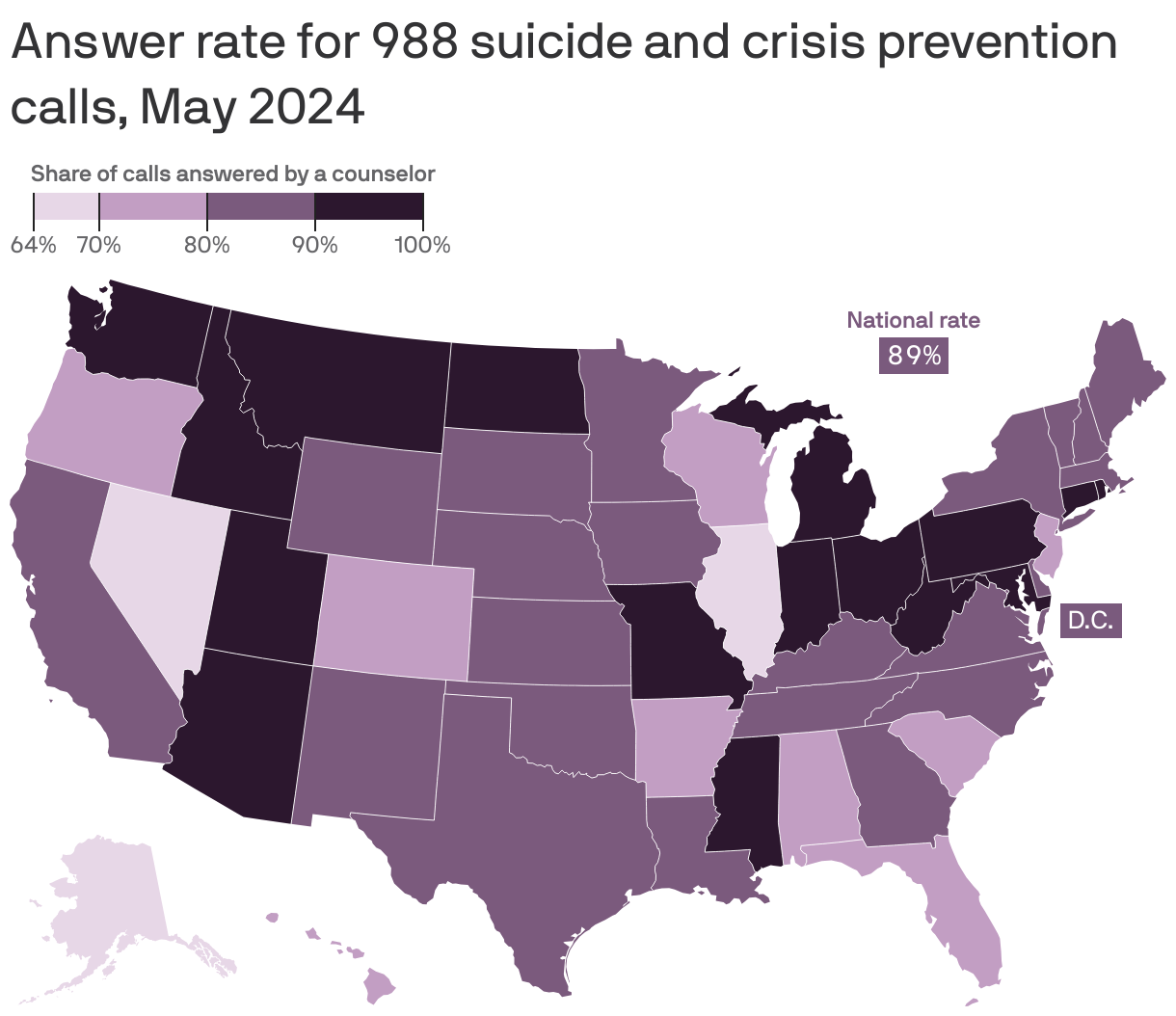
Almost two years after the debut of a revamped national suicide hotline, its promise of a quicker, more seamless crisis response across the country is still a work in progress.
Why it matters: Congress gave states $1 billion to build out the 988 hotline, amid nationwide concern over worsening mental health, with the expectation that states would establish their own long-term funding to operate call centers and crisis services.
A resolution aimed at overturning President Biden's controversial nursing home staffing minimums has a chance of passing the Senate.
Why it matters: The vote would show the resistance to the first-of-its-kind standard and reveal a rift among Democrats, even though Biden would almost certainly veto the measure.
Major retailers are abandoning or scaling back their ambitions to become health care providers — but don't look for them to pull out of the market entirely.
Why it matters: Retailers hoping to grab a bigger piece of the $4.5 trillion health care market are likely to lean into their core strengths: consumer products, alongside some health services that don't require major investments, experts said.
Dan Buettner, the founder of the longevity-focused company Blue Zones, wants more people to live to 100.
Why it matters: Americans are spending a lot in their search for wellness, and Buettner's "secrets for living longer" don't require big bucks. In fact, one of his biggest health food hacks is eating beans.