The Food and Drug Administration is moving to ban use of electrical stimulation devices meant to reduce self-injurious or aggressive behavior, which it says come with an "unreasonable and substantial" risk of injury.
Why it matters: The FDA, which rarely bans medical devices, warns that these devices that send electric shocks through electrodes attached to the skin raise significant psychological and physical risks and that they're often used on people with intellectual disabilities.
The Supreme Court on Tuesday seemed unlikely to broadly restrict access to medication abortion in the court's biggest abortion-related case since overturning Roe v. Wade two years ago.
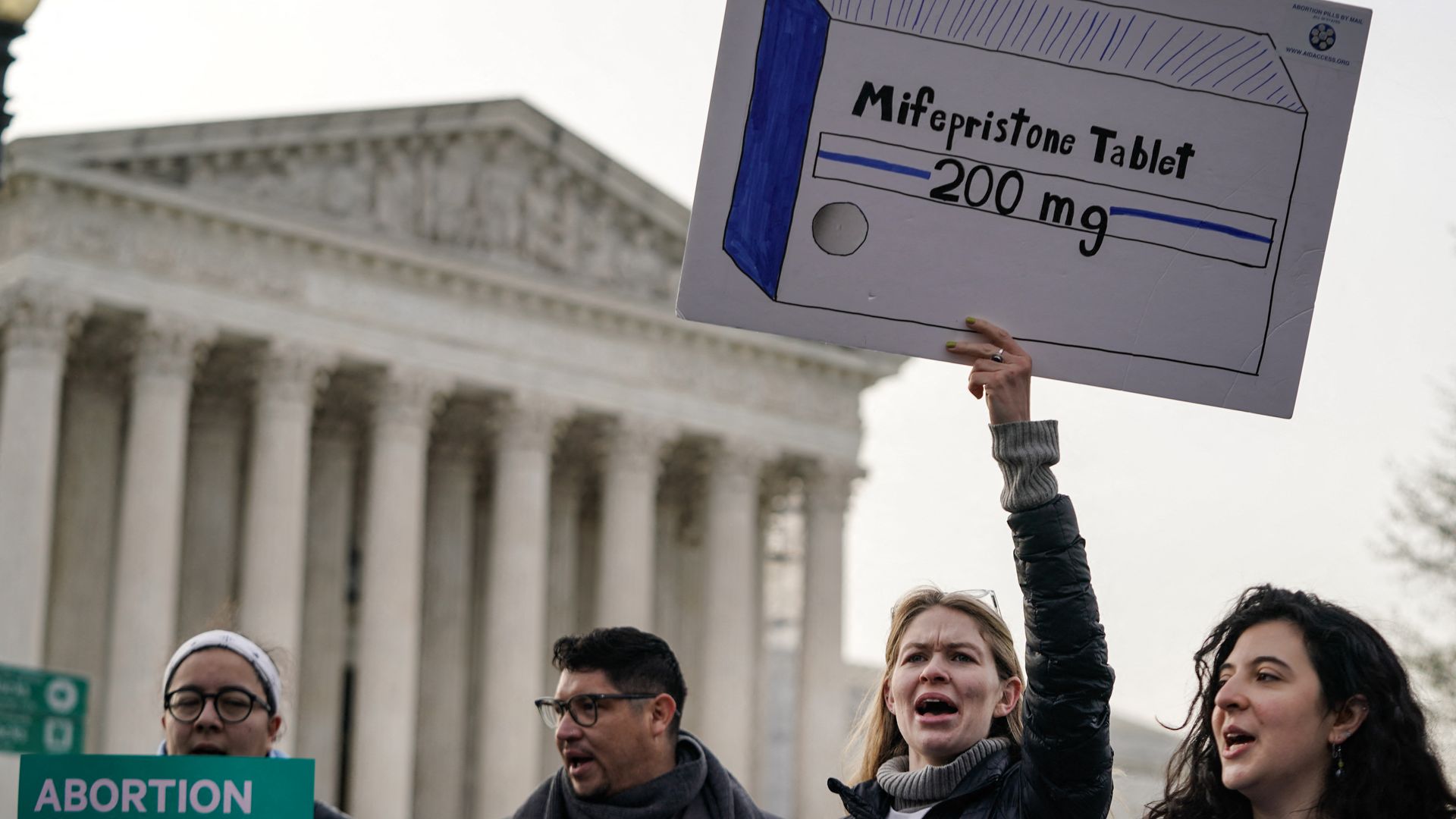
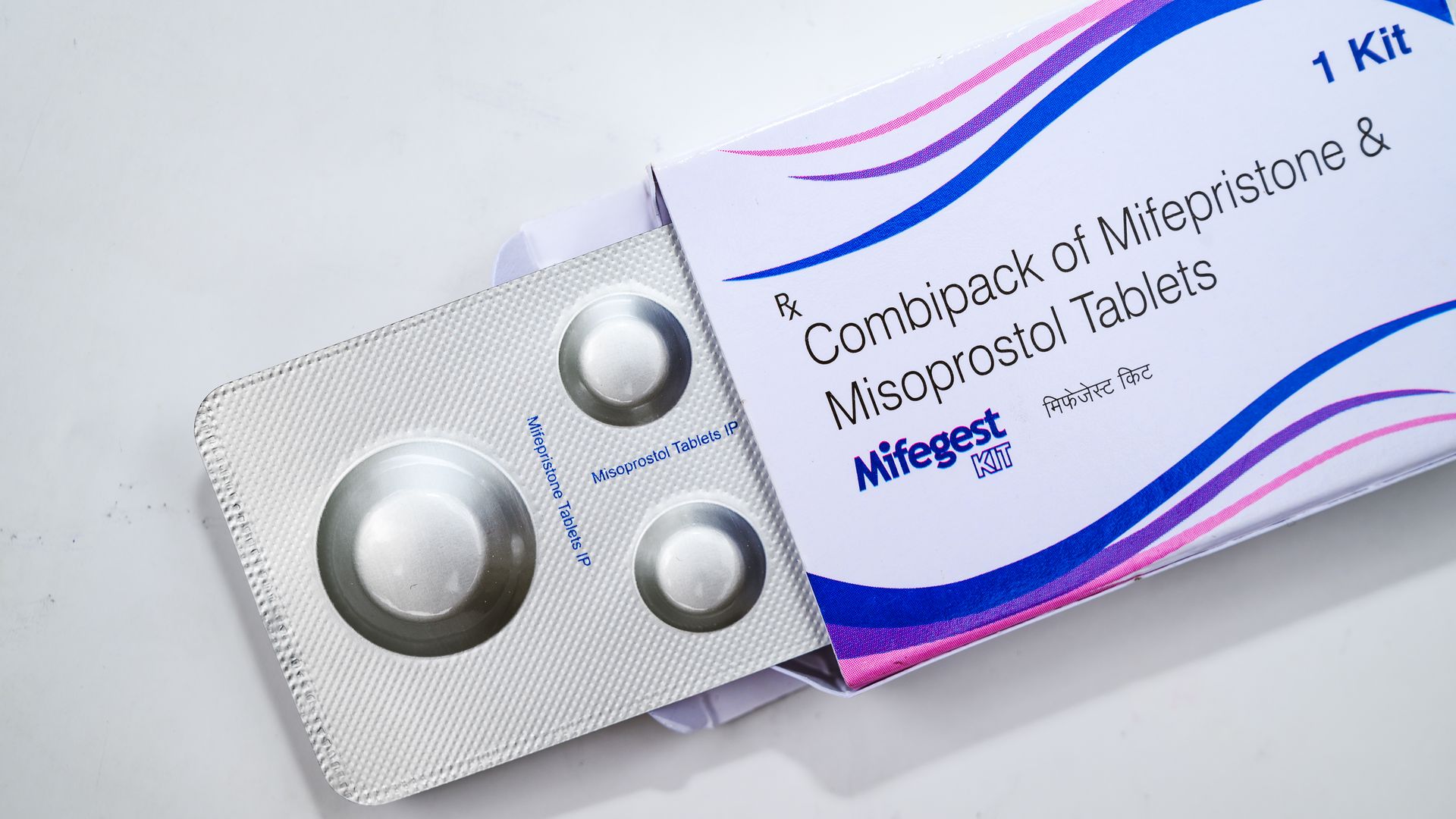
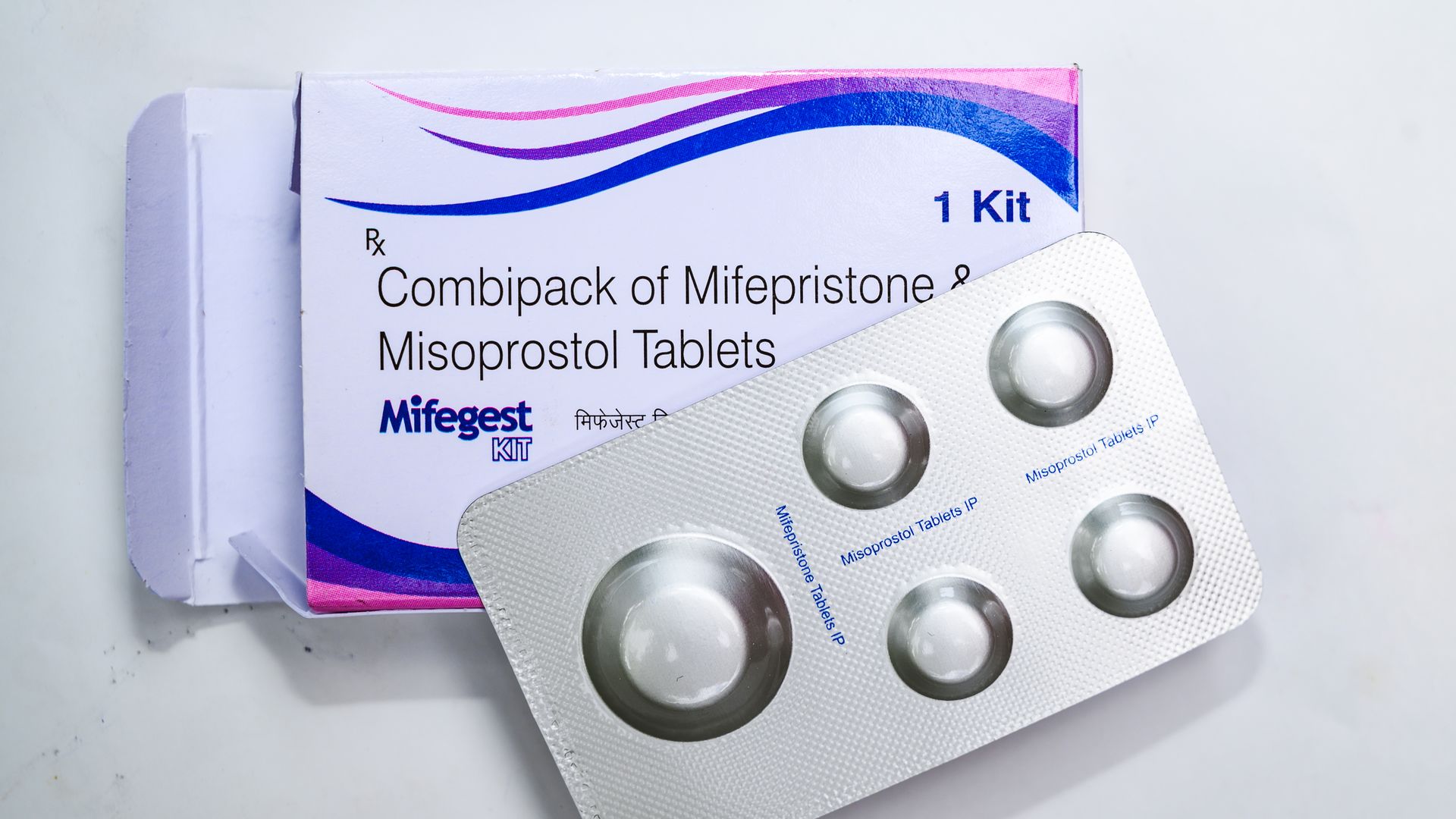
The big picture: The justices heard oral arguments in a challenge to mifepristone — one of the drugs used in medication-induced abortions, which account for about two-thirds of all abortions.
The Supreme Court today will hear a challenge to the FDA's approval of mifepristone, a medicine used to help induce abortions.
Why it matters: Were SCOTUS to rule in favor of mifepristone's opponents, it could chill future biotech investment for almost every medical indication.
Tennr, a provider of document automation software for health care practices that still rely on faxes, raised $18 million in Series A funding led by Andreessen Horowitz.
Why it matters The antiquated communications tool remains pervasive in U.S. health care, despite policies aimed at phasing it out.
The Supreme Court is set to hear oral arguments Tuesday in a case that could have far-reaching effects on access to the abortion pill mifepristone.
Why it matters: Not only could the court's decision further curtail abortion access across the country, but it could also have wider implications for the Food and Drug Administration's regulatory authority.
State caps on insulin costs lowered privately insured patients' out-of-pocket spending, but they didn't appear to increase insulin use, according to a new Annals of Internal Medicinestudy.
Why it matters: The research suggests increasingly popular insulin caps alone aren't enough to improve insulin uptake among patients with diabetes in commercial insurance.
The Supreme Court's blockbuster case over access to abortion drug mifepristone could upend the way the Food and Drug Administration broadly regulates medicines and other products.
Why it matters: Courts for years have given the FDA latitude to make judgments about health and safety based on scientific studies, but a challenge the justices hear Tuesday could set a precedent for courts to substitute their own conclusions for agency decisions.
The number of women turning to medication abortion outside of the formal health care system surged in the wake of the Supreme Court's overturning of Roe v. Wade, according to a new study.
Why it matters: The findings offer a fuller picture of the use of abortion pills following the court's decision to end federal abortion protections.
A new monoclonal antibody is available to help protect immunocompromised patients against COVID-19, filling a gap for a group that remains vulnerable to the coronavirus.
Why it matters: It's been more than a year since the FDA pulled the last antibody from the market, Evusheld, because new variants had rendered it ineffective.