Abortion rights advocates are trying to force the Food and Drug Administration to expand access to medication abortion — even if that winds up undercutting the agency's rulemaking discretion.
The big picture: The FDA's regulatory powers over drugs that terminate pregnancies are being challenged by both abortion rights and anti-abortion groups in a way that creates a "dangerous path" for the agency to make independent scientific decisions, legal experts say.
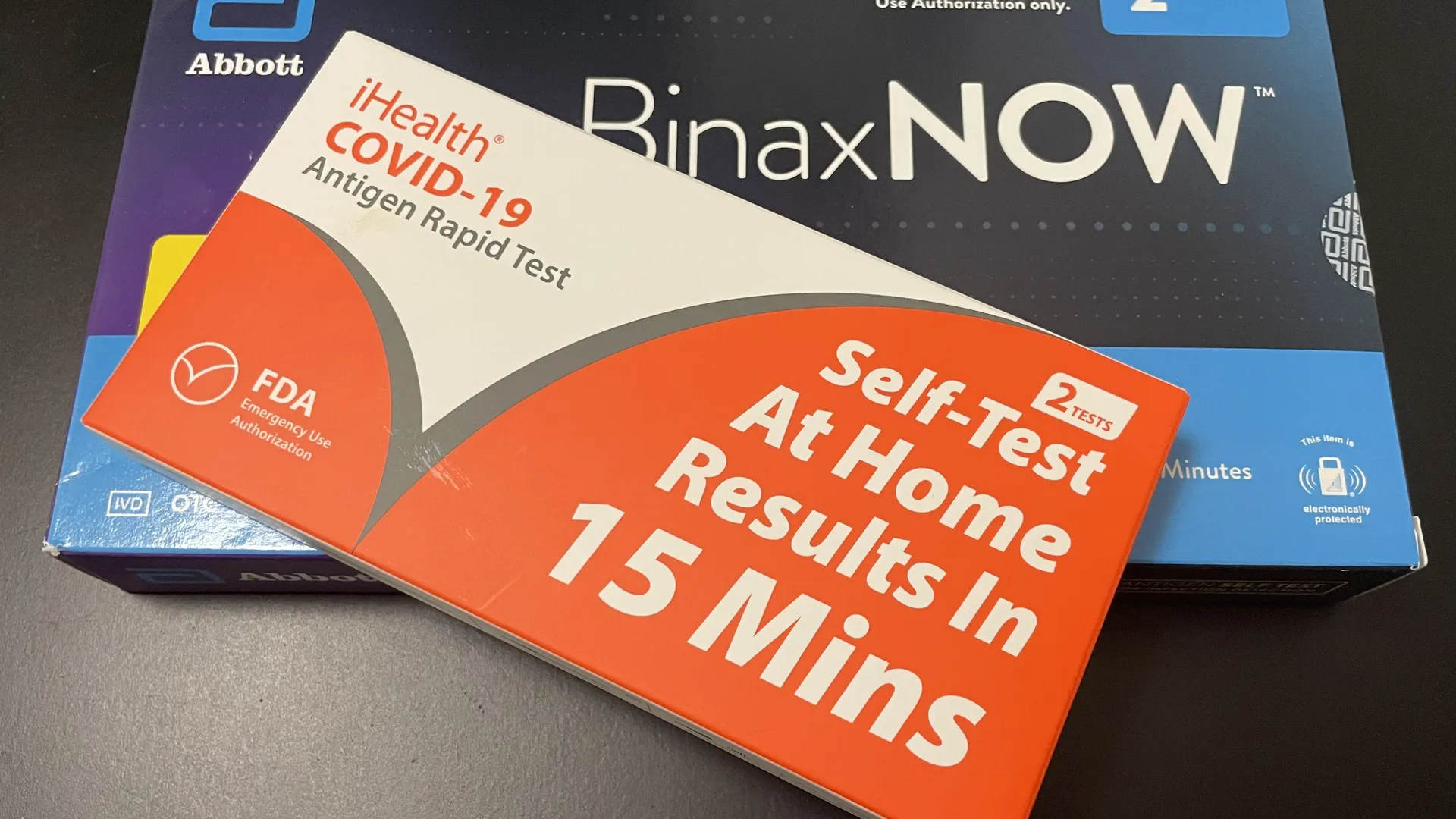
With the pandemic public health emergency ending Thursday, time is quickly running out for most people to get COVID-19 tests covered by insurance.
Why it matters: The end of the federal government’s health emergency that began in March 2020 will shift who pays for the testing kits and some COVID-19 treatments.
A number of health care changes that both providers and patients have grown used to during the pandemic will disappear on Thursday as the COVID public health emergency ends.
Why it matters: Congress has stepped in already and extended a number of COVID-era flexibilities. But the end of others could hurt access to health care, make it more costly, and stymie some of the positive innovations that emerged from the pandemic, providers say.
An estimated 1.7 million people would drop off Medicaid rolls next year if House Republicans' debt ceiling bill with Medicaid work requirements were to become law, a new KFF analysis finds.
Why it matters: Though Democrats strongly oppose it, tying Medicaid coverage to work could factor into debt limit discussions or the broader budget process after the House endorsed an 80-hour per month requirement, which could save the federal government $109 billion over 10 years, per the Congressional Budget Office.