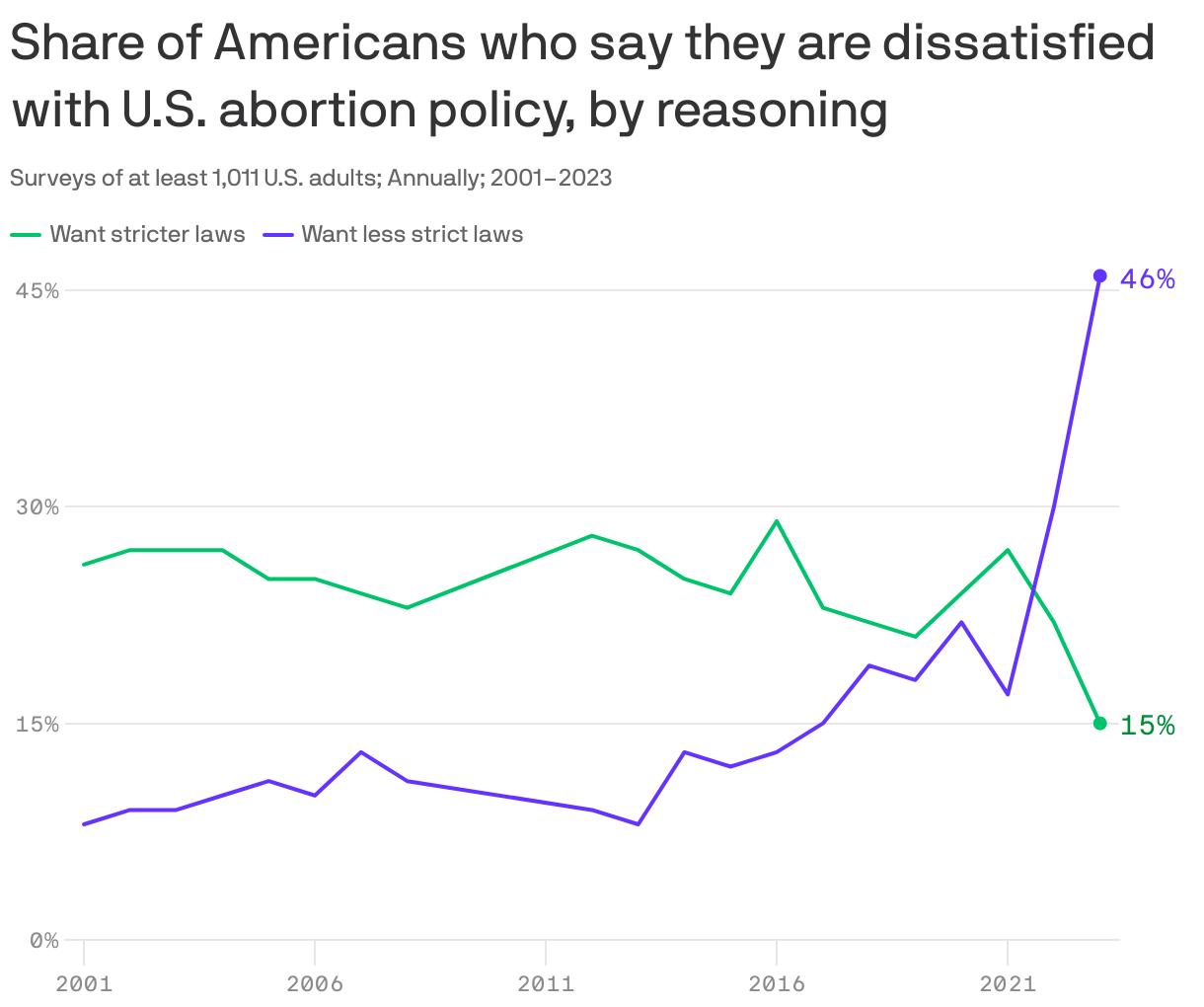
People in America are more dissatisfied with the U.S.'s abortion policy than they have ever been in the 23 years, according to a new Gallup poll released Friday.
40 million more women would lose access to abortion care if a federal court revokes the use of a key drug in medication abortions, data from the abortion rights group NARAL shows.
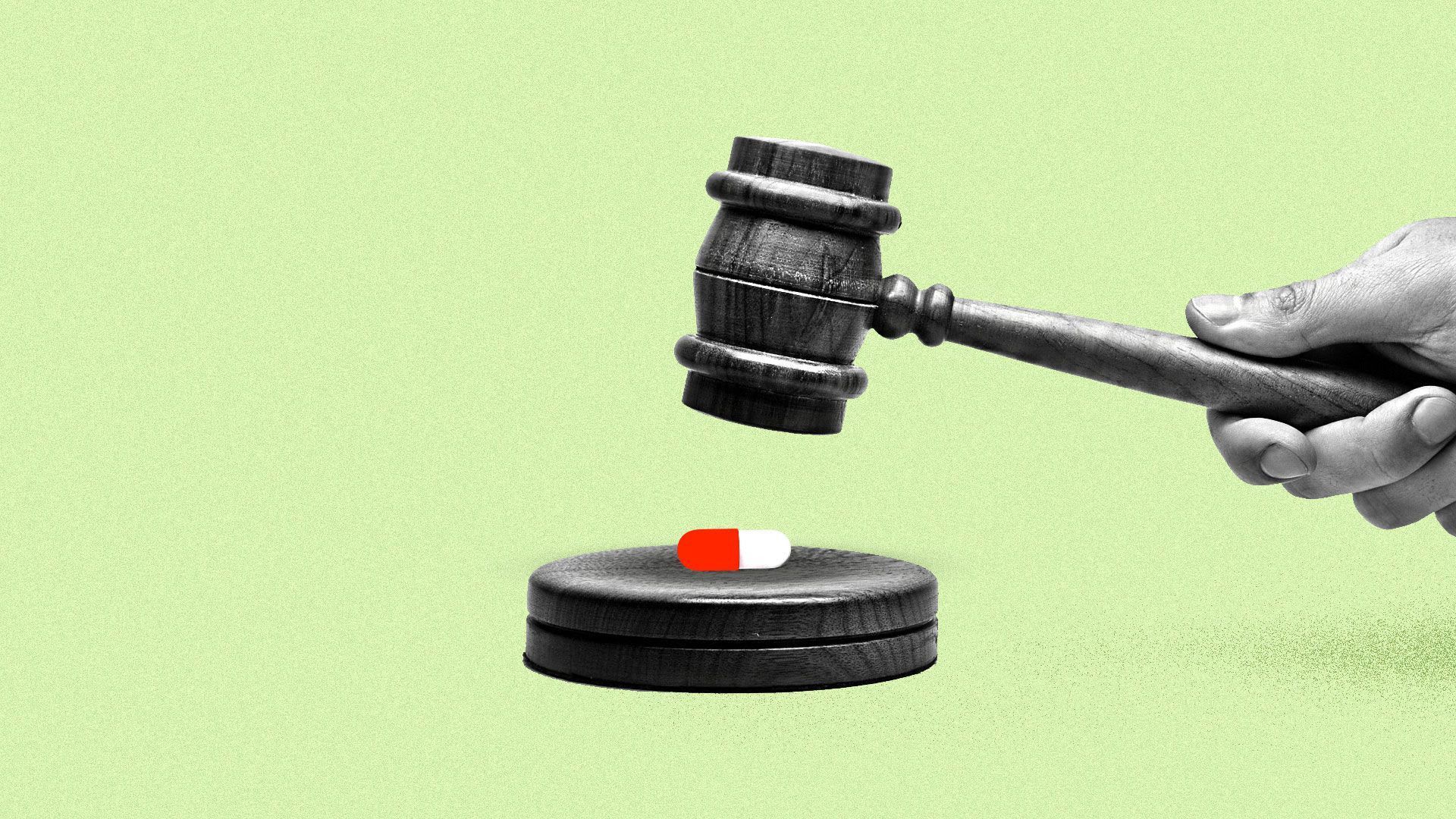
Why it matters: A U.S. District Court in Texas could decide this month to temporarily block the FDA's authorization of mifepristone, one of two drugs used to end pregnancies. Doing so would effectively result in a nationwide ban on a method that accounts for most abortions in the U.S.
President Biden has spent the week contrasting Republicans and Democrats' positions on health care and entitlements, leaning into a political fight the party would love to have all the way through the 2024 elections.
The big picture: How House Republicans handle the coming debt ceiling negotiations and spending-related decisions could have far-reaching implications, potentially handing Democrats what they view as a potent line of attack.
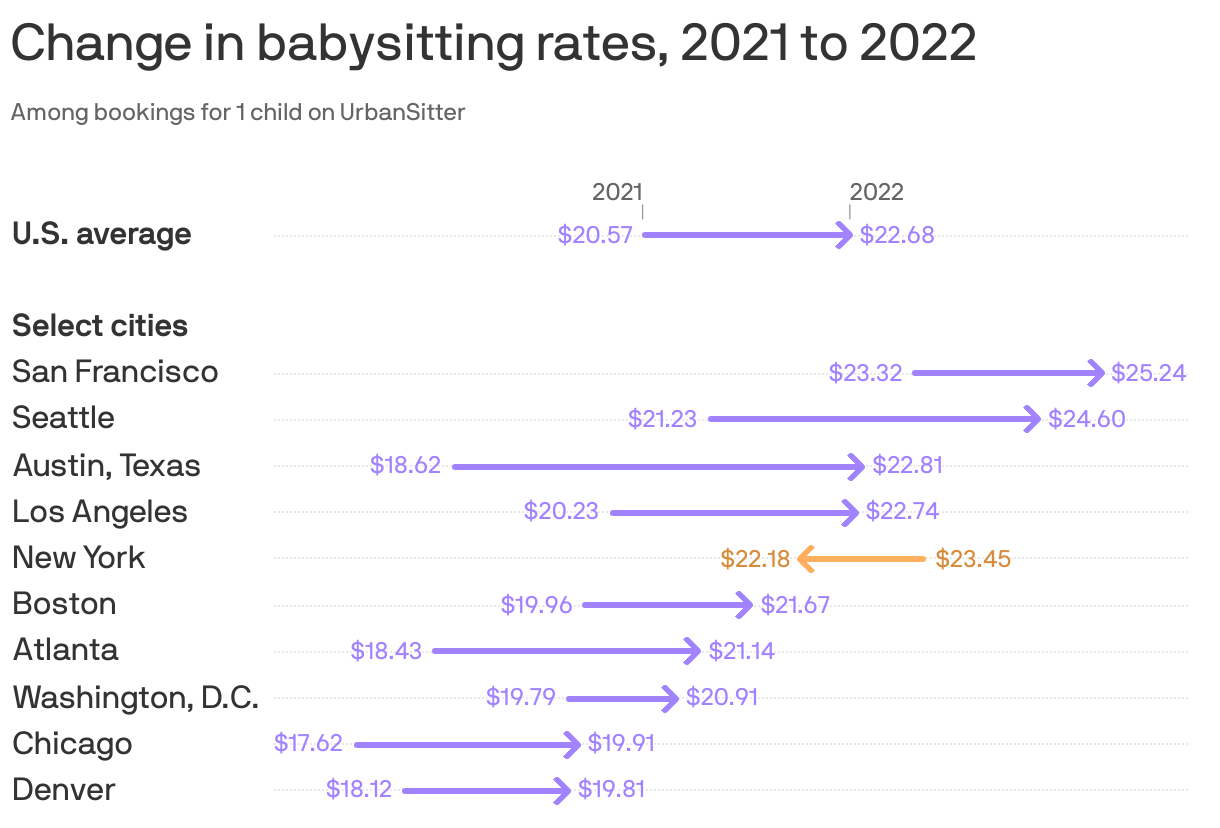
Babysitting rates rose 9.7% nationally in 2022 — a bit less than the 11% hike seen in 2021, but still outpacing inflation for the second year in a row.
That's according to survey results from caregiver-finding platform UrbanSitter, provided first to Axios.
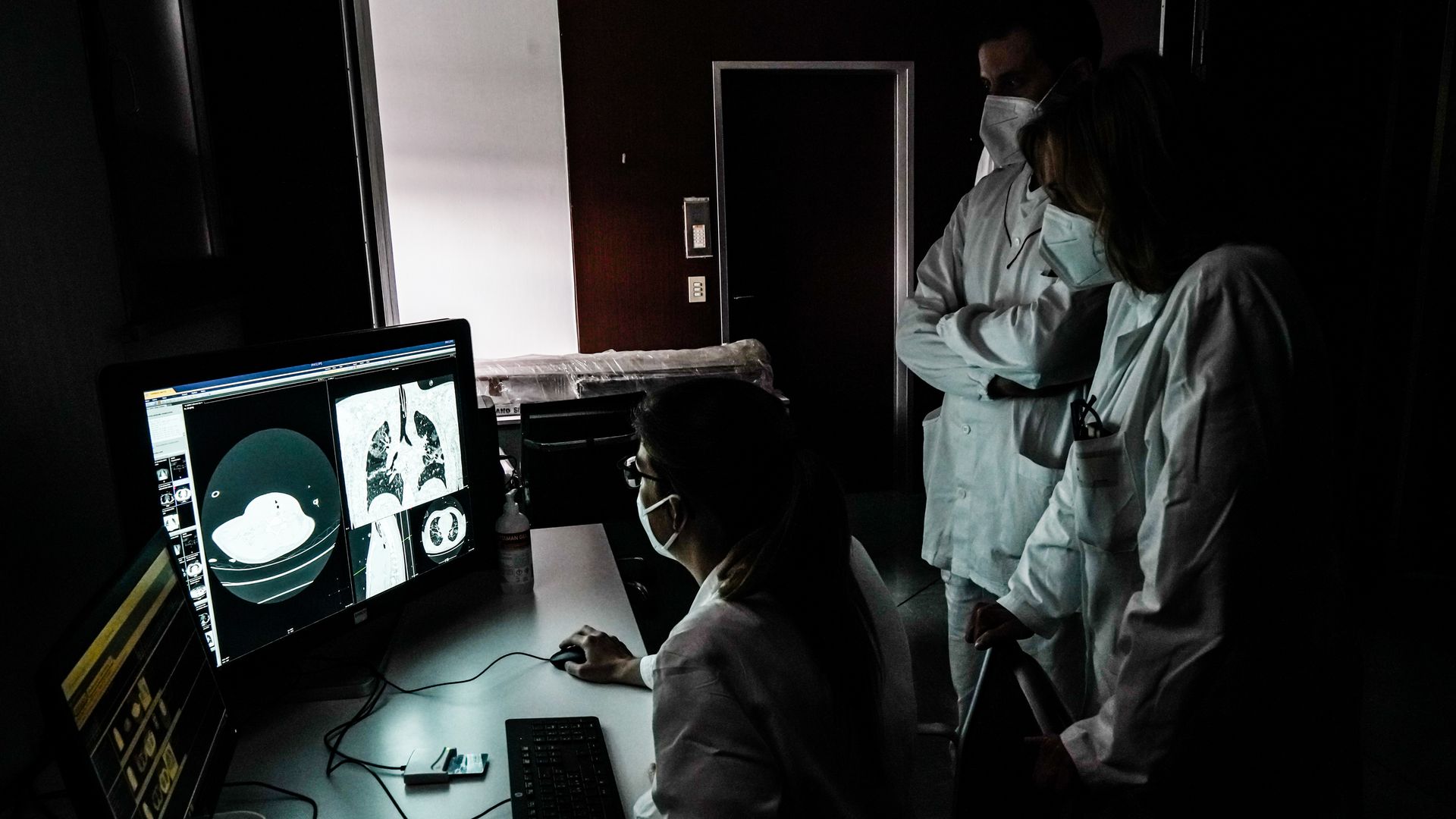
Australian scientists announced Friday they've discovered a protein in the lung that sticks to the COVID-19 virus like Velcro and forms a natural protective barrier in a person's body to block infection.
Why it matters: The study, published in the journal PLOS Biology on Friday, "opens up an entirely new area of immunology research" around this receptor protein, LRRC15, and "offers a promising pathway to develop new drugs to prevent viral infection from coronaviruses like COVID-19 or deal with fibrosis in the lungs," per a statement from the University of Sydney announcing their findings.