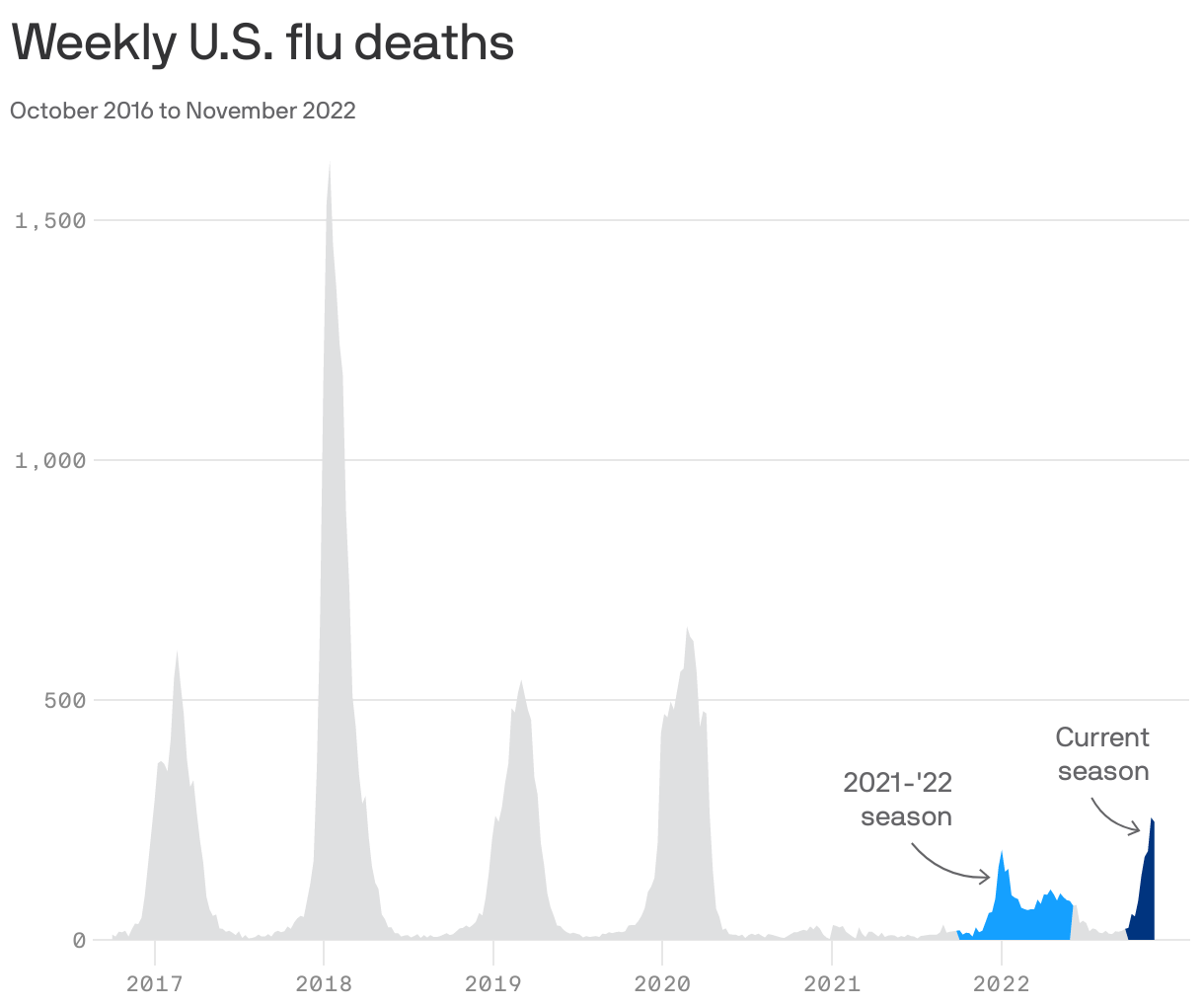
The U.S. has been pummeled by respiratory illness, including a harsher flu season than we've seen in years. But new data indicates the outbreak may be peaking.
The big picture: The CDC estimates there have been at least 13 million illnesses, 120,000 hospitalizations and 7,300 deaths, including 21 pediatric deaths, from the seasonal flu.
The COVID-19 rapid tests that public health officials are counting on to help fight a wintertime surge may not give an on-the-spot picture of whether a person is infected. And that could influence the way people approach the holiday season.
Driving the news: The FDA last month urged repeat testing after a negative result to reduce the risk of missing an infection amid concerns rapid tests aren't sensitive enough for early detection.
Despite the "tripledemic" and continued high employee turnover, non-profit hospitals' staffing crunch is showing signs of lifting, Fitch Ratings concludes.
Why it matters: A shortage of health care workers could temporarily increase the need for contract labor and eat into cost improvements that health systems have made over the past few months, analysts say.
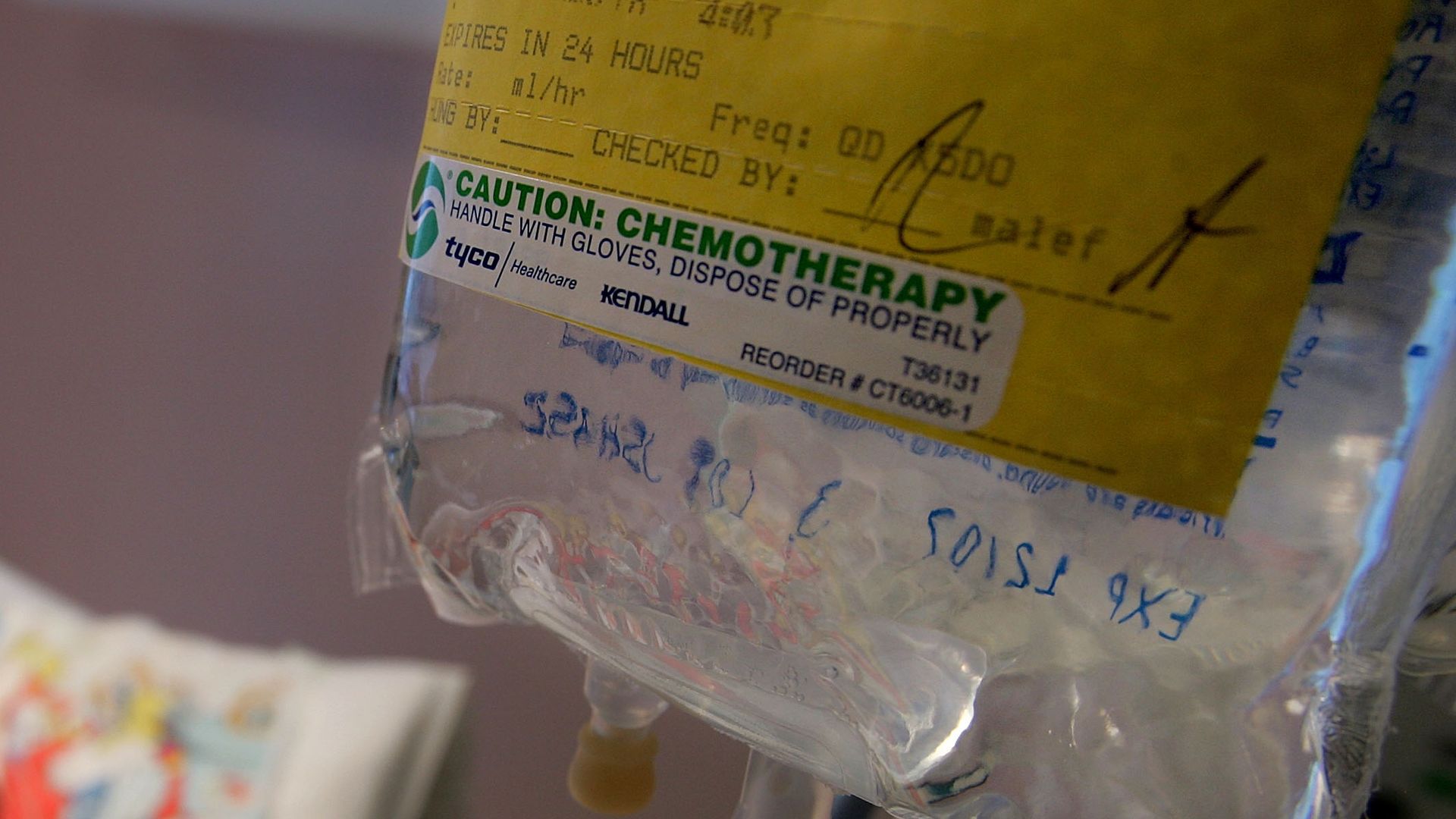
Only 1 in 7 cancers in the U.S. are diagnosed after the patient had a recommended screening test, while most cases are discovered when symptoms arise or through other medical care, according to new research from NORC at the University of Chicago.
Why it matters: Survival rates are four times higher when cancer is detected in earlier stages, compared with late-stage detection.
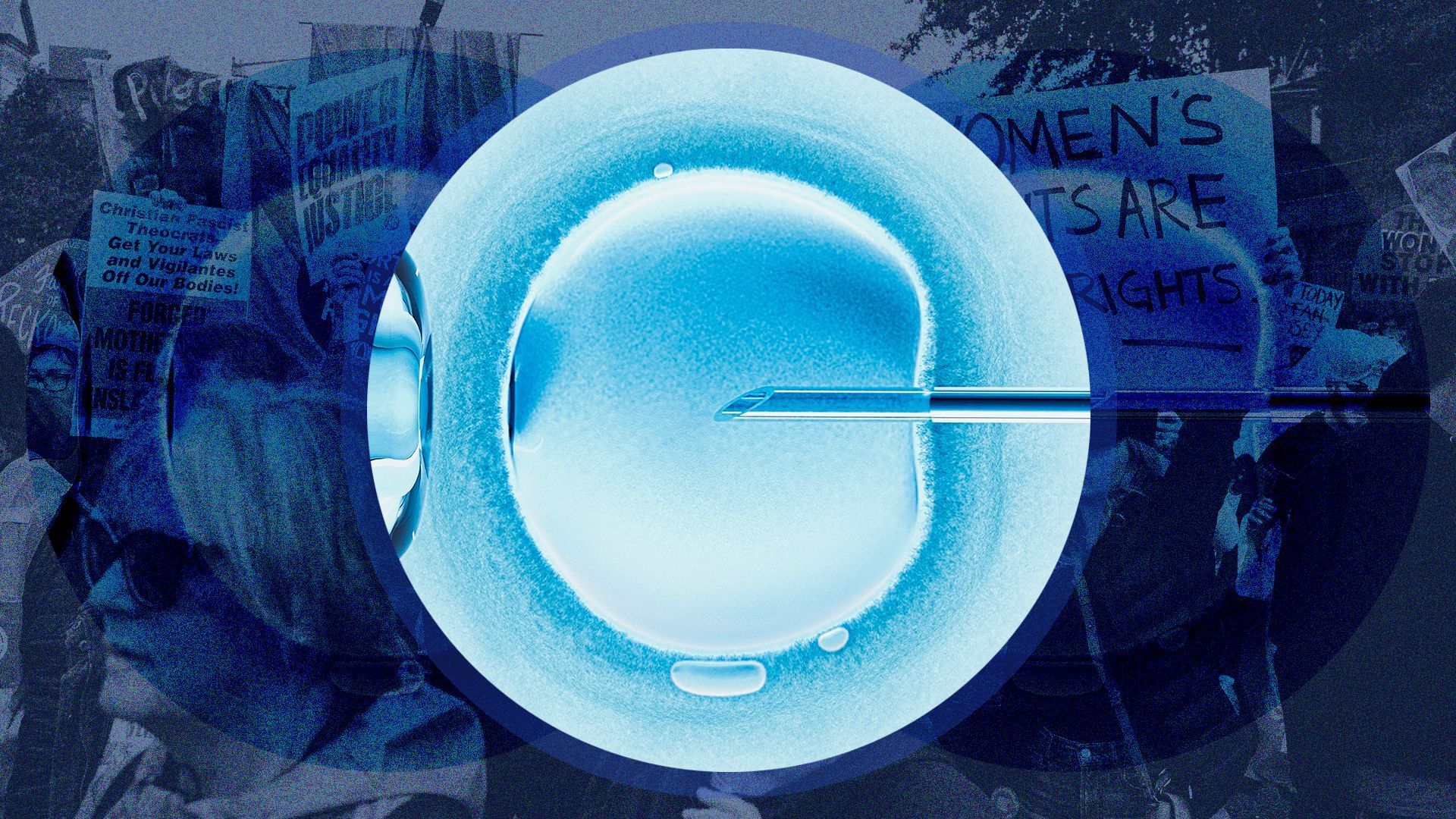
Democrats are moving to protect access to fertility treatments in anticipation of a raft of bills bestowing legal rights on fetuses that are expected to be introduced in state legislatures next year.
Driving the news: Sens. Tammy Duckworth (D-Ill.) and Patty Murray (D-Wash.) are introducing legislation in the Senate later today to outline a federal right to fertility treatments, in the belief restrictions on abortion could otherwise apply to assisted reproductive technologies, Axios has learned.
Americans' out-of-pocket health spending rose 10.4% in 2021, a growth rate not seen since 1985 that was driven in part by demand for dental services, eyeglasses and medical supplies, according to Centers for Medicare and Medicaid Services' annual National Health Expenditures report.
The big picture: Overall health spending grew by only 2.7%, a much smaller rate than the 10.3% bump seen in 2020. But the decline of special pandemic and public health-related federal funding is a huge factor in the 2021 results and masks a sharper spike in other areas.
Editor's note: Read here the latest information on this program.
The White House is relaunching its COVID-19 home testing program on Thursday as part of preparations for a wintertime surge of cases.
The big picture: The administration suspended the program in September after distributing more than 600 million tests, in order to ensure there would be enough tests to meet future needs.