A federal court ruling that struck down required coverage of HIV prevention medication may have far more sweeping implications for whether insurers will have to continue offering a range of no-cost preventive health services.
Driving the news: U.S. District Court Judge Reed O'Connorruled on Wednesday that an Affordable Care Act requirement that employers cover the HIV prevention medication known as PrEP violates the Religious Freedom Restoration Act.
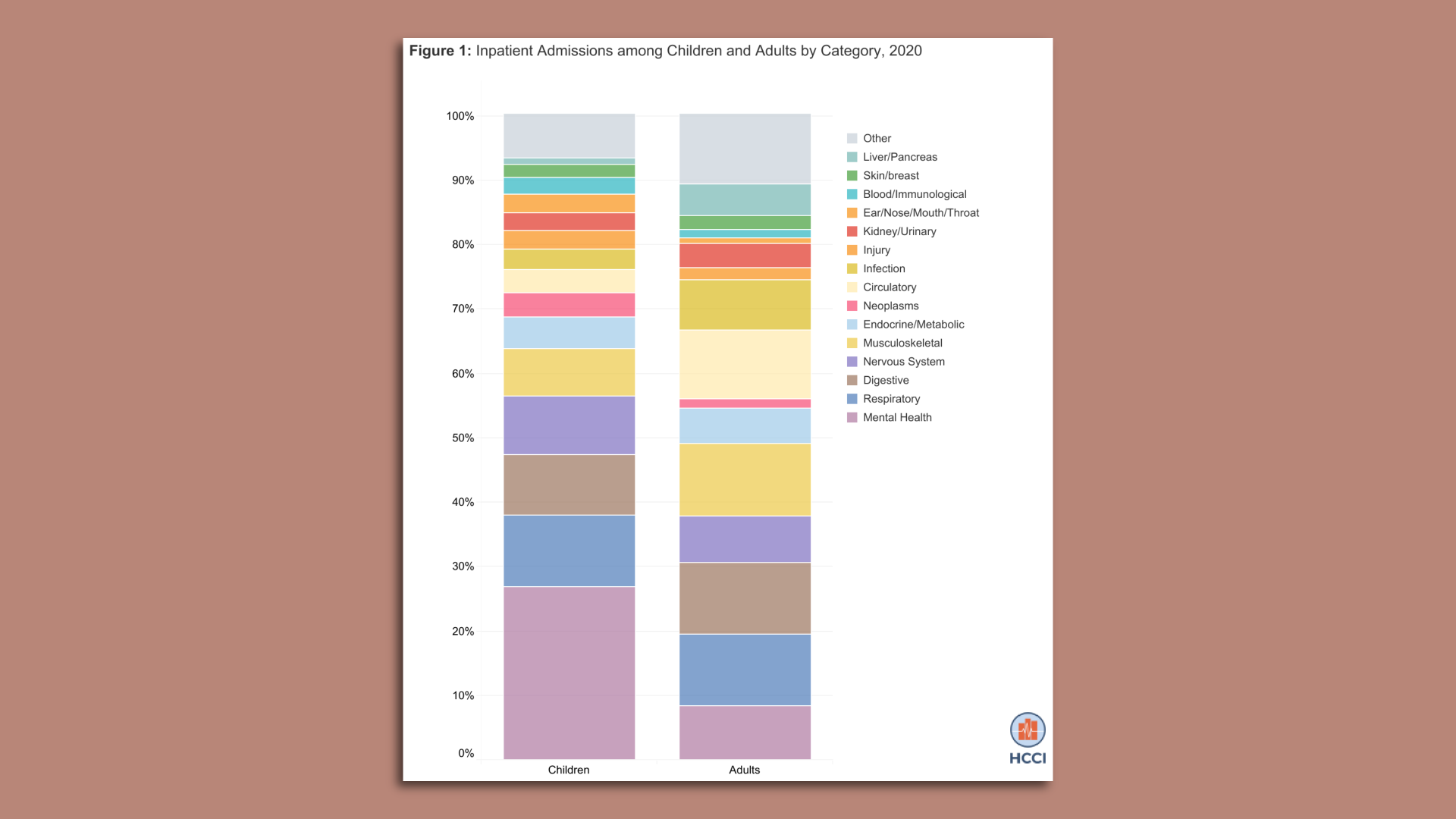
Nearly a third of non-newborn pediatric hospital admissions from 2016 to 2020 were linked to mental health needs, according to a new report from the Health Care Cost Institute.
Why it matters: A high rate of inpatient mental health care could be a sign of inadequate preventive care and management of mental health needs in younger populations, researchers said.
For the second election cycle in a row, a Republican-appointed federal judge in Texas has given Democrats an opening to campaign on saving the Affordable Care Act — an opportunity they relish.
Why it matters: Weaponizing the GOP's 2017 attempt to repeal and replace the ACA was hugely successful for Democrats in the 2018 midterms. Republicans have been eager to talk about anything but the ACA since then, but Judge Reed O'Connor has twice now issued decisions that put key tenets of the law at risk.
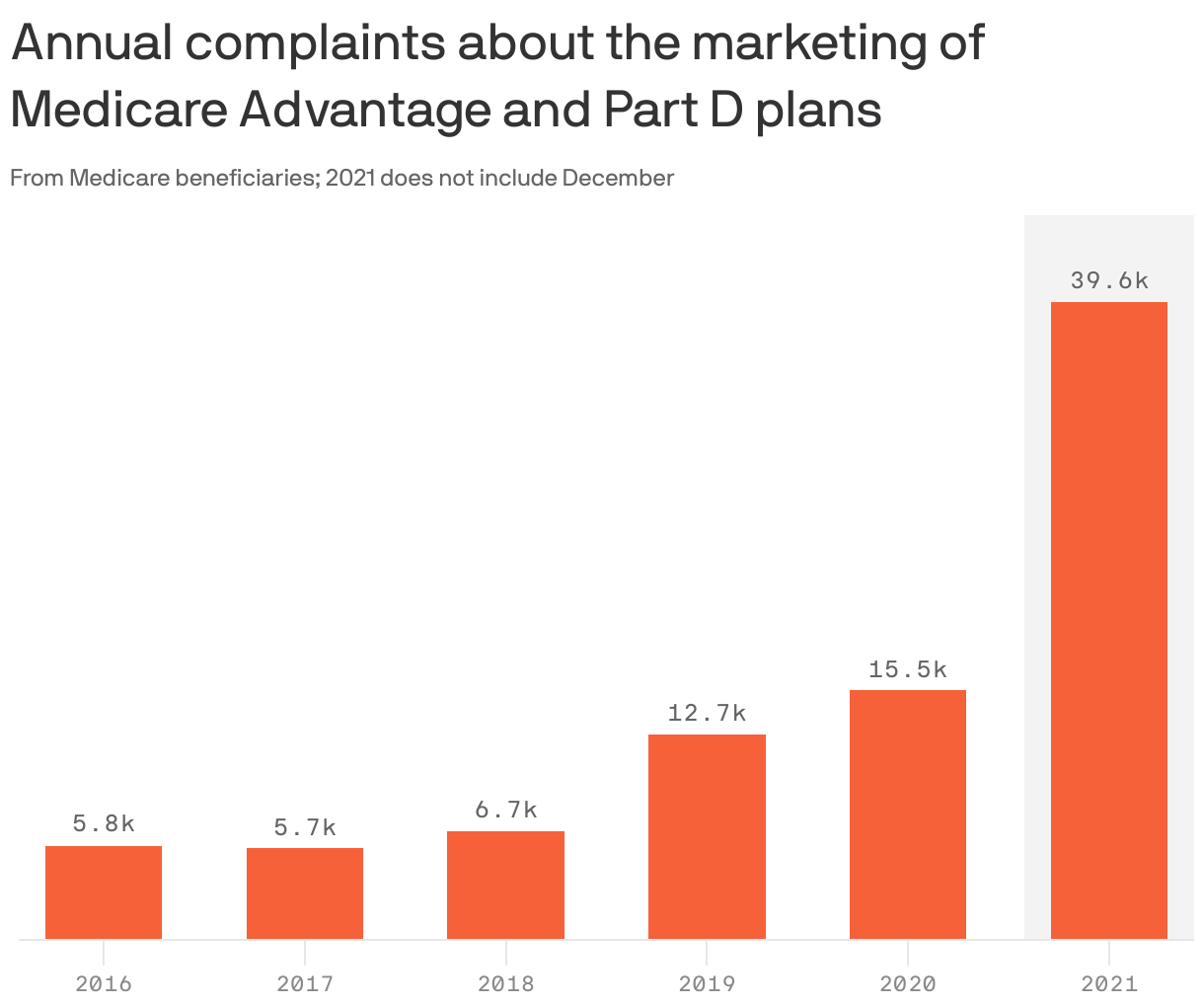
Data: Centers for Medicare & Medicaid Services; Chart: Kavya Beheraj/Axios
Complaints about aggressive marketing tactics and other issues connected with private Medicare plans are surging, according to CMS data shared with Axios.
A Michigan judge on Wednesday ruled that the state's 1931 near-total abortion ban is unconstitutional.
Why it matters: The law, which makes abortion illegal unless it is necessary to save the pregnant person's life, was already temporarily blocked. Though it's likely to face an appeal, Wednesday's decision does not affect abortion access; it simply permanently blocks the ban.
President Biden will outline his plan for reducing cancer deaths and bolstering treatments in a speech next week as part of what he has called "this generation's moonshot," the White House announced Wednesday.
Driving the news: His remarks at the John F. Kennedy Presidential Library and Museum in Boston on Monday, which are timed with the 60th anniversary of Kennedy's speech about reaching the moon, will discuss "the goal of ending cancer as we know it," according to the White House.
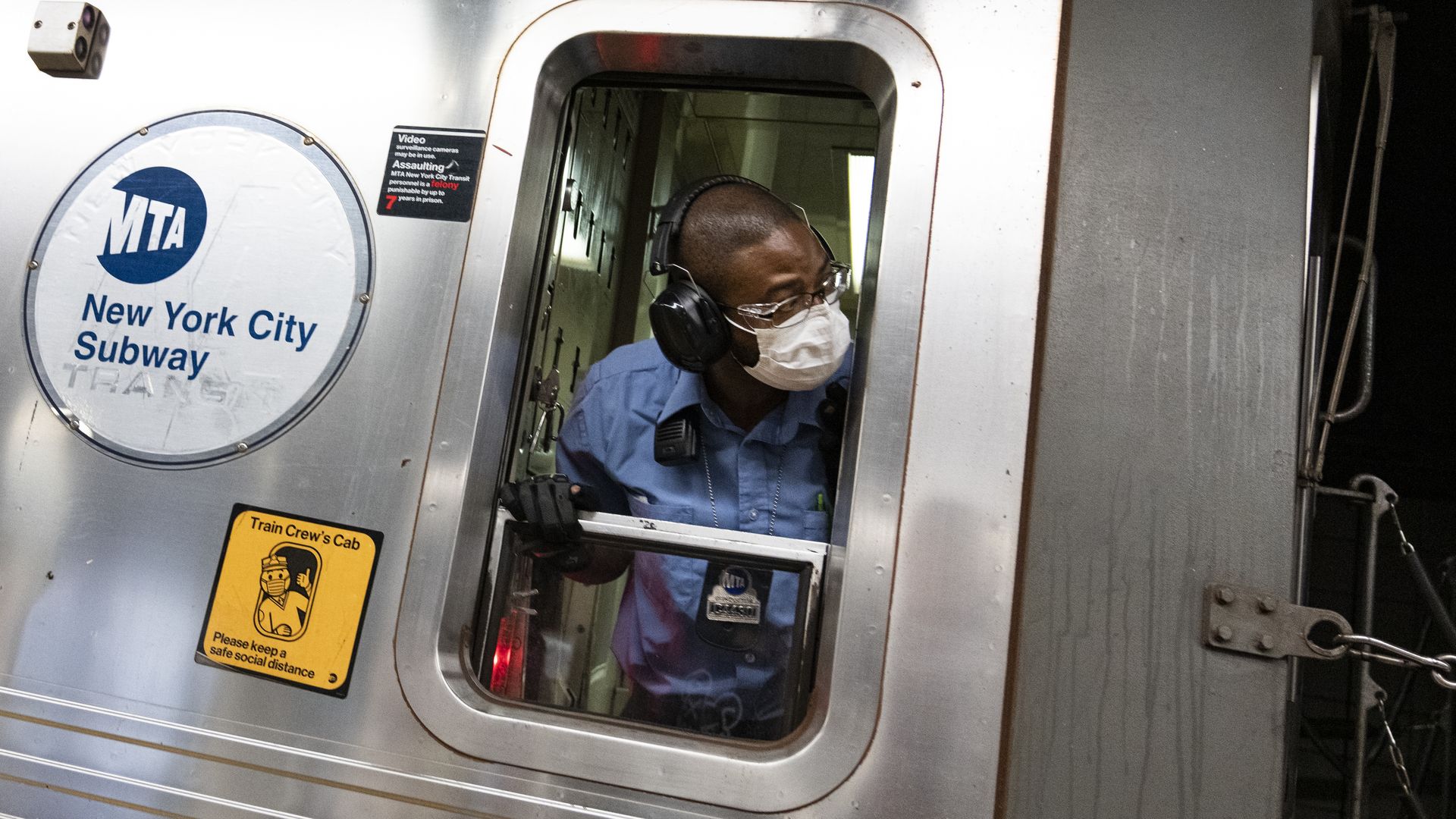
The big picture: New York will now resemble other mass transit systems across the country, which changed their own COVID-19 face mask rules after a federal judge overturned the nationwide mask mandate for transportation, the New York Times reports.
A federal judge in Texas on Wednesday ruled that the government cannot require a Christian-owned company to cover HIV preventative medication because it violates their religious rights under federal law.
Why it matters: HIV PrEP — which is more than 90% effective in preventing the transmission of HIV — is recommended for adults who are at high risk of getting HIV, which includes men who have sex with other men.
Walmart and UnitedHealth Group announced a 10-year partnership to deliver care to seniors on Medicare Advantage plans, the companies announced this morning.
Why it matters: As two of the biggest players in their respective sectors, their moves could ultimately impact millions of seniors.
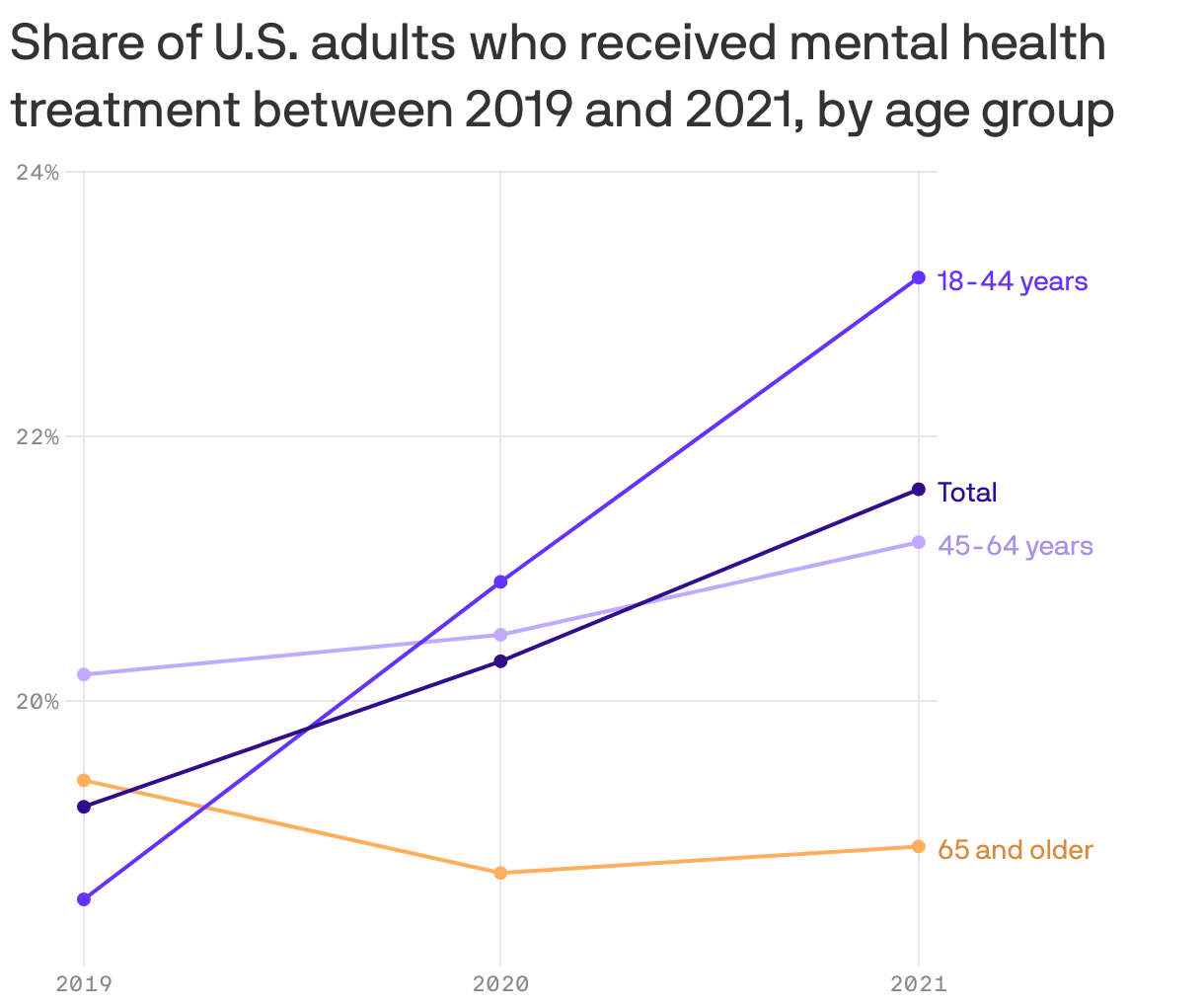
Nearly 22% of all U.S. adults received some form of mental health treatment in 2021, up from about 19% just two years earlier, new data from the CDC's 2019–2021 National Health Interview Survey shows.
The increase was largely driven by a five-point jump in the percentage of adults ages 18 to 44 who either took medication for mental health or received counseling or therapy.
Drug manufacturers may have profited from donating to charities that help patients pay for costly medicines, a new Health Affairs study found.
Why it matters: The federal anti-kickback statute is supposed to prevent manufacturers from realizing financial gains when they help subsidize patients' drug copays.
Sometime in the next few months, Americans will no longer have free access to government-funded COVID tests, treatments and vaccines. Those tools will move to the private sector — and likely be subject to some of the same access and affordability issues found in the rest of the health care system.
Why it matters: After two-plus years of being the exception to the rule, COVID will start being handled like any other disease. Billions of dollars currently shouldered by taxpayers will instead be transferred to patients via their premiums and out-of-pocket costs.


/2022/09/07/1662575473535.gif?w=3840)