In 2017, U.S. insurers and providers spent $2,497 per capita on administration — nearly 5 times more than the $551 spent per capita in Canada, which has a much more heavily socialized system, according to a new study in Annals of Internal Medicine.
Why it matters: We're all paying this through our premiums, out-of-pocket costs and taxes.
New lawsuits allege that large hospital systems have illegally billed federal health care programs after making improper financial deals with doctors as a way to control where patients get care.
Why it matters: Hospitals that own physician practices capture more referrals and therefore more money than their competitors — but potentially skirt federal law and inflate the cost of care for everyone in the process.
America's mental health care system is in dire need of an overhaul, but the any real specifics are largely missing from the 2020 debate about health care.
Why it matters: Suicide and drug overdose rates continue to rise, and the U.S. faces a shortage of mental health providers and a lack of access to treatment.
Deaths from measles in the Democratic Republic of the Congo surpassed 6,000, with children over the age of 5 most vulnerable to the infectious disease, new data from the World Health Organization showed Tuesday.
Why it matters: About 310,000 suspected measles cases, one-fourth of which are in kids over age 5, have been reported since the beginning of 2019. Vaccinations for children have made headway in some parts of the country, but public health officials are still trying to keep the disease at bay.
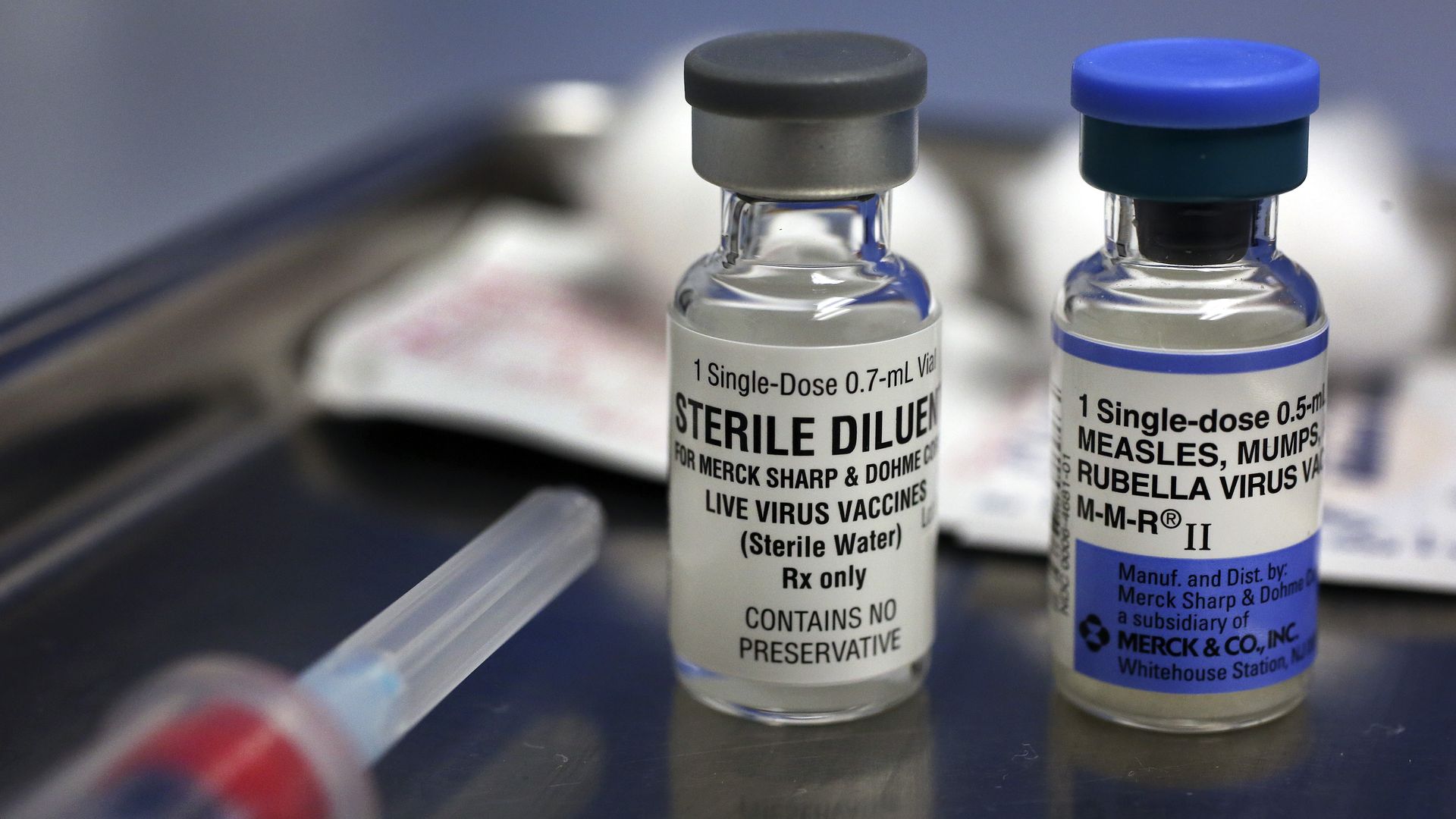
56% of Americans believe the measles vaccine has "very high" preventative care benefits — an 11-point increase since 2016, according to data out Tuesday from the Pew Research Center.
The big picture: While overall approval of the vaccine (88%) has remained unchanged, Pew credits the increase in perceived preventative health benefits to improved awareness of how measles outbreaks have become a public health problem.
The rates charged by hospitals — especially for emergency department care — have skyrocketed over the last two decades, according to a new study in Health Affairs.
Why it matters: While most patients with insurance don't pay these prices for their care — insurers typically negotiate lower rates — those who are uninsured or out-of-network often do.