Federal prosecutors are suing CVS Health and one of its subsidiaries, alleging the companies dispensed drugs to seniors and disabled people in long-term care facilities even though the prescriptions had expired or "were otherwise invalid" — and then fraudulently billed federal health care programs for the tab.
The bottom line: A CVS spokesperson said the lawsuit was meritless, and the company intends to "vigorously defend the matter in court." But this is not the first time CVS has been enmeshed in federal allegations over shady prescription billing practices.
The Sackler family, owners of Purdue Pharma, withdrew $10.7 billion from the company over the last dozen years, placing the money in trusts and overseas holding companies, according to an audit commissioned by Purdue and filed in bankruptcy court yesterday.
Why it matters: The revelation may reignite the debate over how much the Sacklers should be required to pay to resolve the thousands of lawsuits pending against Purdue for its role in the opioid epidemic, the New York Times reports. The family has offered to pay at least $3 billion in cash as part of a settlement, but some states have argued that the Sacklers should have to pay more.
Four specialties that are often out-of-network — anesthesiologists, pathologists, radiologists and assistant surgeons — raise employer insurance spending by 3.4%, according to a new study in Health Affairs.
Why it matters: Surprise medical bills are not only unaffordable for the patients who receive them, but also inflate everyone else's premiums.
Health care industry earnings fell 18% in the third quarter of this year, compared with the same period in 2018, due in part to the costs associated with opioids litigation, according to the Axios tracker of almost 170 health care companies.
Yes, but: The industry still churned out a 6.1% profit margin, and health care stocks are at the highest they've been all year because Wall Street foresees a very profitable election year.
A federal spending deal reached in Congress Monday is set to allocate $25 million toward gun violence research at the Centers for Disease Control and Prevention as well as the National Institutes of Health.
Why it matters: Scientific reports show that a lack of data on gun violence has delayed pivotal reforms despite persistent mass shootings. The Dickey Amendment, which states that funds provided to the CDC may not be used to "advocate or promote gun control," has complicated efforts to conduct gun violence research since it was passed in 1996.
Congress is expected to soon announce a deal to repeal the Affordable Care Act's health insurance, medical device and "Cadillac" employer health plan taxes — and to raise the smoking age to 21, according to a senior House Democratic aide familiar with talks.
Why it matters: The decision is a colossal win for the health care industry.
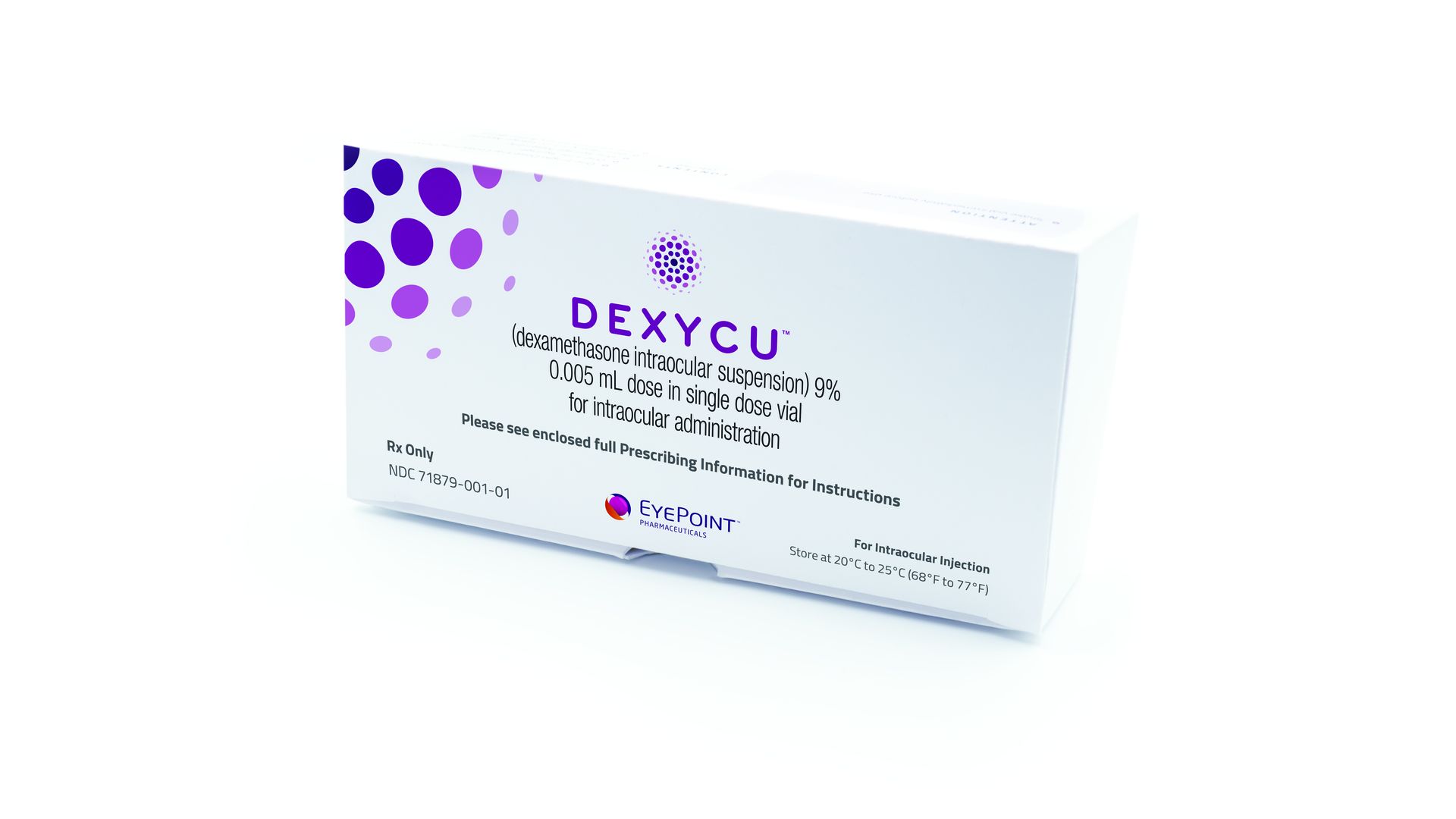
A new agreement between a small drugmaker and Kaiser Permanente will allow for the use of a new, pricey cataract surgery drug in Kaiser facilities, except there's one major issue: Nobody's admitting Kaiser is the distributing system.
Why it matters: When it comes to transparency, the health care industry is a black box — even on seemingly small things.
The cost of private health insurance is out of control, compared to Medicare and Medicaid. You see that clearly if you take a long-term view of recently released federal data on health spending.
Why it matters: This is why the health care industry — not just insurers, but also hospitals and drug companies — is so opposed to proposals that would expand the government's purchasing power. And it’s why some progressives are so determined to curb, or even eliminate, private coverage.