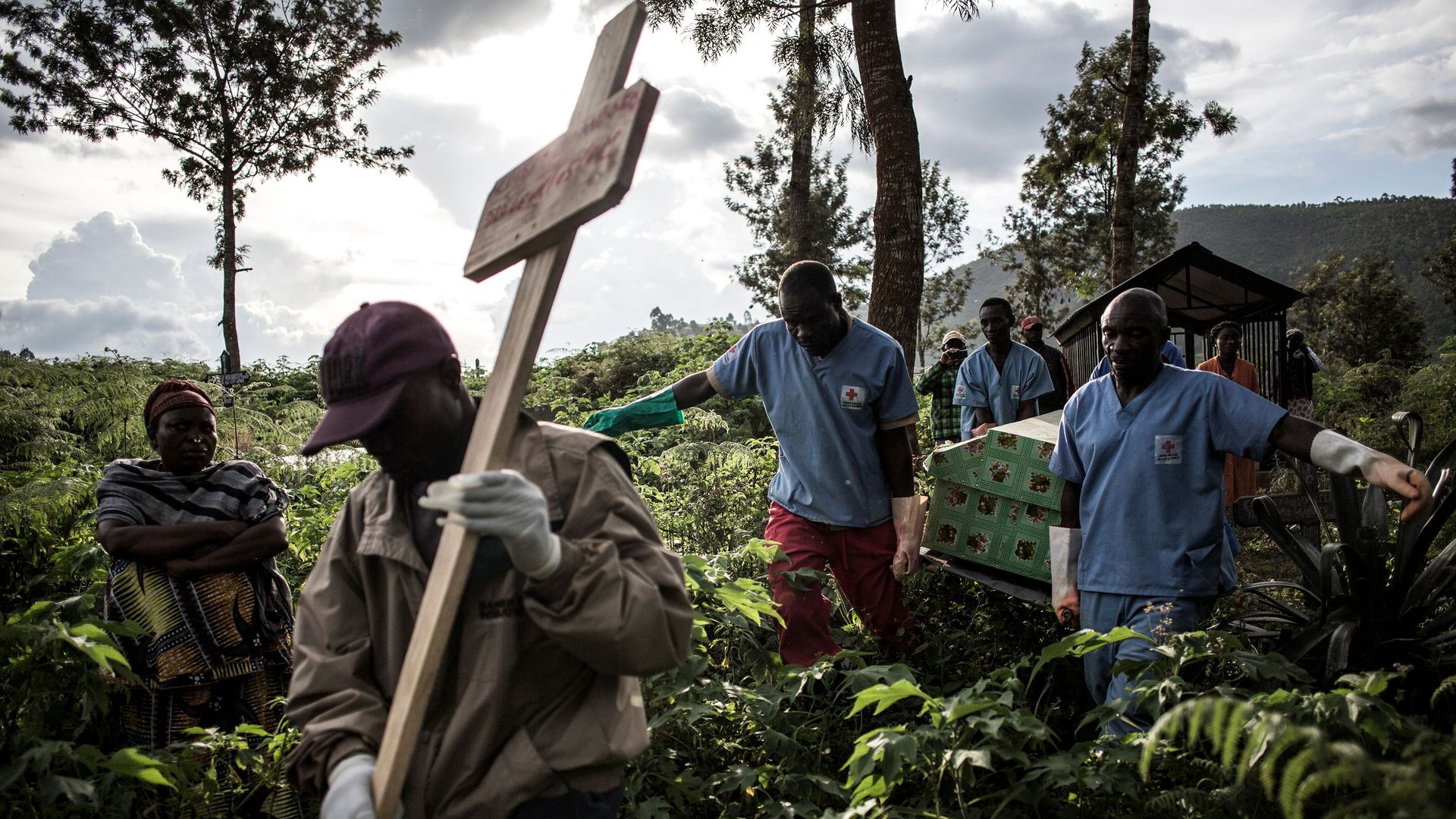
One year ago today, the Democratic Republic of the Congo declared an outbreak of Ebola. Since then, more than 1,800 people have died, the virus has been carried to the large city of Goma on the border of Rwanda and to nearby Uganda, and violence has killed health workers.
The big picture: Politics, violence and community suspicion are thwarting efforts to contain the virus, which shows no signs of abatement. Experts say this cycle could easily spiral out of control.
Although it was anything but straightforward, last night's Democratic health care debate was partially about who pays for health care and how they pay for it.
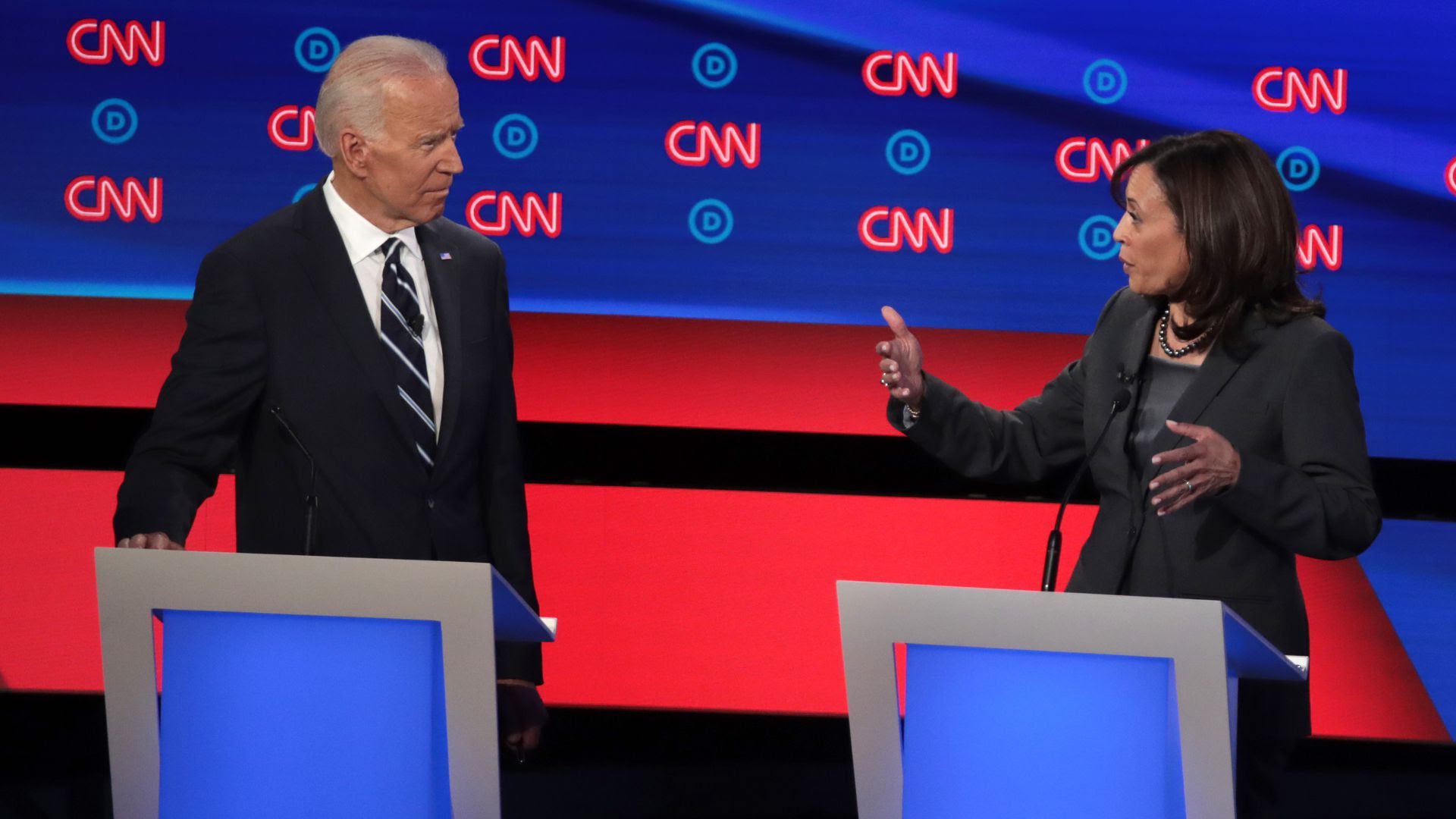
Case in point: Sen. Kamala Harris and former Vice President Joe Biden brought up copays and deductibles in their spat about, among other things, whether to eliminate the employer insurance system.
The Trump administration is moving forward on the traditionally Democratic policy of importing prescription drugs from abroad, but the impact — if the proposals are actually finalized — could be pretty muted.
The big picture: While importation could help some patients afford their drugs, the policy overall is an attempt to take advantage of other countries' lower drug prices while avoiding taking direct action to limit prices in the U.S.
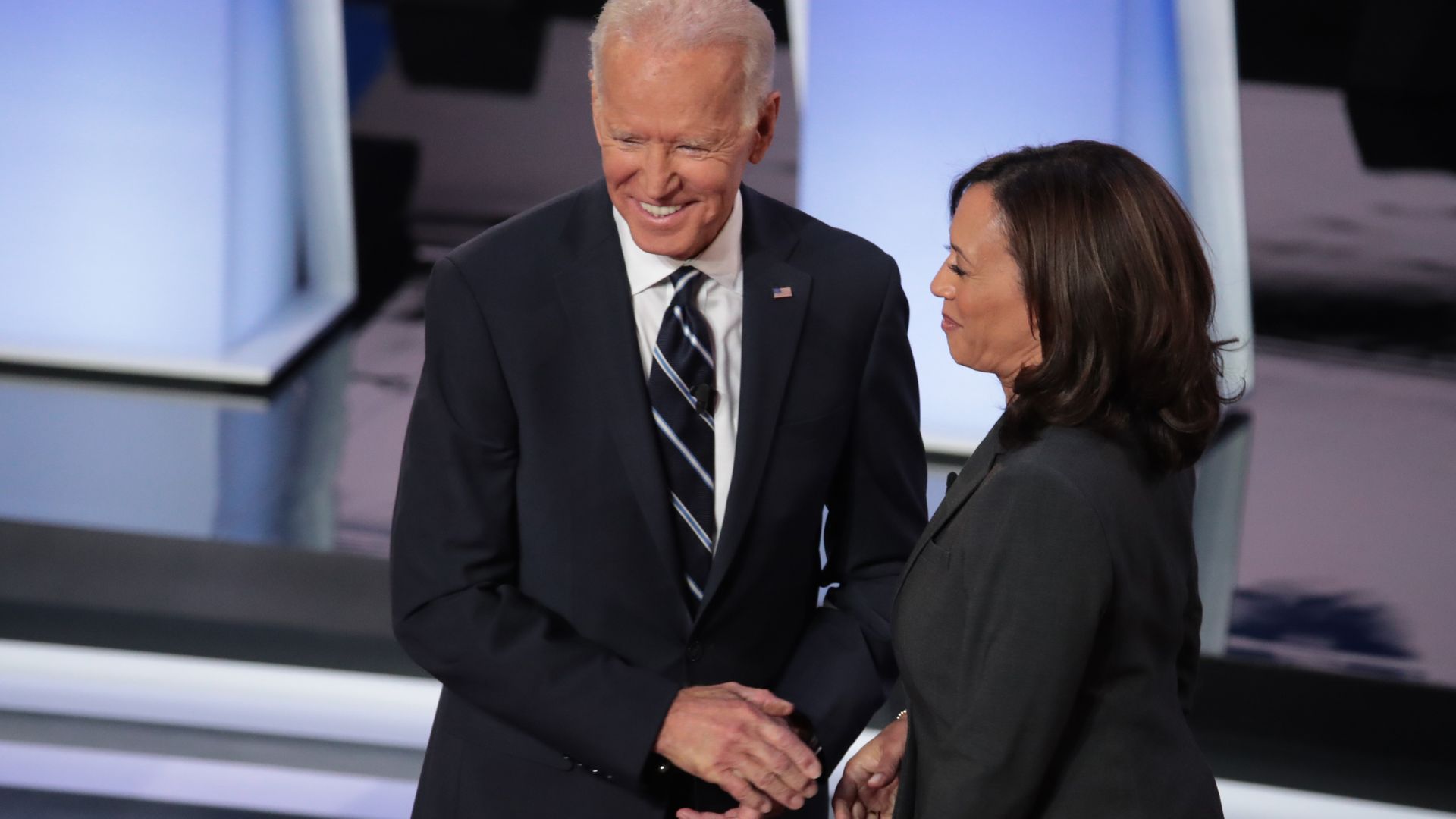
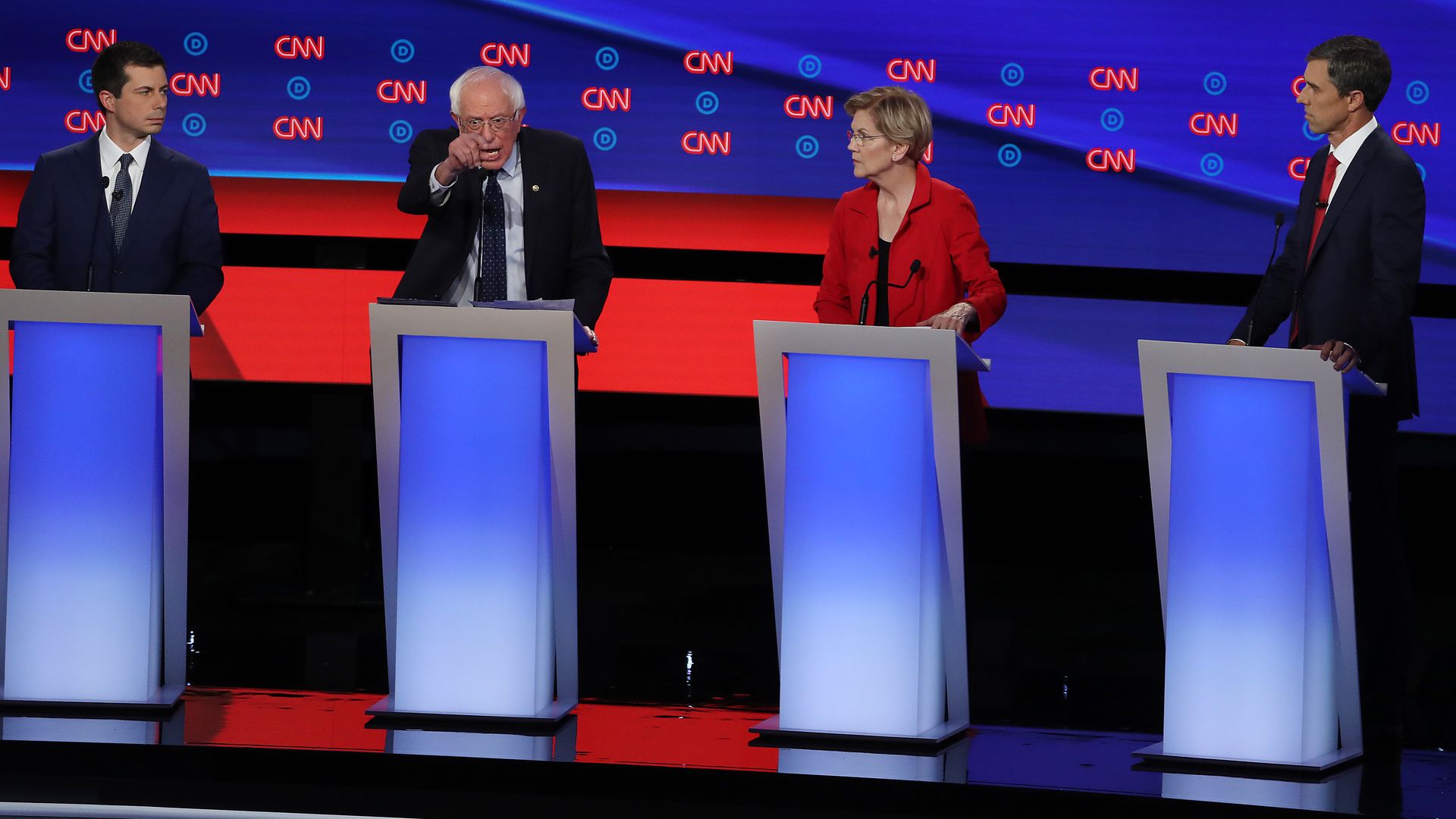
Former Vice President Joe Biden greeted Sen. Kamala Harris on the debate stage Wednesday with a request: "Go easy on me, kid."
For the record: 5 senior campaign officials told Axios' Alexi McCammond that Biden was "ready to throw down" on Wednesday, after Harris' took control at the first Democratic debates in Miami. Harris and Biden went head-to-head tonight on these issues:
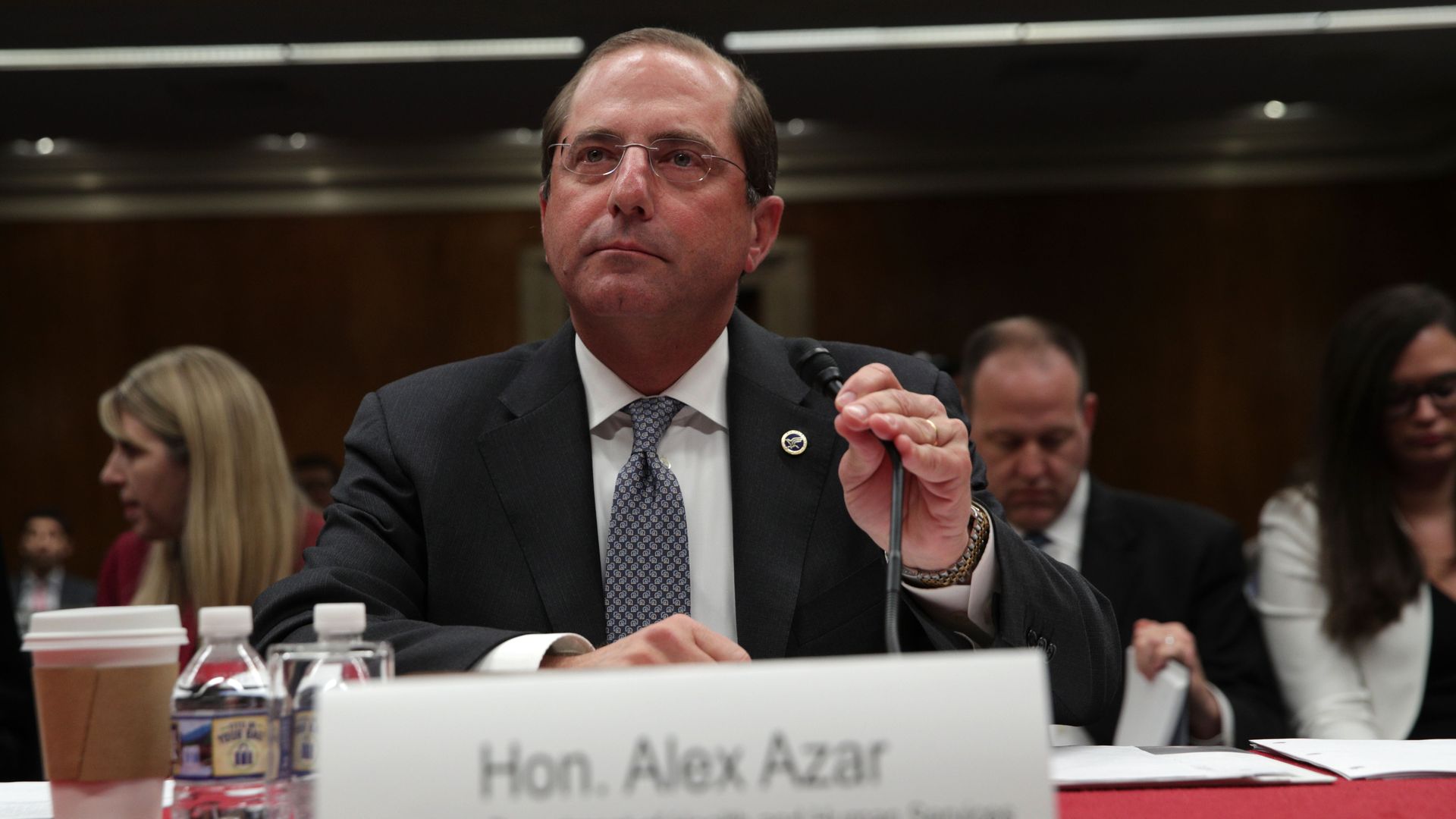
The Trump administration announced Wednesday that it is taking steps to open the door for prescription drugs to be imported into the U.S. from other countries.
The big picture: Drug importation has long been a policy idea championed mostly by Democrats, but there are plenty of reasons to be skeptical that it'll have much of an impact on drug prices — beginning with other countries' lack of enthusiasm for sending us their drugs.
Tuesday night's field of presidential candidates fought in 30-second soundbites over the merits of single payer Medicare for All versus a public option.
Yes, but: None of the candidates moved beyond sparring over insurance reforms to address the underlying reason why people are having so much trouble affording their health care, which is that health care services keep getting more expensive.
A quick-turn solicitation from Sen. Bernie Sanders' (I-Vt.) campaign arrived at 10:05 p.m. ET — 38 minutes before Tuesday's Democratic debate ended:"Make a contribution — of any amount — and we’ll send you our new 'I Wrote the Damn Bill' sticker."
Why it matters: The campaign was capitalizing on an instant-classic moment when Rep. Tim Ryan attempted to challenge Sanders over Medicare for All - to which Sanders said he "wrote the damn bill."
As Democratic presidential candidates debate their ideal health care system, blue states are making incremental — yet significant — changes to the existing one.
Why it matters: In the states where they have power, Democrats are creating a blueprint for how the ACA could evolve under Democratic control in Washington.
Few things are more valuable in health care than data — specifically prescription data. Surescripts, a company that allows prescriptions to be filled electronically, controls a lot of that data and has every incentive to keep it gated.
Driving the news: Surescripts is asking the FBI to investigate allegations that one of its vendors illegally shared patients' medication histories with Amazon's online pharmacy, PillPack. It's a fight that highlights how difficult it has become for patients to share their own drug data and how incumbent players protect their turf.