Equity analysts at UBS downgraded pharmaceutical companies Teva and Mylan significantly on Tuesday, highlighting pending litigation and an "unclear path to upside."
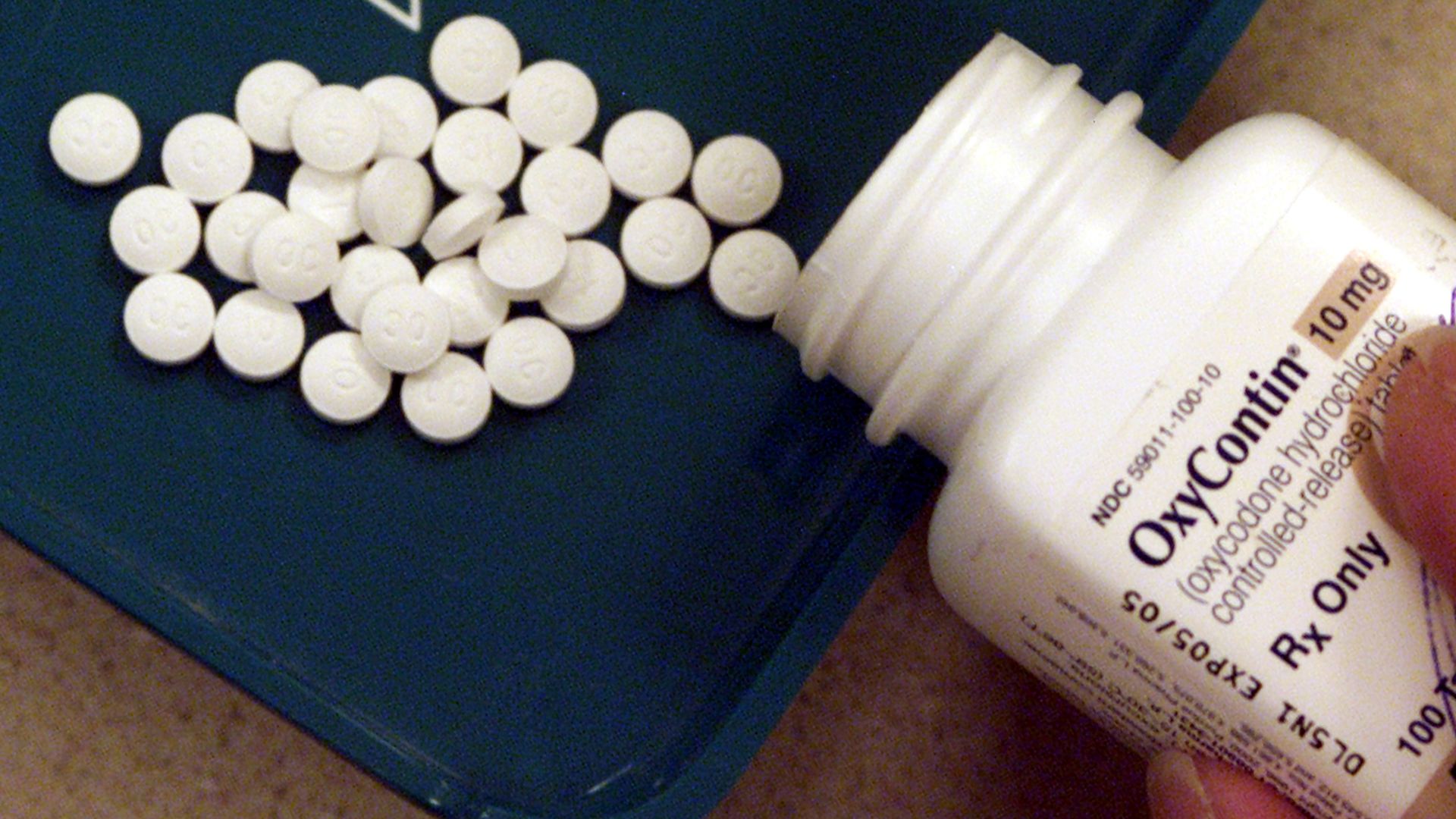
Driving the news: Teva on Sunday agreed to pay $85 million to settle claims with the attorney general of Oklahoma for its role in the opioid crisis.
Small groups of pharmaceutical industry shareholders have pushed for companies to disclose whether higher drug prices fuel lavish bonuses for top executives. But those proposals were handily defeated.
The bottom line: The industry and its largest stockholders are not about to start self-regulating when it comes to drug prices and incentive pay packages.
After Oklahoma's Attorney General Mike Hunter announced an $85 million settlement with Teva Pharmaceuticals over the weekend in the state's ongoing opioids case, only Johnson & Johnson is left defending itself in the suit.
Why it matters: Oklahoma is seeking $17 billion in damages over a crisis that has killed thousands of Americans, and if the state wins, it spells trouble of historic proportions for all of the various companies that are part of the consolidated national lawsuit in Ohio.
The FDA on Friday approved Zolgensma, a gene replacement therapy from Novartis that treats spinal muscular atrophy, for use in children younger than 2.
Why it matters: The treatment attacks a debilitating genetic disease that often kills infants, and it will come with a price tag of more than $2.1 million, making Zolgensma the most expensive drug on the planet.
Adding more transparency to the health care system's secretive pricing structure is a bipartisan idea that's gotten a lot of interest in Congress and from the Trump administration.
Yes, but: Some experts say transparency alone probably won't do much to lower costs, and could even end up backfiring.
Chemicals used to flavor electronic cigarettes can damage cells that line blood vessels and may pose a risk to a user's heart in the long term, according to a study published Monday.
Why it matters: The study, published in the Journal of the American College of Cardiology, is the latest evidence that vaping may be harmful.



/2019/05/27/1558997055287.gif?w=3840)