New data from the Health Care Cost Institute tries to pin down just how often patients end up with the most common form of a surprise hospital bill — the kind that arises when patients go to a hospital that's in their insurance network, but are seen by a doctor who's out-of-network.
By the numbers: Nationwide, about 14% of in-network hospital admissions included a bill for out-of-network care, per HCCI.
Xarelto will be the first drug to include pricing information in its TV ads, even before the Trump administration finalizes rules that will require those disclosures.
Why it matters: There's been plenty of uncertainty about how this would work and what it will look like. The administration wants drugmakers to include list prices, which most people don't pay, and critics say that could give patients an unrealistically inflated view of their costs.
There’s a scientific and economic revolution happening in medicine, and the political debate over drug prices isn’t keeping up. Not only are policymakers struggling to agree on solutions, they’re mostly talking about yesterday’s problems.
Why it matters: Medical innovation is already hurtling toward a new era of highly specialized drugs — some are even tailor-made for each individual patient. They may be more effective than anything we’ve seen before, and also more expensive. But the drug-pricing debate is more focused on decades-old parts of the system.
Measles cases in the U.S. this year are "certainly going to surpass those in 2018," mainly due to the lack of vaccination in certain groups, Anthony Fauci, director of the National Institute of Allergy and Infectious Diseases, tells Axios.
Why this matters: The extremely contagious virus, which can cause serious complications like pneumonia, brain swelling and even occasional death, requires a vaccination rate of 93%–95% in order to prevent outbreaks. "Whenever the level of vaccination gets below a certain level, you will get outbreaks," Fauci says.
The Food and Drug Administration is planning to impose tougher safety requirements on the ingredients in prescription drugs, following an investigation by Bloomberg's Anna Edney into safety and quality issues at overseas facilities.
The bottom line: The active ingredients in many pharmaceuticals, especially generics, come from China and India, but the FDA has few inspectors on the ground in those countries. So it requires drugmakers to self-report safety or quality issues.
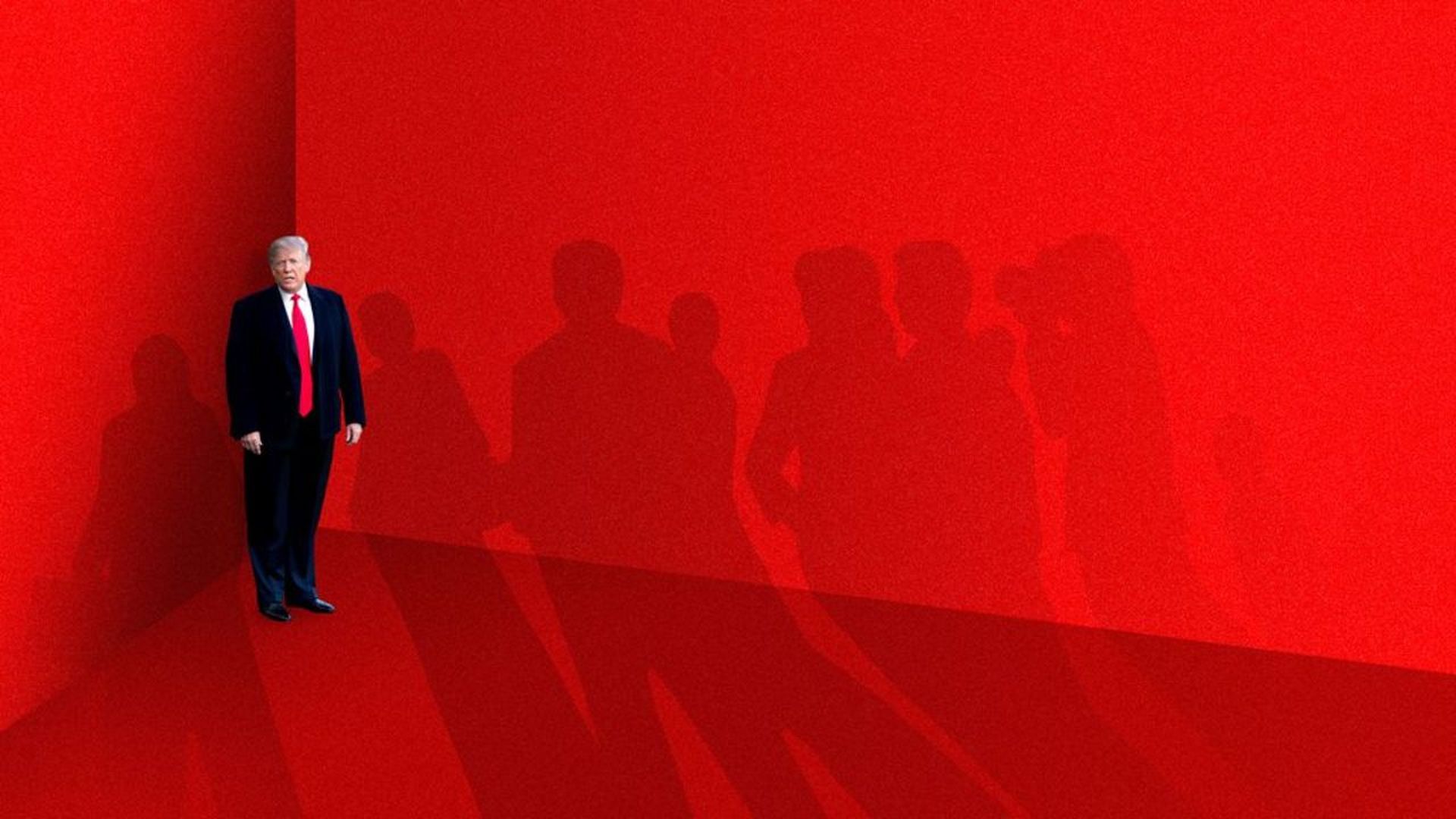
President Trump's health care agenda is making more enemies than friends, hitting brick walls and fierce opposition in the courts, in Congress and even within his own administration.
Driving the news: Yesterday was a bad day for two of Trump's biggest health care priorities.
Brand-name EpiPen barely has any share of the epinephrine injection market these days — a swift change from 2015, when EpiPens controlled 89% of the market and Mylan earned congressional scrutiny for jacking up prices.
Yes, but: Mylan still owns the market through its "authorized" generic, which launched in 2016. That product is exactly the same as EpiPen, except for the label and its smaller price tag, and it has prevented other competing generics from gaining ground.