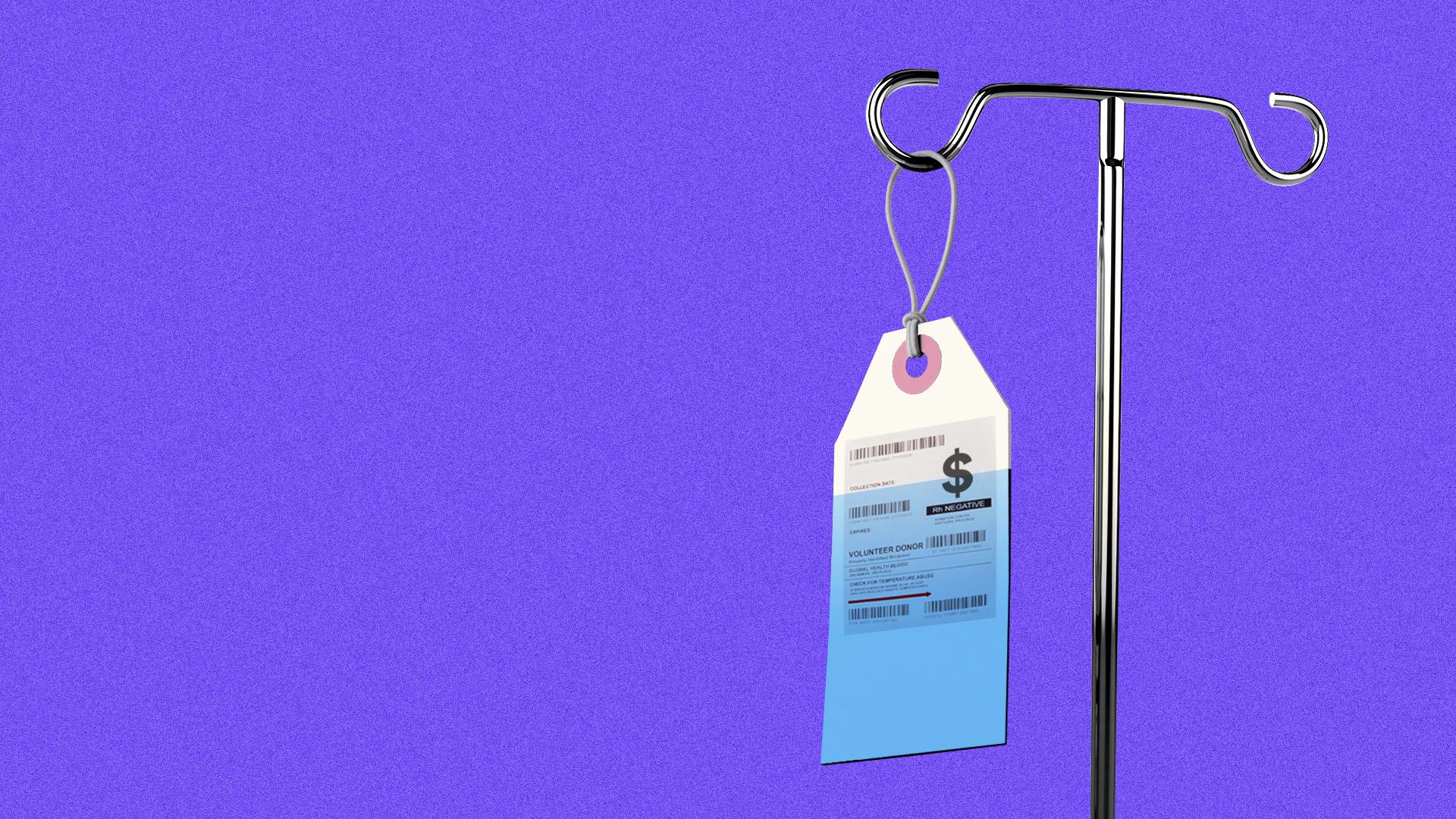
Health care executives gave no indication to bankers and investors at this year's J.P. Morgan Healthcare Conference that their pricing practices would change any time soon.
Why it matters: That sentiment comes the same week when three of the original authors of an influential 2003 article — which studied why health care is so expensive in the U.S.— published an update. Their conclusion was the same: "It's still the prices, stupid."
Researchers have developed a phone app they say could reduce the number of opioid overdose deaths by using sonar to detect symptoms and urgently message family, friends or emergency responders, according to a study published Wednesday in Science Translational Medicine.
Why it matters: Opioid overdoses kill an average of 130 Americans per day, but the immediate administration of naloxone and supportive respiratory care can dramatically reduce the rate of death, the researchers tell Axios. Outside experts, meanwhile, say that while this may be a good step toward developing more tools, the technology is not advanced enough to target areas that would more significantly impact the epidemic.
Sanofi and Novo Nordisk, 2 of the 3 major insulin makers that dominate the global market, have raised the prices of their medications in the U.S. by at least 4%, depending on the particular insulin, the Financial Times reports.
The big picture: The companies say the hikes cover rebates paid to middlemen. Eli Lilly, the third major manufacturer, has not raised the price of its insulin products and did not immediately comment to Axios about whether it planned to do so this year.
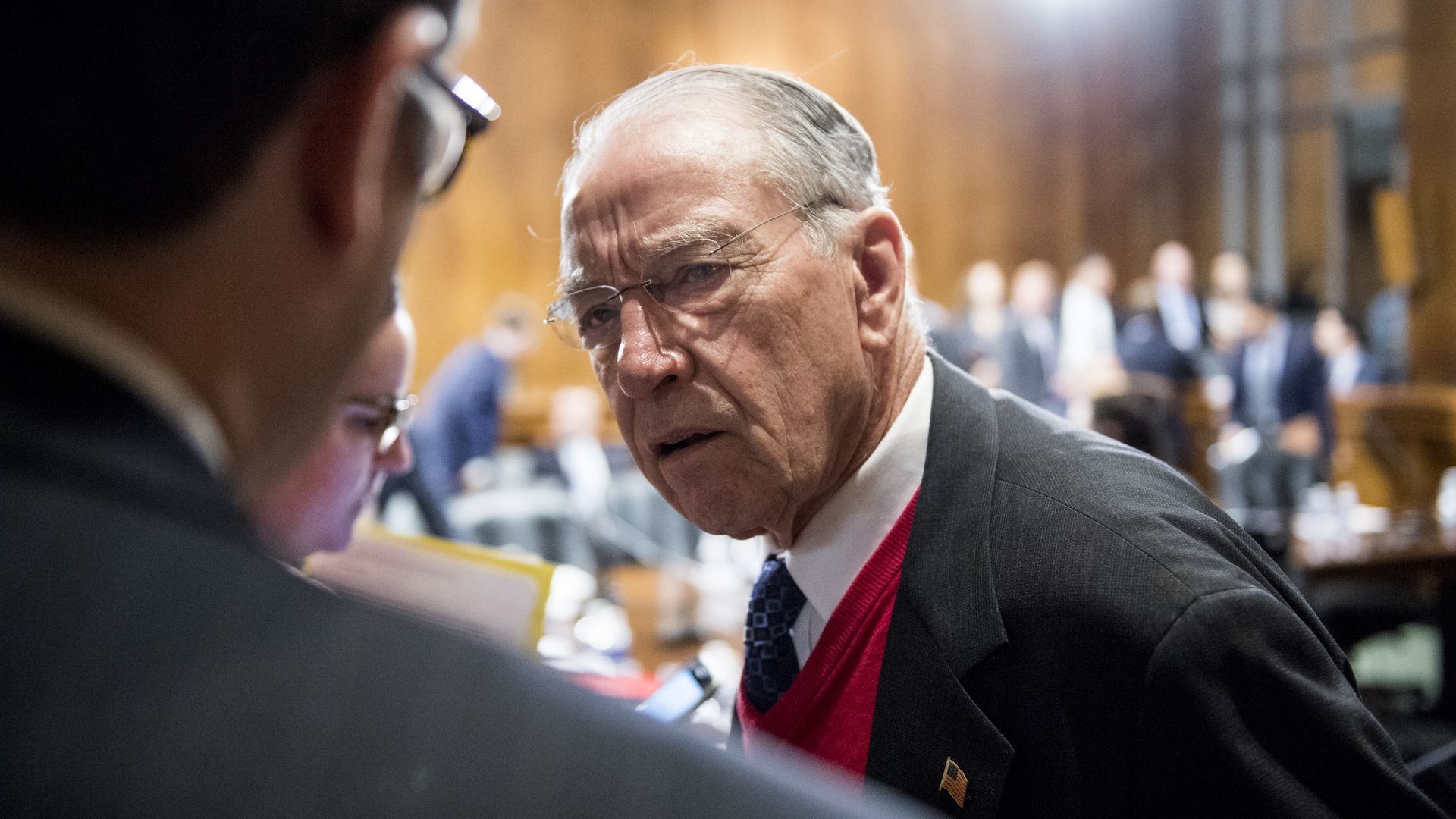
Sen. Chuck Grassley, the new chairman of the Senate Finance Committee, told reporters yesterday he has three top priorities on drug pricing.
He's targeting a bill to ban "pay for delay" settlements between brand-name and generic drug companies; the CREATES Act, which would give generics easier access to the product samples they need to develop their drugs; and a bill to let Americans import cheaper drugs from Canada.
A lawsuit that threatens to kill the entire Affordable Care Act could be a political disaster for the GOP, but most Republicans aren't trying to stop it — and some openly want it to succeed.
Between the lines: The GOP just lost the House to Democrats who campaigned heavily on health care, particularly protecting people with pre-existing conditions, but the party's base still isn't ready to accept the ACA as the law of the land.