The Democratic Republic of the Congo Thursday said the number of people confirmed or suspected of having Ebola has now become the second highest number of cases, reaching 426 as of Nov. 28.
The latest: Containment efforts are further hampered by a spike in cases of malaria, which can demonstrate similar symptoms to Ebola in its early stages, according to the World Health Organization. "The #Ebola outbreak in #DRC is now second largest historically. A sad toll, with too many families losing loved ones," tweeted WHO's Peter Salama.
Vaping giant Juul is facing employee resistance to a proposed investment by Altria Group, the maker of Marlboro cigarettes, according to internal messages obtained by Axios.
Why it matters: The deal could value Juul at around $30 billion, and be a big first step toward cigarette sector consolidation.
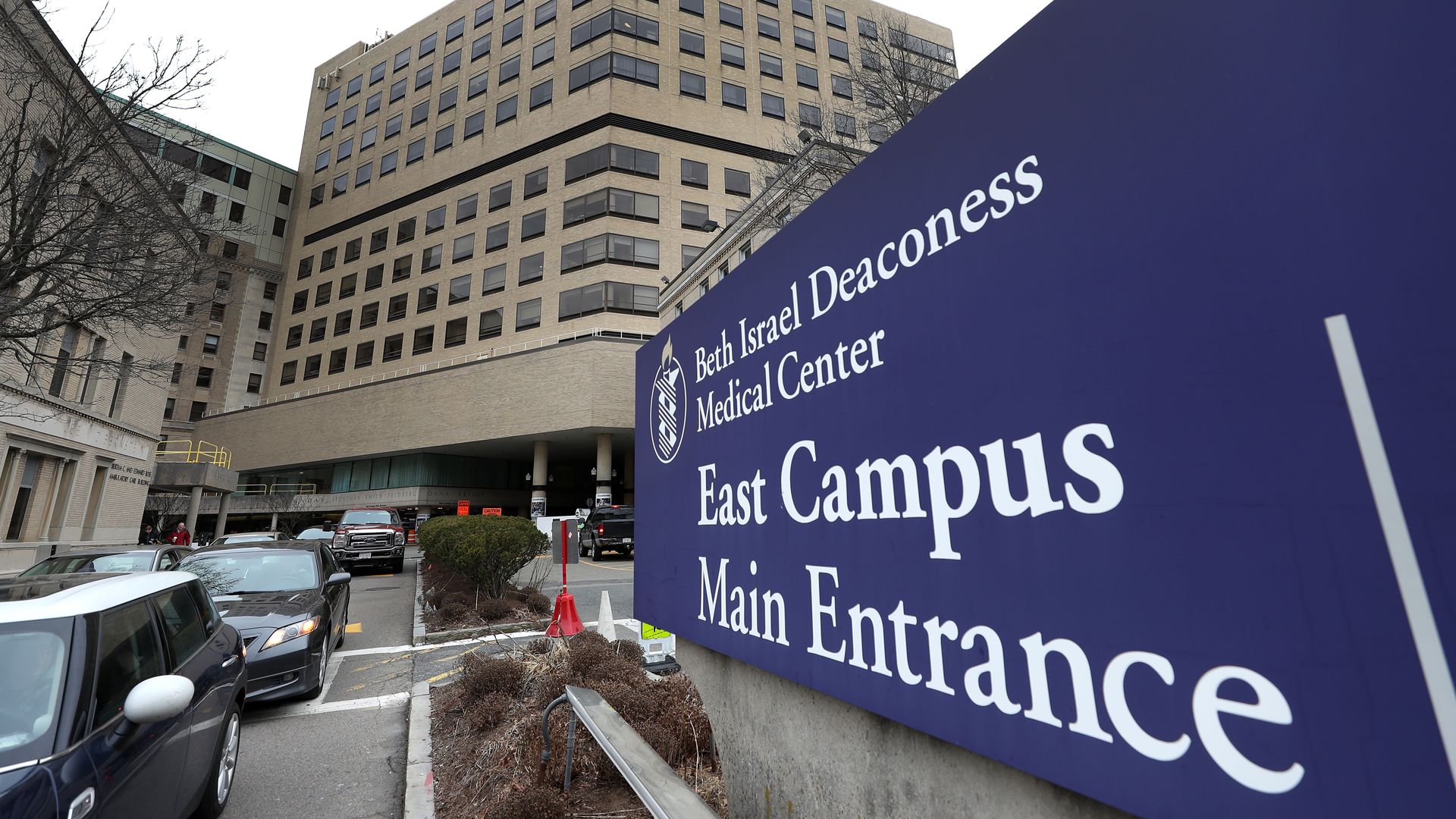
Beth Israel Deaconess Medical Center and Lahey Health, 2 large hospital systems located around Boston, have gotten the green light for their closely watched merger — but there’s a significant catch. They can't raise prices above a certain threshold.
The bottom line: The deal is pretty remarkable because each party signed off on price controls, an idea that usually is anathema to the industry.
The Trump administration is using a regulatory workaround to achieve some of the same goals of Republicans' failed efforts to repeal and replace the Affordable Care Act.
Driving the news: HHS released new guidance yesterday about how it will approach the ACA's existing waiver process. It said it would, in some circumstances, approve waivers that go far beyond what's currently allowed.
Bright Health, an insurance startup that sells Medicare Advantage and Affordable Care Act plans, has raised $200 million in a new funding round from 10 investment firms — bringing its total venture capital fundraising to about $440 million.
The bottom line: The company had 23,000 ACA members and 2,100 MA enrollees through the first 9 months of 2018, leading to $91.3 million of revenue and a $4.5 million net loss, according to state insurance documents. Like Oscar and Devoted Health, Bright Health is looking to make money from these two specific types of health insurance by keeping people within very limited networks of hospitals and doctors, and by saying its technology is better than incumbent insurers'.
Americans can now expect to live 78.6 years, according to new data released by the Centers of Disease Control, a slight drop from 78.7 years in 2016.
Why it matters: Globally, humans are increasingly expected to live longer and healthier. But with a growing number of opioid overdose deaths and climbing suicide rates in the United States, that trend has reversed over the past three years — against the norm for most developed nations.