Pharmaceutical giant Pfizer will raise the list prices of 41 medications early next year, the Wall Street Journal reports. The company said in a statement that those higher prices are "expected to be offset by higher rebates and discounts."
Why it matters: Pfizer is following through on comments from last month, when CEO Ian Read said the company would resume its "normal" practice of raising drug prices — indicating that the company's temporary pause in price increases, following criticism from President Trump, was mostly political posturing.
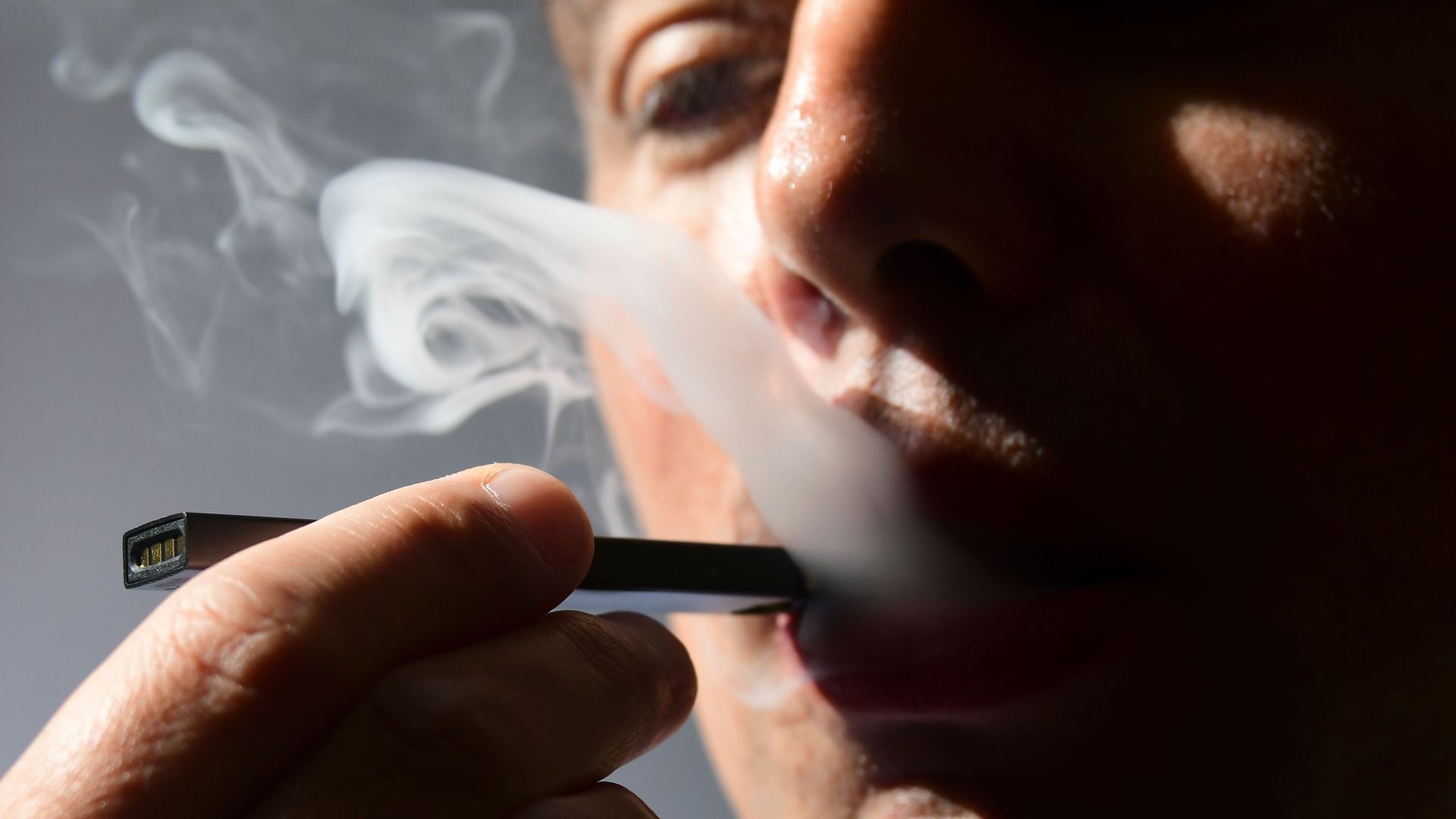
The Food and Drug Administration could pull e-cigarettes off the market, commissioner Scott Gottlieb said Friday, if new restrictions on the sale of "fruity" flavors don't slow a surge in teenage vaping, CNBC reports.
The backdrop: The FDA rolled out new regulations on Thursday restricting flavored e-cigarette sales, with the exception of mint and menthol, as usage among teens increased by 75% from over the last year. Gottlieb called the uptick in use of flavored e-cigarettes among teens "astonishing."
The Centers for Medicare & Medicaid Services and HHS' Office of Inspector General will conduct a "two-part study," expected to be completed by 2020, that will scrutinize how hospitals overcharge Medicare — a practice known as upcoding.
Why it matters: Medicare paid hospitals $114 billion for inpatient stays in 2016, or about 17% of all Medicare payments. OIG has long criticized inpatient coding, a main artery for hospital finances, and this move foreshadows potentially bigger clawbacks on bad actors.
Insurance plans offered on the Affordable Care Act exchanges generally cost more in rural areas than urban ones in 2016 and 2017, according to a new analysis by the Urban Institute.
Why it matters: Rural areas offer unique health care challenges. People who live in rural areas tend to not only have more problems in affording care, but also face access issues as rural hospitals continue to shut down. Rural areas also tend to have less competition among both insurers and providers, driving costs up. Premiums for a “benchmark” plan were 9% higher, on average, in rural areas in 2016, increasing to 10% in 2017. That's $26 more per month in 2016 and $39 more per month in 2017, compared with urban areas.
Overall, the number of Americans who don’t have health insurance is holding pretty steady under President Trump. The uninsured rate stood at 12.5% in the first half of this year, according to the latest data from the Centers for Disease Control and Prevention.
The big picture: Most of those people should be eligible for Medicaid if their states expanded, or for heavily subsidized ACA coverage. That’s in line with where it’s been since the Affordable Care Act’s coverage expansion began in 2014.
The Food and Drug Administration has released its sweeping regulatory plan to crack down on electronic cigarettes, specifically targeting the flavored products that are increasingly popular with teens. It also announced new steps to ban menthol from regular cigarettes.
What they're saying: New data "show astonishing increases in kids’ use of e-cigarettes ... reversing years of favorable trends in our nation’s fight to prevent youth addiction to tobacco products," FDA Commissioner Scott Gottlieb said in a statement. "These data shock my conscience."
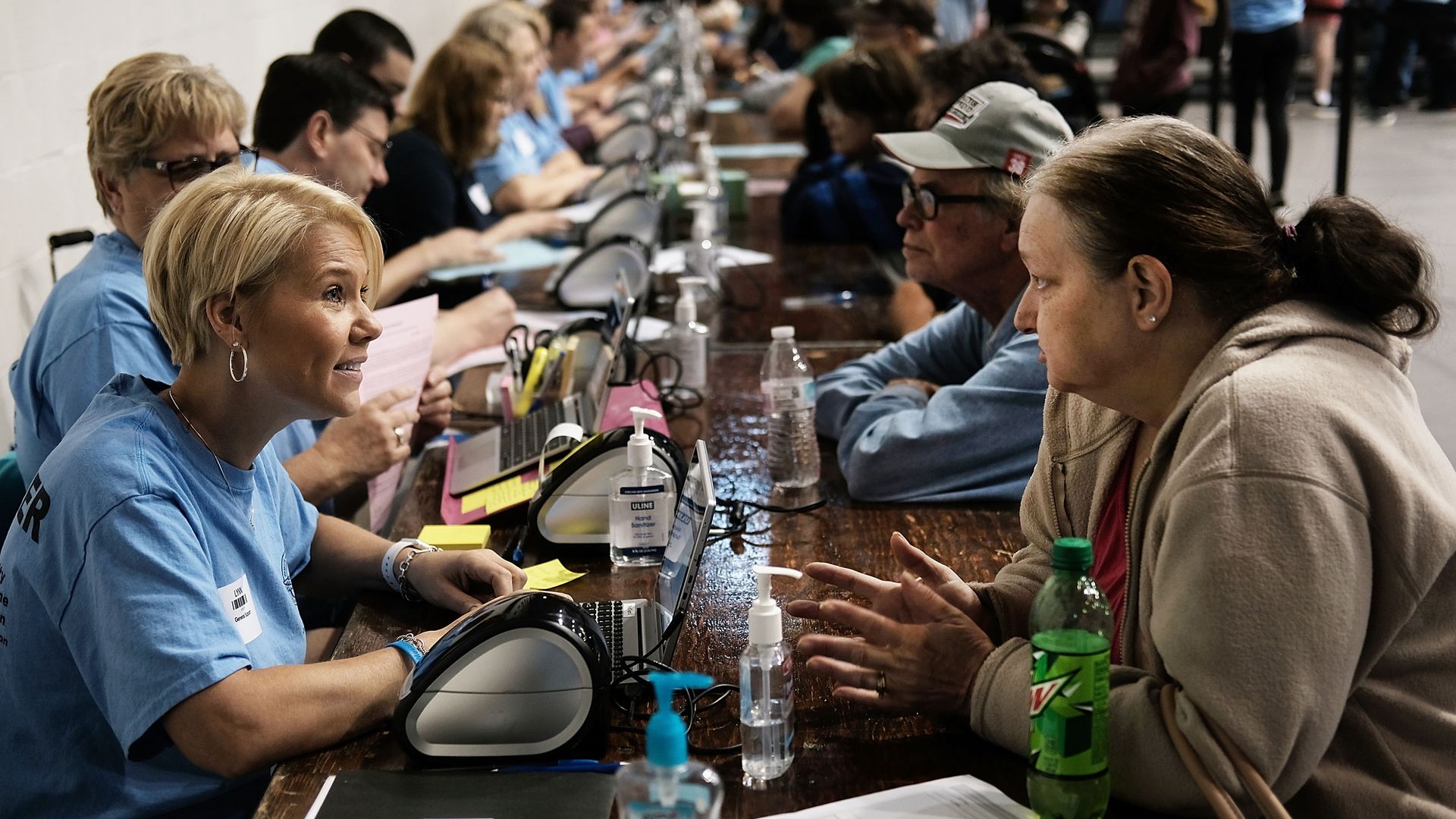
The Affordable Care Act’s insurance marketplaces will be more competitive next year than they were this year, according to a report yesterday from the Kaiser Family Foundation.
Yes, but: 2018 was the low point for ACA competition. The marketplaces still aren’t back to where they were in their best years — 2015 and 2016, when only a handful of ACA customers didn’t have a choice of insurers.
The Food and Drug Administration will announce today a series of actions aimed at cracking down on youth vaping, despite e-cigarette maker Juul's last-minute effort to self-police.
Between the lines: After years of warnings that flavored e-cigarettes appeal to young people, data finally drove the point home, prompting a Republican administration to move forward with an especially tough regulatory crackdown.