Reality check: Democrats have been criticized for a lot of things about the Affordable Care Act, which they passed over GOP objections. But this may be the first time they've been accused of not protecting people with pre-existing conditions, since the ACA does that and Republicans have been on the defensive ever since they tried to repeal it.
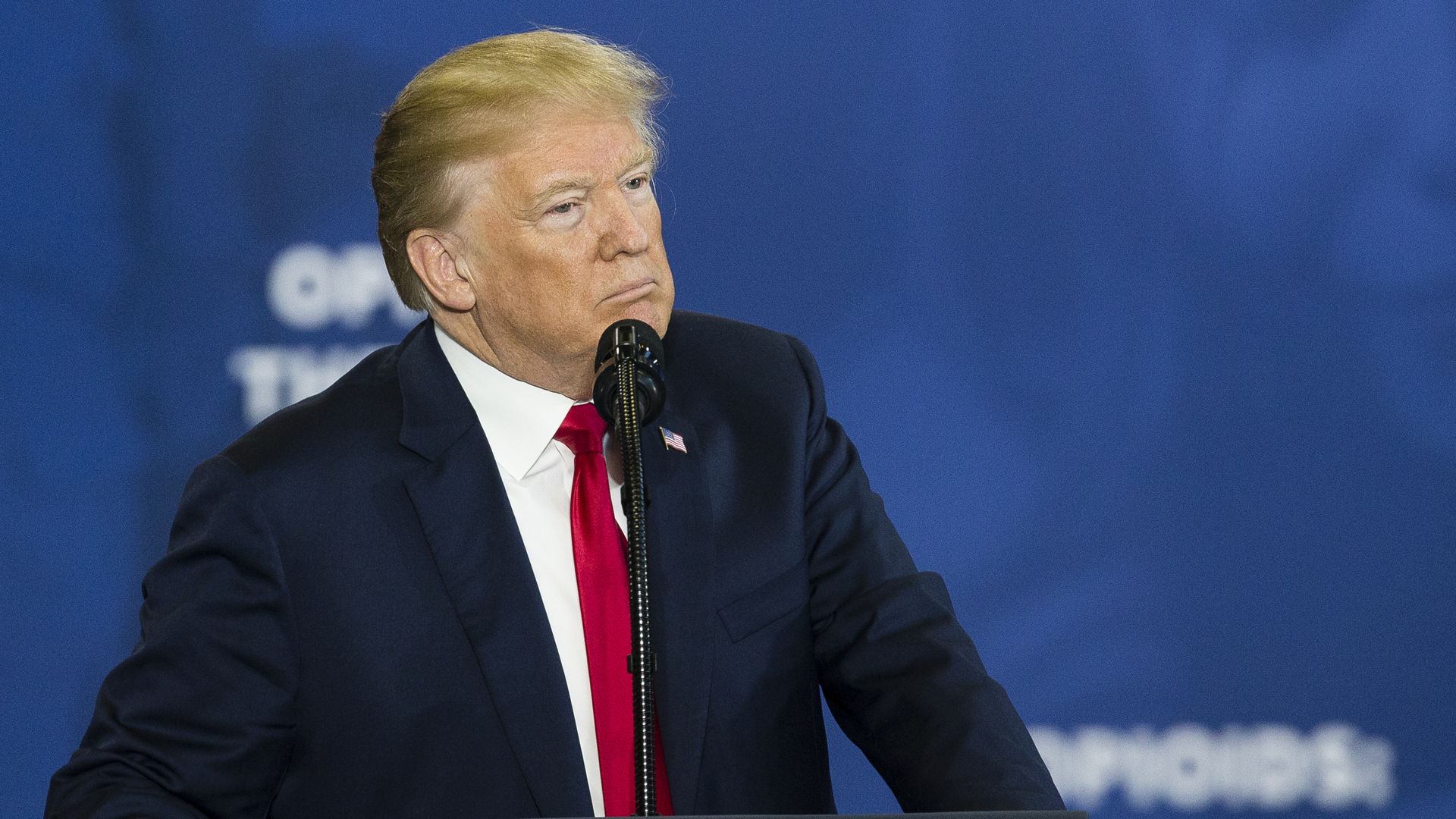
The number of overdose deaths in the U.S. “has begun to plateau,” Health and Human Services Secretary Alex Azar said yesterday, in advance of a White House event today at which President Trump will sign Congress' most recent opioids bill into law.
What's new: Preliminary data from the Centers for Disease Control and Prevention shows the death rate holding steady, after years of increases.
Americans are spending more money out of our own pockets every year on health care, and that trend is placing a bigger burden on poorer families than on wealthier ones.
By the numbers: The lowest-income households spend nearly 3% of their take-home pay on out-of-pocket health care costs, compared to about 1% for the wealthiest families, according to new research from the JPMorgan Chase Institute.
Express Scripts sent a notification this month to pharmacies saying its networks will expand to include "pharmacies predominantly engaged in mail-order practice" by the first quarter of 2019.
Why it matters: Express Scripts, which negotiates drug prices for 80 million Americans, may be opening the door for any mail-order pharmacy — including Amazon's newly acquired PillPack — to get full access to its large network, as long as the pharmacy agrees to Express Scripts' contract terms.
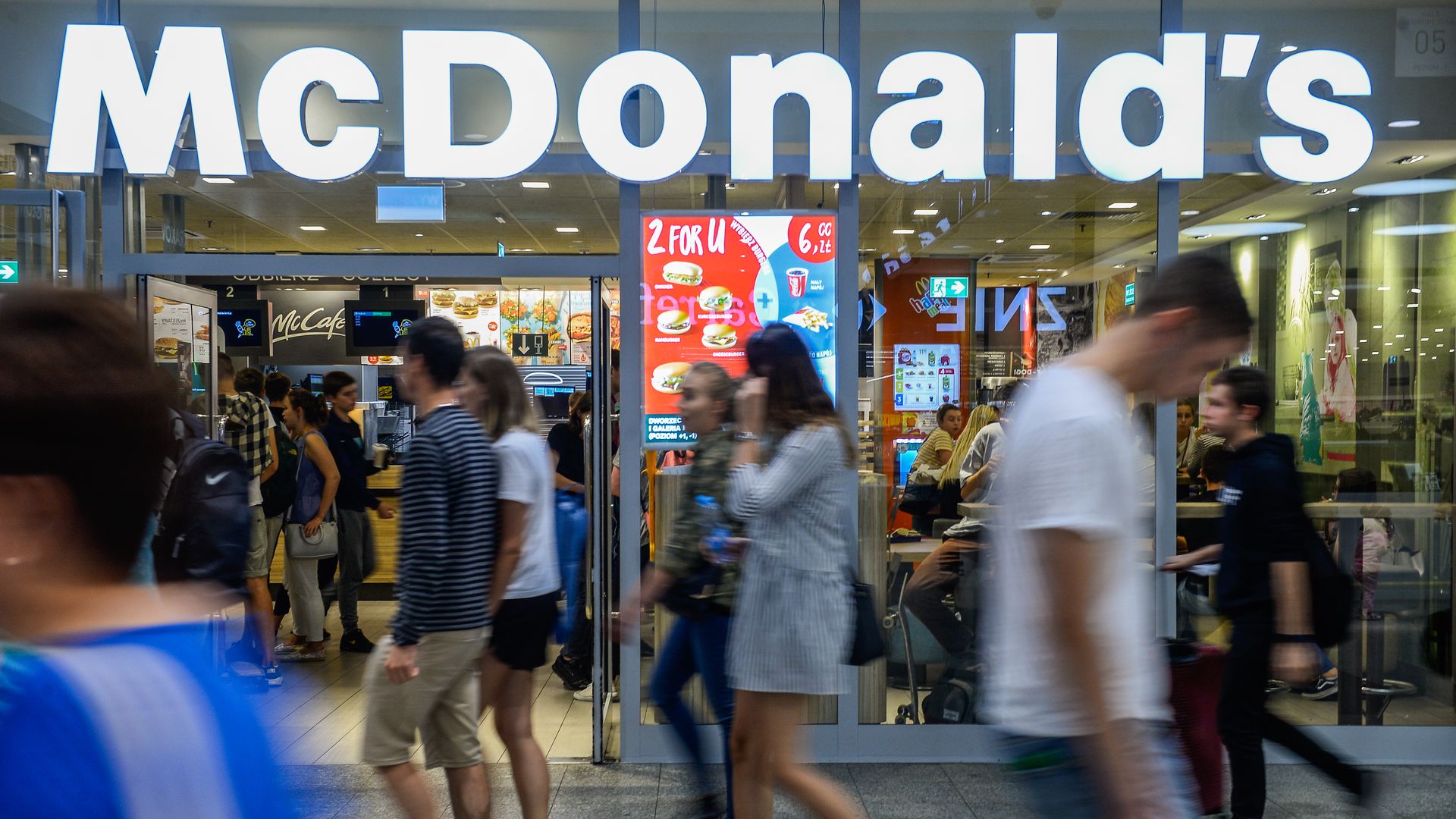
From 2013 to 2016, more than one-third of adults in the United States ate fast food or pizza every day, a new survey shows from the Centers for Disease Control and Prevention.
One key finding: The percentage of adults who consumed fast food increased with higher family income. 42% of families of four with a total income per year greater than $112,950 reported they ate fast food daily, compared to only 32% for families with a total income of less than $32,360.
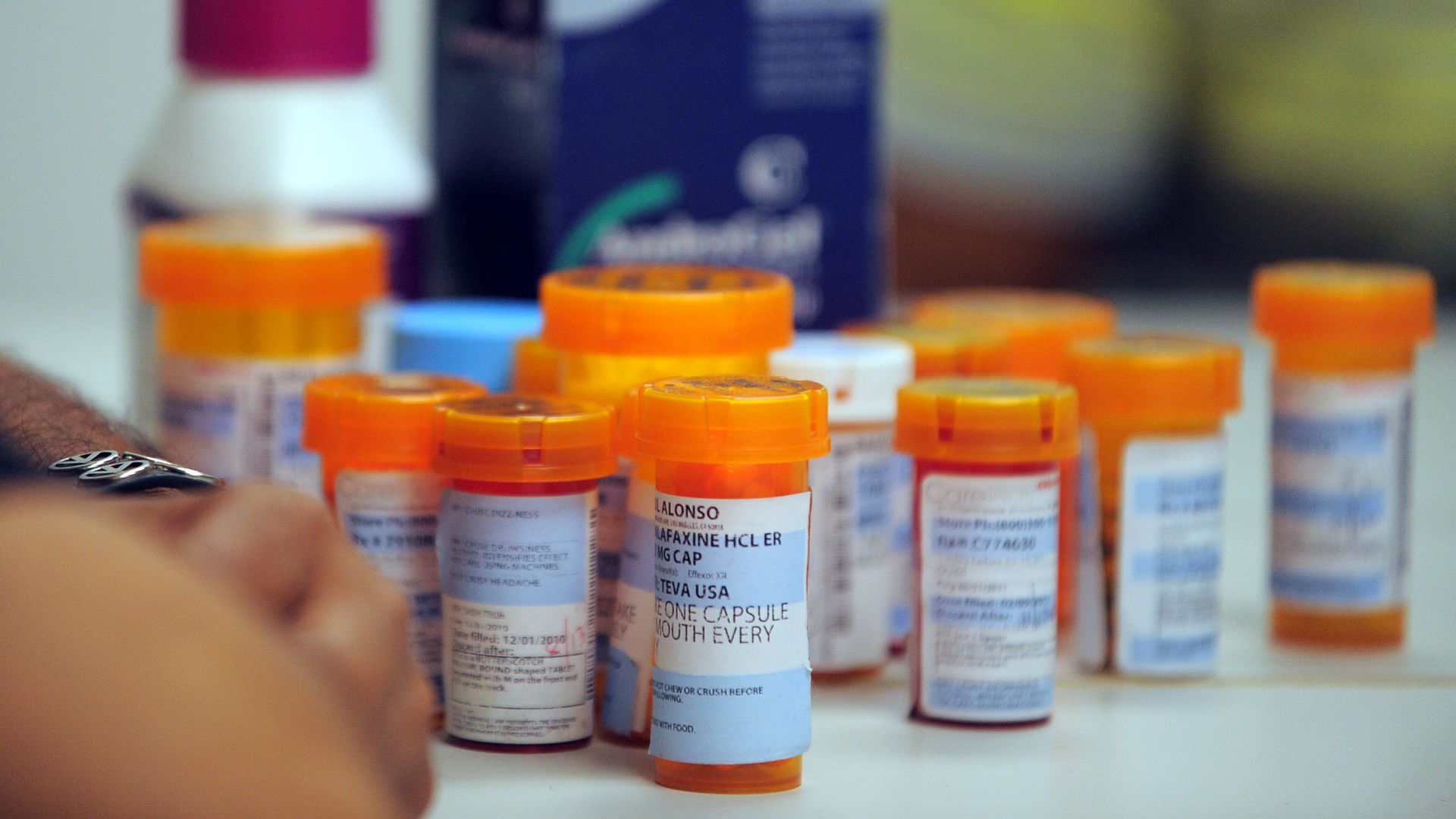
One of the Trump administration’s most concrete efforts to lower drug prices is an approach that’s been around for decades: approving more generic drugs. And it’s moving fast.
By the numbers: FDA approved 781 generic drugs in fiscal 2018. That’s 90% more than in 2014, when Congress provided new authorities designed to speed the approval process, according to a PwC report.
As in-the-weeds as a revised waiver process sounds, the practical effects of what the Trump administration announced yesterday could add up to one of its most substantive blows yet against the Affordable Care Act.
The big picture: These changes will likely cause more separation of healthy and sick people, but only in states that avail themselves of these new options — creating another level of segmentation between red and blue states.