The World Health Organization warned Thursday that security incidents continue to "severely impede" public health activities working to contain the deadly Ebola outbreak in the Democratic Republic of the Congo, where transmission is "intense" in some communities in the city of Beni.
Why it matters:Recent violence has halted education and vaccination campaigns several times, jeopardizing strides made in containing the outbreak, such as tracking contacts of infected people, educating wary community members and administering vaccinations.
Premiums for insurance sold through the Affordable Care Act are going down next year, for the first time in the law’s history. But they could be going down even more, if not for some of the Trump administration’s policy choices.
By the numbers: Across all insurance plans that comply with the ACA — whether they’re sold through the exchanges or not — premiums are about 6% higher than they otherwise could have been, according to a new Kaiser Family Foundation analysis.
The Trump administration’s latest plan to reduce U.S. drug prices is to import some of the price controls imposed by Europe’s single-payer health care systems.
Driving the news: The plan that HHS outlined yesterday would apply to drugs administered by a doctor, not the kind you pick up at a pharmacy.
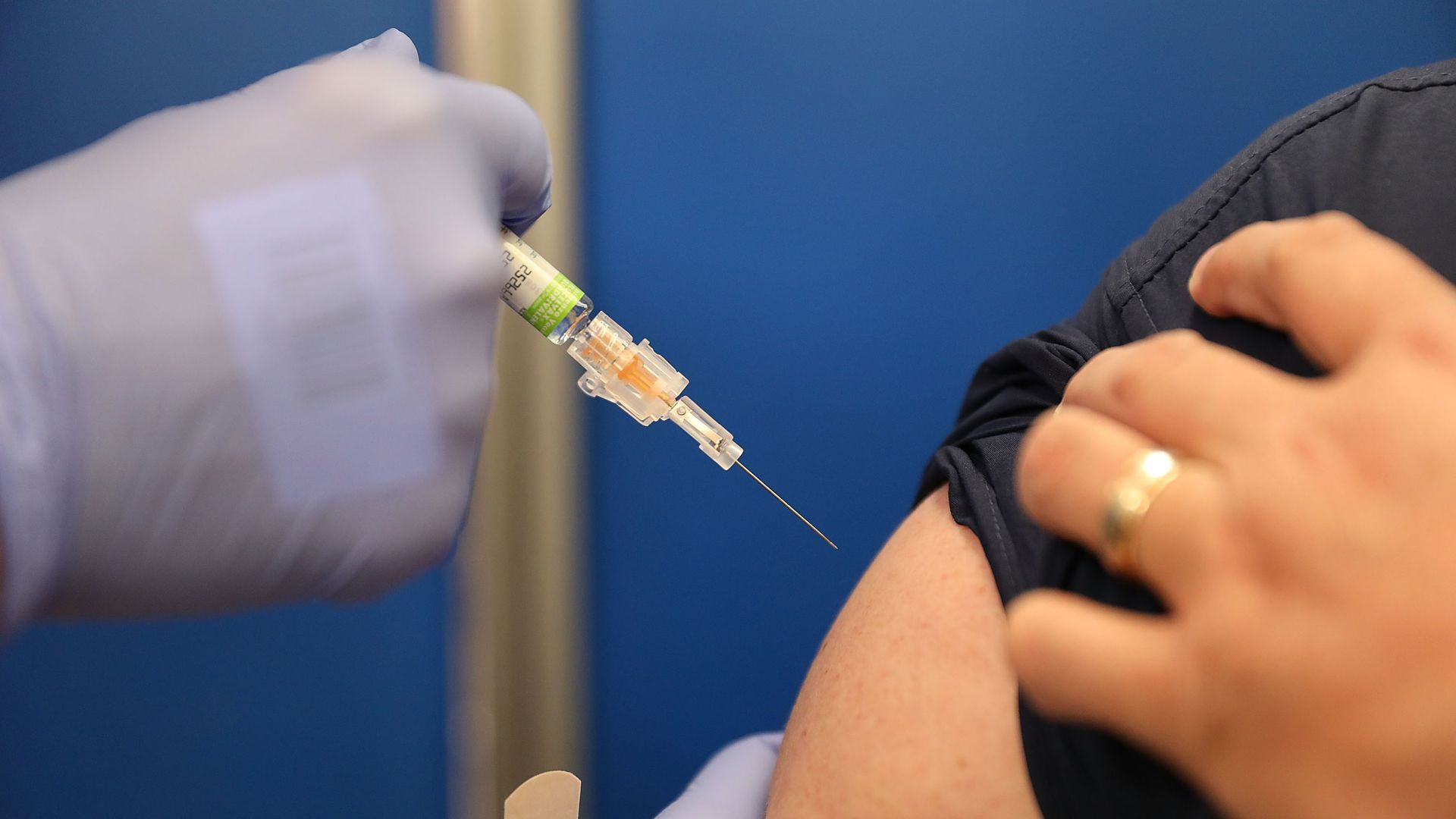
Only 37% of Americans got vaccinated for the flu last year, which is said to be one of the deadliest seasons in decades, according to a new report released Thursday by the Centers for Disease Control and Prevention.
Why it matters: The report suggests that a 6.2% drop in vaccination from the previous season could be factor behind the severity of last year’s season. The epidemic killed an estimated 80,000 Americans — the highest level for at least four decades. At least 180 children, 80% of whom were not vaccinated, were killed and there were 900,000 hospitalizations.
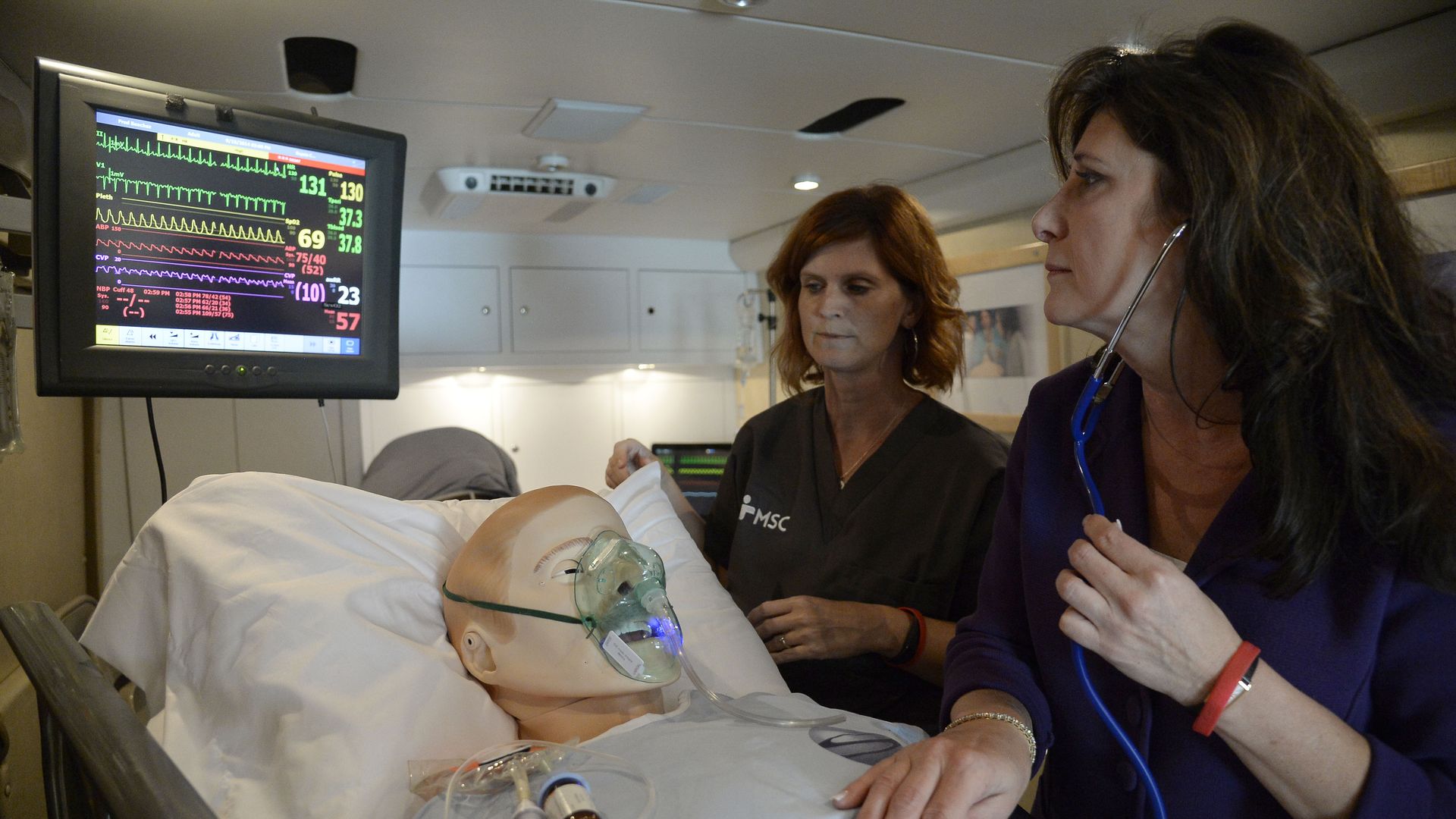
Combatting sepsis — the body-wide immune response to an infection that can lead to amputations, the loss of organs or death — continues to elude researchers, who are trying to develop a consistent and effective treatment.
Why it matters: Sepsis affects more than 30 million people worldwide every year, killing roughly 6 million. But, it's tricky to treat and quick to develop, leaving doctors with little option but to flood the body with multiple antibiotics and other therapies once the blood infection has developed.
President Trump took aim at what he called "global freeloading" today as his administration began to roll out a plan that would change the way Medicare pays for certain drugs.
How it works: Other industrialized countries pay much less for many prescription drugs than the U.S. does. Under the administration's proposal, Medicare's payment rates would be based on those international prices.
Medicaid spending is rising even though enrollment is flat, according to the Kaiser Family Foundation’s annual survey of state Medicaid directors.
Why it matters: This is unusual.Historically, enrollment is the key driver of overall Medicaid spending, and the two have tended to rise or fall roughly in tandem.
The rising price of insulin has created a multibillion-dollar business for the pharmaceutical oligopoly that controls the market — and a deep sense of anger and fear among people who need the drug to stay alive.
The big picture: Insulin pricing is especially urgent because it's an old drug with no alternatives that millions of people depend on. But unless drug makers voluntarily lower their prices, after raising them for years, there's no easy path to make insulin more affordable.