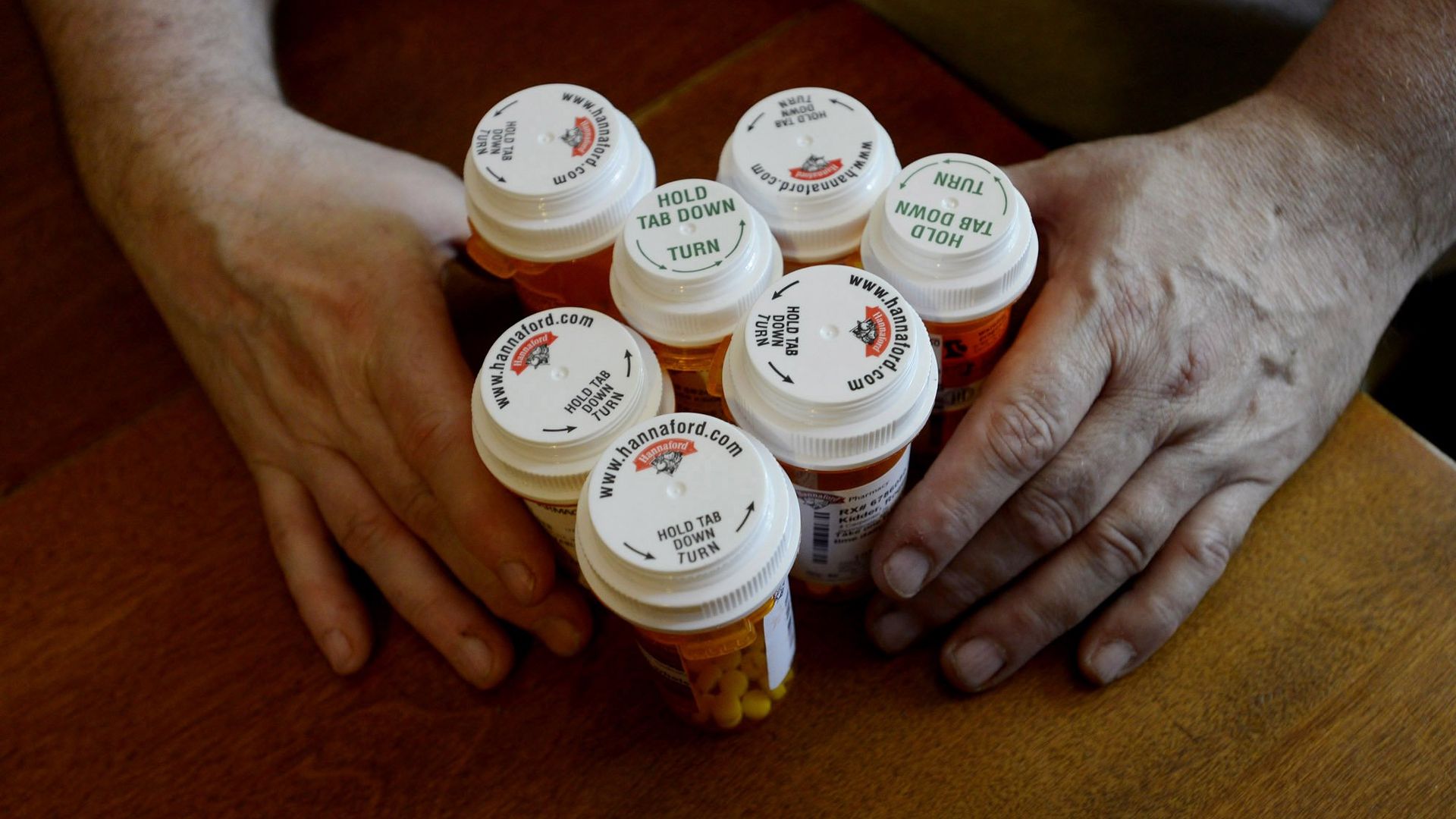
Merck said Thursday it is lowering the prices of a handful of unnamed drugs by 10% and dropping the price of hepatitis C medication Zepatier by 60%. The pharmaceutical company also said it would cap the "average net price" of some drugs at inflation.
Between the lines: Merck's moves come right after Novartis and Pfizer made separate pricing decisions. However, while lower list prices will help patients, Merck can still raise prices whenever it wants. And the 60% price cut to Zepatier won't matter a lot because Zepatier has lost considerable market share to other hepatitis C drugs.
Californians will pay an average of 8.7% more next year for health insurance sold through the Affordable Care Act, and many consumers who are willing to switch plans won't see any premium increase at all, the state said today.
Why it matters: California's rates continue a trend of smaller-than-expected premium hikes. The fact that the ACA's individual mandate won't be enforced next year drove up premiums by an average of 3.5%, despite earlier fears of double-digit hikes and dwindling competition.
The Trump administration's next steps on drug pricing could come quickly: The White House budget office is reviewing a new proposal to change the way pharmacy benefit managers — the middlemen between drugmakers and the pharmacy counter — get paid.
What I'm hearing: Even by the standards of the drug supply chain, this is likely to be an extremely complex and in-the-weeds rule. It's not entirely clear how much of PBMs' payment structure the administration can change on its own, without any help from Congress.
Nearly half of Americans find it harder to afford basic necessities than one year ago, and 49% say health care is their top cost concern this year, according to new polling from Navigator Research.
Why it matters: People might feel better about the economy under President Trump, but health care remains a significant midterm issue across the country. That's not good for Republicans — those polled said they trust Democrats by a 16-point margin to fix the rising costs.
Pharmaceutical companies attempt to maximize their Medicaid sales by luring doctors with consulting fees and dinners, and by paying speakers to testify positively about their drugs, according to an investigation from The Center for Public Integrity and NPR.
Go deeper: Read the story, which outlines how one doctor in Arizona who promoted schizophrenia drugs received $700,000 from the industry.
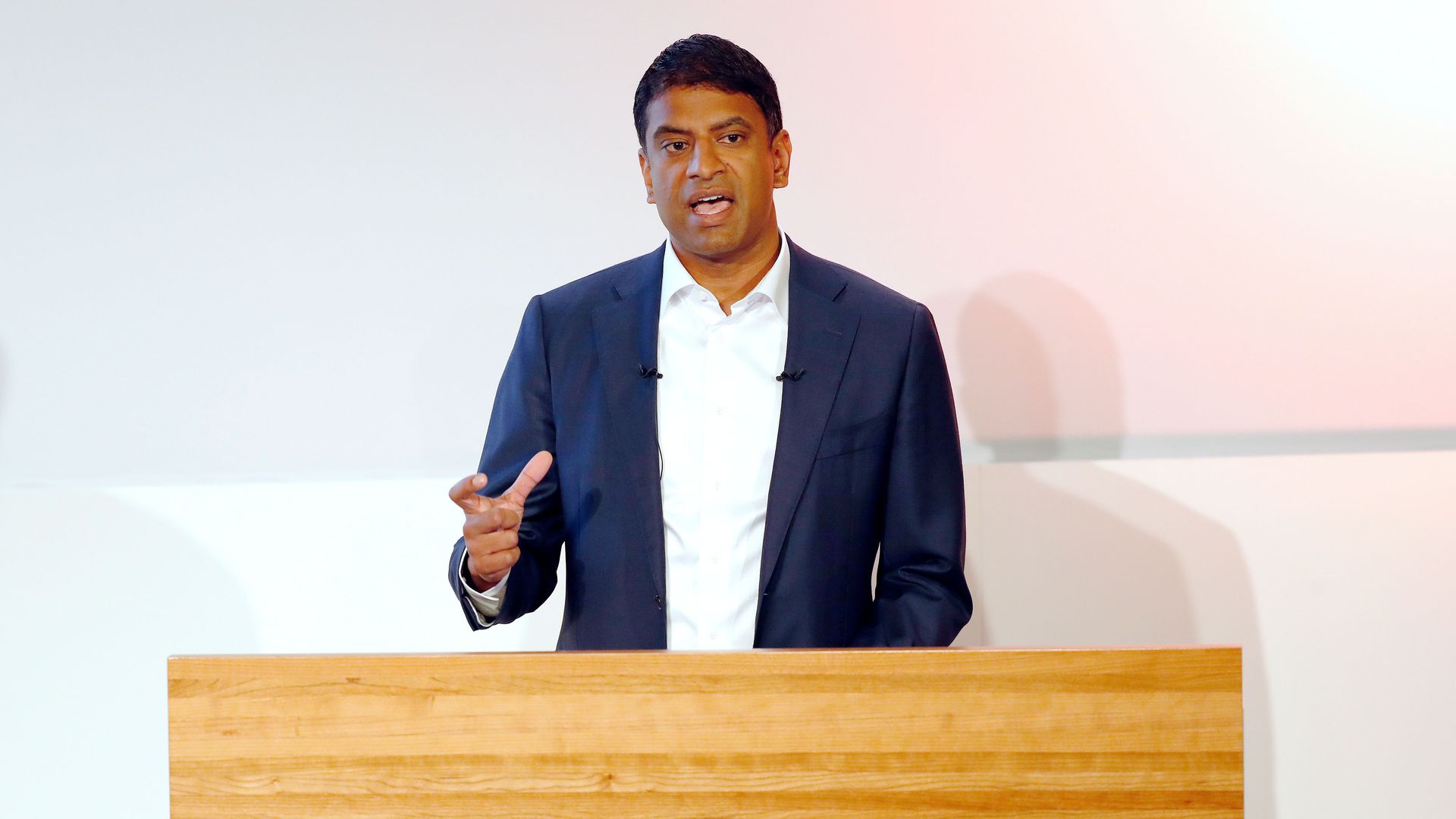
Multinational drug conglomerate Novartis won't raise prices on its drugs for the rest of this year, CEO Vas Narasimhan said on an investor call Wednesday.
Why it matters: Novartis' decision comes roughly a week after a Senate report found the company and Michael Cohen, President Trump's former personal attorney, had closer ties than Novartis originally explained. Novartis' pause on drug price hikes also follows Pfizer's decision to delay prices increases on its drugs after Trump sent out critical tweets. But the underlying practices of the drug industry have not changed.
The opioid crisis tearing through communities across America has kept working-age men and women out of the labor force at a rate that is hurting the national economy, according to Federal Reserve Chairman Jerome Powell.
Why it matters: Labor force participation is used to calculate the unemployment rate released by the federal government each month, with people not considered to be in the workforce — including those incapacitated by addiction — left out of the overall percentage. Per CNBC, this could present "a potentially skewed picture of the employment situation."