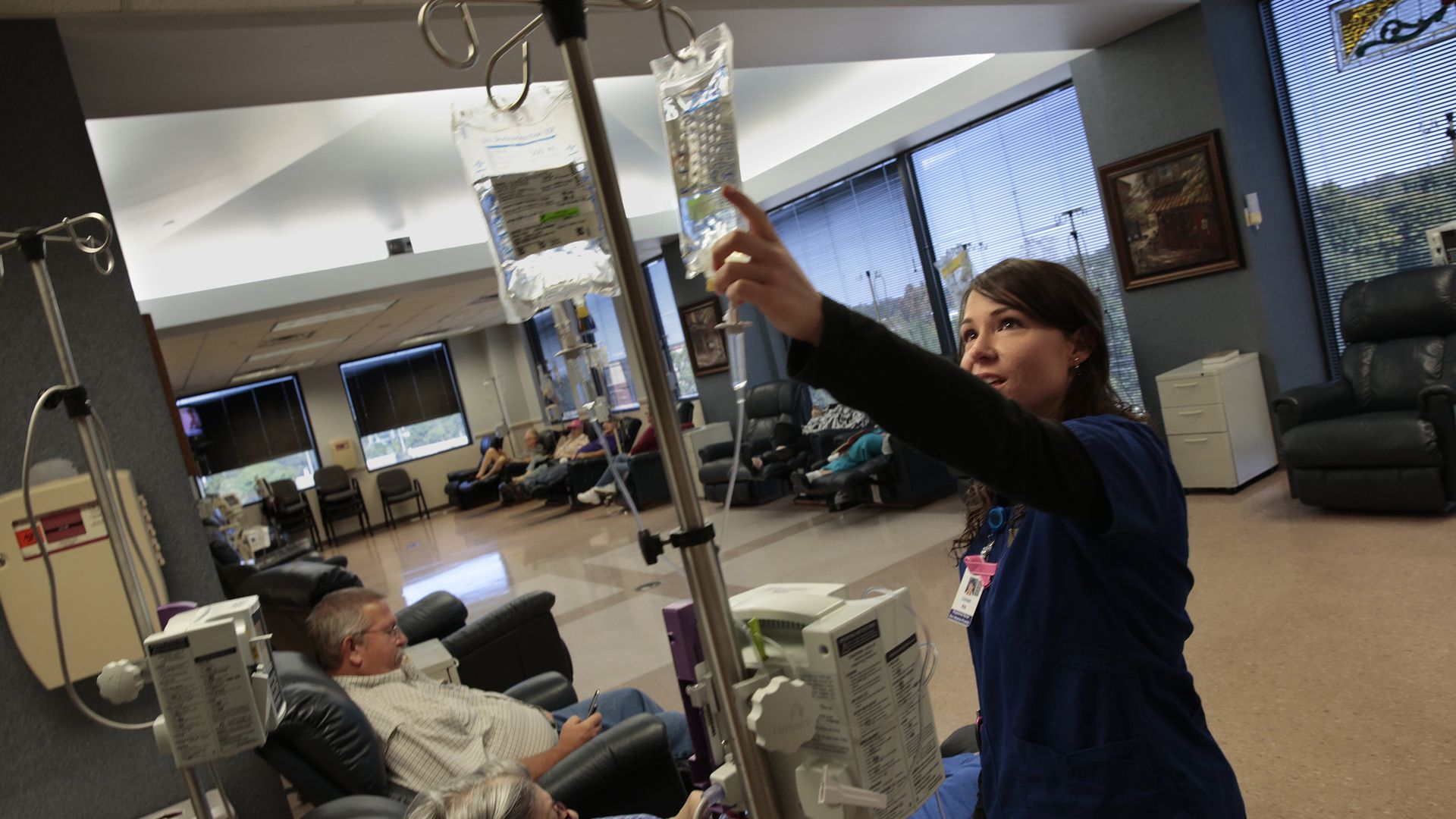
Three federal appeals court judges in D.C. today unanimously dismissed a lawsuit brought by hospitals over the federal 340B drug discount program. The court said a new policy that decreases certain drug payments to hospitals by 28.5 percentage points can proceed, because the hospitals sued before the cuts were technically effective.
The big picture: The cuts will cost hospitals $1.6 billion this year. The American Hospital Association and other plaintiffs said in a statement they plan to "refile promptly in district court."
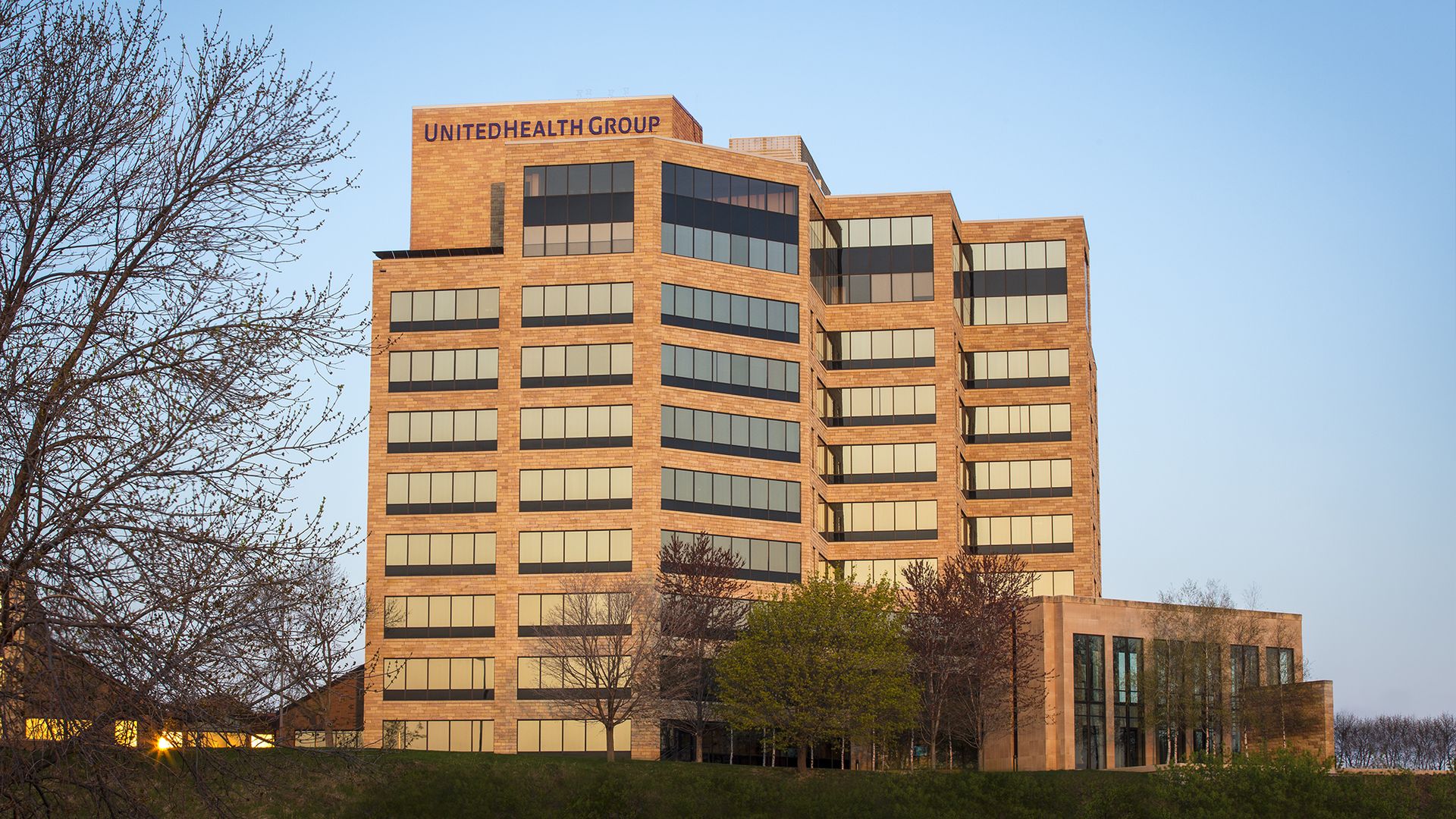
UnitedHealth Group posted another quarter above expectations, banking a $2.9 billion profit in the second quarter on more than $56 billion of revenue. The $2.9 billion in earnings was 28% higher than the same period last year.
Between the lines: The conglomerate continues to control more of the domestic and global health economy and is reaping huge amounts of cash in the process. But Wall Street actually sold off UnitedHealth's stock Tuesday because medical costs on the health insurance side were a shade higher than expected.
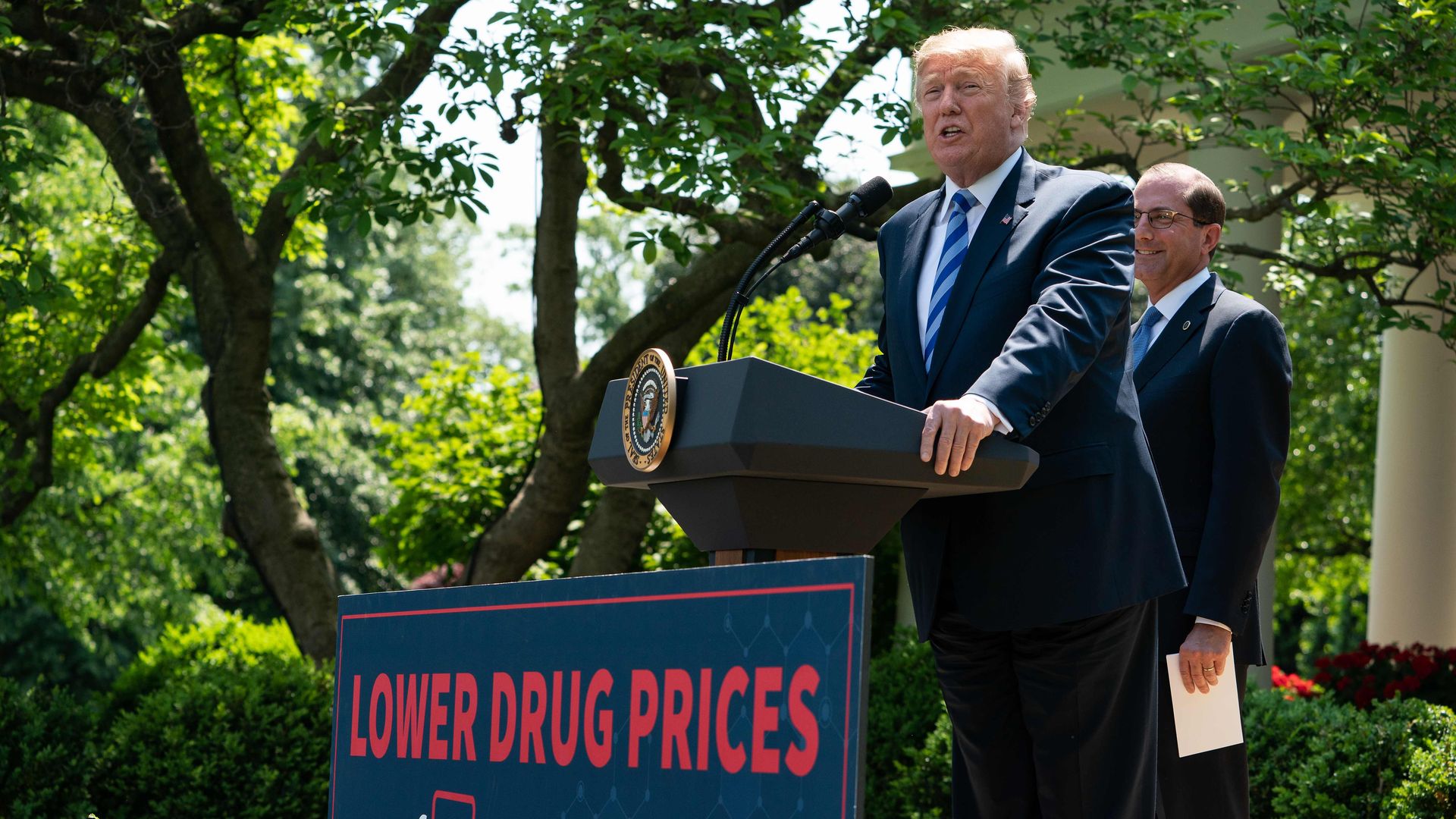
One common thread emerged in health care industry groups' comments on President Trump's plan to lower drug prices: The problem is someone else's fault.
The big picture: The only big area where the health care industry stands united is aversion to any kind of government price-setting.
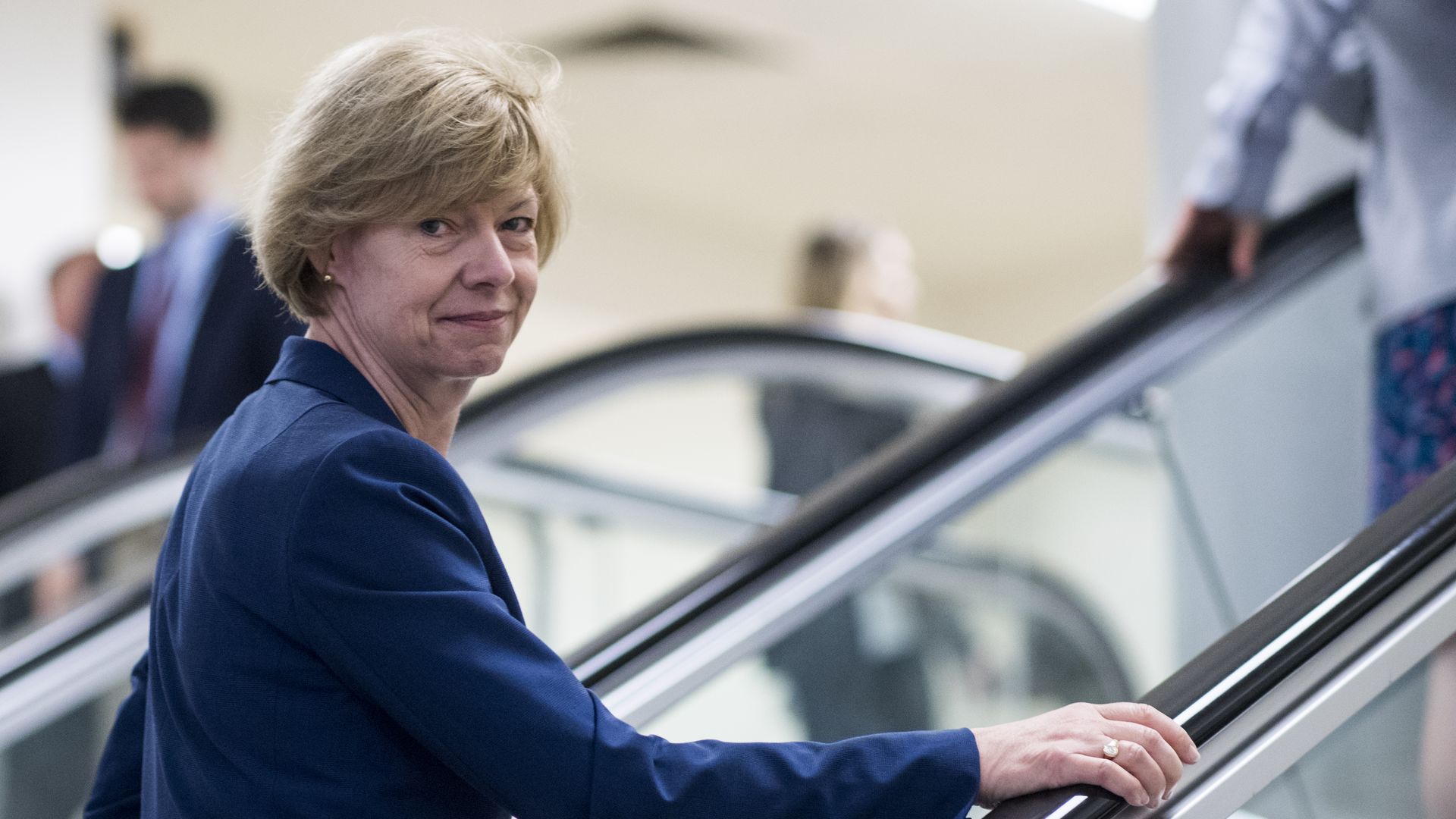
Democratic Sen. Tammy Baldwin wrote a letter to Pfizer CEO Ian Read on Monday, urging the pharmaceutical company executive to stop "playing games" and "make permanent price reductions" for its drugs.
The bottom line: Pfizer is under no obligation to change its deal with President Trump, who tweeted threats toward Pfizer after the company instituted mid-year price hikes on 100 products. But Pfizer only delayed those price increases until 2019, and didn't make any changes to underlying pricing practices.