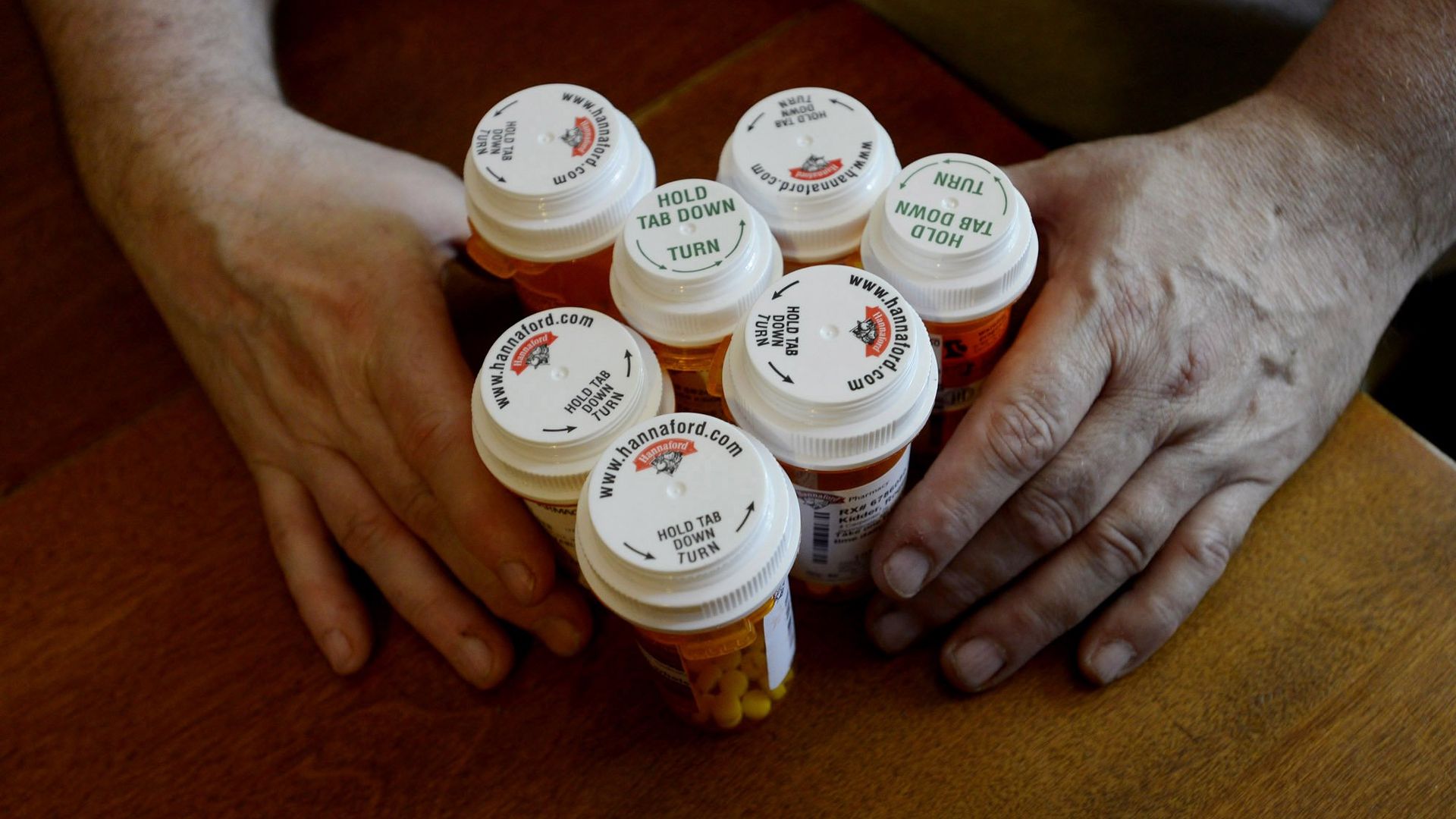
Pharmaceutical companies attempt to maximize their Medicaid sales by luring doctors with consulting fees and dinners, and by paying speakers to testify positively about their drugs, according to an investigation from The Center for Public Integrity and NPR.
Go deeper: Read the story, which outlines how one doctor in Arizona who promoted schizophrenia drugs received $700,000 from the industry.
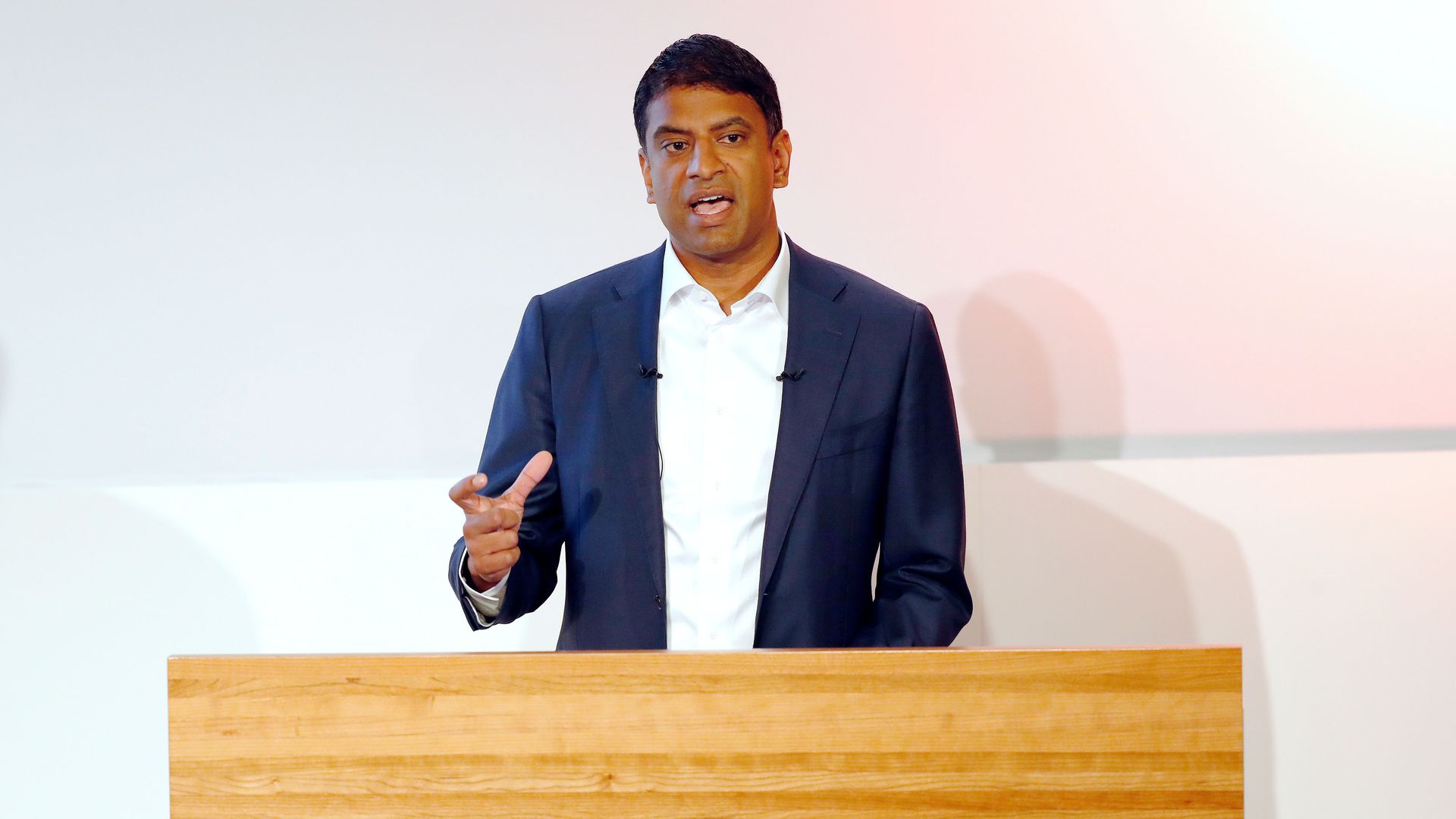
Multinational drug conglomerate Novartis won't raise prices on its drugs for the rest of this year, CEO Vas Narasimhan said on an investor call Wednesday.
Why it matters: Novartis' decision comes roughly a week after a Senate report found the company and Michael Cohen, President Trump's former personal attorney, had closer ties than Novartis originally explained. Novartis' pause on drug price hikes also follows Pfizer's decision to delay prices increases on its drugs after Trump sent out critical tweets. But the underlying practices of the drug industry have not changed.
The opioid crisis tearing through communities across America has kept working-age men and women out of the labor force at a rate that is hurting the national economy, according to Federal Reserve Chairman Jerome Powell.
Why it matters: Labor force participation is used to calculate the unemployment rate released by the federal government each month, with people not considered to be in the workforce — including those incapacitated by addiction — left out of the overall percentage. Per CNBC, this could present "a potentially skewed picture of the employment situation."
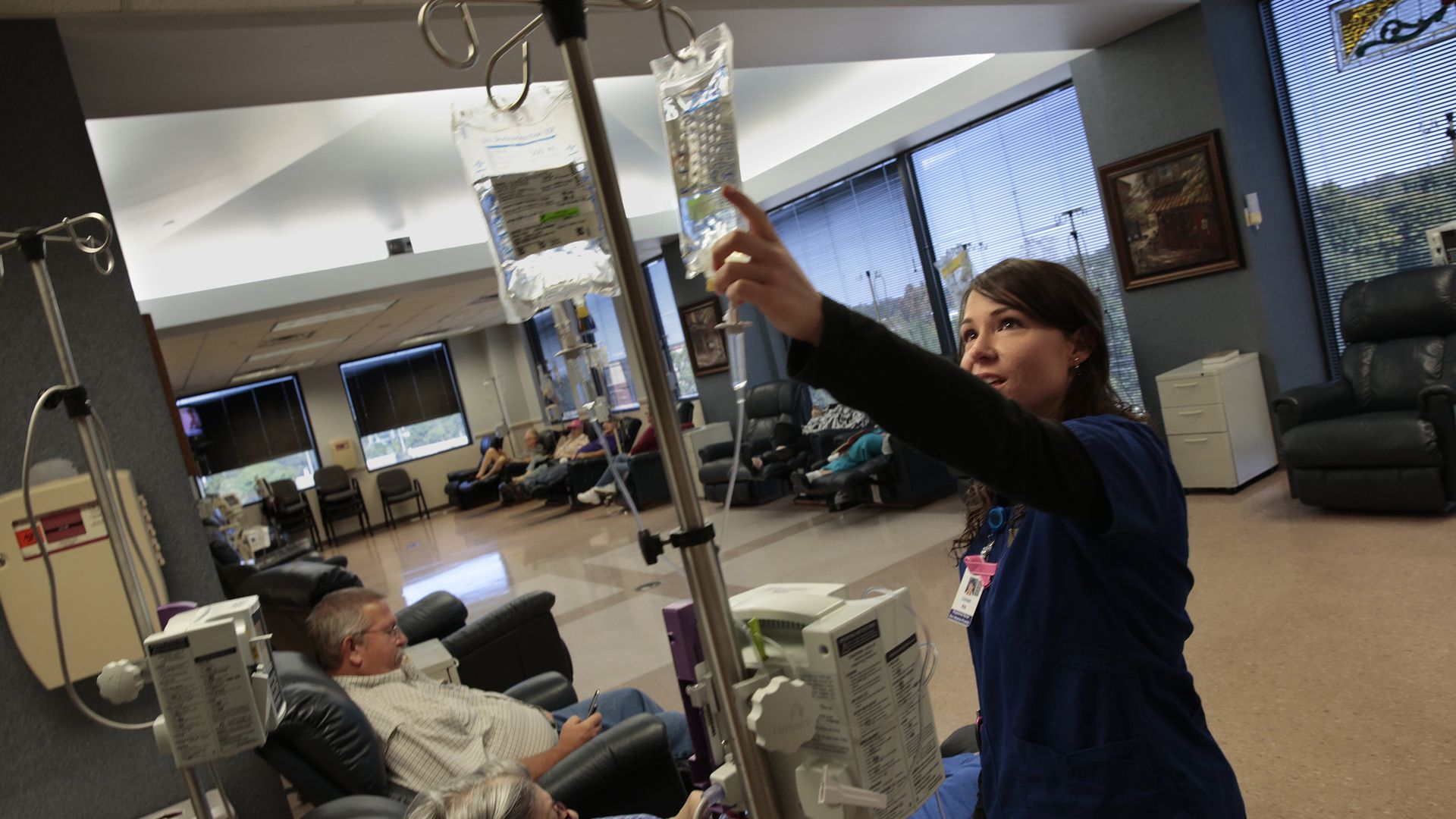
Three federal appeals court judges in D.C. today unanimously dismissed a lawsuit brought by hospitals over the federal 340B drug discount program. The court said a new policy that decreases certain drug payments to hospitals by 28.5 percentage points can proceed, because the hospitals sued before the cuts were technically effective.
The big picture: The cuts will cost hospitals $1.6 billion this year. The American Hospital Association and other plaintiffs said in a statement they plan to "refile promptly in district court."
UnitedHealth Group posted another quarter above expectations, banking a $2.9 billion profit in the second quarter on more than $56 billion of revenue. The $2.9 billion in earnings was 28% higher than the same period last year.
Between the lines: The conglomerate continues to control more of the domestic and global health economy and is reaping huge amounts of cash in the process. But Wall Street actually sold off UnitedHealth's stock Tuesday because medical costs on the health insurance side were a shade higher than expected.
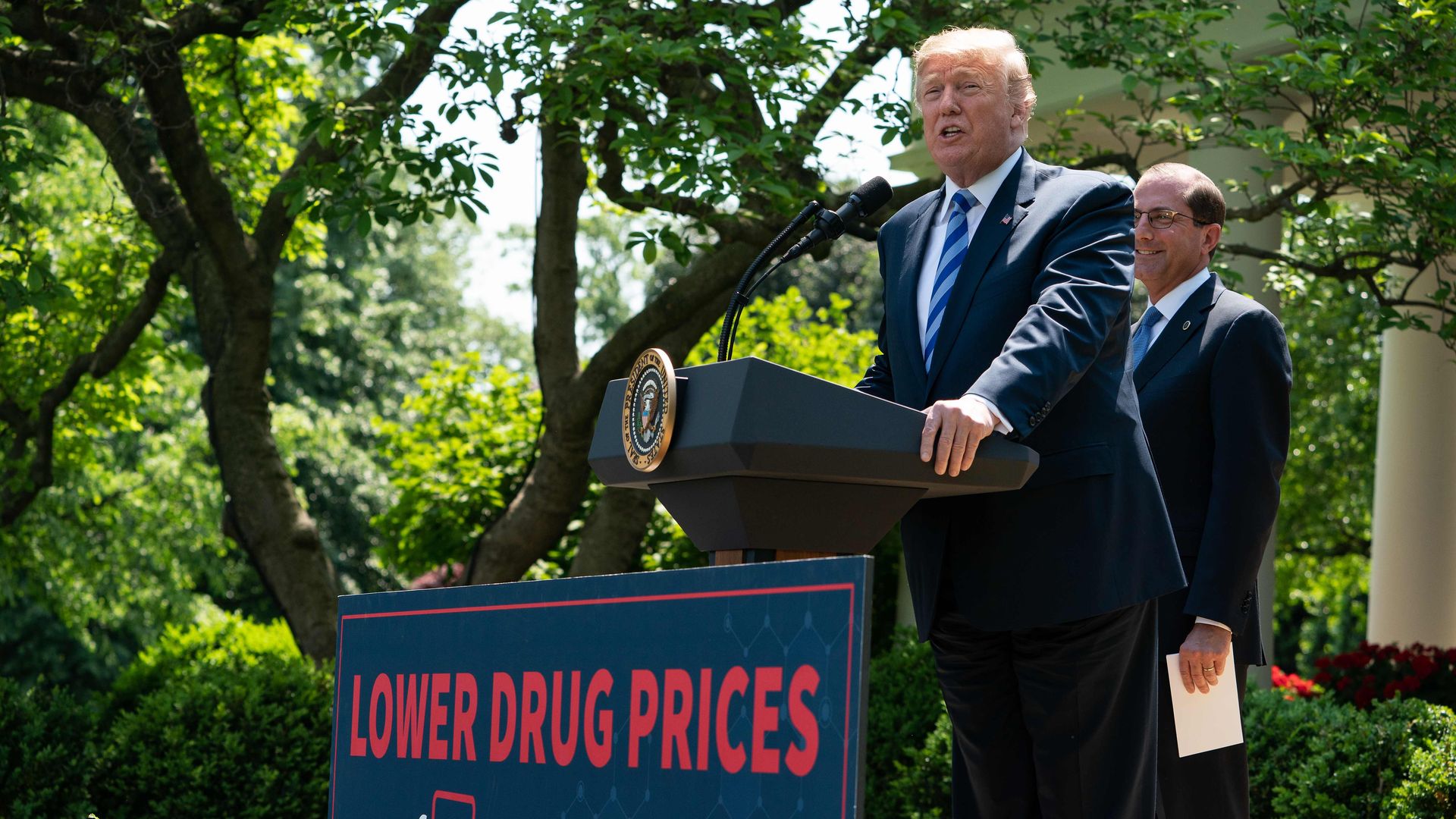
One common thread emerged in health care industry groups' comments on President Trump's plan to lower drug prices: The problem is someone else's fault.
The big picture: The only big area where the health care industry stands united is aversion to any kind of government price-setting.