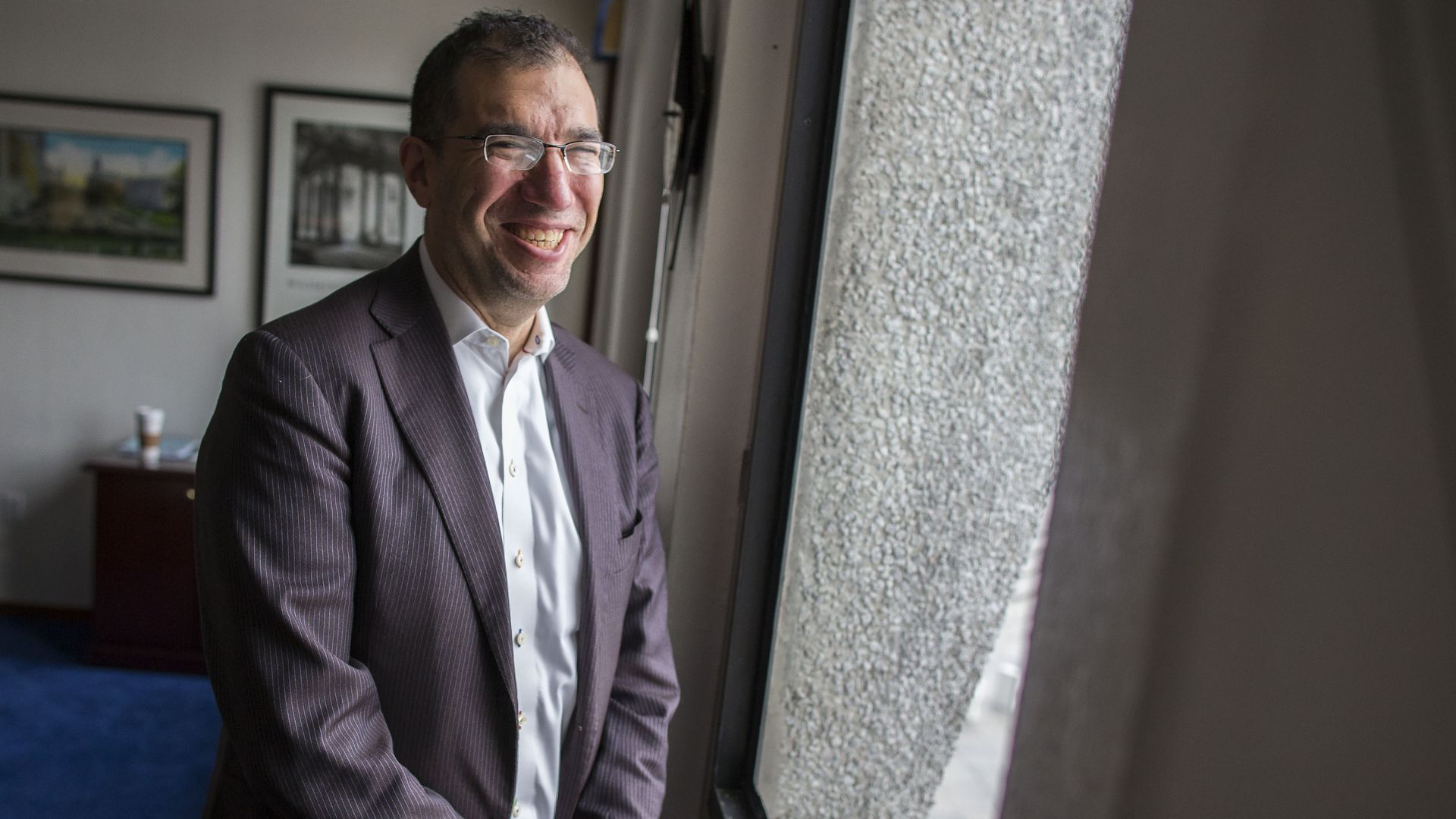
A new health care advocacy group called the United States of Care is bringing together a wide range of people — from actors Bradley Whitford and Andy Richter to billionaire Mark Cuban t0 prominent health care names like Atul Gawande and Bernard Tyson — to push for policies that would reduce the number of uninsured and underinsured people.
The bottom line: It's easy to form a new group but difficult to change the status quo in the health care industry. Success will be determined by actual policy ideas that are implemented and supported by voters.
Insurance companies are leaning hard on Congress to pass new reinsurance funding, hoping lawmakers might even take up such a measure this week as part of yet another short-term spending bill to avert a government shutdown.
How it works: Reinsurance directly compensates insurance companies for some of their most expensive claims, so they don’t have to make up for those costs by raising everyone’s premiums.
The GOP has been touting its repeal of the Affordable Care Act's individual mandate, one of the least popular pieces of the law. Yet this tax season, mandate enforcement is actually ramping up — and the White House is nervous about it.
Between the lines: This year, taxpayers will have to tell the IRS whether they had health care coverage — and pay a penalty if they didn't. Some Republicans worry the enforcement could awkwardly clash with their messaging about the mandate being gone.
Out of the gate, the new health care venture from Amazon, Berkshire Hathaway and JPMorgan Chase seems to be headed in the right direction — using new technology to provide their employees better value and health outcomes. That’s where things will start, but this could be a laboratory for a more sweeping transformation.
The big picture: To bring lower costs and better care to their employees and others, these companies will need to do more than deploy a modern technology overlay. They will have to better align payments and outcomes in health care across the board. If they accelerate this process, we will all benefit.
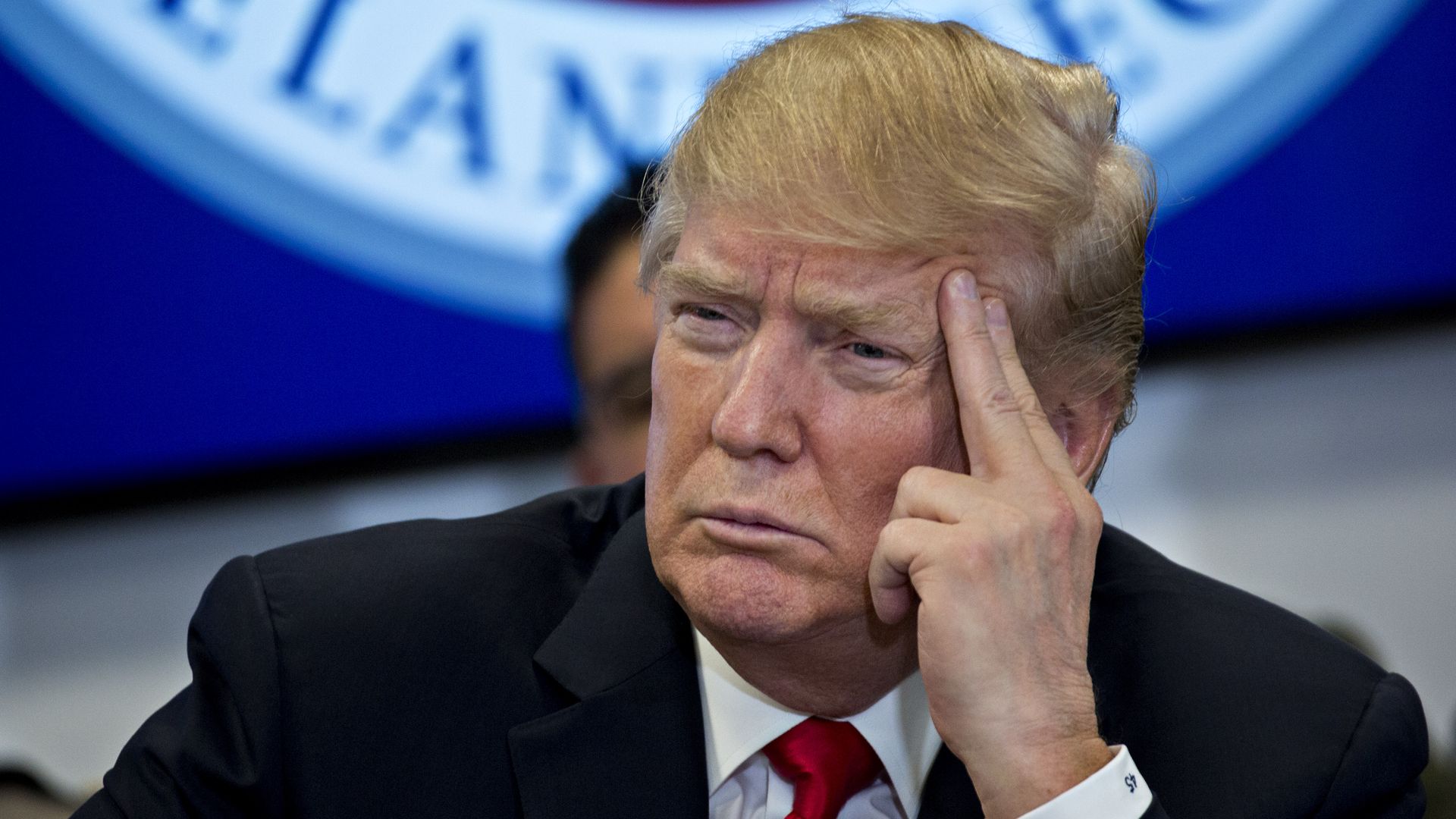
President Trump criticized Democrats this morning for wanting “universal health care,” citing the ongoing problems with Britain’s National Health Service. Funding shortfalls at the NHS have led to such long delays that some patients are being turned away from hospitals.
Yes, but: Universal coverage means everyone’s covered; it’s not necessarily the same thing as a single-payer health care system like the NHS. And it’s a goal Trump has repeatedly endorsed in the past.
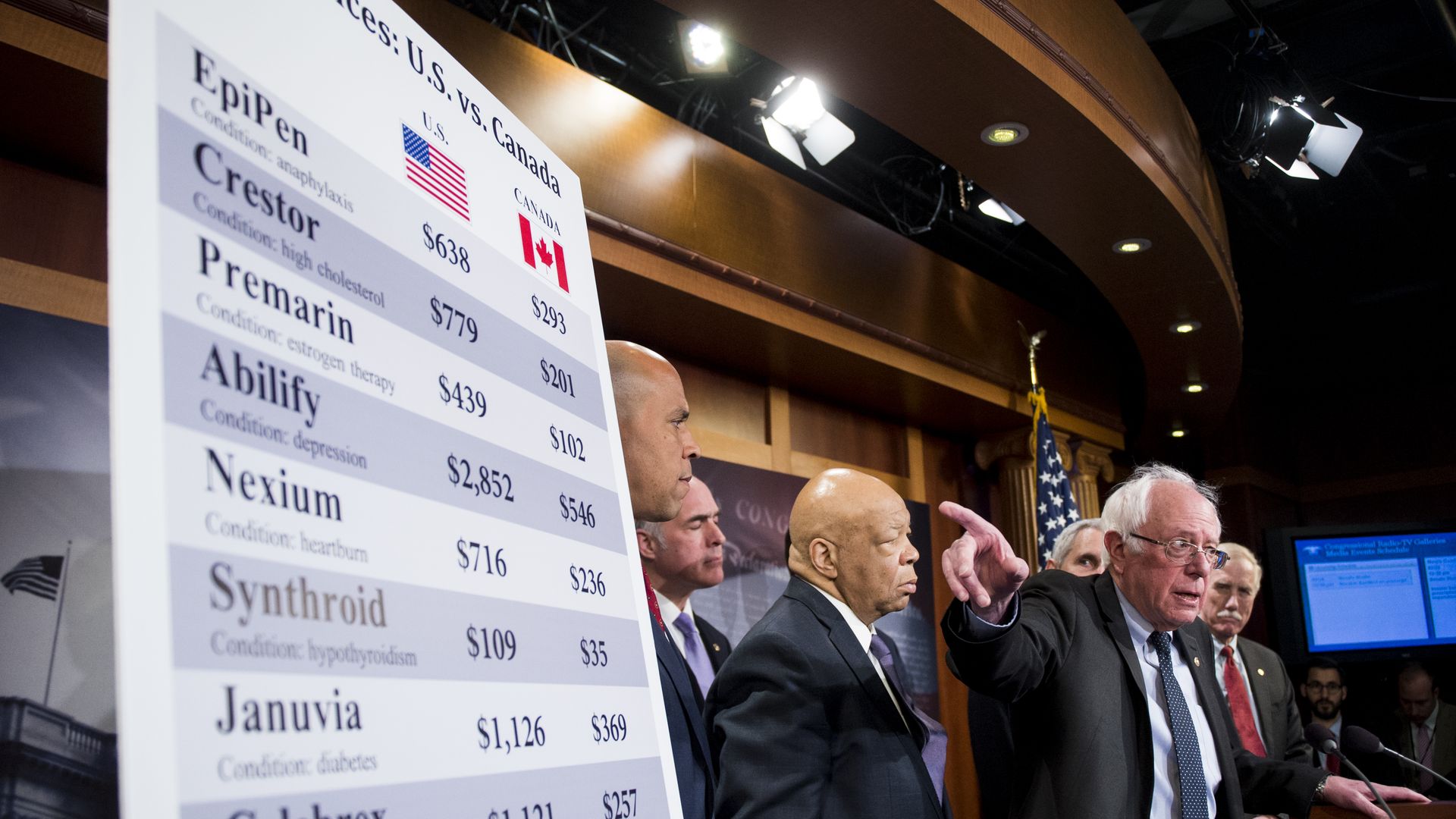
Some Democratic-leaning advocates are working hard to keep drug pricing at the center of the political debate as we head toward this year’s midterms — and it may not be that hard of a sell.
The latest: New polling data from the advocacy group Patients For Affordable Drugs shows widespread support for more action on drug pricing — a popular campaign promise of President Trump’s, but one that hasn’t gotten a ton of traction yet in Washington.