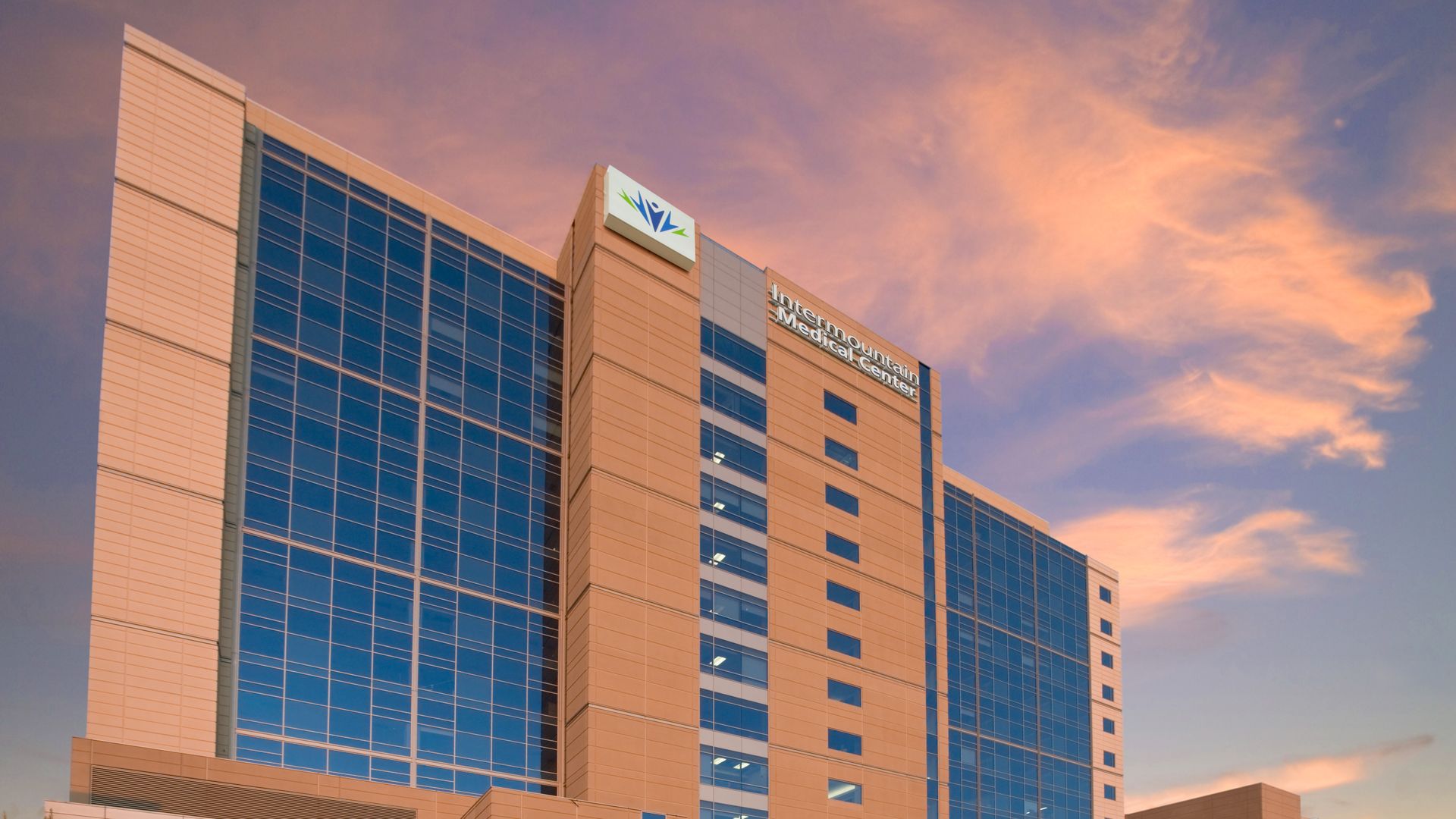
Four not-for-profit hospital systems that own 10% of U.S. hospitals — Intermountain Healthcare, Ascension, SSM Health and Trinity Health — are banding together to create a new generic drug company. The Department of Veterans Affairs also is helping and has expressed interest as a purchaser.
Why it matters: Generic drug makers will have a new competitive threat with this first-of-its-kind hospital venture. Marc Harrison, a doctor and the CEO of Intermountain, said drug shortages and high drug prices spurred this action.
Congress is once again poised to delay the Affordable Care Act's "Cadillac tax" on high-value employer health plans, and many economists are once again disappointed by the decision.
Between the lines: Messing with employer health coverage is politically treacherous, and that's why the Cadillac tax may never go into effect. But it's the ACA's main cost containment measure — meaning health care costs will keep climbing without a check economists deem important.
House Republican leaders last night unveiled their latest bid to keep the federal government open past Friday. It would fund the federal government for one month.
If this agreement can pass, health care seems like the key to passing it — the children's health program CHIP to peel off just enough Democrats, especially in the Senate; and delays in ACA taxes to help keep just enough conservatives from jumping ship.
Celgene is in discussions to buy Juno Therapeutics roughly a week after agreeing to acquire a separate drug company, the Wall Street Journal reports. Juno's market cap was $5.2 billion at the end of Tuesday, and its stock jumped more than 43% in after-hours trading, suggesting a deal value of about $7.5 billion.
Get smart: Celgene, which already had a relationship with Juno, wants to own a piece of CAR-T treatments, which use a person's own immune cells to fight off cancer and are expensive. Celgene also appears to be prepping itself for 2027, when its blockbuster blood cancer drug Revlimid loses U.S. patent protection.