Wednesday's health stories
Paul Ryan's latest bargaining CHIP
House Republican leaders last night unveiled their latest bid to keep the federal government open past Friday. It would fund the federal government for one month.
If this agreement can pass, health care seems like the key to passing it — the children's health program CHIP to peel off just enough Democrats, especially in the Senate; and delays in ACA taxes to help keep just enough conservatives from jumping ship.

Celgene may buy Juno Therapeutics
Celgene is in discussions to buy Juno Therapeutics roughly a week after agreeing to acquire a separate drug company, the Wall Street Journal reports. Juno's market cap was $5.2 billion at the end of Tuesday, and its stock jumped more than 43% in after-hours trading, suggesting a deal value of about $7.5 billion.
Get smart: Celgene, which already had a relationship with Juno, wants to own a piece of CAR-T treatments, which use a person's own immune cells to fight off cancer and are expensive. Celgene also appears to be prepping itself for 2027, when its blockbuster blood cancer drug Revlimid loses U.S. patent protection.
Ancient teeth hold clues to one of history's worst plagues
A mysterious illness that devastated native civilizations in the 1500s may have been identified, according to a paper published Monday in Nature Ecology and Evolution. “In less than a century, the number of people living in Mexico fell from an estimated 20 million to 2 million,” writes The Atlantic’s Sarah Zhang. The researchers found DNA from Salmonella enterica, which causes paratyphoid fever, in the teeth of 11 people.
Why it matters: Some scholars believe such plagues made it easier for the Spanish and English to conquer the complex, sophisticated nations that existed in the Americas before Columbus’ arrival. European colonists brought dozens of diseases to the Americas (and brought a smaller number back to Europe). Since native populations had no immunities, the pathogens swept through towns, killing millions long before the colonists themselves arrived.

A little known parasite is common on playgrounds
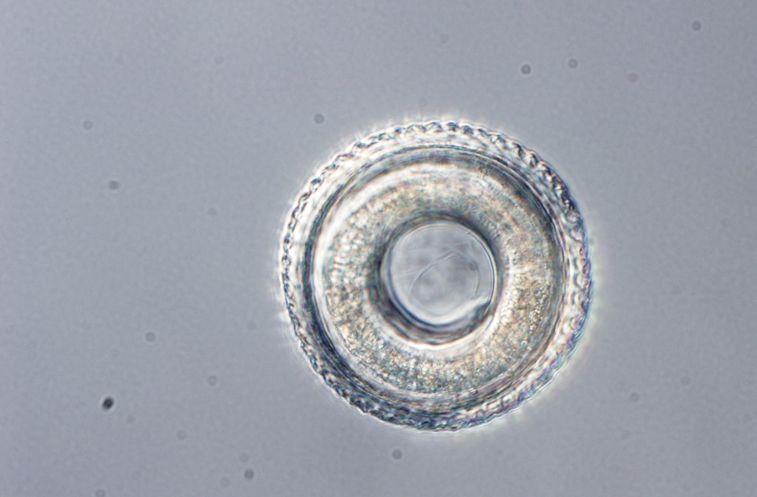
About 16 million people in the U.S. may have come into contact with Toxocara, an overlooked intestinal parasite that can cause developmental delays, breathing and vision problems, per The New York Times.
Why it matters: The common parasite can be found in playgrounds but there's a lack of research and funding to better understand it, The Times Laura Beil reports. The severity of the risk is unknown, and poor and minority populations are disproportionately affected, according to a 2017 report in the journal Clinical Infectious Diseases.

House spending bill would likely reauthorize CHIP for six years
House Republicans are expected to release a temporary spending bill as soon as today that includes a six-year renewal of the Children's Health Insurance Program, according to two House GOP aides. Republicans are also discussing delays for the Affordable Care Act's taxes on medical devices and health insurers, as well as the "Cadillac tax" on generous health plans, though the plan remains in flux.
What to watch: The reauthorization of CHIP has gotten easier now that the Congressional Budget Office has lowered its cost estimates for extending the program. But the spending bill is still caught up in broader political fights — especially over immigration — so this is not a done deal yet.

Pharma's accounting games
The largest U.S. pharmaceutical companies are among the most profitable entities in the world, but they also routinely report figures that paint a much rosier picture of their financials, based on a report from the bank Credit Suisse.
Why it matters: The Securities and Exchange Commission has warned companies not to use misleading financial statistics, or else face penalties.