The chief executive of Novo Nordisk, the Danish drug company known for its diabetes drugs, is worried about U.S. state measures that require drug pricing transparency and encourage price caps. CEO Lars Fruergaard Jørgensen said, per Reuters: "If the transparency bills lead to a disclosure level that is too excessive, it becomes difficult to do business, for instance, if we have to publicly share what is in our contracts."
Get smart: The Trump administration and Congress have not, and likely will not, touch drug prices in the near term despite the rhetoric. State ballot measures, like in Ohio and Nevada, are where the tangible action is.
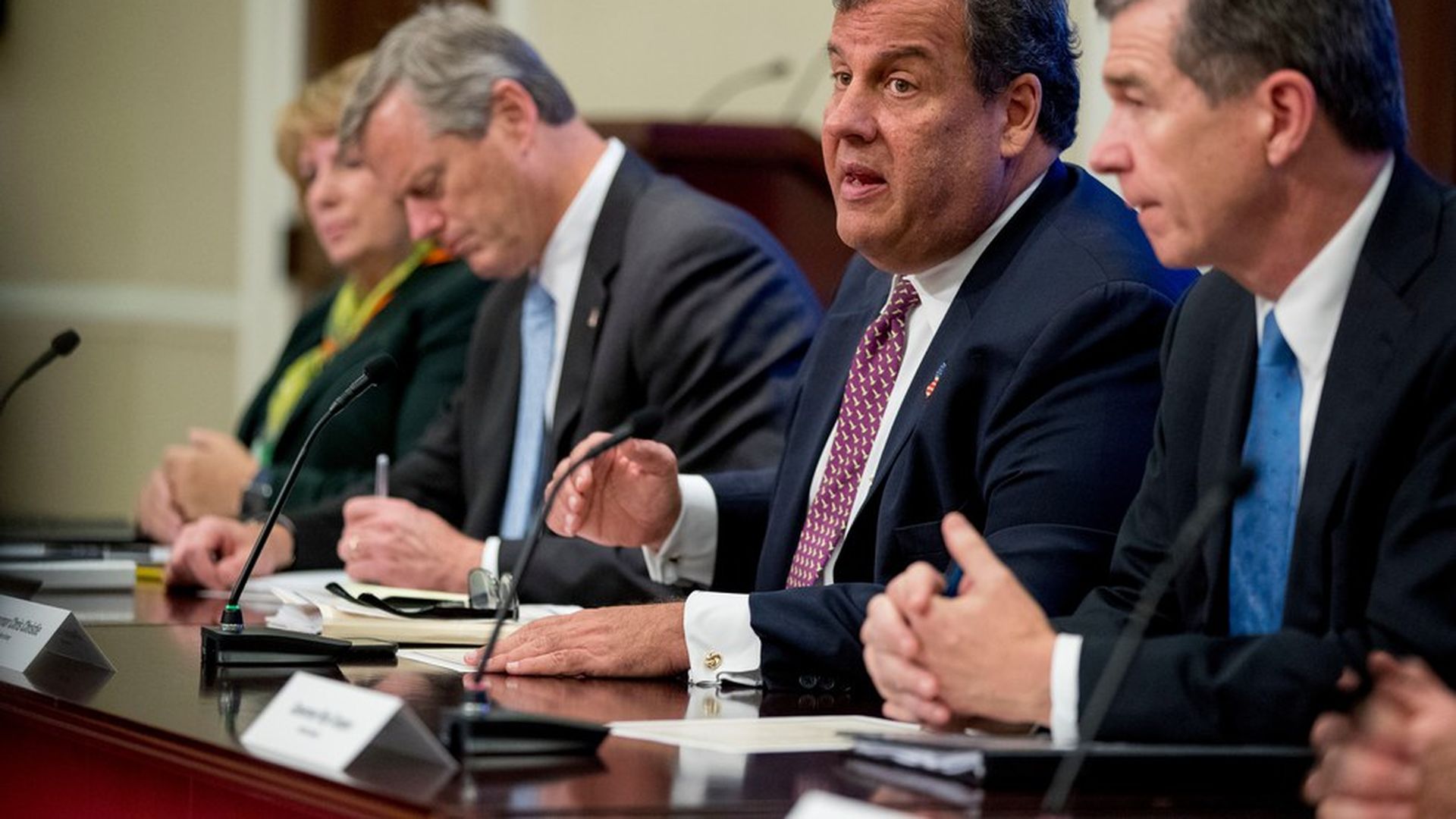
President Trump's Commission on Combating Drug Addiction and the Opioid Crisis, headed by Chris Christie, met this afternoon and announced their final plans for combatting the opioid crisis. They are urging for the establishment of drug courts in all federal districts and to expand access to rehabilitation programs for addicts. But they have not requested more than the $57,000 left in the Public Health Emergency Fund from Congress nor addressed health insurance expansion.
Why it matters: Public health experts have estimated that it would take $183 billion to effectively address the opioid crisis over the next 10 years, and while the panel admitted that the lack of funding is an obstacle, they didn't provide an estimate or specify where the funding should come from.
The Trump administration has approved a waiver from Iowa, effective Nov. 1, that says the state will not have to provide Medicaid coverage to low-income people for the three months prior to when they applied.
Between the lines: Conservatives say the waiver from Medicaid's three-month retroactive eligibility will encourage people to sign up for Medicaid quickly and prevent people from only applying once they are sick. But consumer advocates are worried the move, which will deny retroactive benefits to 40,000 Iowans to save $37 million, will lead to high medical bills for seniors and people with disabilities.