Tuesday's health stories

Akron's public schools to get opioid overdose antidote
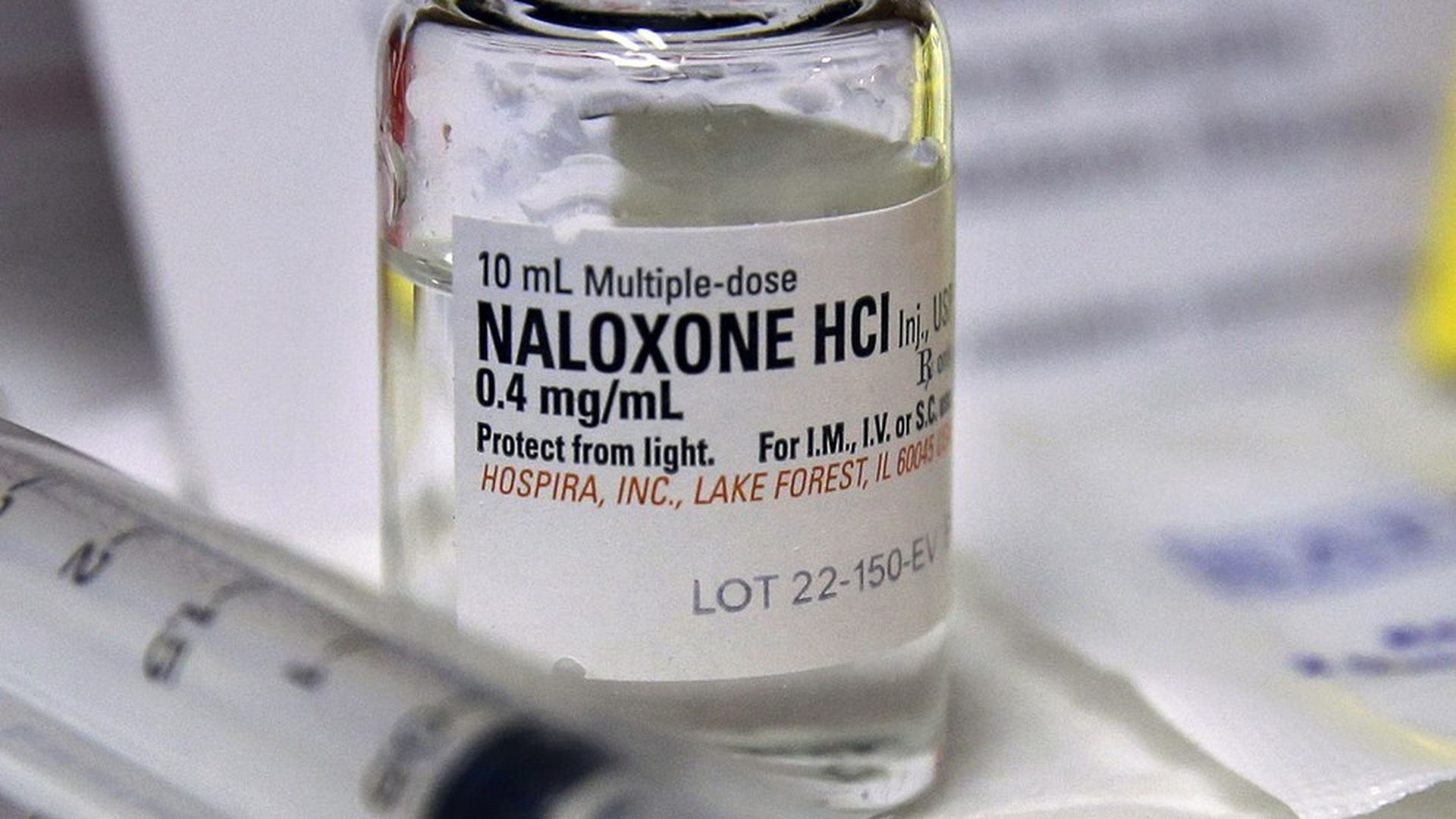
Officers in public middle and high schools in Akron, Ohio will be carrying opioid overdose antidote naloxone, also known as Narcan, starting this school year, per the AP. Ohio Gov. John Kasich signed a bill this year to allow schools to have naloxone on hand.
The maker of Narcan, Adapt Pharma Ltd., began offering one free carton of Narcan to all U.S. high schools last year. The schools in Akron will be getting two doses, per the Akron Beacon Journal.
States across the country also have various levels of requirements and supply, including Rhode Island, which requires all public middle, junior high, and high schools to store the antidote. The list also includes Kentucky, New York, Delaware, Massachusetts, Connecticut, New Mexico, Pennsylvania, New Jersey. Maine Gov. Paul LePage has vetoed the move.

Former Trump and Christie adviser to lobby for PhRMA
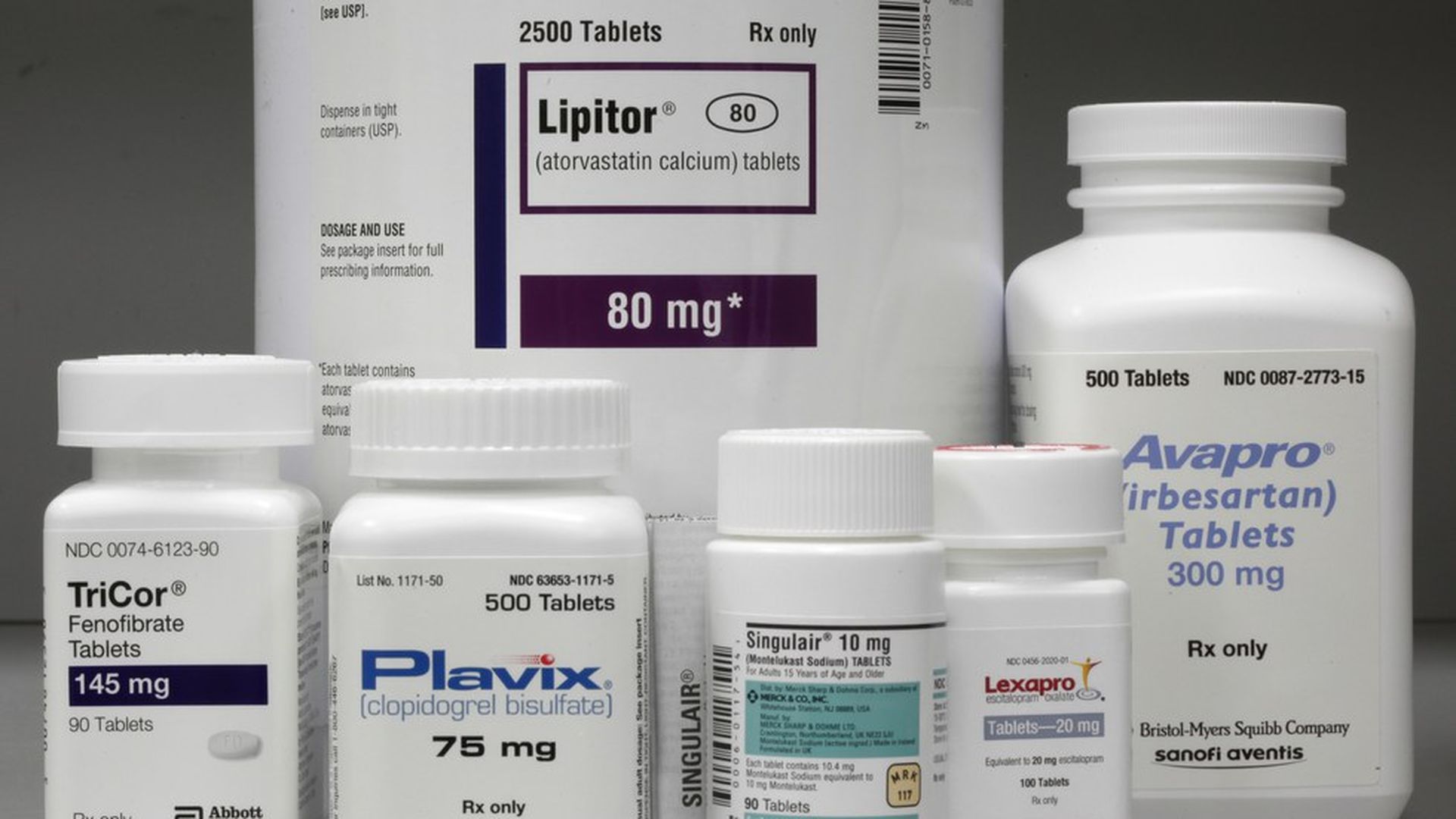
The Pharmaceutical Research and Manufacturers of America, the powerful lobbying group for the drug industry, has hired Ken McKay as a top state government lobbyist.
McKay most recently managed New Jersey Gov. Chris Christie's presidential campaign. He also worked as a senior adviser to President Trump's campaign and was the political director of the pro-Trump Rebuilding America Now super PAC.
Why it matters: The move means a leading Republican operative will be pushing for pro-industry drug policies at the state level, which starkly contrasts with Trump's public desire to bring down prescription drug prices. Trump has yet to announce what steps he'll take to address the issue, and a draft executive order was mostly full of industry-friendly measures.

Survey: nearly 2 million became uninsured last quarter
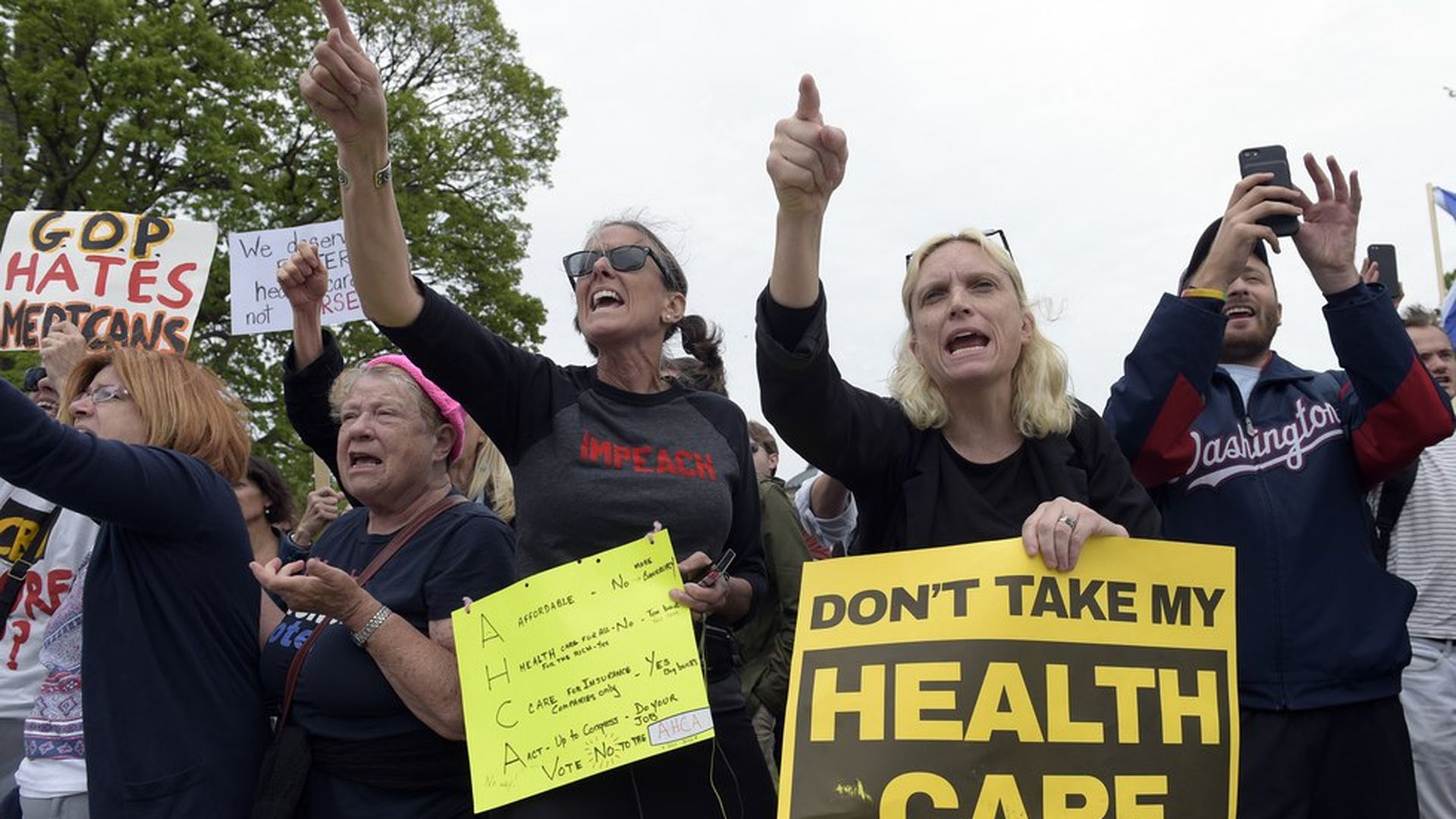
"The percentage of U.S. adults without health insurance grew in the second quarter of 2017 to 11.7%," according to Gallup:
- That translates into nearly 2 million Americans who became uninsured. The rate, measured by the Gallup-Sharecare Well-Being Index, hit a record low of 10.9% last year. The current rate is still 6 points lower than it was at its peak of 18% in 2013, just before the health insurance exchanges opened.
- Why it's happening: "Rising insurance premiums could be causing some Americans to forgo insurance, especially those who fail to qualify for federal subsidies. ... [S]ome insurance companies are leaving the ACA marketplace, and the lack of competition could be driving up the cost of plans for consumers."
- Why it matters: "The nonpartisan Congressional Budget Office estimated that 22 to 23 million Americans could lose health coverage under the House and Senate proposals."
Ankle industry rallies behind Medicare pay raise
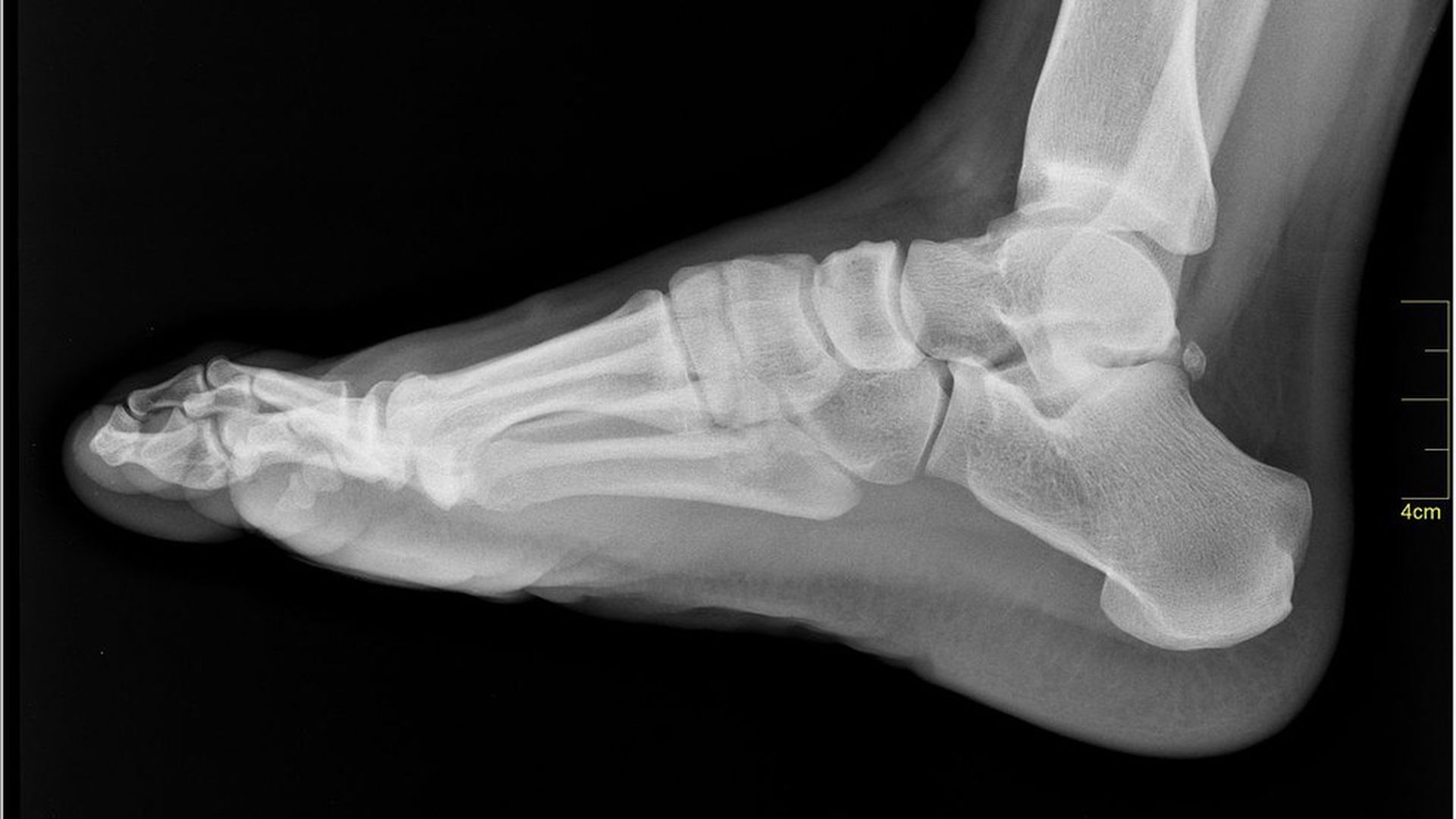
Large medical device companies and orthopedic surgeons are encouraging Department of Health and Human Services secretary Tom Price to lock in a proposal in which Medicare would pay significantly more for ankle replacement surgeries. The ankle industry's heft is almost certain to make the pay raise official once the final rule is released within the next month.
Why it matters: The first Medicare payment rule overseen by Price, an orthopedic surgeon by training, would steer millions of extra dollars toward his physician colleagues as well as medical device firms that make the screws, implants and other components of ankle replacement surgeries.
Health care's widespread overbilling problem
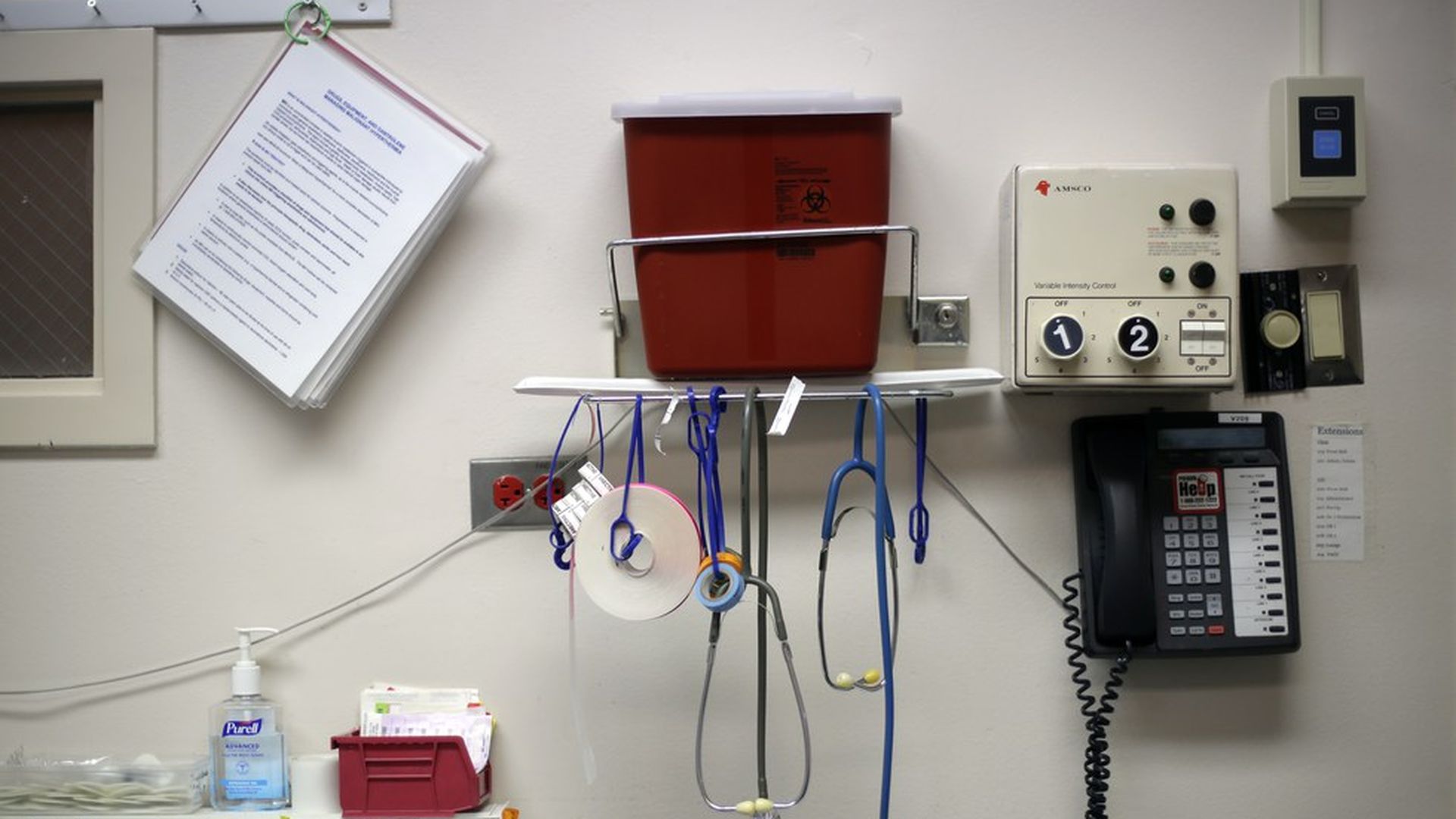
The health care system's complex payment system gives doctors and hospitals lots of incentives to bill for more expensive services than they actually provide, a practice known as upcoding. Numerous settlements between health care companies and the Department of Justice indicate it's a widespread problem.
Why it matters: Upcoding affects everyone — it saps money from the taxpayer-funded Medicare and Medicaid programs and could lead to higher premiums for people with commercial insurance. But there's no evidence the health care system is fighting upcoding effectively, or that the problem will go away.