Tuesday's health stories

Drug company with Republican investors tanks
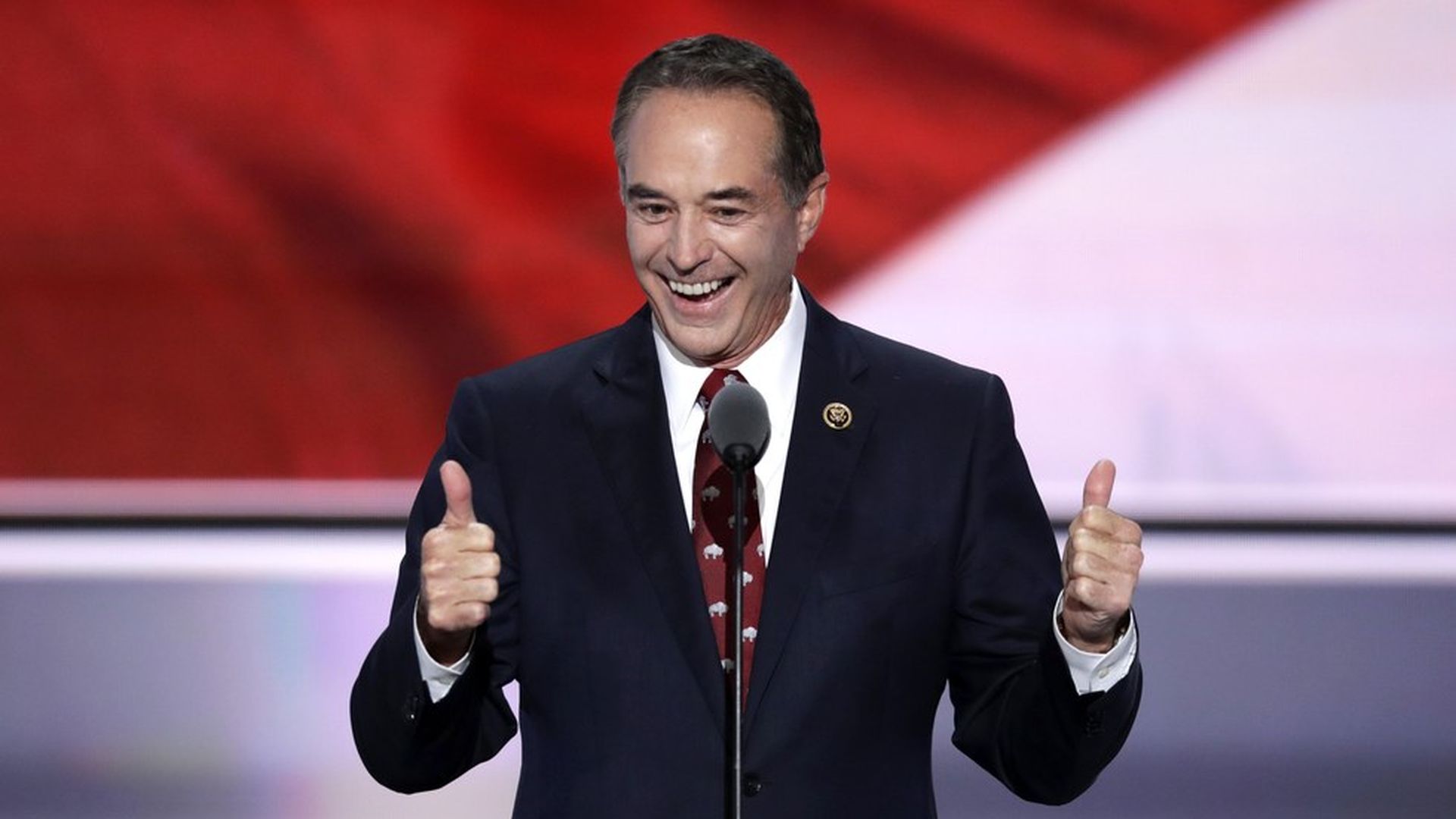
The stock price of Australian biotech firm Innate Immunotherapeutics plunged 92% to about 4 cents per share Tuesday after the company's experimental multiple sclerosis drug bombed its clinical trial, STAT and Bloomberg report.
Why it matters: Republican Rep. Chris Collins of New York is Innate's largest investor, owning almost 17%, and lost about $17 million on the failed drug news. Collins has bragged about how he has attracted investors to Innate, including other Republican House members, but so much for that stock tip. Tom Price, President Trump's Health and Human Services secretary, also owned Innate stock but cashed out in February for at least $250,000 — a windfall that has raised ethics questions.

Senate Dems: GOP health bill is a disaster for opioid addiction

A group of Democratic senators from around the country came together this morning to highlight the impact that they believe the Senate GOP's health care bill would have on those in their states suffering from opioid addiction.
They argued the bill's $2 billion grant funding for opioid addiction is a distraction from its Medicaid cuts that so many suffering from opioid addiction rely on — especially when their addiction is caused by other underlying health conditions that also necessitate Medicaid coverage.
"This Senate Republican health care bill would be a death sentence for those patients suffering from opioid addiction," said Massachusetts Sen. Ed Markey.
The CBO's other reports
While the health care world was glued to the main Congressional Budget Office report yesterday, two separate but important CBO health care documents didn't garner nearly the same attention. One is about physician prices, and the other is about hospital prices.
The takeaways: The amount commercial health insurers pay doctors and hospitals is vastly higher than what Medicare pays for the same services, and often depends on market power. This fundamentally affects the premiums everyone pays. Medicare Advantage insurers, meanwhile, pay similar prices to traditional Medicare.
Worth noting: Doctors and hospitals do not charge private insurers more to make up for lower Medicare payments. Research shows the exact opposite happens.
Why this New York hospital CEO is worried about the Senate bill

Dr. Ken Davis is CEO of Mount Sinai Health System in New York City, one of the largest hospital systems in the country. He's been monitoring the health care reform efforts and described the Senate bill bluntly last week: "If the House bill is mean, by our president's description, this bill could even be meaner."
Davis, a psychiatrist by training, spoke with me about the Senate Republican bill and why the Medicaid cuts worry him the most. But we also talked about other things, like the future of hospital care and mergers. Read on for an edited and condensed version of our conversation.

Susan Collins is a "no" on Senate health care bill
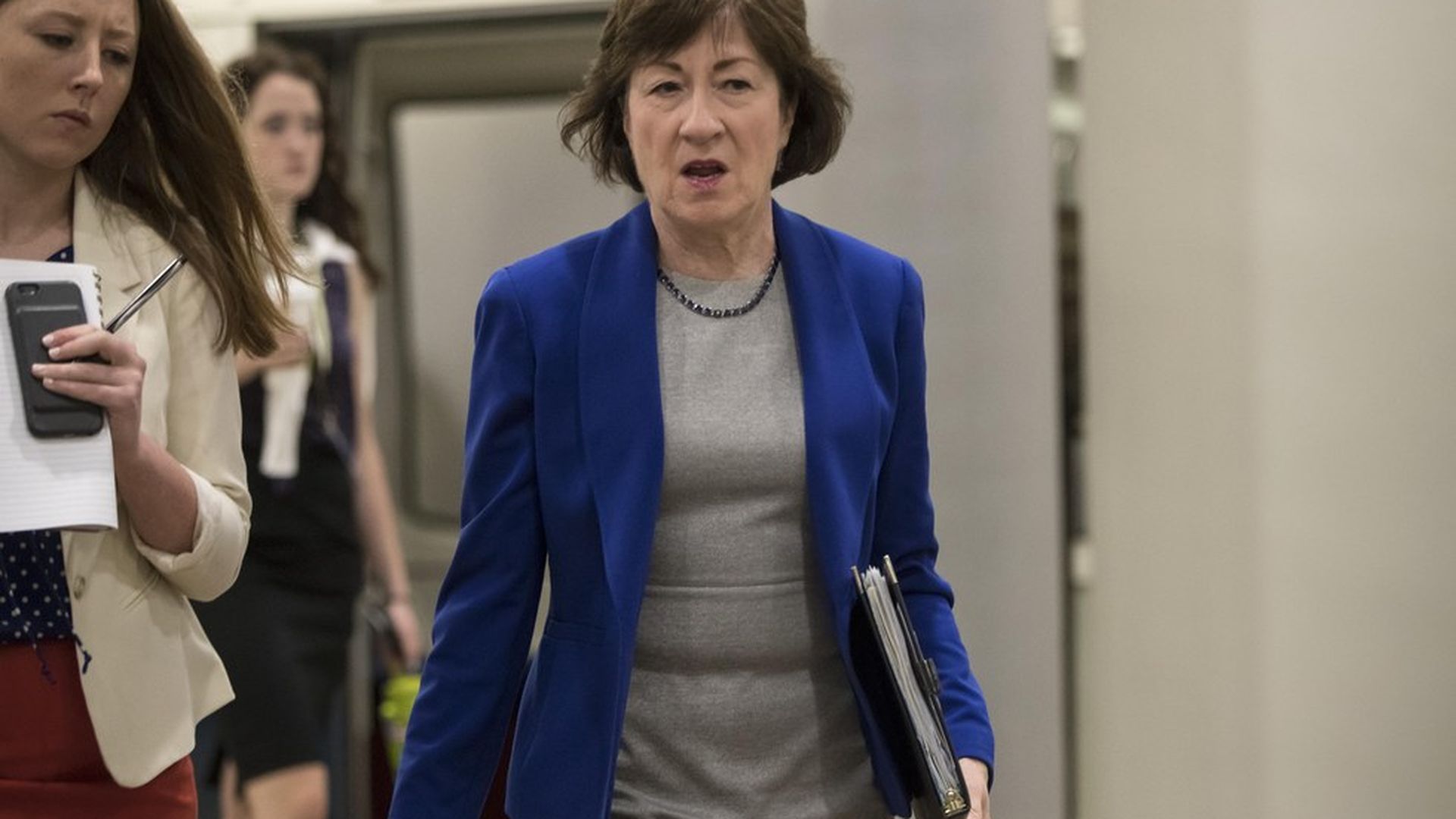
Sen. Susan Collins of Maine tweeted that she would be voting "no" on the Senate health care bill hours after the CBO released its estimate that 22 million fewer people would be covered under the plan. She explained that she wanted to "fix the flaws in ACA. CBO analysis shows Senate bill won't do it. I will vote no."
Why it matters: Collins is the sixth senator to come out against the bill in its current form, and the third to say she'll vote against a motion to bring it up for a vote. That means the bill is stalled unless changes are made to convince senators to change their votes.
The other skeptics: Ron Johnson, Ted Cruz, Rand Paul, Mike Lee, Dean Heller.
Largest doctor group opposes Senate health bill
The American Medical Association, the country's primary group representing doctors and medical students, came out against the Senate health care bill Monday. CEO James Madara wrote a letter that said the bill would violate the AMA's core principle that doctors "first, do no harm." Medicaid cuts were a primary sticking point. It also said smaller subsidies and waivers of benefits "will expose low and middle income patients to higher costs and greater difficulty in affording care."
Why it matters: The AMA is one of the most powerful health care lobbying groups in Washington, although its physician membership has been in flux. A substantial portion of the health care industry now opposes the bill, which could be up for a vote this week.

New test can diagnose mysterious infections
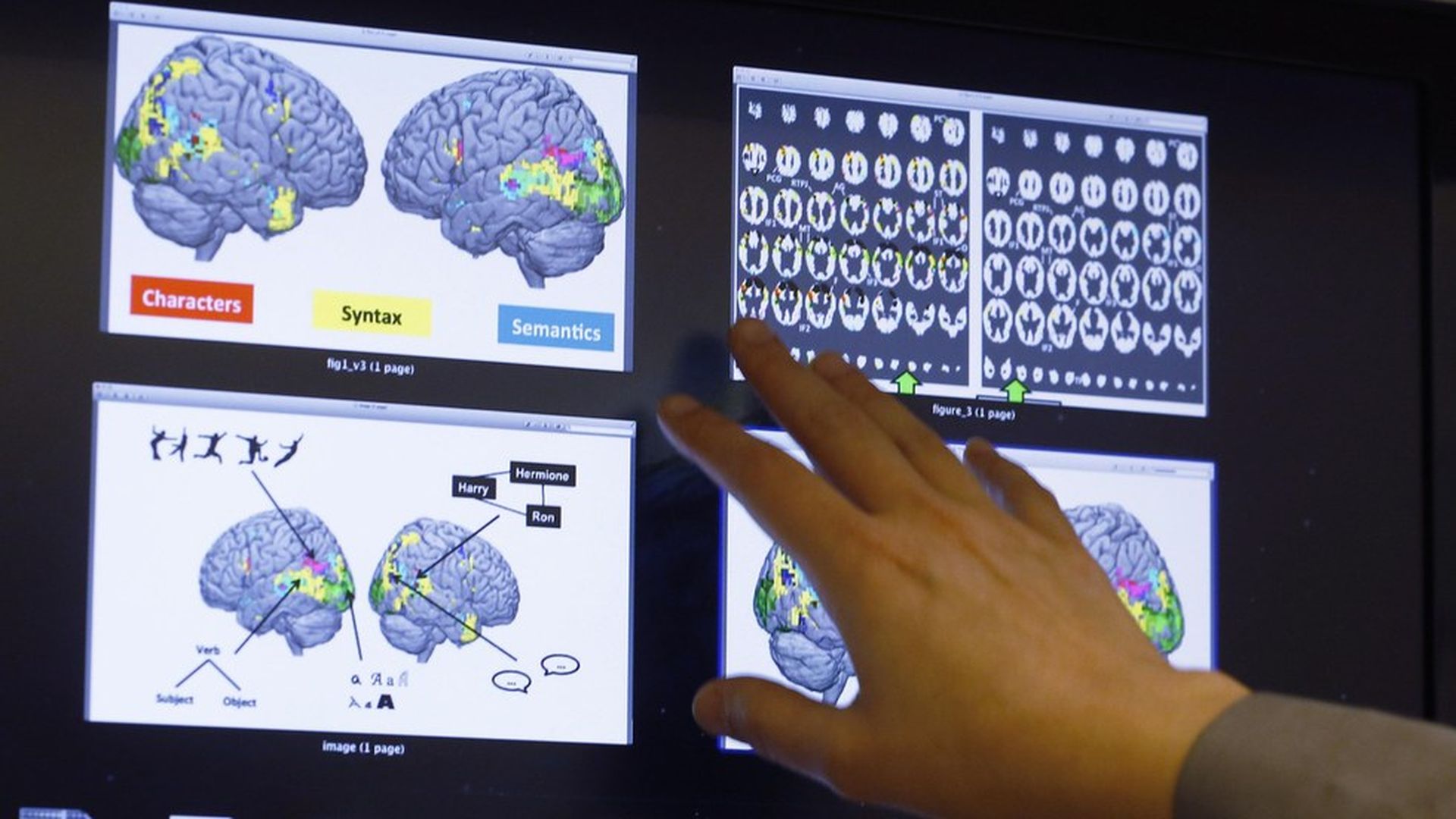
Researchers have created a brain test that can discover the source "of virtually any neurological infection," according to Scientific American.
For example, the test helped doctors to diagnose a brain tapeworm in a man from Nicaragua by identifying its DNA. The patient didn't have symptoms of the infection typically picked up by MRI scans.
How it works: Rather than look for a particular infection with a specific test, all of the DNA and RNA in a sample of cerebrospinal fluid is analyzed in order to identify foreign genetic material from viruses, bacteria, parasites or fungi. The challenge, researchers say, is "making sense of the output," but they've developed procedures for doctors to determine the most-likely cause of infection from the genomic data.
Coming soon: The researchers who developed the test at U.C. San Francisco will begin offering the test "as a custom-ordered service" to hospitals and labs across the U.S. on July 1.

Treating addiction by focusing on the brain
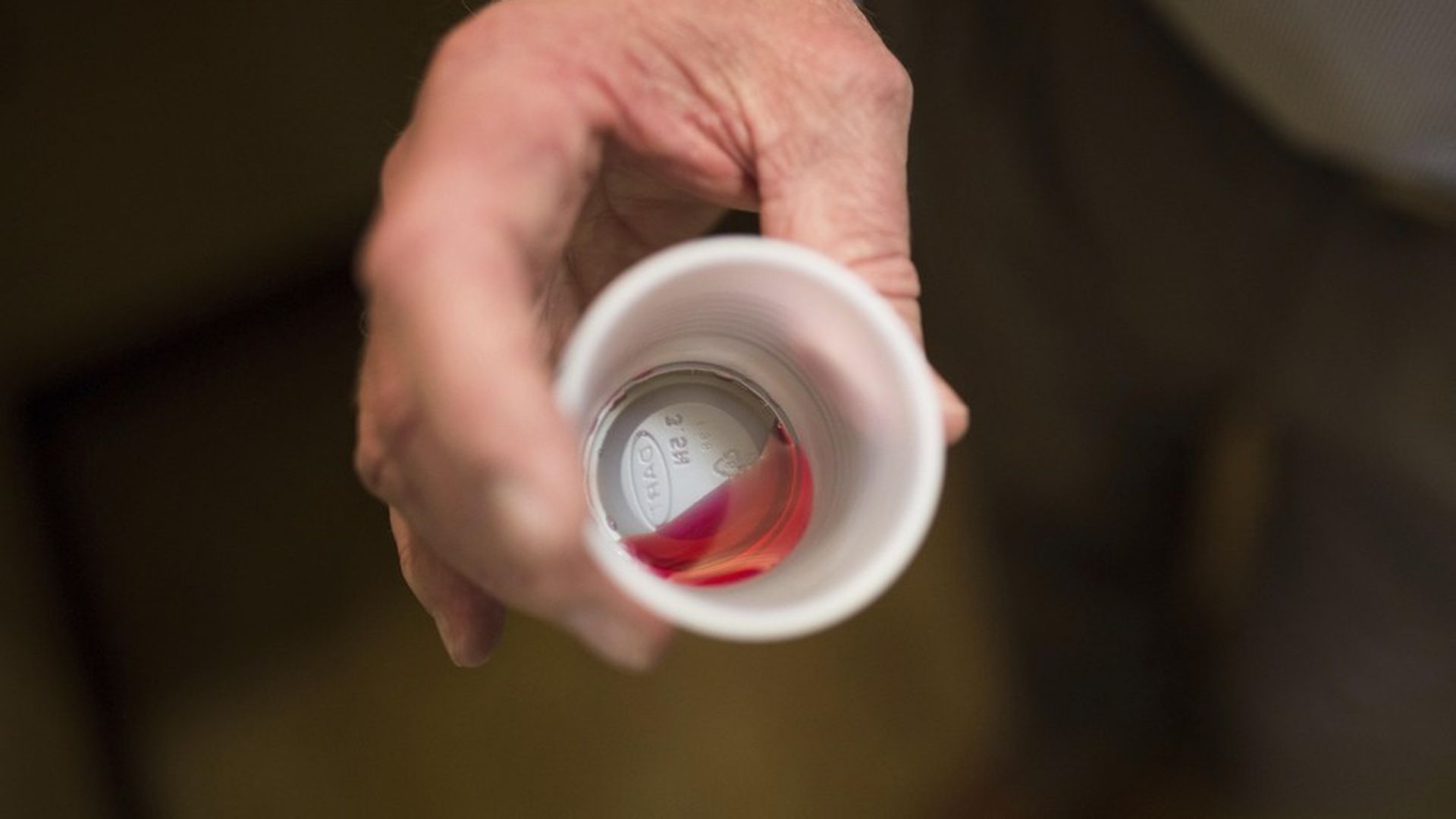
Technology and science has made it much easier to become addicted to products that allow us to ingest nicotine and opioids, but neuroscience can be just as easily harnessed to help the human brain cope with addiction as well, researchers argue in Science.
Their main point: Nearly all of the available treatments for opioid addiction treat it as a short-term problem with the goal of detoxing the system and coping with withdrawal symptoms. The health care system and policy support that approach, but addiction is a more lasting disorder that changes the brain. Treatment, the authors write, should be focused on long-term interventions such as support groups (like Alcoholics Anonymous), treatment with methadone or buprenorphine, "sober living" residencies and extended case monitoring.
The backdrop: On Tuesday, a presidential task force will issue recommendations for how to deal with a growing opioid epidemic that is decimating families and communities in parts of the U.S. On average, 91 people die in America every day from opioid overdoses. The NIH recently announced a research push to address the nation's opioid crisis.
What they found: Researchers looked at how technology and science has made it easier for addiction to take hold. For instance, cigarettes were once hand-rolled and harsh in the 19th century, making it hard work for someone to smoke. Now, big tobacco companies can roll 20,000 cigarettes on a factory floor in under a minute, and lace the cigarettes with flavors to make it far easier on the lungs as the smoke is inhaled. Likewise, opioids – once confined to small parts of the population – are now widespread and easily available.
But just as science has made addiction easier, it can also chart new paths away from addiction as well. As researchers better understand the ways in which addiction takes hold of our brains, programs and therapies can mute or even block the addiction pathways in our brains.