Overall transmission of HIV continues to decline in the U.S., but new interactive maps and data released Wednesday reveal disparities in infection rates in the country.
"Where you live really matters when it comes to how heavily your community is impacted and your risk for infection," lead researcher Patrick Sullivan from Emory University told Axios. Sullivan and his team created the maps using federal, state and local data that show patterns of HIV transmission pinpointed to a specific area.
Note: Values for many counties are omitted from the data to protect privacy in places with small populations. Data: AIDSVu; Chart: Chris Canipe / Axios
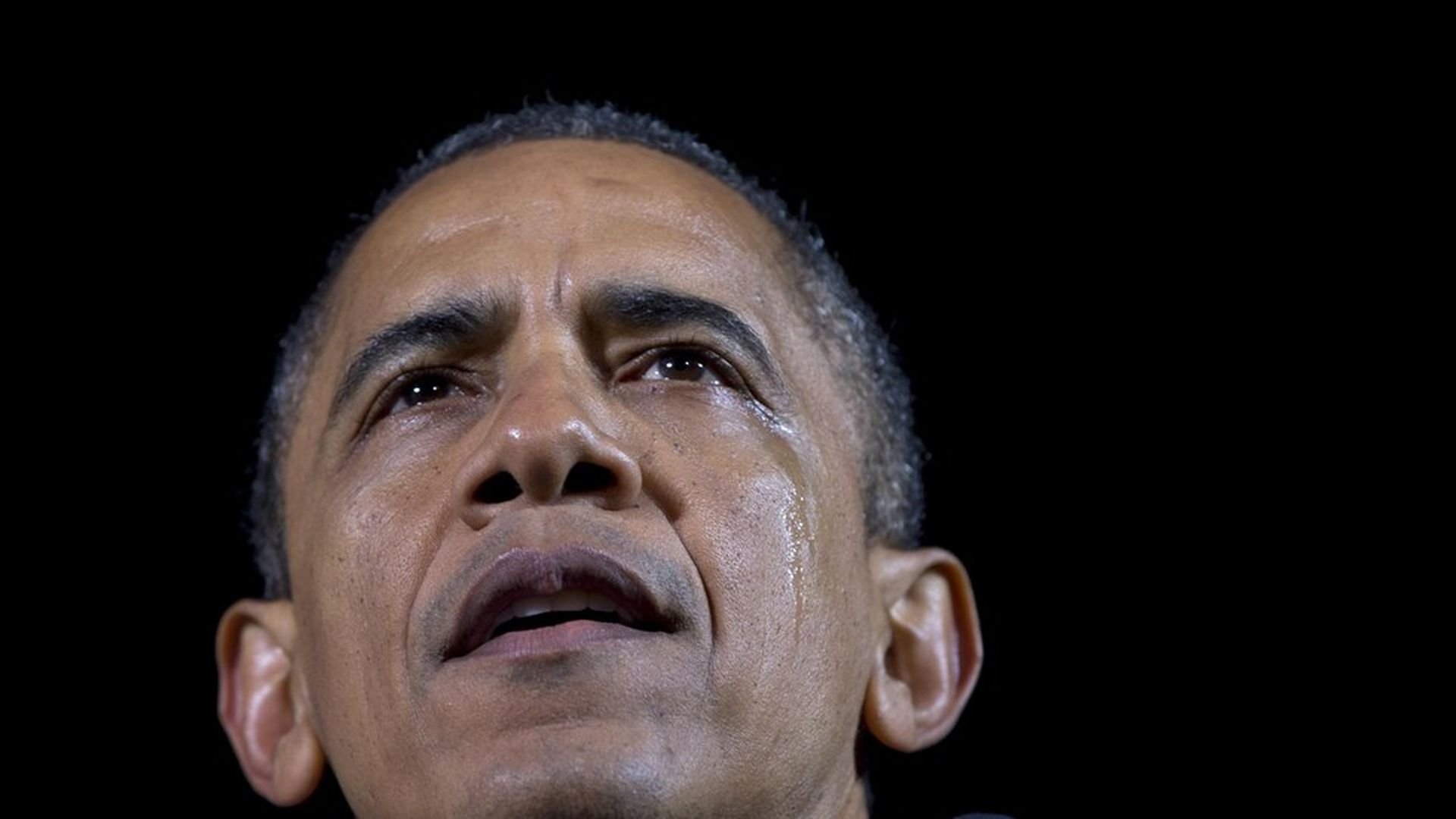
Barack Obama wrote an emotional Facebook post Thursday outlining the consequences that would occur if the Senate's health bill was passed, and took a jab at President Trump, who called the bill "mean" in a meeting with GOP senators last week:
Obama's bottom line: "Simply put, if there's a chance you might get sick, get old, or start a family – this bill will do you harm. And small tweaks over the course of the next couple weeks, under the guise of making these bills easier to stomach, cannot change the fundamental meanness at the core of this legislation."
New diseases sometimes evolve from existing human illnesses, but most of the time they come from a disease that already existed in animals. When they make the jump to humans, these viruses can cause major epidemics. A new paper hopes to help predict where these outbreaks might happen, and what animals they might come from.
"Think of the model as a road map that shows where we should put funding and do surveillance," Kevin Olival, a disease ecologist at EcoHealth Alliance and an author of the study, tells Axios.
Why it matters: Zoonotic diseases, which come from animals and include Ebola, Zika, HIV, SARS and many types of flu, sicken millions of people every year.
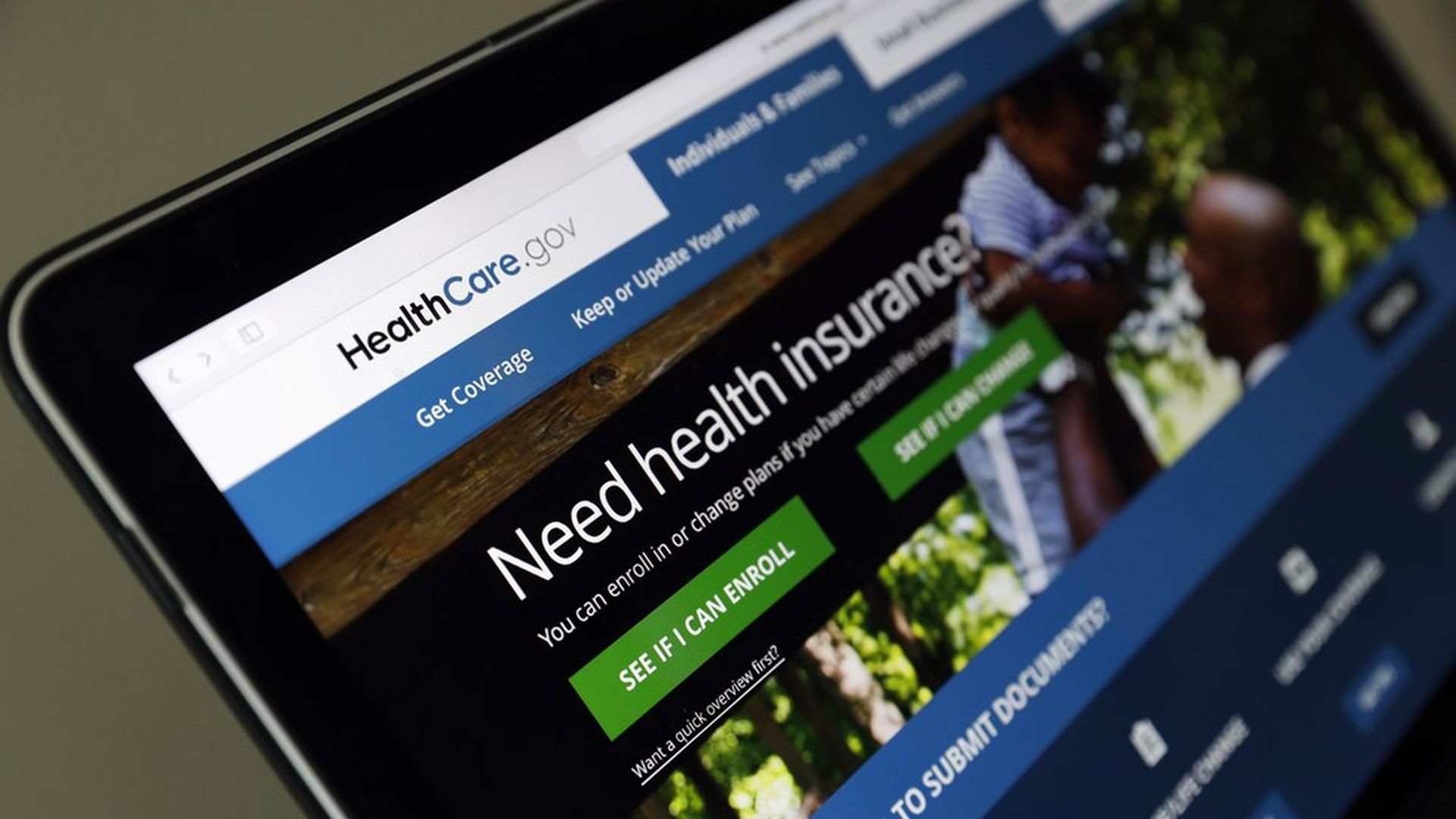
Health insurance companies that want to sell Affordable Care Act plans in 2018 in states that rely on the federal HealthCare.gov marketplace have to file rate requests today. Some insurers have already signaled their intent to exit some markets, while others plan on expanding.
The biggest news so far: Anthem is pulling out of Indiana and Wisconsin — two states that will get a ton of political attention, given that they're the home states of Vice President Mike Pence and Paul Ryan. But the nightmare scenario — a total withdrawal from all of the states it serves — isn't happening.