Friday's health stories

Obamacare repeal is getting bad news from the number crunchers

It's become pretty obvious that Obamacare repeal isn't moving ahead — with no committee action scheduled yet for next week — and now we're getting a better idea why.
The Washington Post posted a piece this morning about how House Republicans want to steer away from Obamacare's expansion of Medicaid without hurting the states. Most of the details — keeping some money flowing to the expansion states, helping the non-expansion states with extra payments for the poor and uninsured — have been floated before. But the bigger news starts in the 11th paragraph: The Congressional Budget Office says the new, age-based tax credits, another part of the replacement plan, "would cost the government a lot of money and would enable relatively few additional Americans to get insurance."
Between the lines: This tracks with what we've heard unofficially through other sources, and suggests that Republicans are having trouble designing their plan in a way that would get acceptable cost estimates. That doesn't mean they can't tinker with the plan until they get better CBO estimates — Democrats did a lot of that during the writing of Obamacare. But it does mean the plan probably won't be ready quickly enough to meet the Republicans' ambitious timeline.
Trump's health care meeting schedule is filling up for Monday
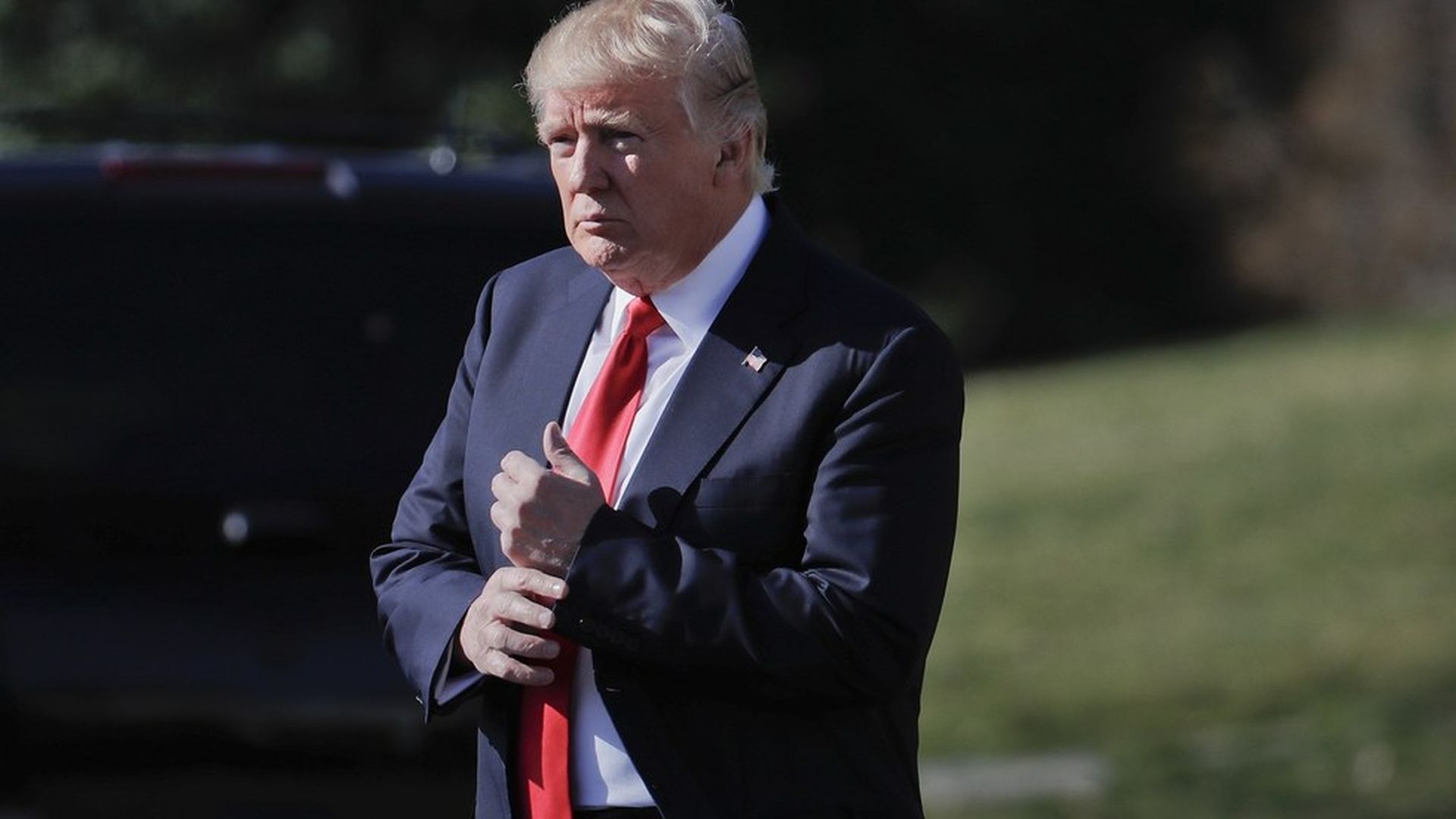
It's looking like a big health care meetings day for President Trump on Monday. First, he's bringing the governors to the White House in the morning, on the last day of their National Governors Association meeting in Washington — and health care is sure to be a big topic, especially the future of Medicaid. Then, Bloomberg reports, he's going to have a talk with top health insurance executives, including the head of the Blue Cross and Blue Shield Association. Anthem and Cigna officials also have been invited.
Between the lines: The meetings suggest that Trump is getting more involved in some of the biggest Obamacare repeal problems the Republicans have to solve — like how to end the law's Medicaid expansion without hurting the states, and how to keep insurers in the market during the transition to a new system.

What you should know about the GOP's new healthcare plan
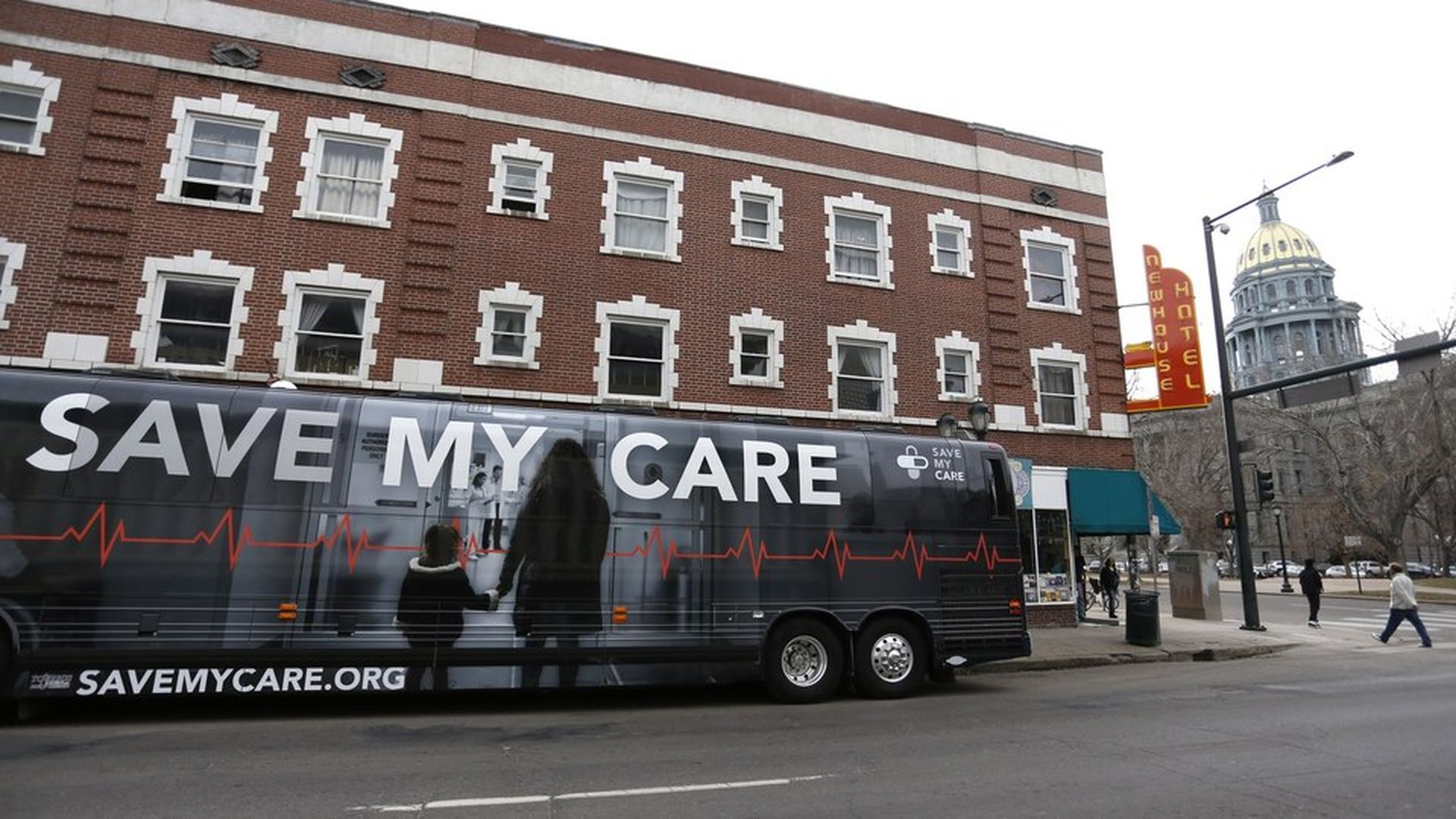
Details of the GOP's new healthcare plan are beginning to emerge, as pieced together by Bloomberg:
- Right to choose whether to purchase health insurance or not, which means not everyone will be covered.
- Like Obamacare, the GOP plan will provide tax credits to help people purchase insurance, but those subsidies will be based on age rather than income — meaning poorer people won't get additional money.
- Threat of rolling back Medicaid: About 12 million people currently have coverage through Medicaid expansion.
- Insurers would be allowed to charge more to anyone — whether they are healthy or have a pre-existing medical condition — who had a gap in their health insurance coverage.
- Timing: Trump said Wednesday that there will be a White House health plan by sometime in March.
Why it matters: The story shows Republicans acknowledging what most health care analysts already suspected: The replacement won't cover as many people as Obamacare, partly because the GOP isn't really trying to compete on that level.

Drug companies are hiring academics to defend prices

Annie Waldman of ProPublica has a story today explaining how the pharmaceutical industry is hiring academic economists and health policy professors to help justify the rising price tags of their drugs.
The piece centers around a firm called Precision Health Economics. Drug companies have paid the firm's experts to assist them with drug pricing and messaging. Their work has appeared in blogs, health policy journals and congressional testimony, giving an aura of academic rigor and independence, but the experts sometimes have not disclosed their ties to the industry.
Why this matters: Drug companies know the prices of their products are a top political concern, as more people have aired concerns about being unable to afford their medicine. This latest story builds on the growing corporate theme of quietly paying outside voices to make their business strategies more palatable to the public. ProPublica did a separate piece in November that showed companies are hiring university antitrust professors to defend their mergers in court.
Senate Republican won't vote to repeal Medicaid expansion
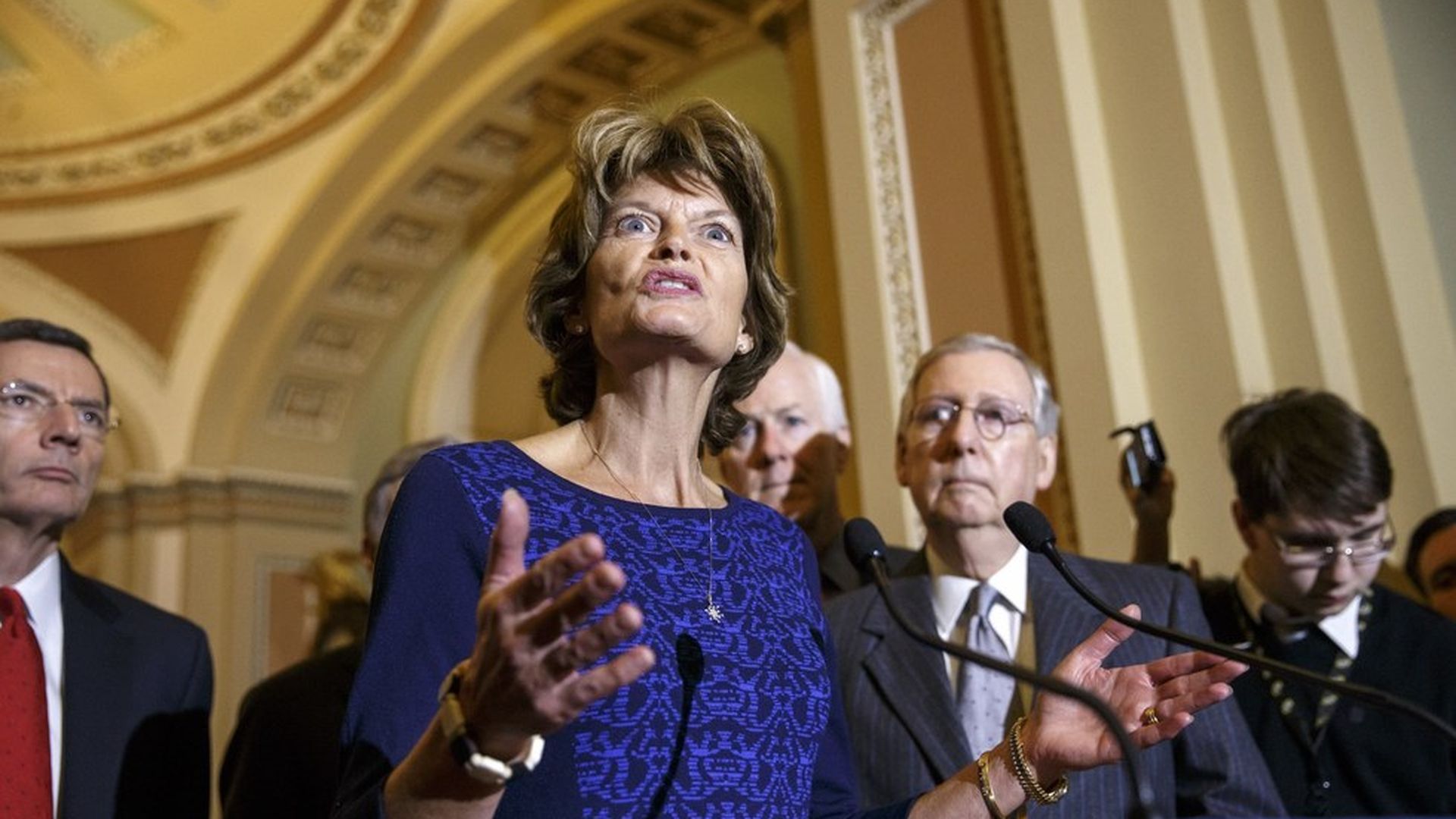
Republican Senator Lisa Murkowski told Alaska lawmakers on Wednesday that she "will not support a reckless repeal process" of Obamacare, emphasizing that she would fight the repeal of Medicaid expansion — a key component of the health care law — as long as the state legislature wants to keep it, per Alaska Dispatch News.
Murkowski said that although she was concerned about the long-term cost of the expanded Medicaid program, she also recognized that it has strengthened Alaska's Native health care system and reduced the number of uninsured people visiting emergency rooms.
So as long as this Legislature wants to keep the expansion, Alaska should have that option.
Why it matters: Senate Republicans can't afford to lose votes on Obamacare repeal. If they lose three, they can't pass it.