Several futuristic space experiments involving orbital data centers and high-tech energy transfers launched into orbit aboard a SpaceX Falcon 9 rocket Thursday afternoon.
Driving the news: Among the 130 payloads aboard the Transporter-18 "rideshare" mission:
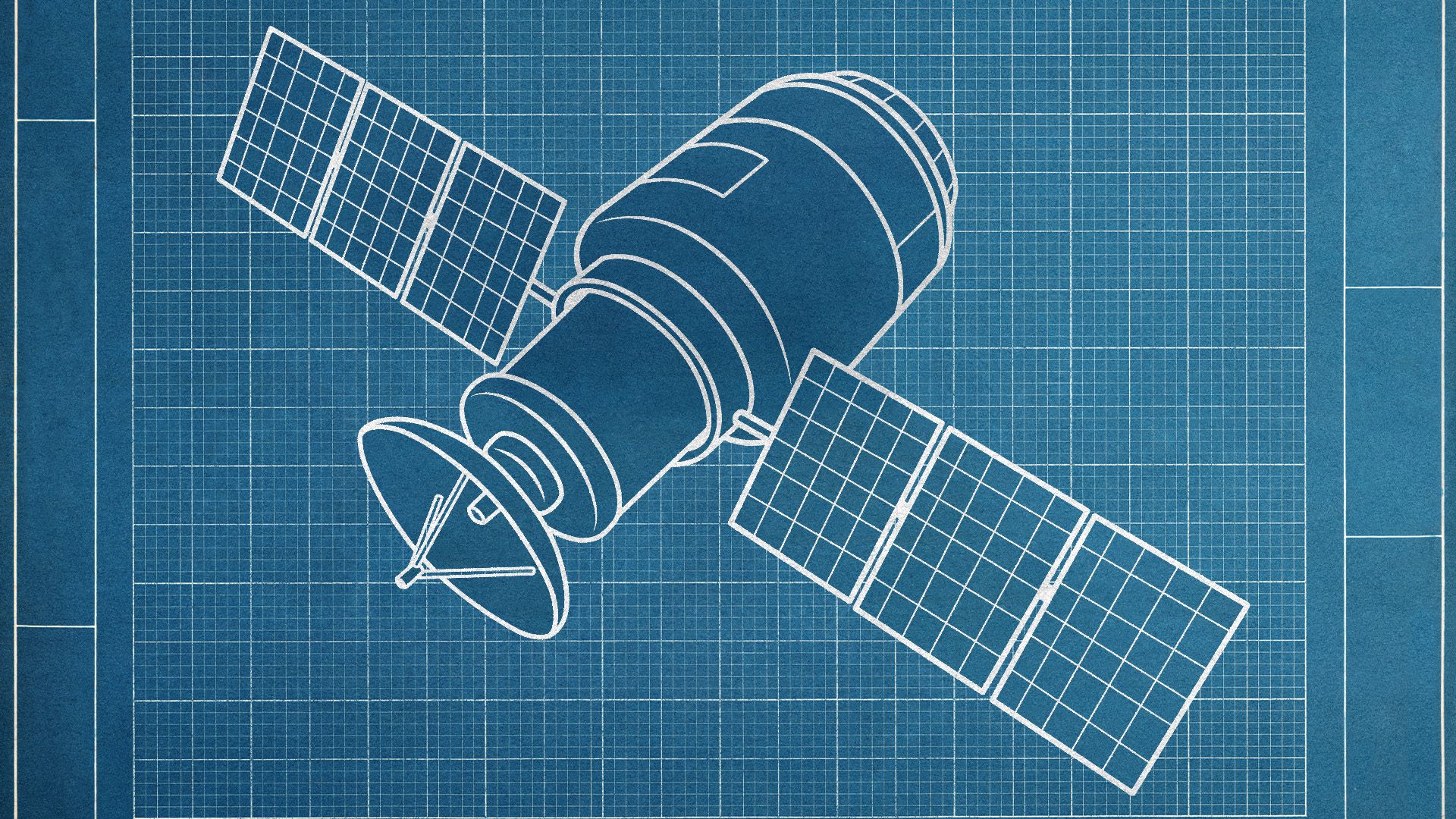
Protostar, a satellite from startup Star Catcher meant to transmit energy to another satellite — to bear out the idea of an orbital power grid.
Reason-1, a satellite from startup Cowboy Space designed to collect solar energy in space and beam it to Earth.
What they're saying: Cowboy Space founder and CEO Baiju Bhatt tells Axios that the idea is to provide power in places without an existing power grid — a kind of Starlink for energy — while also working toward orbital data centers.
There are also potential military applications, Bhatt adds — powering high-endurance surveillance drones, for example.
Reality check: It's early days for all of these concepts, which have long existed on drawing boards and in sci-fi novels but have yet to be borne out.
The bottom line: It's a boom time for intriguing commercial efforts in Earth orbit, though SpaceX's plan to wind down its workhorse Falcon 9 rocket has left the space industry scrambling for launch alternatives.
A sweeping bipartisan deal to cut permitting red tape faces a long road ahead despite a broad show of support.
Why it matters: Cutting hurdles for energy projects is a top priority for fossil fuels and renewables sectors, but some green groups fear erosion of safeguards.
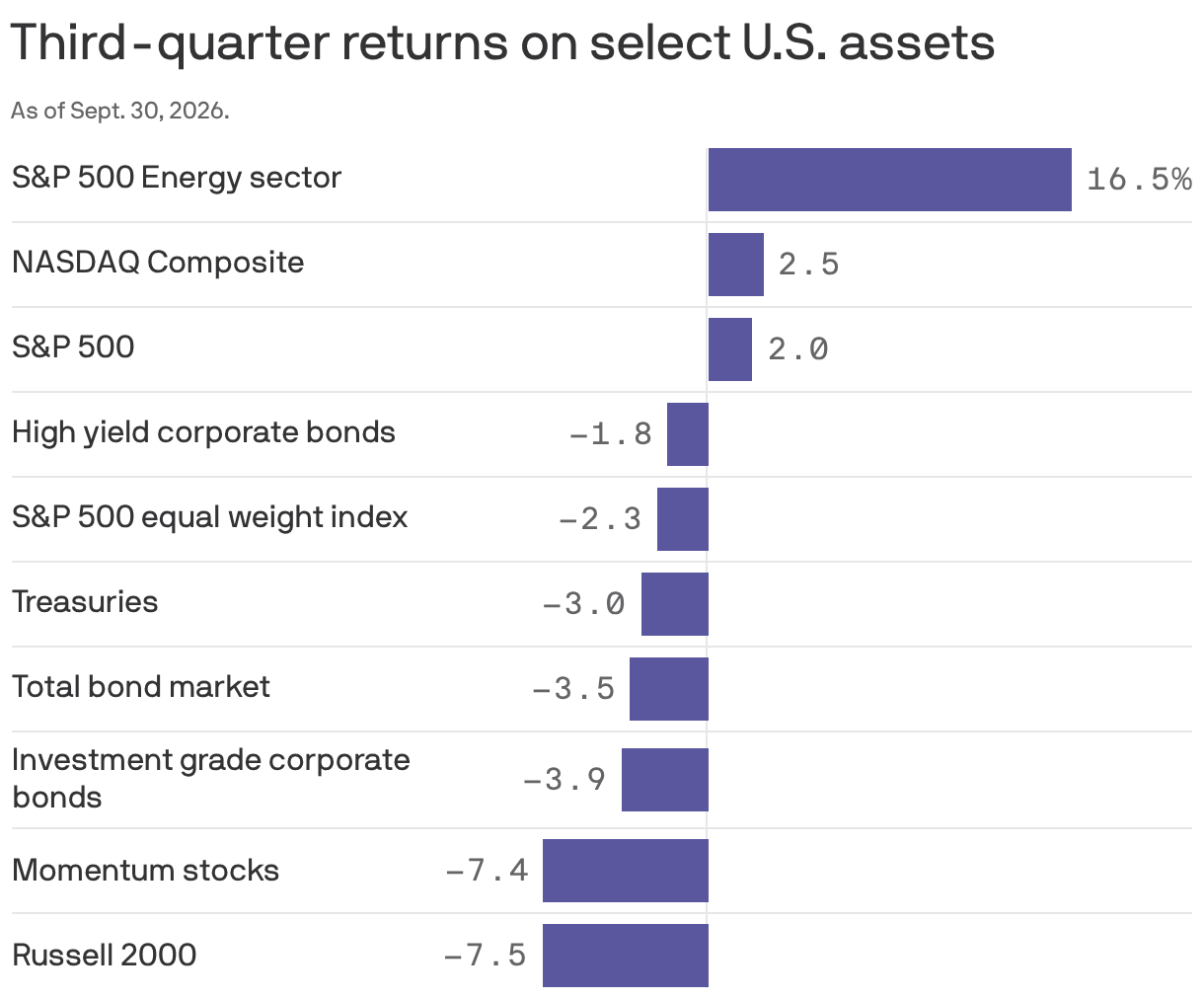
Data: FactSet; Chart: Axios/Matt Phillips; Note: Bond market figures reflect total returns for the Bloomberg U.S. Aggregate bond index and subindexes for U.S. Treasuries and U.S. investment grade and high yield corporate bonds. Momentum stocks reflects the iShares MSCI USA Momentum Factor ETF .
Energy stocks were some of the best-performing U.S. assets to own in the just-ended third quarter, as inflationary pressures related to the Iran war and irrepressible U.S. growth established themselves as key price-drivers.
Why it matters: The performance of oil-and-gas drillers, refiners and retailers was crucial to keeping broader indexes such as the S&P 500 in the black (+2%) during the three months that ended Wednesday.
The Army National Guard plays a critical role when communities face natural disasters and emergencies. Now, it's helping high school students understand what that work looks like up close.
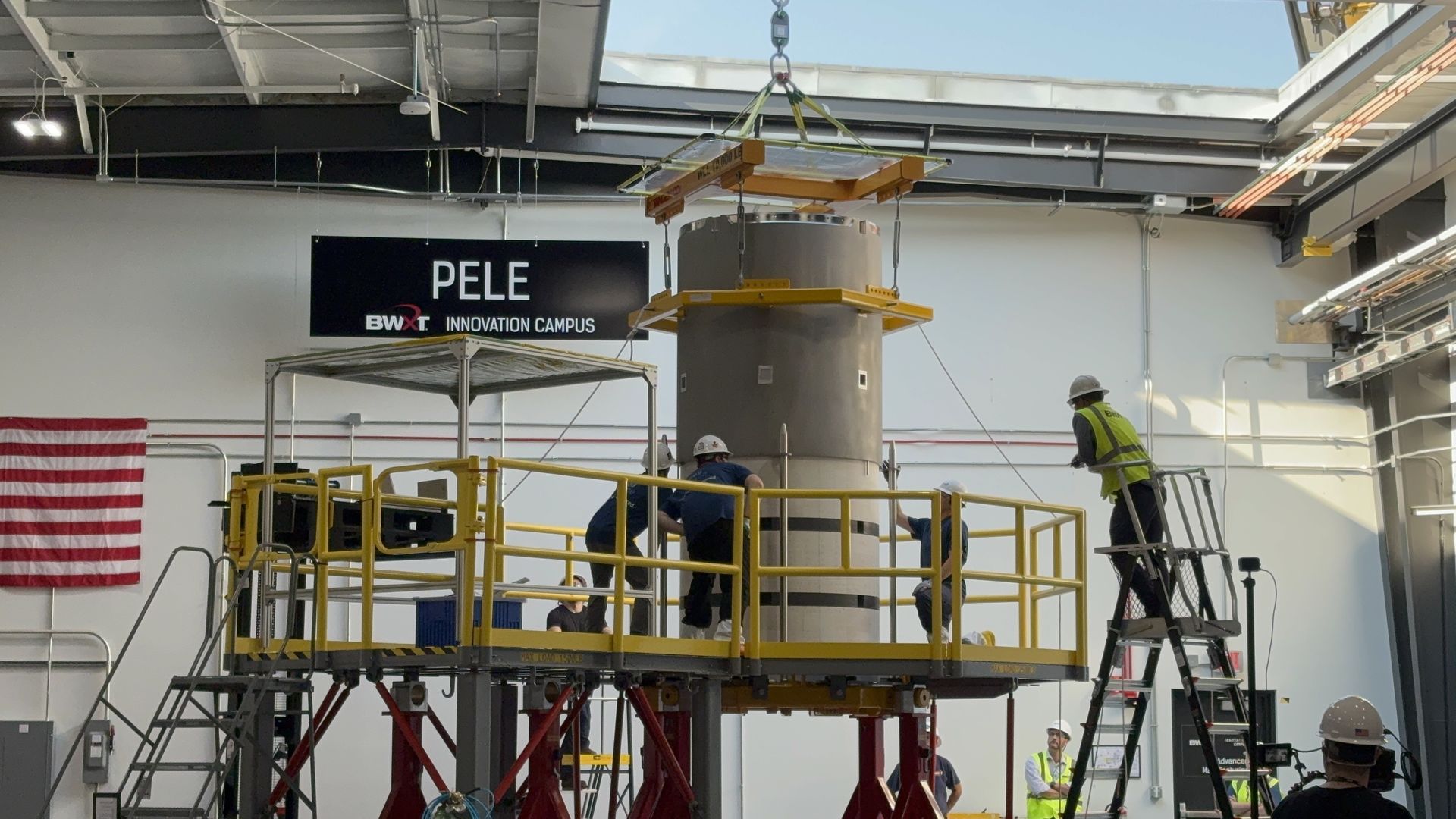
LYNCHBURG, VIRGINIA — The build room at BWXT's Innovation Campus was quiet. On the far end, perched above the ground and cloaked in what looked like plastic, the reactor core stood like an altar to nuclear energy.
Just weeks ago, crews installed the core barrel, lowering it through a hatch in the roof. That pushed Project Pele, and potentially the future of military energy, one step closer to realization.
"We are, truly, into the fabrication and assembly cycle," Charles Graves, director of government microreactors, told Axios. "There is a huge difference between looking at a paper reactor and getting to a point like this."
The big picture: BWXT was selected by the Defense Department's Strategic Capabilities Office in 2022 to develop and deploy a mobile microreactor capable of energizing troops and their gear in remote locations.
America is adding record amounts of clean power despite President Trump's opposition to wind and solar — but the industry's top trade group warns the growth could fall off a "cliff" as soon as 2028.
Why it matters: The disconnect illustrates the long lag between energy policy and what actually gets built, raising the stakes for a bipartisan permitting deal under negotiation now in the Senate.