The Army National Guard plays a critical role when communities face natural disasters and emergencies. Now, it's helping high school students understand what that work looks like up close.
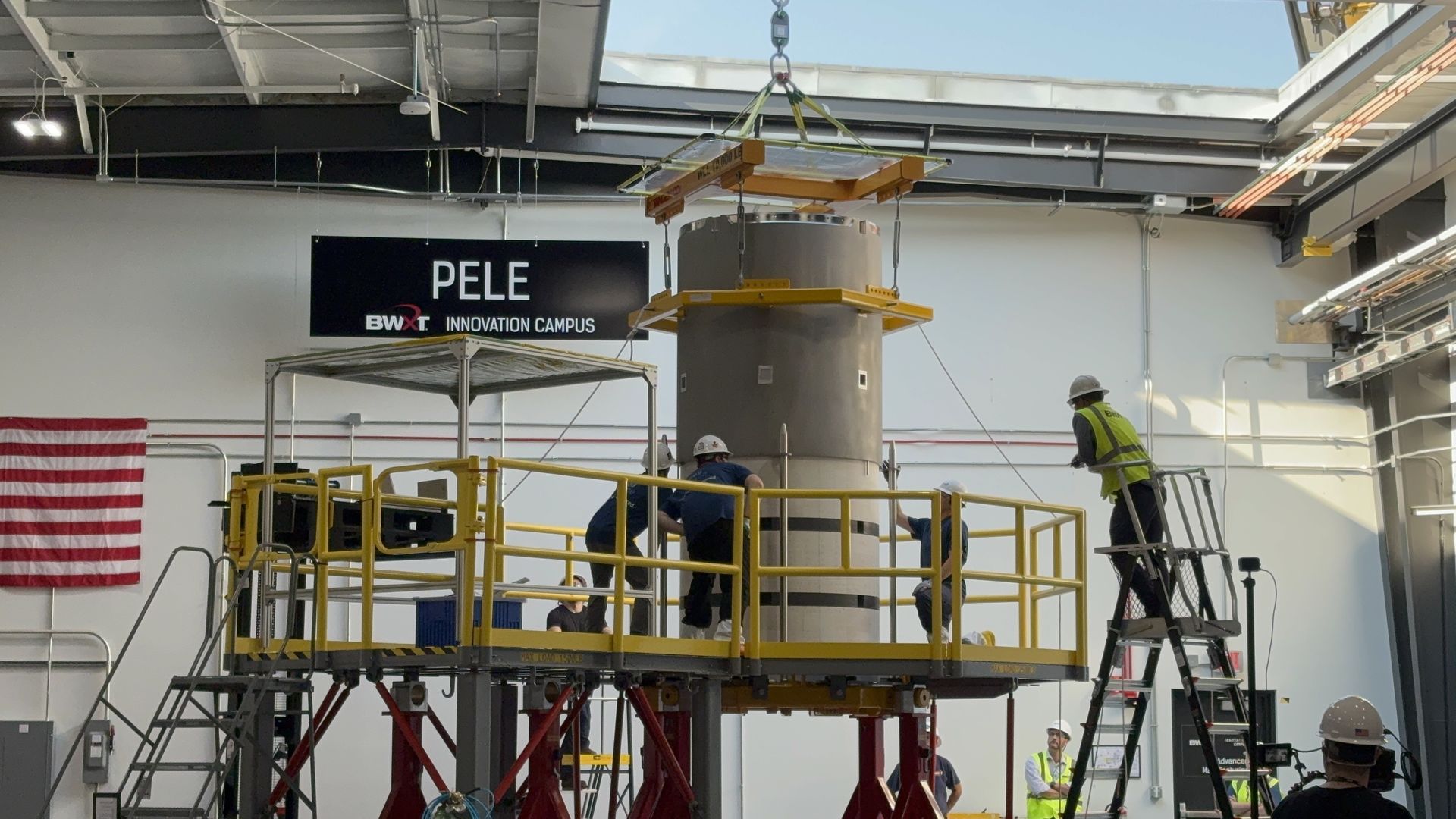
LYNCHBURG, VIRGINIA — The build room at BWXT's Innovation Campus was quiet. On the far end, perched above the ground and cloaked in what looked like plastic, the reactor core stood like an altar to nuclear energy.
Just weeks ago, crews installed the core barrel, lowering it through a hatch in the roof. That pushed Project Pele, and potentially the future of military energy, one step closer to realization.
"We are, truly, into the fabrication and assembly cycle," Charles Graves, director of government microreactors, told Axios. "There is a huge difference between looking at a paper reactor and getting to a point like this."
The big picture: BWXT was selected by the Defense Department's Strategic Capabilities Office in 2022 to develop and deploy a mobile microreactor capable of energizing troops and their gear in remote locations.
America is adding record amounts of clean power despite President Trump's opposition to wind and solar — but the industry's top trade group warns the growth could fall off a "cliff" as soon as 2028.
Why it matters: The disconnect illustrates the long lag between energy policy and what actually gets built, raising the stakes for a bipartisan permitting deal under negotiation now in the Senate.
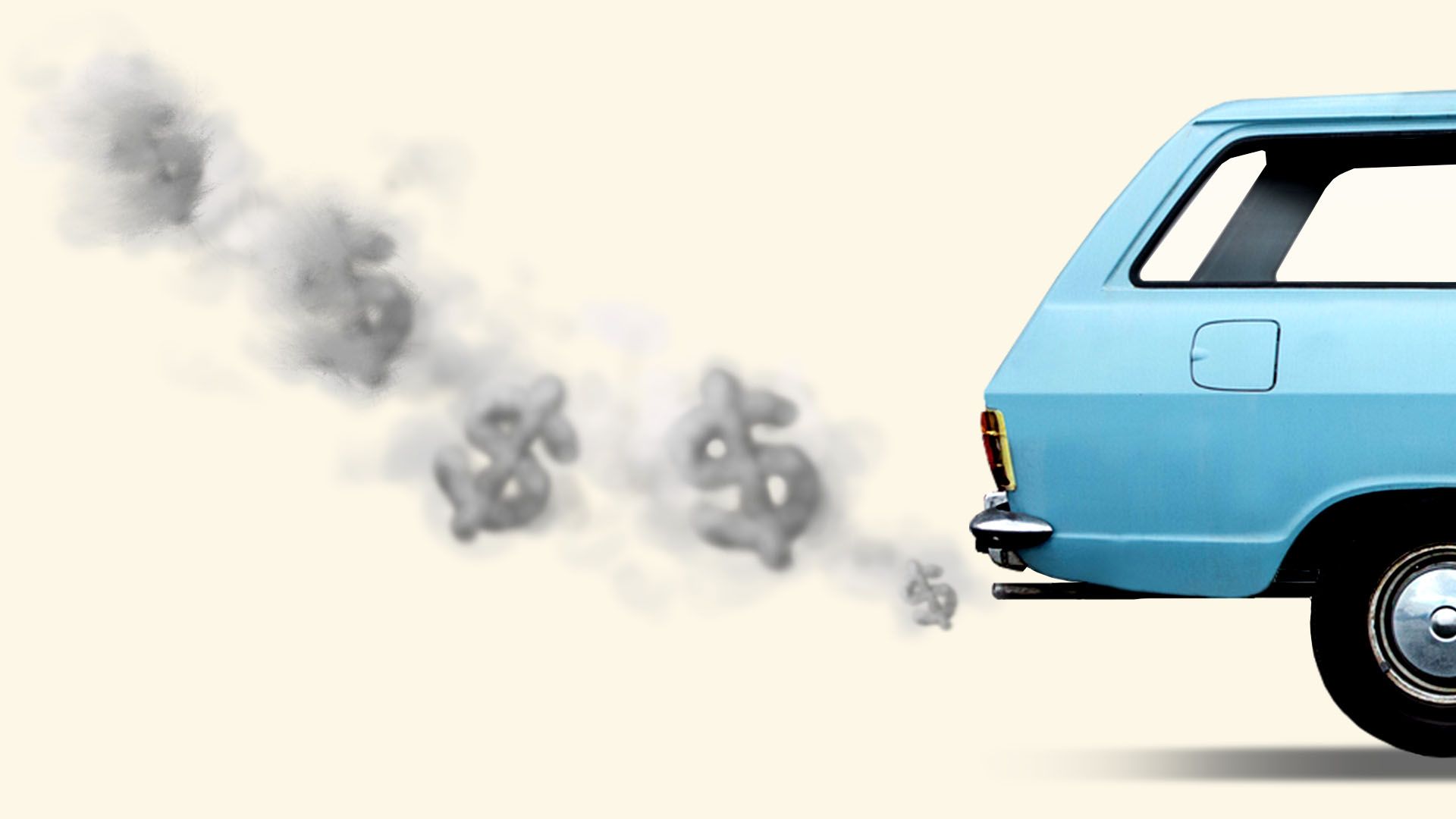
The Trump administration picked an awkward moment to relax America's fuel-economy rules: just as gasoline prices are reminding drivers why fuel economy matters.
Why it matters: Trump is pitching its rollback as an affordability measure, saying he's knocking about $1,300 off the price of a new car. The question is how much of that drivers will hand back at the gas station.