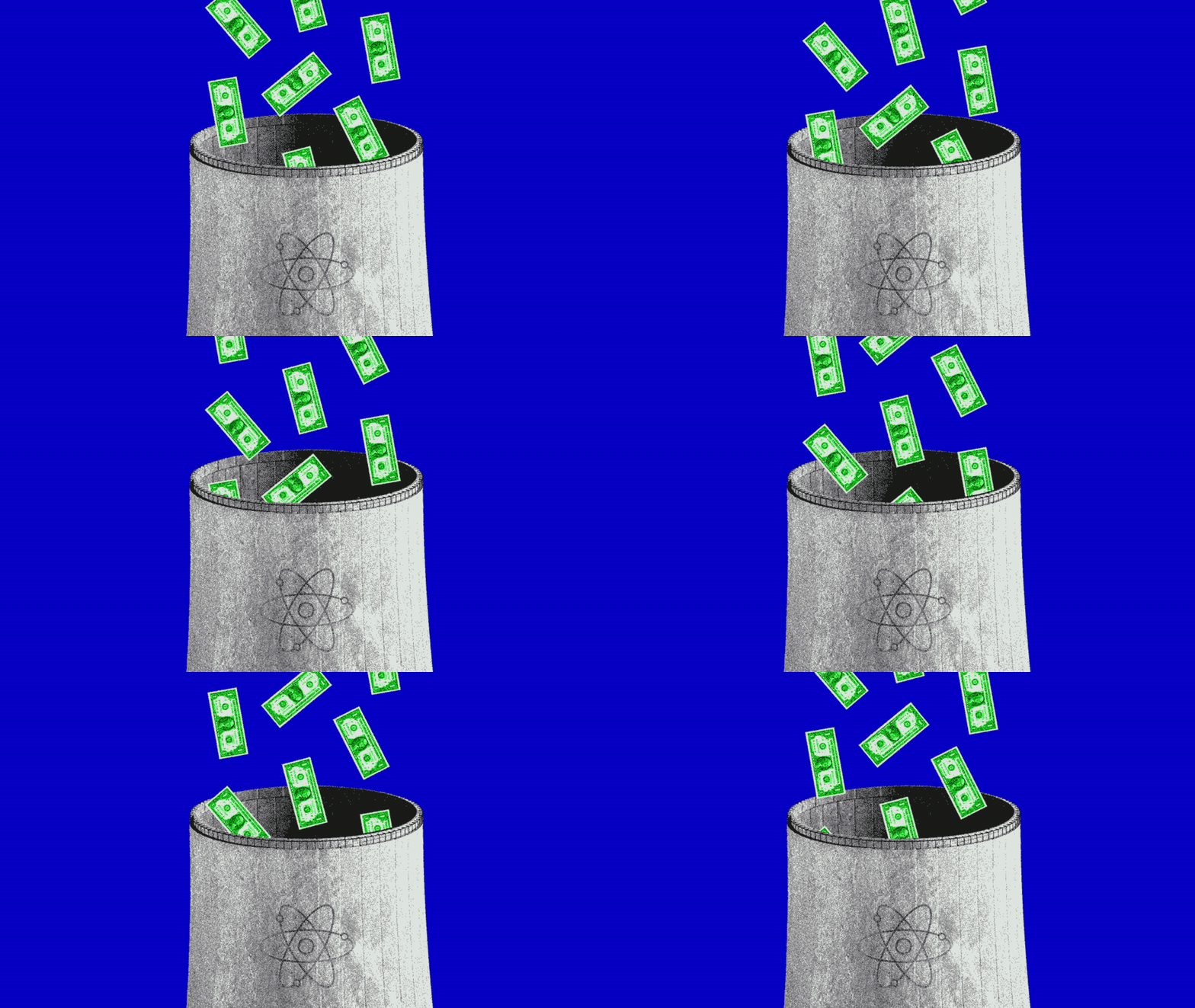
Venture funding for nuclear energy startups — both fusion and advanced fission — is surging.
By the numbers: Global investment is over $4.5 billion for 81 companies so far this year, according to PitchBook, putting 2026 on pace to smash last year's record haul of $6.2 billion for 93 companies.
Individual investors overwhelmingly oppose the Securities and Exchange Commission's proposal to ease the requirement that companies release quarterly financial reports.
The big picture: More than 99% of the comments opposed the proposal, according to a new tally.
A recent United Nations call to power data centers with renewable energy highlights a central tension in the AI boom: Renewables are rising, but so is reliance on fossil fuels.
Why it matters: Electricity demand for data centers is projected to at least double in the next four years, and where that power comes from will influence investments — and the trajectory of greenhouse gas emissions.
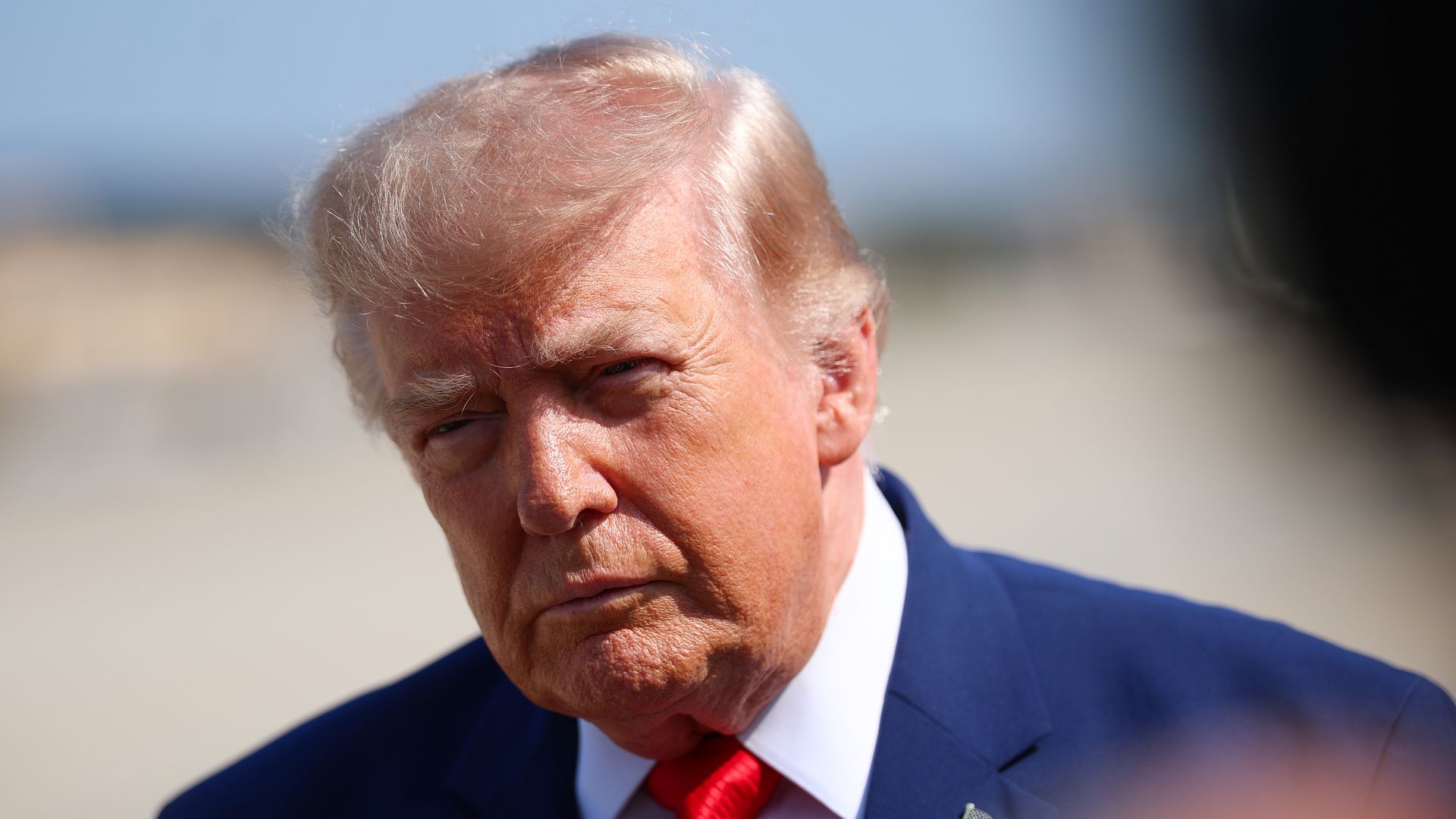
President Trump told Axios on Monday that he decided to pause U.S. strikes on Iran in order to give negotiations another chance, but stressed that he could order a return to expanded military operations if diplomacy fails.
Why it matters: The current negotiations are focused on a new deal that would reopen the Strait of Hormuz and relaunch talks on a comprehensive nuclear deal.
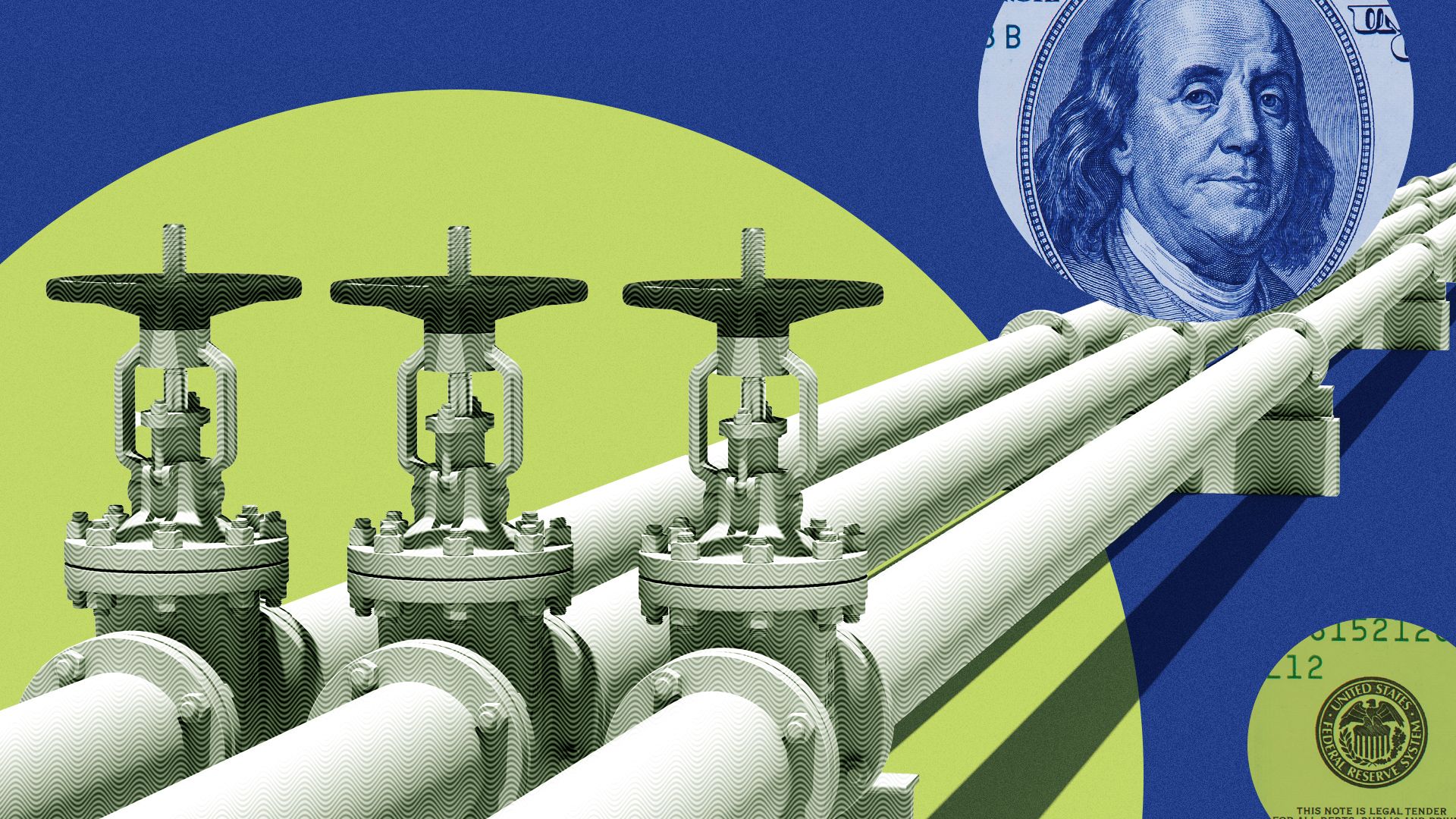
Kuwait's government has signed a $16 billion crude oil pipeline deal with North American private equity firms Blackstone, Brookfield Asset Management, and KKR.
Why it matters: This comes amid attacks on Kuwait's energy infrastructure by Iran, in retaliation for U.S. strikes.
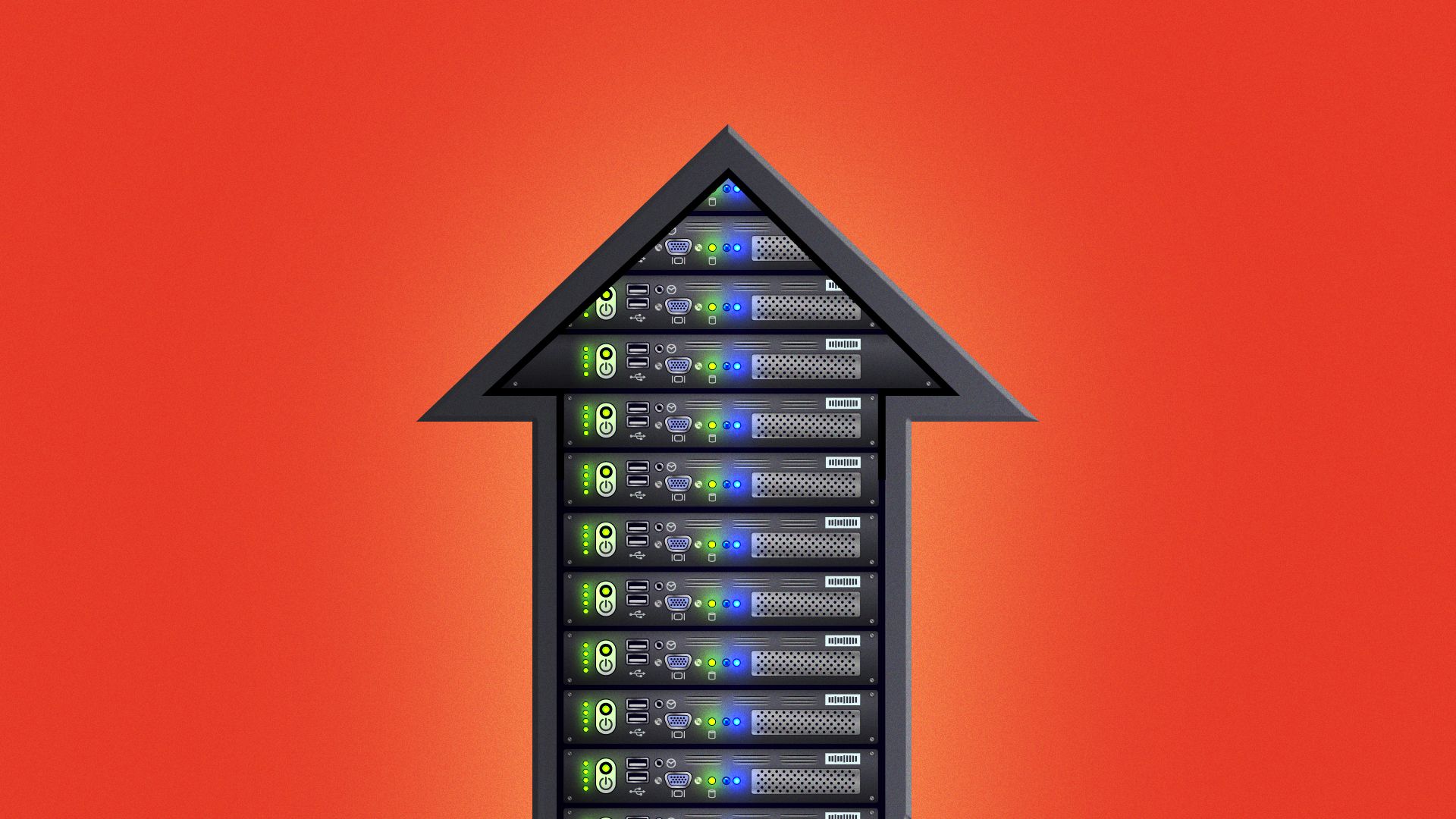
Local backlash and reliability concerns are challenging the vision of an AI boom built quickly using large off-grid data centers.
Why it matters: If giant projects stumble, trillions of dollars in AI investment and the industry's plans to rapidly expand data centers could be at risk.