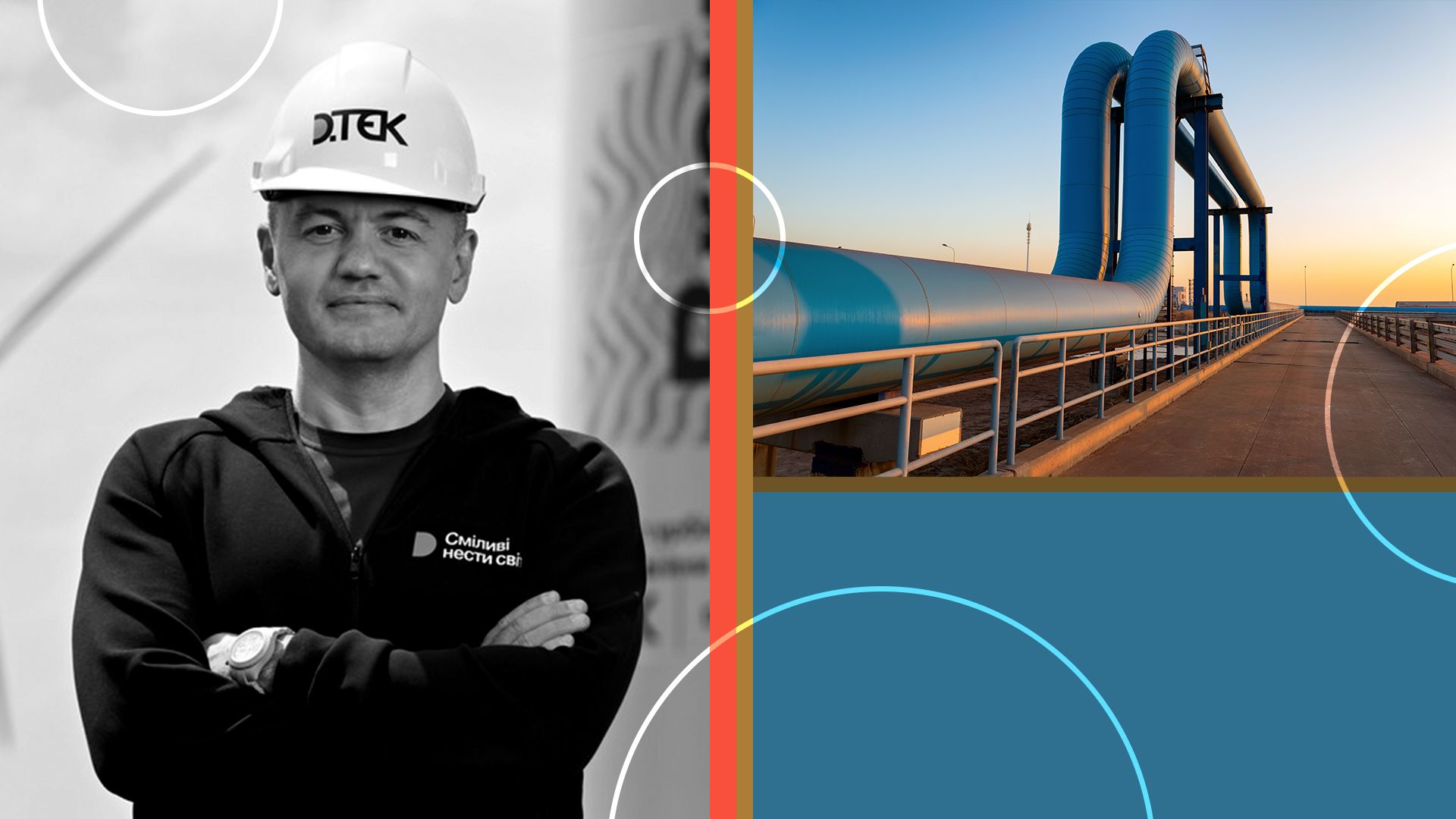
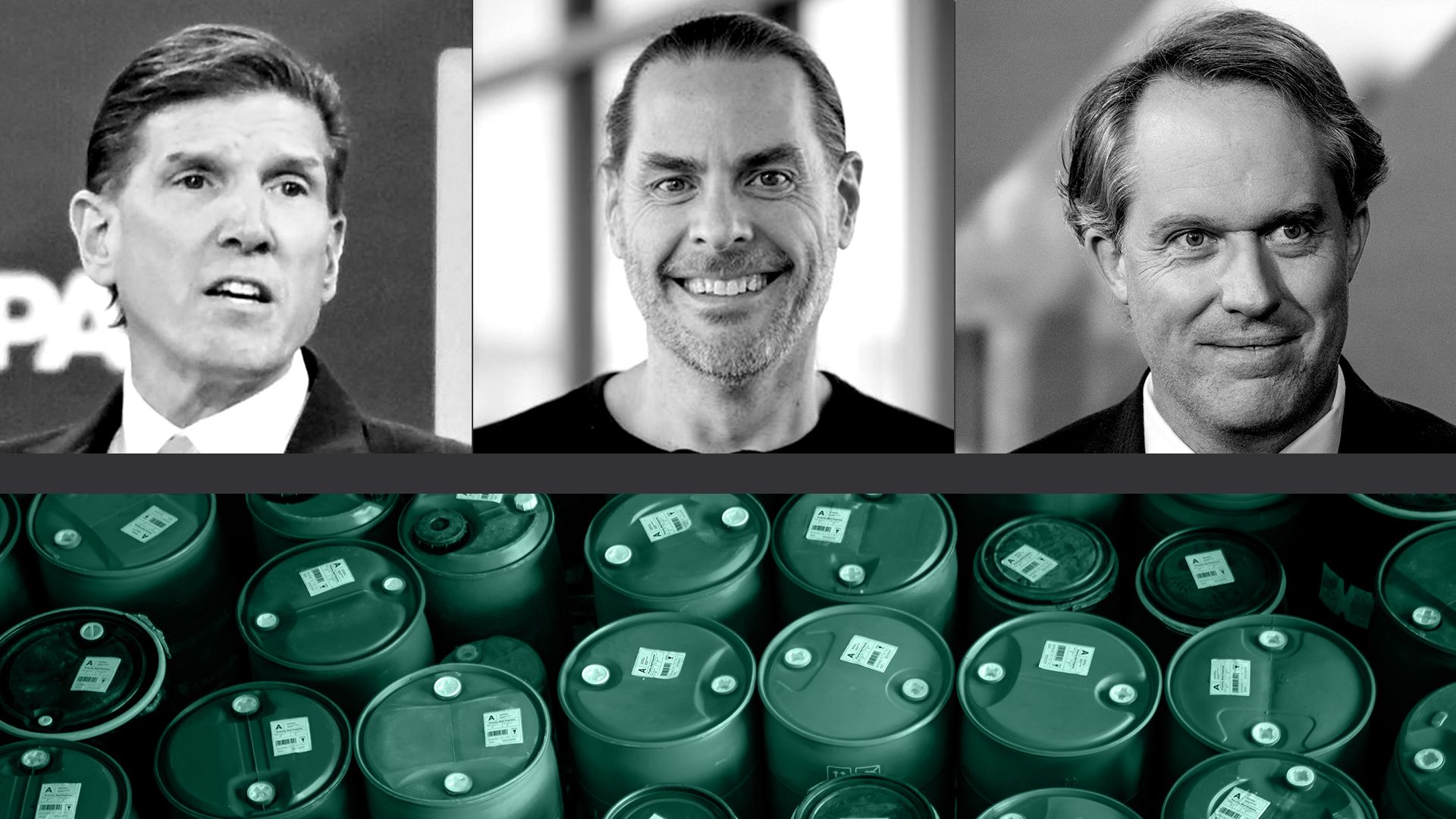
The head of Ukraine's largest private energy company says a recent U.S. liquefied natural gas shipment could help his country get through a tough winter — as long as Russian attacks don't cripple his ability to get power to customers.
Why it matters: Maxim Timchenko, CEO of DTEK, is racing to bring enough energy online for winter, in part by importing more from the U.S.
California is reassessing plans to phase out gasoline cars by 2035, even as it vigorously fights President Trump over its right to do so.
Why it matters: California's strict emission rules, blocked by the Trump administration in June, had been a template for other states that share its ambitious climate goals.
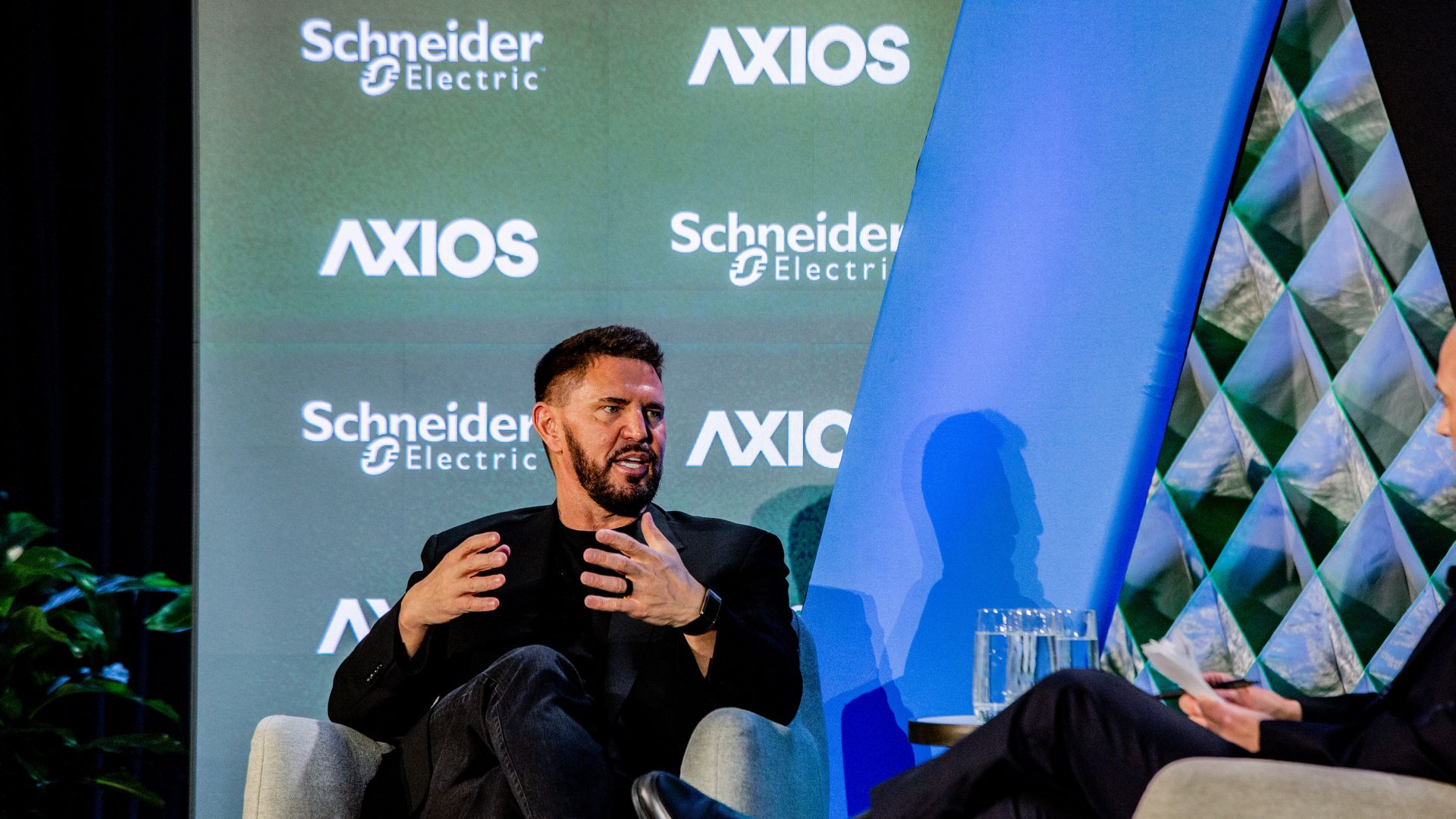
LAS VEGAS — AI energy needs will accelerate commercial fusion power by "two or three decades," said Rob Roy, founder and CEO of data center heavyweight Switch.
Why it matters: Tech and data center heavyweights are helping fund and signing power deals with fusion startups, in addition to other nuclear agreements.
A tech-friendly group, the AI Infrastructure Coalition, will launch Wednesday evening with a reception near the White House, to advocate for "every layer of the AI tech stack — from semiconductor manufacturers and energy providers to hyperscalers, data-center operators, private equity, and AI model developers."
Why it matters: AIIC, which debuts as data centers are becoming a flashpoint nationwide, tells Axios the group will push for President Trump's AI Action Plan and push back on increased scrutiny of the industry.
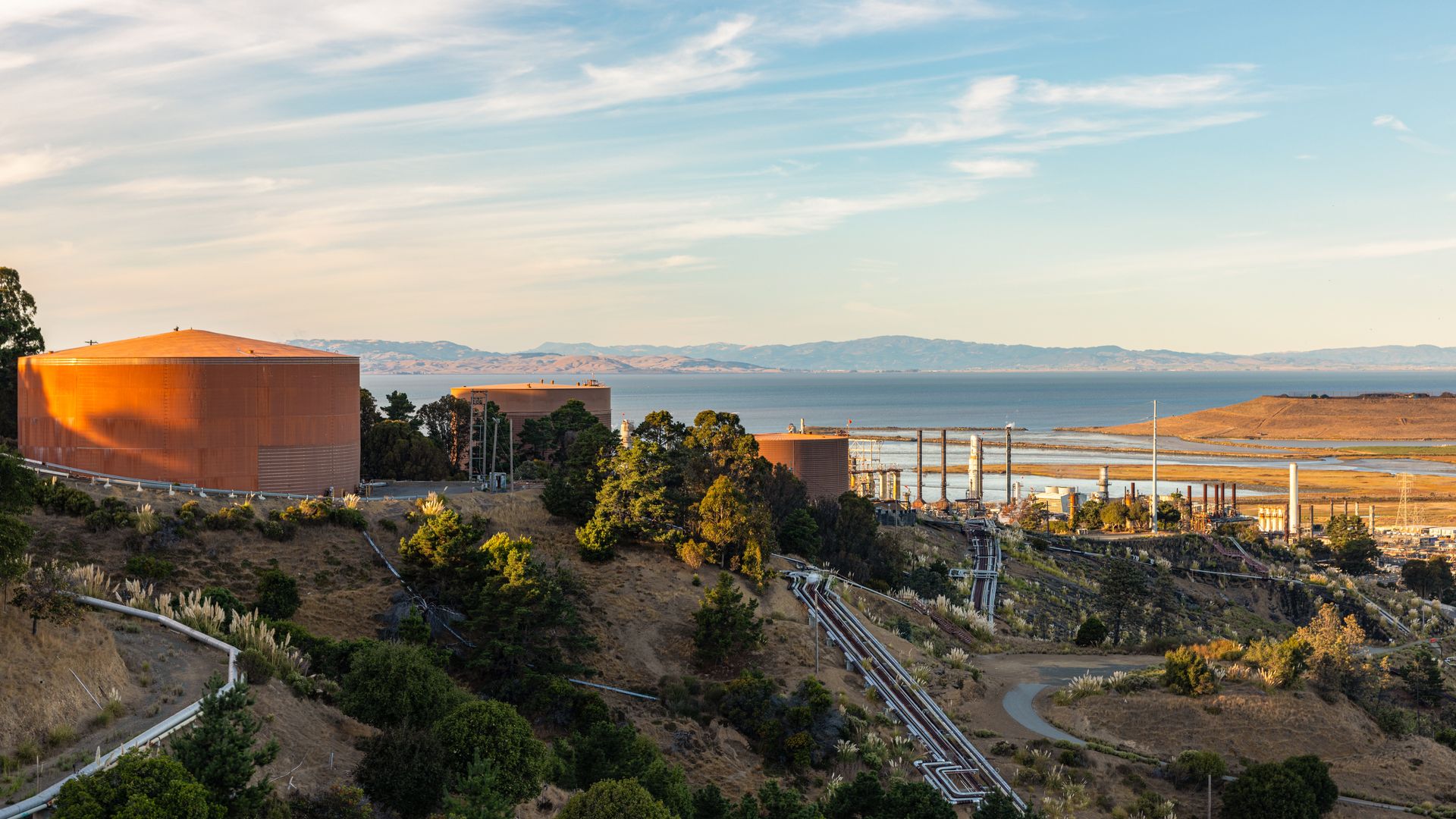
The challenge: In less than six months, California is on track to lose nearly 18% of its refining capacity — the equivalent of almost one gallon out of every five produced in the state. That sharp drop stems from decades of policies promulgated by state officials who are increasingly hostile to critical energy infrastructure.
California already has the highest gasoline prices in the nation. Without real policy reform, today's prices may look cheap compared to what's ahead. At the end of the day, a shift in energy policies could reduce financial burdens on all Californians.
Three startup CEOs are challenging the notion that nuclear waste is just something to bury.
Why it matters: Oklo's Jacob DeWitte, Curio's Ed McGinnis and SHINE Technologies' Greg Piefer are gaining attention from and influence with the Trump administration as well as other companies.
Toyota plans to move production of hybrid Corolla sedans from Japan to the U.S., a $912 million investment that will add some 250 manufacturing jobs across five states.
Why it matters: The announcement is part of Toyota's recent commitment to invest up to $10 billion in the U.S. over the next five years.