Cut red tape, protect supply: California needs energy reform

A message from: Chevron
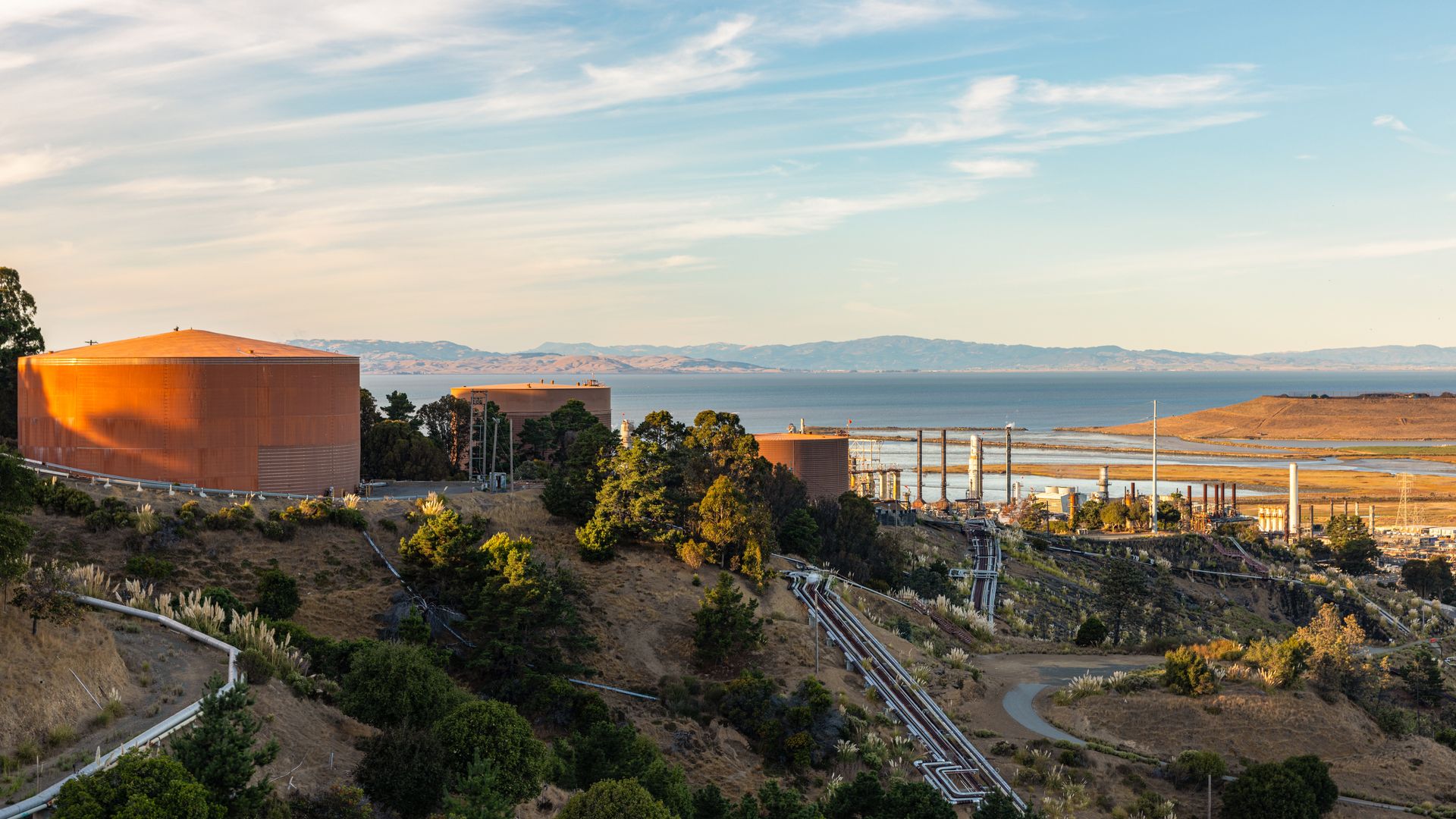
The challenge: In less than six months, California is on track to lose nearly 18% of its refining capacity — the equivalent of almost one gallon out of every five produced in the state. That sharp drop stems from decades of policies promulgated by state officials who are increasingly hostile to critical energy infrastructure.
California already has the highest gasoline prices in the nation. Without real policy reform, today's prices may look cheap compared to what's ahead. At the end of the day, a shift in energy policies could reduce financial burdens on all Californians.
The results: Two major refinery closures — Valero and P66 — would significantly reduce the state's ability to meet fuel demand. These shutdowns are not isolated business decisions; they're a symptom of flawed policy, red tape and rising costs.
- If Valero's Benicia refinery closes, Travis Air Force Base — a key recipient of its jet fuel — would need to rely on imports, raising national security concerns.
Based on California Energy Commission estimates, the Valero refinery can produce 3.7 million gallons per day of gasoline, nearly 25% of Northern California's gasoline production. If Valero is unable to sustain operations at Benicia, it raises serious questions about the viability of the refining industry in California.
The impact: State policies have made it tougher for energy companies to invest in critical energy infrastructure in California. As a result, Californians should brace for higher costs as supply constraints increase the risk of price spikes and fuel shortages.
Policy makers have been talking the talk — but there have not been any real changes that could improve the lives of Californians. In the upcoming legislative session, Chevron urges lawmakers to:
- Repeal the margin cap on refineries law.
- Remove unworkable emissions controls on at-berth vessels.
- Repeal the minimum inventory law.
- Support local crude oil production.
- Prioritize energy affordability and national security in policymaking.
California drivers deserve to understand that state policies — not just market forces — play a major role in the state's high fuel prices. Chevron supports changes to energy policies that promote:
- The responsible development of domestic energy resources.
- A balanced regulatory agenda.
- A pro-investment fiscal policy.
Looking ahead: Chevron has operated in California for over 140 years and intends to stay — but they must continually assess their business amid a challenging and uncertain policy environment. The state's energy future depends on leadership that recognizes the real costs of inaction.
The takeaway: Fuel price volatility today isn't accidental — it's the result of 20+ years of policies that have constrained supply, increased taxes and discouraged investment.
California must act now to encourage investment in refinery capacity and infrastructure, adopt energy policies that keep gasoline prices affordable for Californians and simultaneously strengthen the economy.