Hurricane Erin began moving away from the Mid-Atlantic Coast after its outer bands pummeled the North Carolina Outer Banks, but forecasters warned threats to the U.S. East Coast would continue for days after peaking on Thursday evening.
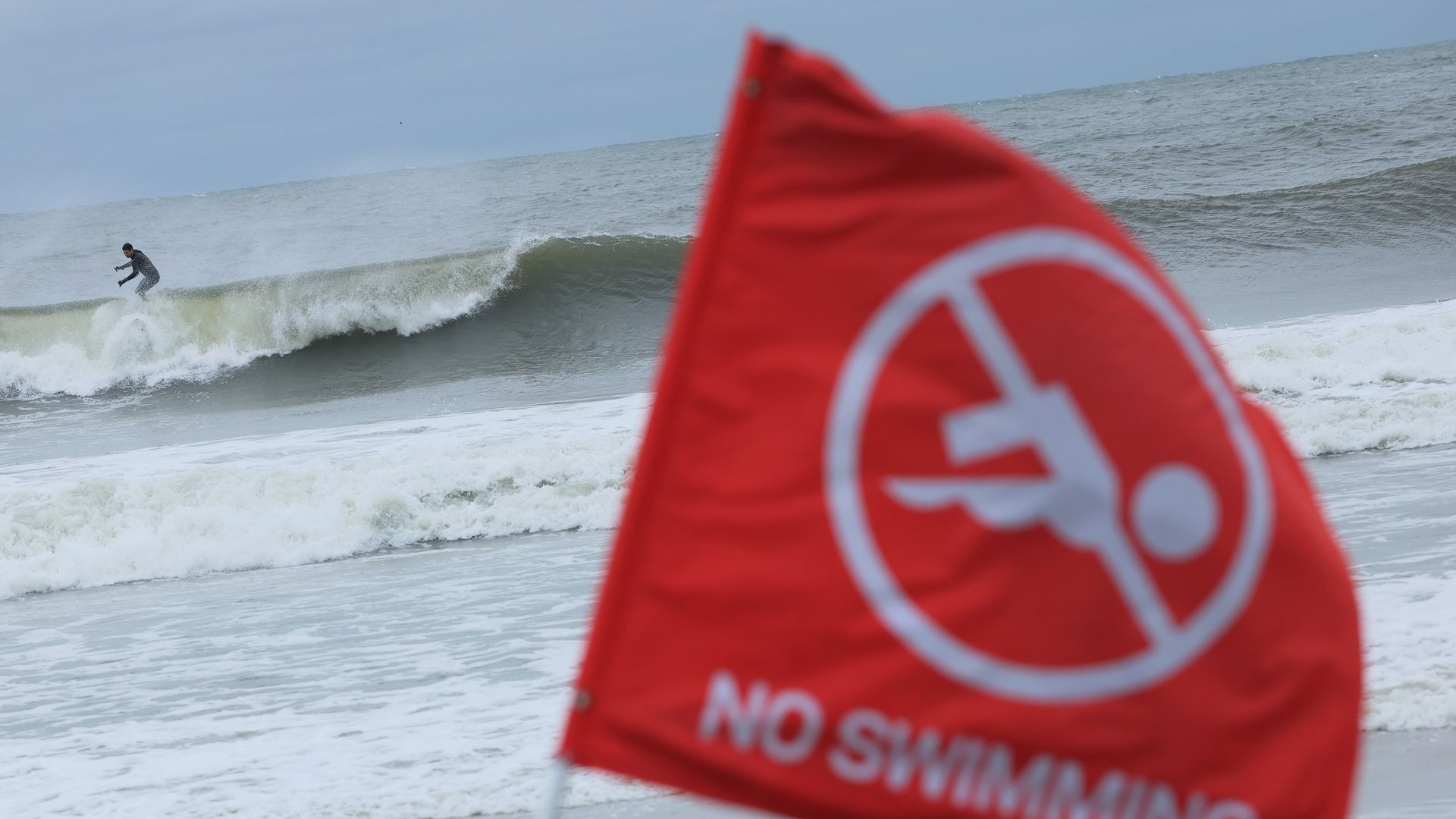
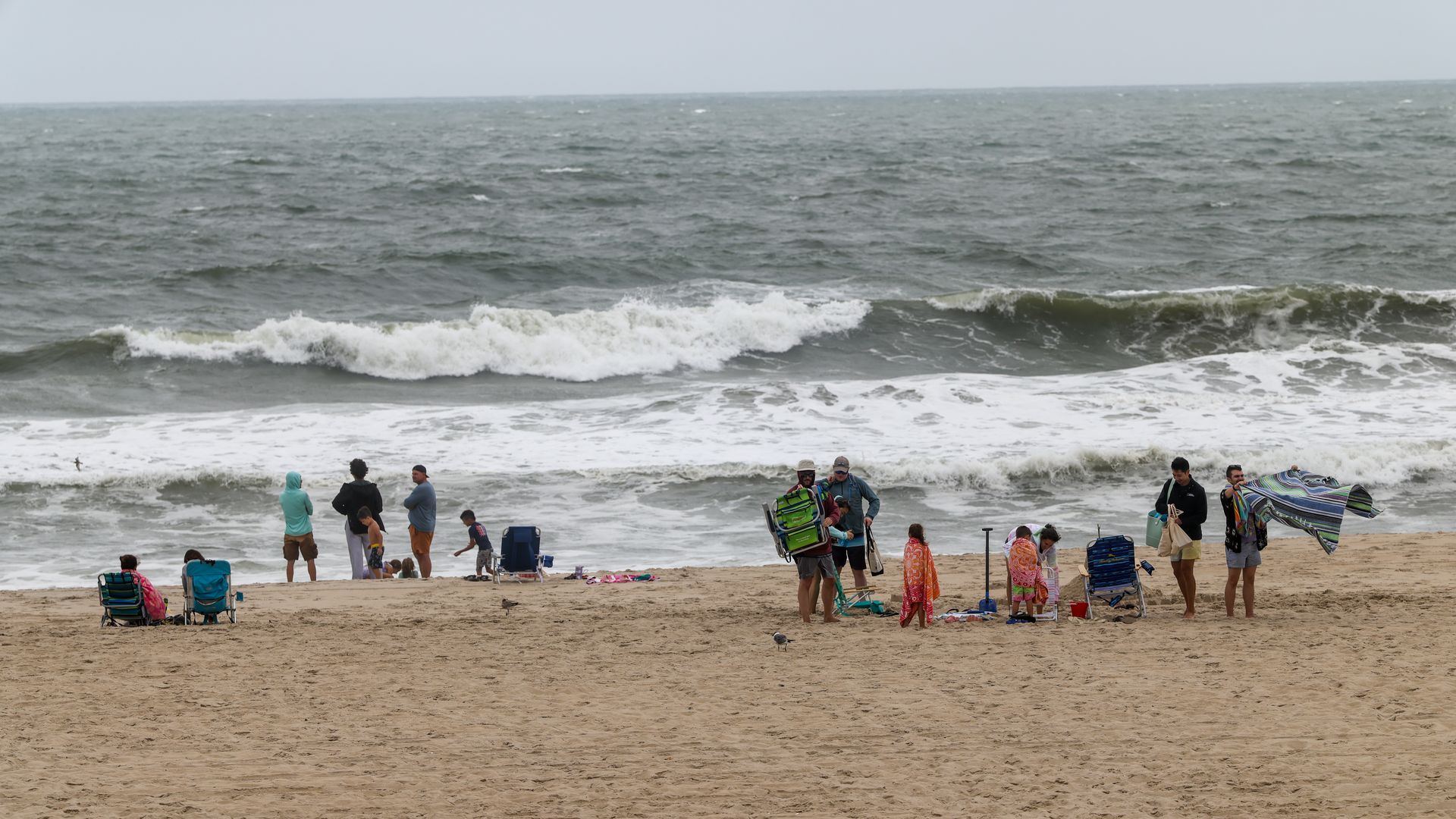
The big picture: The biggest threat from the Category 2 storm was tidal flooding as the "very large" storm system turned northeast, said the National Hurricane Center as it urged beachgoers not to swim at most U.S. East Coast beaches due to "life-threatening" surf and rip conditions.
Google on Thursday unveiled measurements of energy, water use and emissions from text prompts using its Gemini Apps AI assistant — and it's calling for greater industry consistency in tallying AI's environmental effects.
Why it matters: The artificial intelligence boom is bringing a surge in power-thirsty data centers, but the energy needs and climate footprint remain a moving and often hazy target.
Anthropic and the U.S. government's nuclear experts have developed a new tool that can spot the difference between a scientist asking Claude about nuclear reactors and a spy probing it for secrets about weapons development.
Why it matters: Scientists can benefit from the productivity boosts of Claude and other AI models — but distinguishing between legitimate research inquiries and potentially harmful useshas been tricky to do.
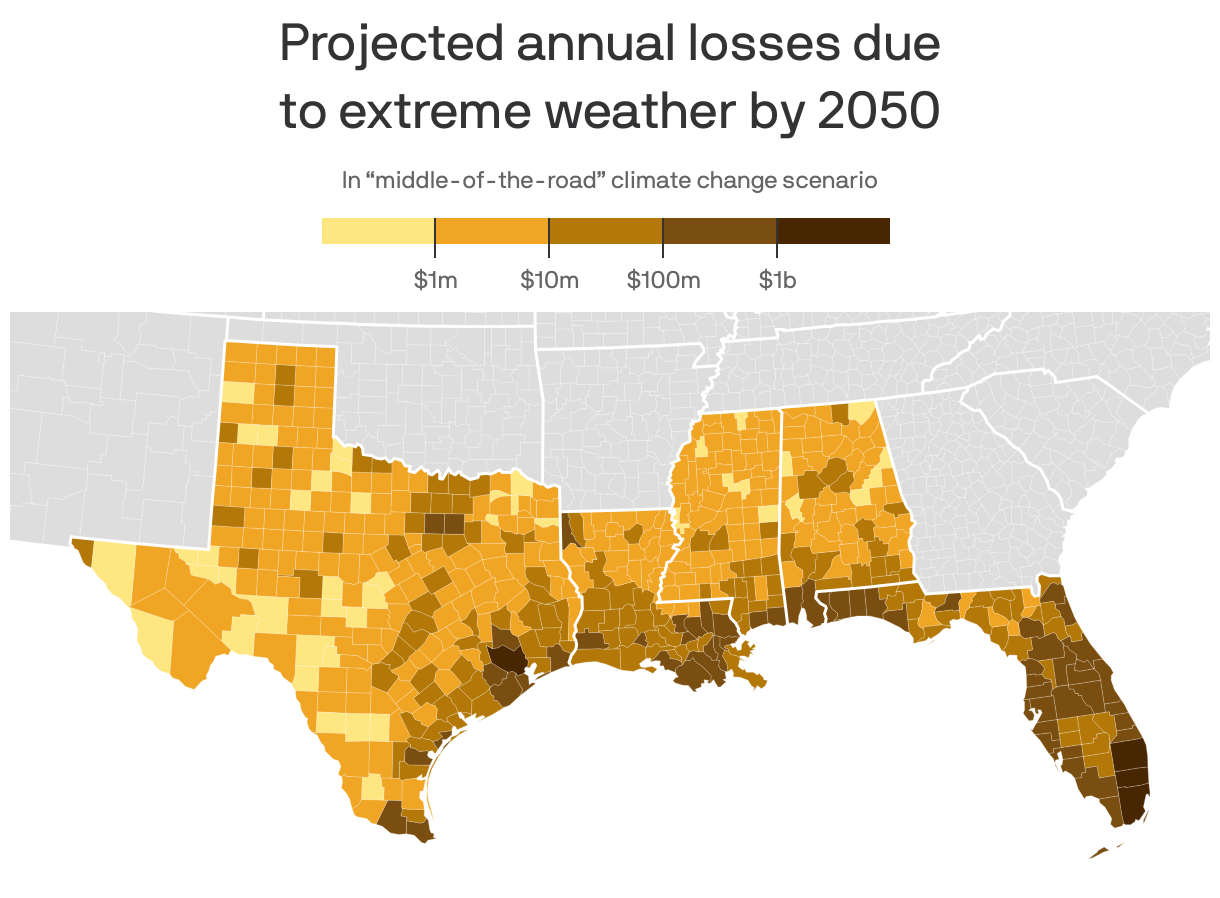
Reproduced from Urban Institute; Map: Axios Visuals
The U.S. Gulf Coast is facing billions of dollars in yearly property damage by 2050 due to extreme weather tied to climate change, per a new analysis.
Why it matters: Even as Gulf states are still reckoning with the aftermath of 2005's Hurricane Katrina two decades later, more pain and loss seems inevitable.
Editor's note: Read the latest on Hurricane Erin here.
Hurricane Erin was bringing tropical storm conditions at or near portions of North Carolina's coast on Wednesday night — as the "large" storm's outer bands brushed the N.C. Outer Banks, forcing officials to close a section of highway.
The big picture: The National Hurricane Center warned U.S. East Coast beachgoers on Wednesday against swimming at most beaches due to "life-threatening surf and currents," while the Outer Banks region was also under threat from "life-threatening" surge flooding and tropical conditions.