Tesla is recalling substantially all units of the Cybertruck pickup over a defect that could cause a panel to fly off in traffic.
Why it matters: The Cybertruck — which has been dogged by quality issues, causing several previous recalls — has been trumpeted by Tesla CEO Elon Musk as a reflection of the company's engineering prowess.
Fears have grown among National Weather Service advocates that the Trump administration is seeking to privatize or significantly downsize it — moves they say would undo a careful division of labor among government, academia and the private sector.
Why it matters: Abalance has been struck over decades within the "weather enterprise" in which NOAA collects raw weather data from the Earth's deep oceans to space, disseminates forecasts through NWS and issues life-saving watches and warnings.
Chip maker Nvidia, tech players including Microsoft and big energy companies hope to better harness AI to improve power sector operations.
Why it matters: AI's energy thirst gets tons of headlines, but AI also has the potential to make grids more efficient, help integrate new tech, and lower costs.
The Abu Dhabi-based wealth fund ADQ and U.S. heavyweight Energy Capital Partners aim to invest over $25 billion in projects to power data centers and other industrial consumers.
Why it matters: Their new U.S.-focused, 50-50 partnership unveiled Wednesday is stark evidence that AI's voracious power demand is attracting fresh capital as the nation's electricity needs rise.
Three technology themeswill define the future of the auto industry.
Electric vehicles
EVs have grown to about 9% of all new cars sold in the U.S., but despite big discounts and more choices, charging and affordability are still a hindrance.
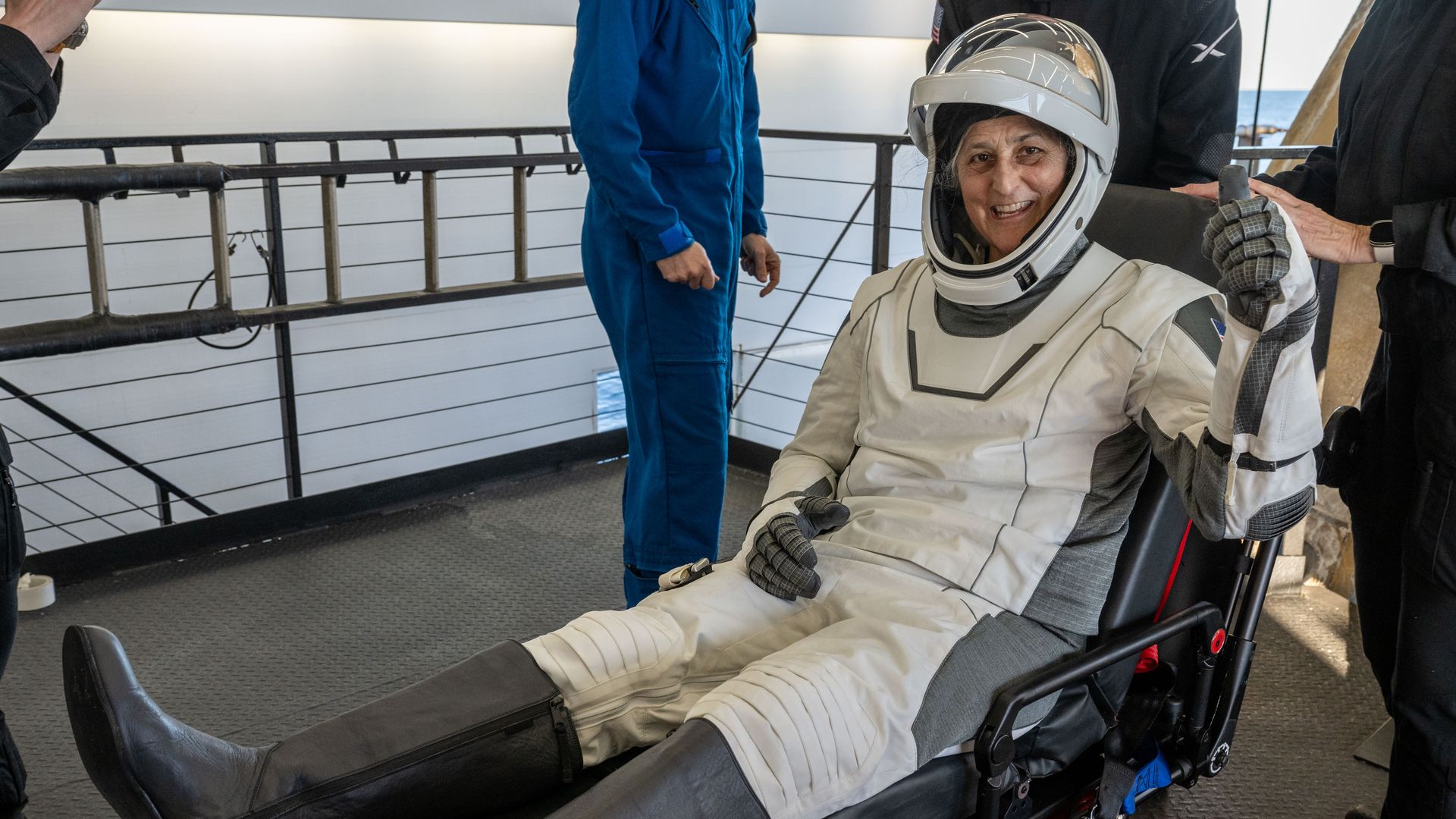
NASA astronauts Suni Williams and Barry "Butch" Wilmore returned to Earth on Tuesday after spending some nine months in space.
The big picture: The astronauts traveled to the International Space Station in June 2024 as part of the Boeing Starliner's first crewed test flight. They drew global attention after technical issues and safety concerns delayed their return, but they rejected claims they were stranded or "stuck."
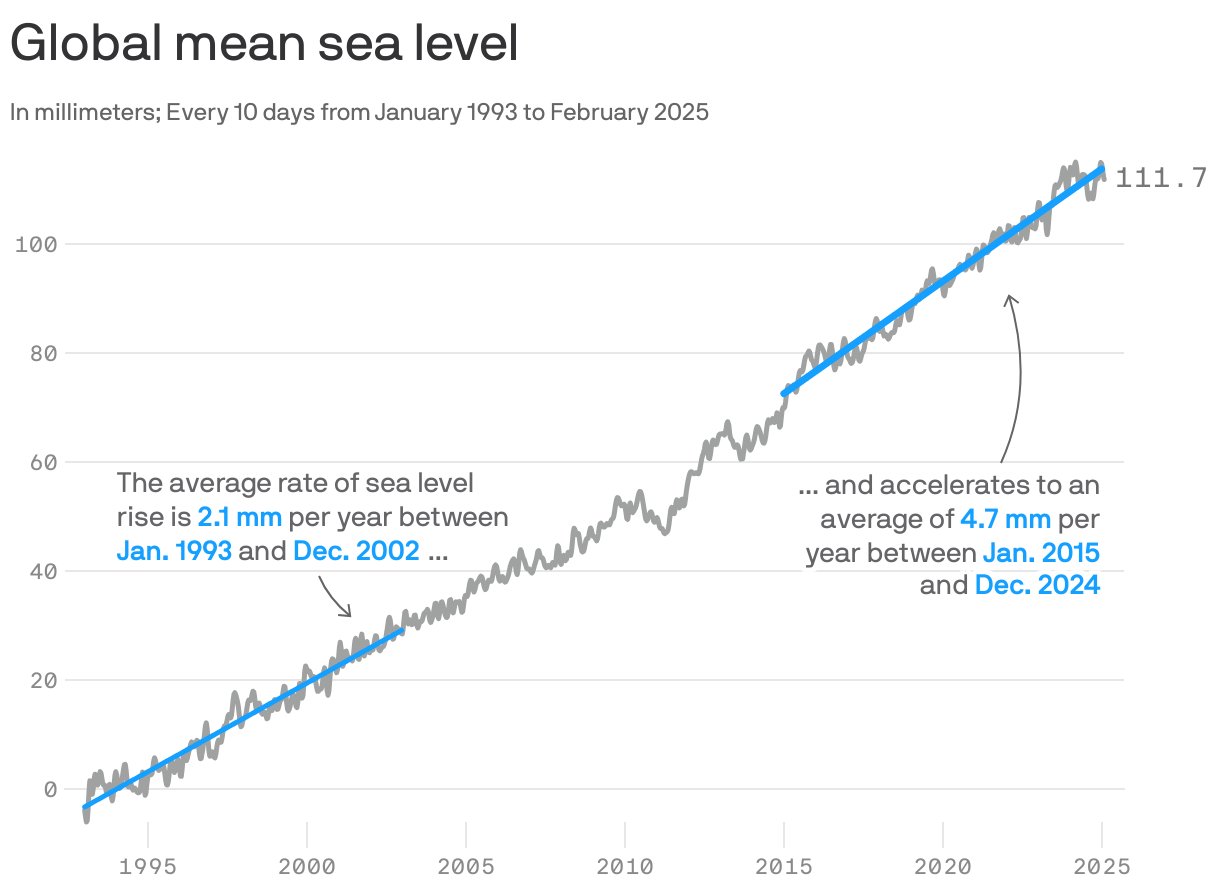
Why it matters: The World Meteorological Organization's State of the Global Climate 2024 report is designed to inform policymakers of the status of the climate system.