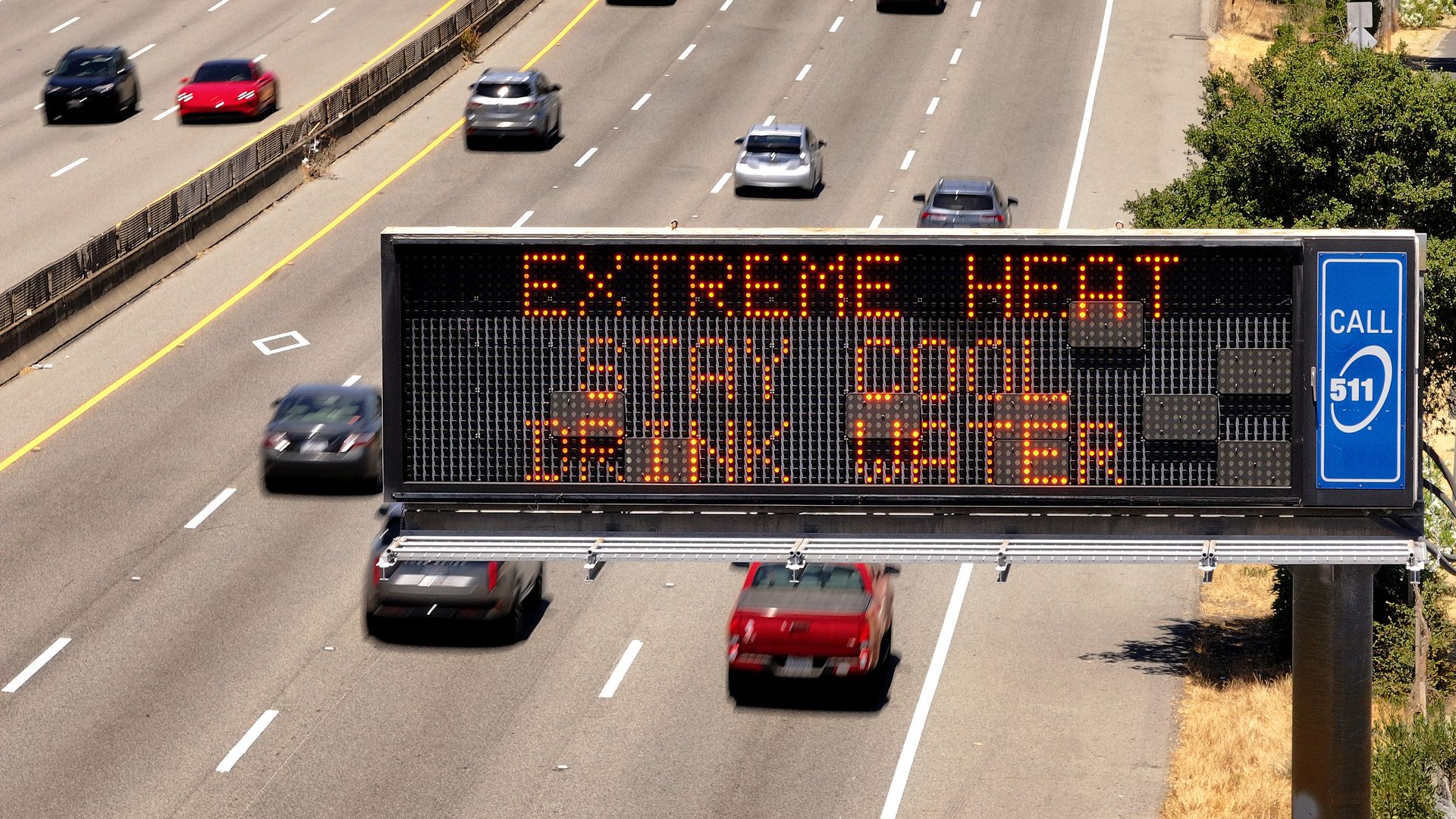
The record-shattering heatplaguing much of the East and West shows no signs of ebbing. Instead, it may actually spread further during the next seven days, from the West to the Southeast.
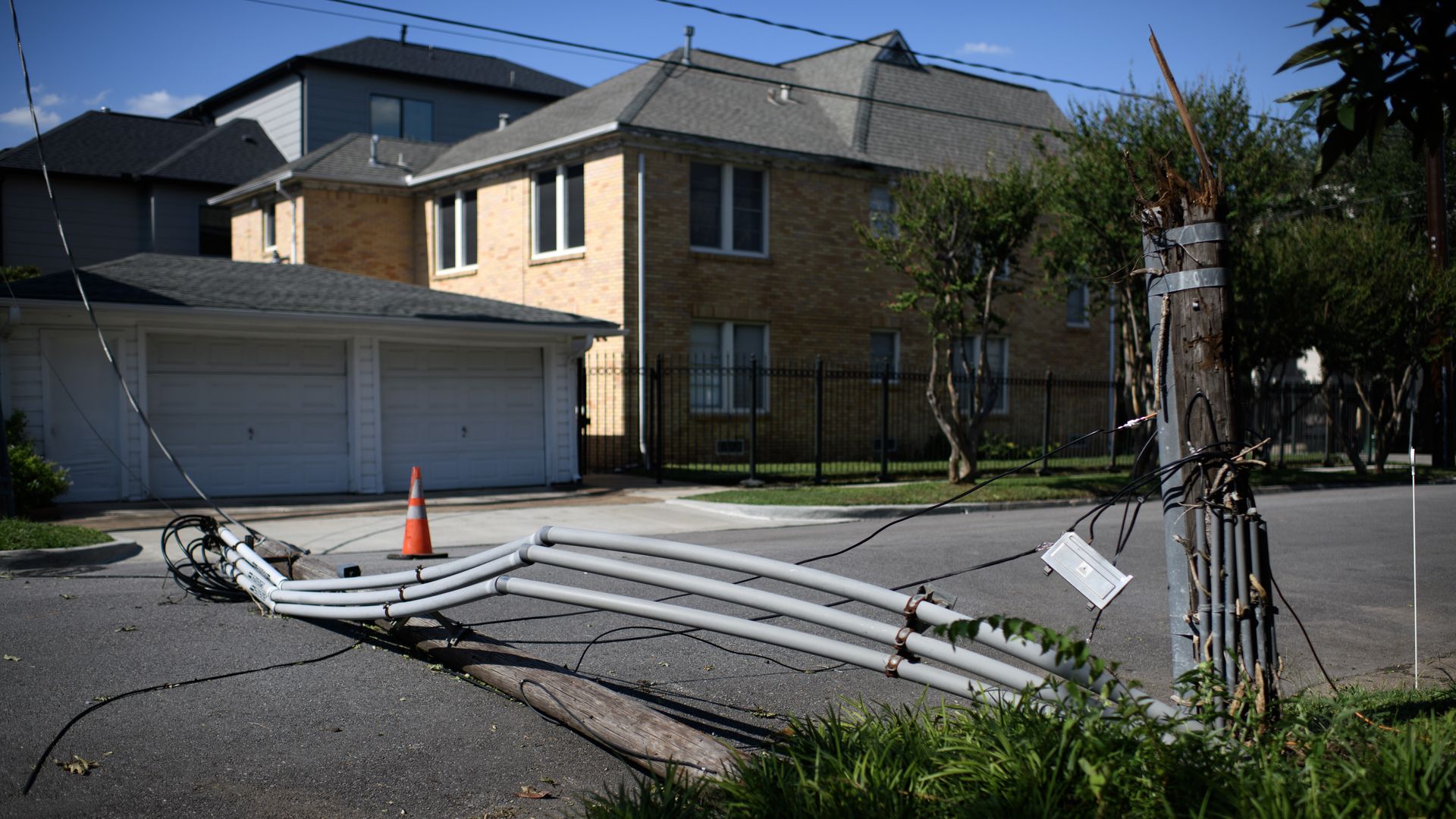
It's been miserably hotand unbearable in Houston, especially for the more than 1 million CenterPoint Energycustomers still without power three days after Beryl hit.
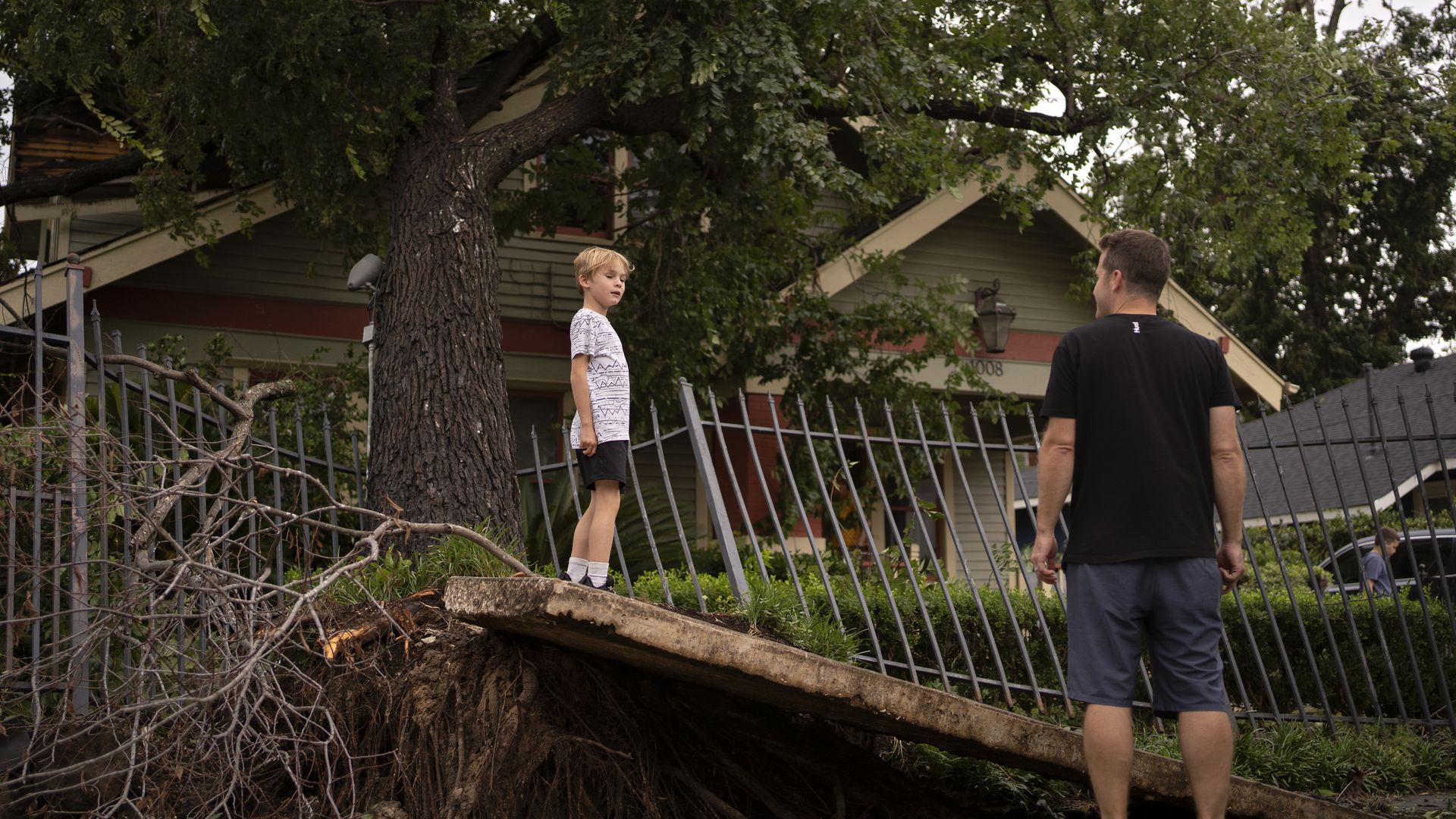
Why it matters: Houston is no stranger to storms, yet Beryl — a damaging hurricane, though not the worst we've seen by far —revealed the nation's fourth-largest city's lack of preparedness to respond to mass power outages.
The Energy Department is giving automakers and suppliers nearly $2 billion to save at-risk or shuttered plants — if they convert to serve the electric vehicle market.
Why it matters: The money via the 2022 climate law is among the most direct White House attempts to fuse manufacturing and climate policies.
The big picture: Urban heat islands (UHI) are boosting temperatures within 65 major U.S. cities that are home to 50 million people, or 15% of the total U.S. population, according to Climate Central's analysis.
Why it matters: A key goal of the standard is to avoid rebuilding in the same vulnerable locations, only to see new structures get hit again, with more taxpayer dollars drained in a repetitive cycle.
The new GOP platform is two things at once on energy: an aspirational document yet one that arguably describes present reality, too.
Why it matters: The Trump-y document calls for the U.S. to be energy "dominant" and to "drill, baby, drill" and end "crippling restrictions" on production and ... you get the point.
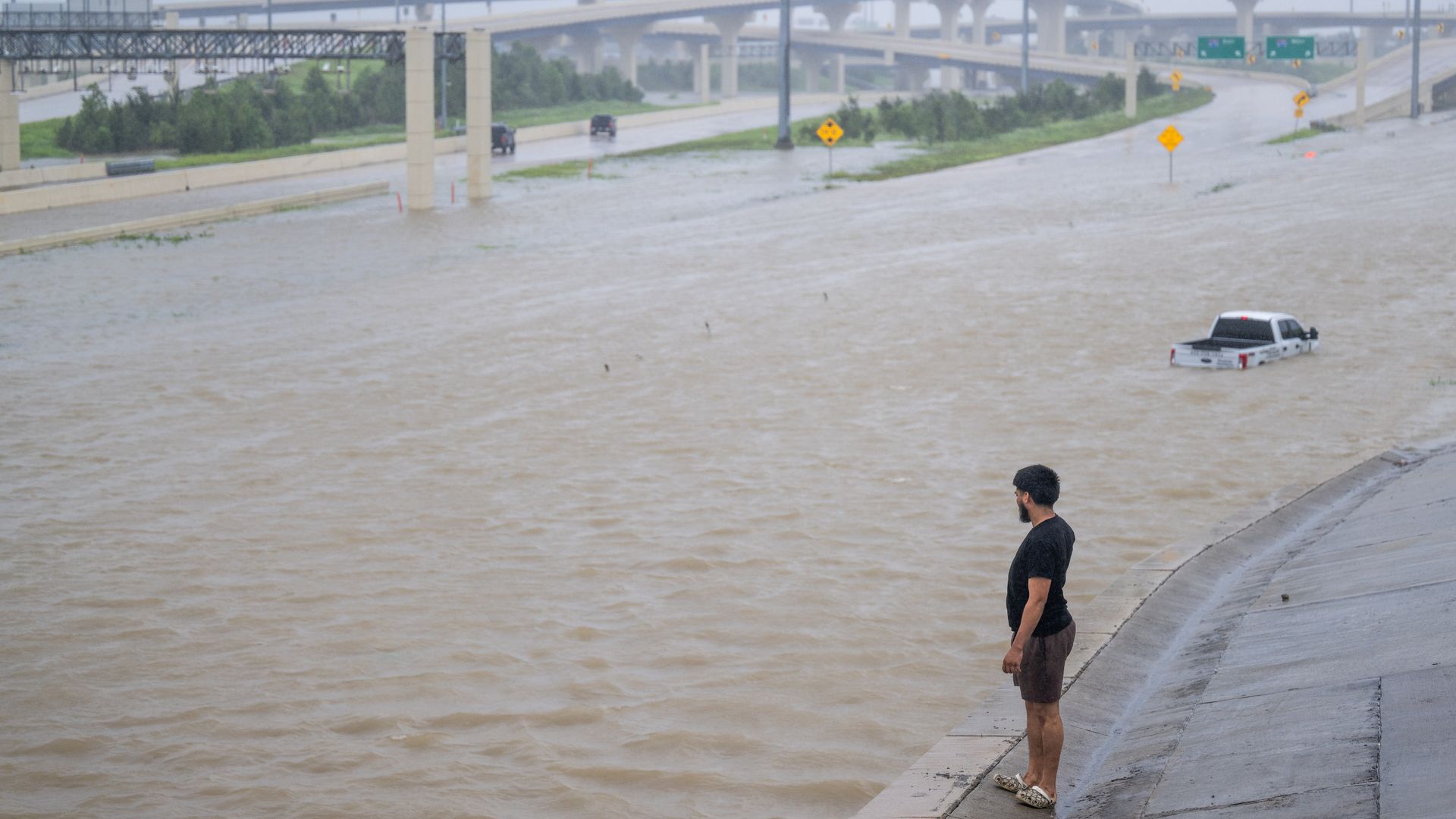
Former Tropical Storm Beryl weakened into a tropical depression Monday after killing at least eight people in Texas and Louisiana and causing widespread power outages and flooding in metro Houston.
Threat level: As of Tuesday evening, there were still widespread outages in the Houston area. Portions of eastern Texas, western Louisiana and Arkansas still face the threat of flooding rains and tornadoes.