Fresh data on efforts to stitch clean energy into countries' pandemic response spending shows a slightly greener hue, but it's still pretty faint.
Driving the news: The International Energy Agency's updated "Sustainable Recovery Tracker" finds that governments together have earmarked over $710 billion for clean energy as of last month.
Human well-beingis strongly tethered to energy access, but a new study finds high-consuming countries could scale back consumption without sacrificing health and happiness.
Driving the news: The Stanford-led paper in Ecosphere analyzes energy use in 140 nations from 1971-2018 against nine metrics like life expectancy, infant mortality, happiness, economic performance and more.
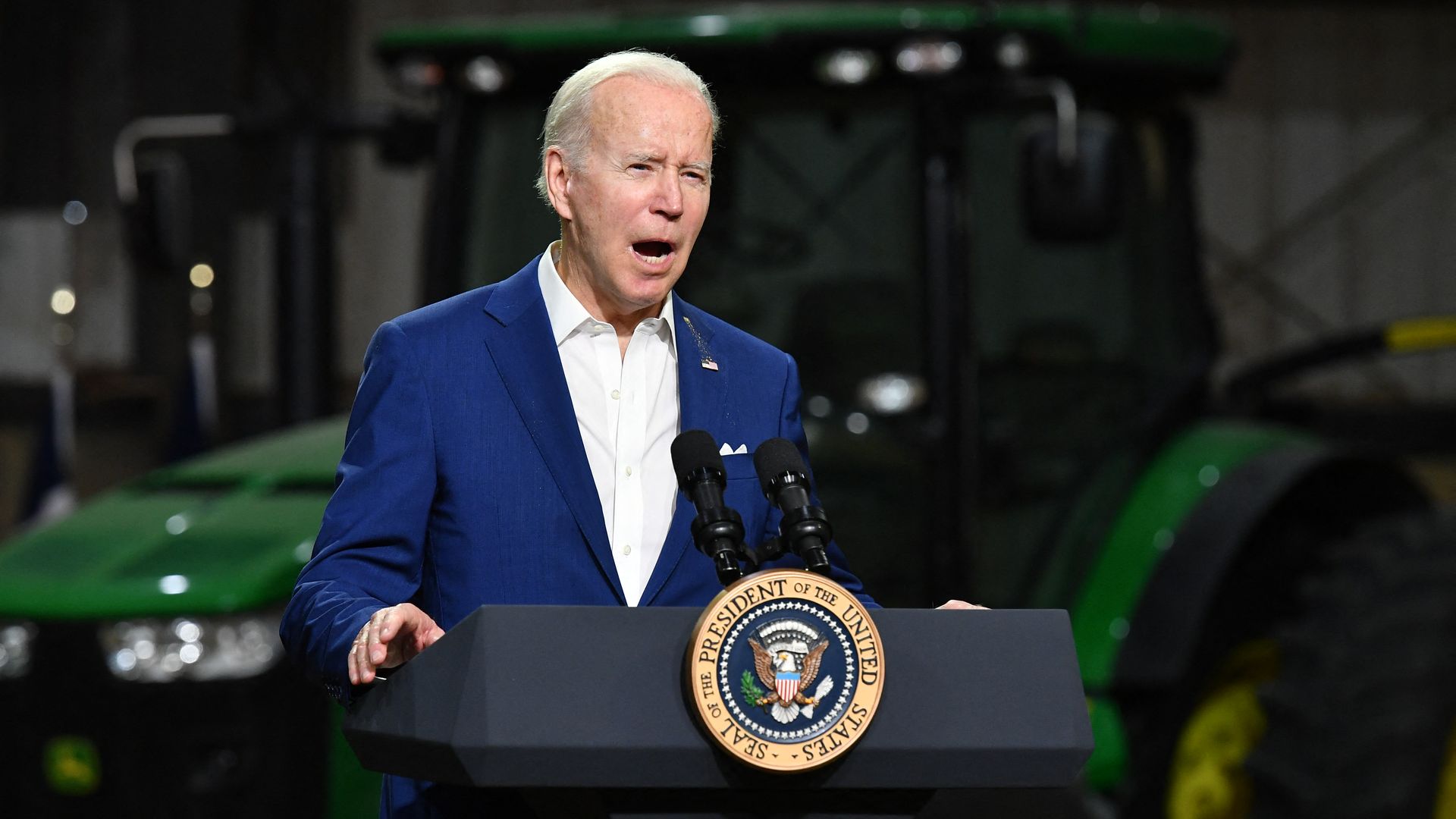
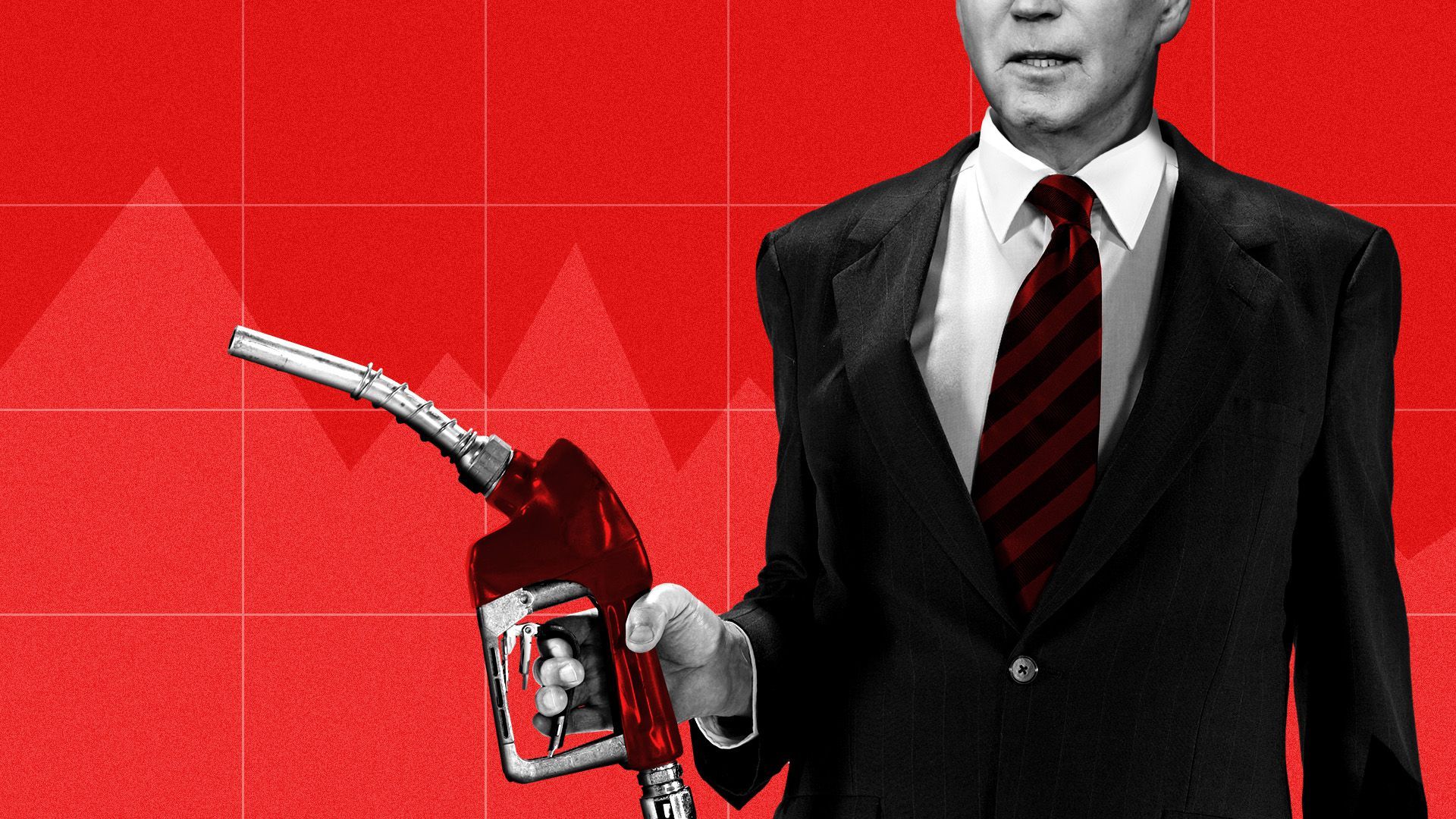
Gas prices reached record highs after Russia invaded Ukraine, prompting the Biden administration to scramble to reduce pain at the pump.
The latest: The Biden administration is set to announce new policies to help curb prices, including waiving requirements that limit the amount of ethanol in gasoline during summer months.
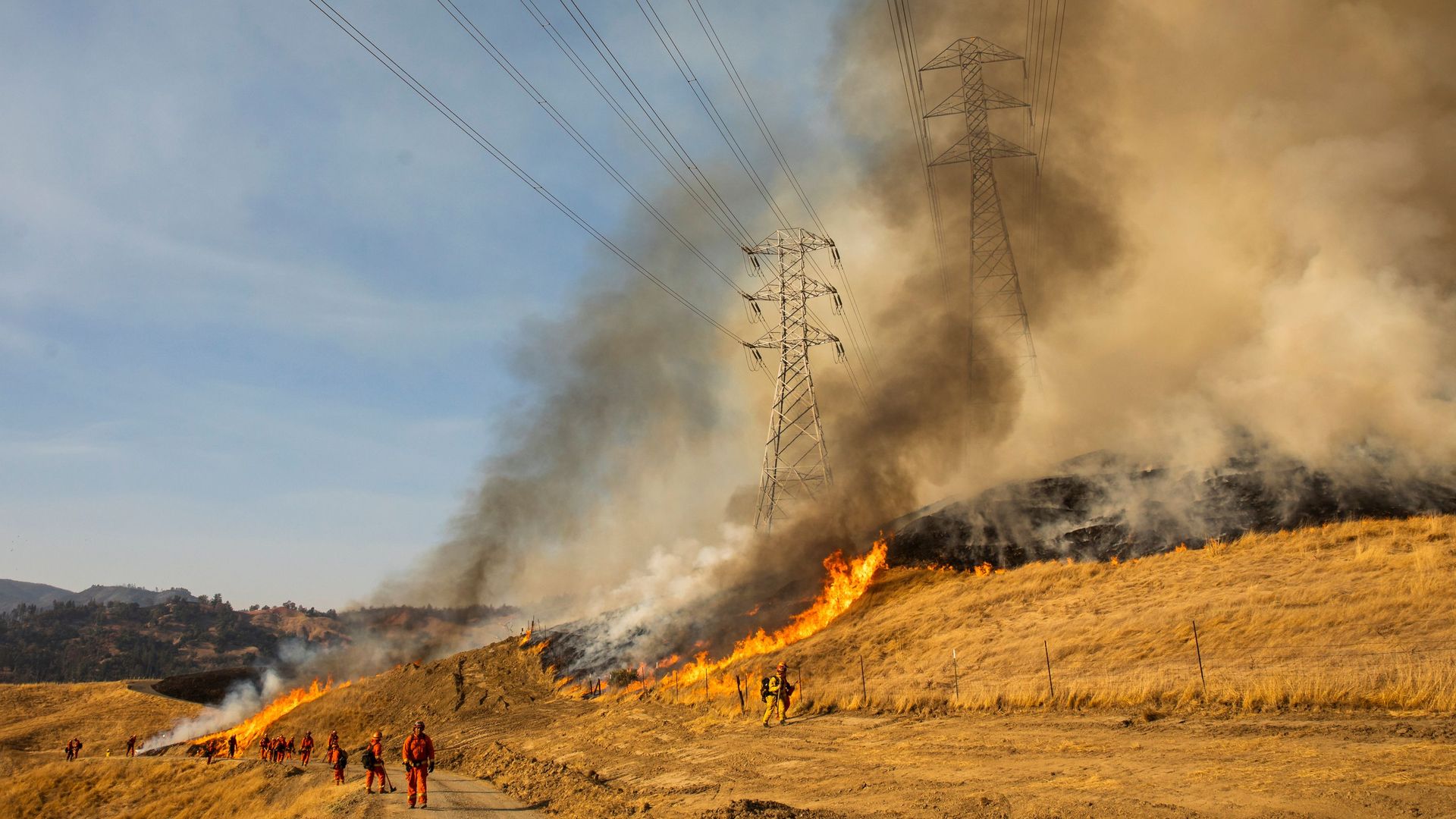
Utility Pacific Gas & Electric agreed Monday to pay $55 million in penalties and costs to settle civil cases over two massive wildfires that affected six Northern California counties.
Why it matters: Investigators found PG&E's ageing, faulty utility equipment sparked the 2019 Kincade Fire and the 2019 Kincade Fire. But the agreement means the nation's largest utility will avoid criminal prosecution for the blazes, per a statement from the company.
The Interior Department announced Monday it's investing $46 million to address the impacts of climate change in Indigenous communities.
Why it matters: Researchers have found that the near-total loss of historical lands leaves Indigenous people in the U.S. more vulnerable to climate change. Its disproportionate impact, including reduced access to traditional foods, decreased water quality and exposure to health hazards, severely exacerbates socioeconomic inequities.
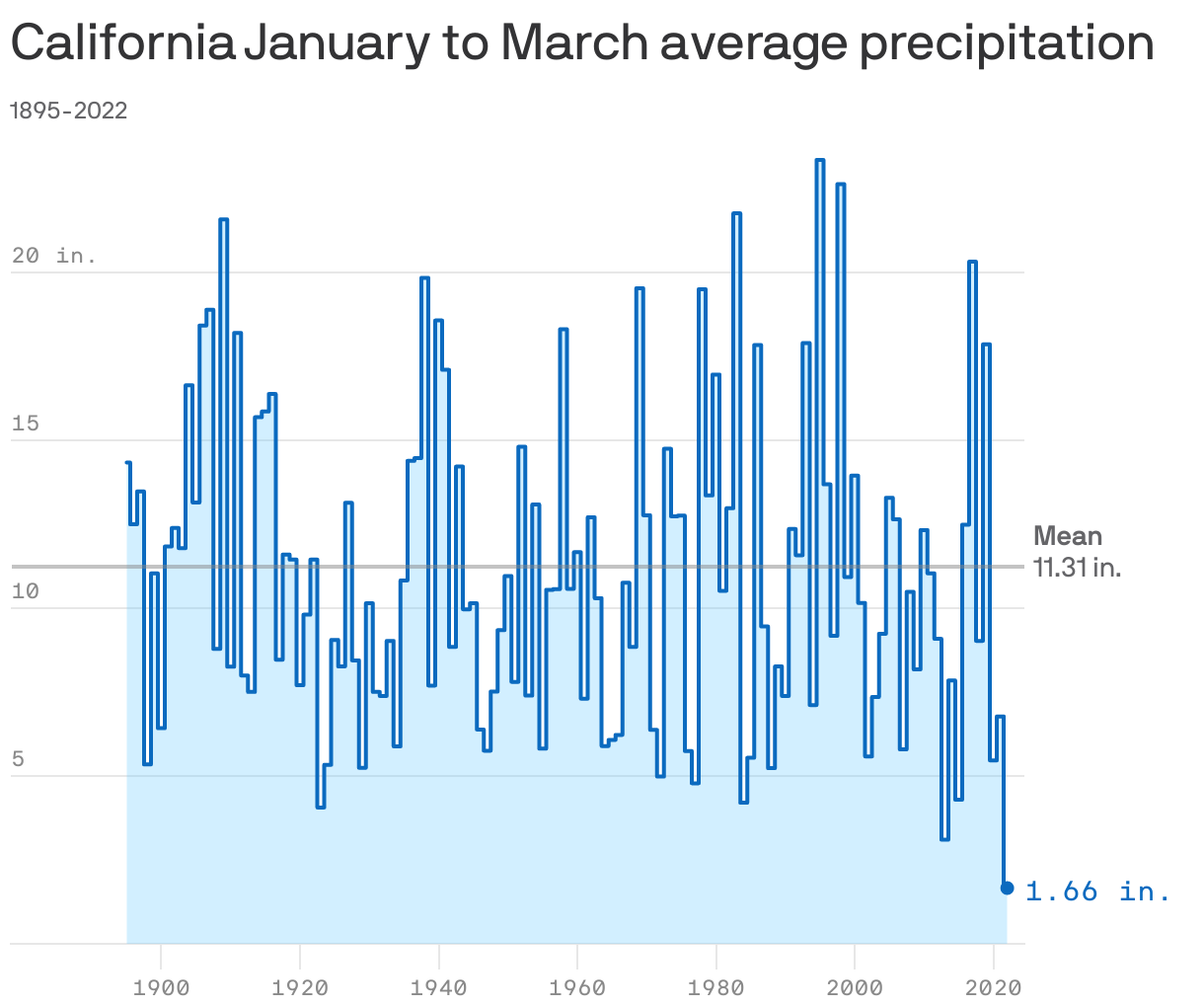
California is entering the dry season with its water resources in a precarious position, having seen its driest start to the year on record. A heat wave last week sent temperatures soaring into the 90s and even triple-digits in some locations, as the paltry Sierra Nevada snowpack shrunk even further.
Why it matters: Water and wildfire woes lie ahead for the nation’s most populous state, as spring runoff into reservoirs slows to a trickle, and forests dry out unusually early in the year.