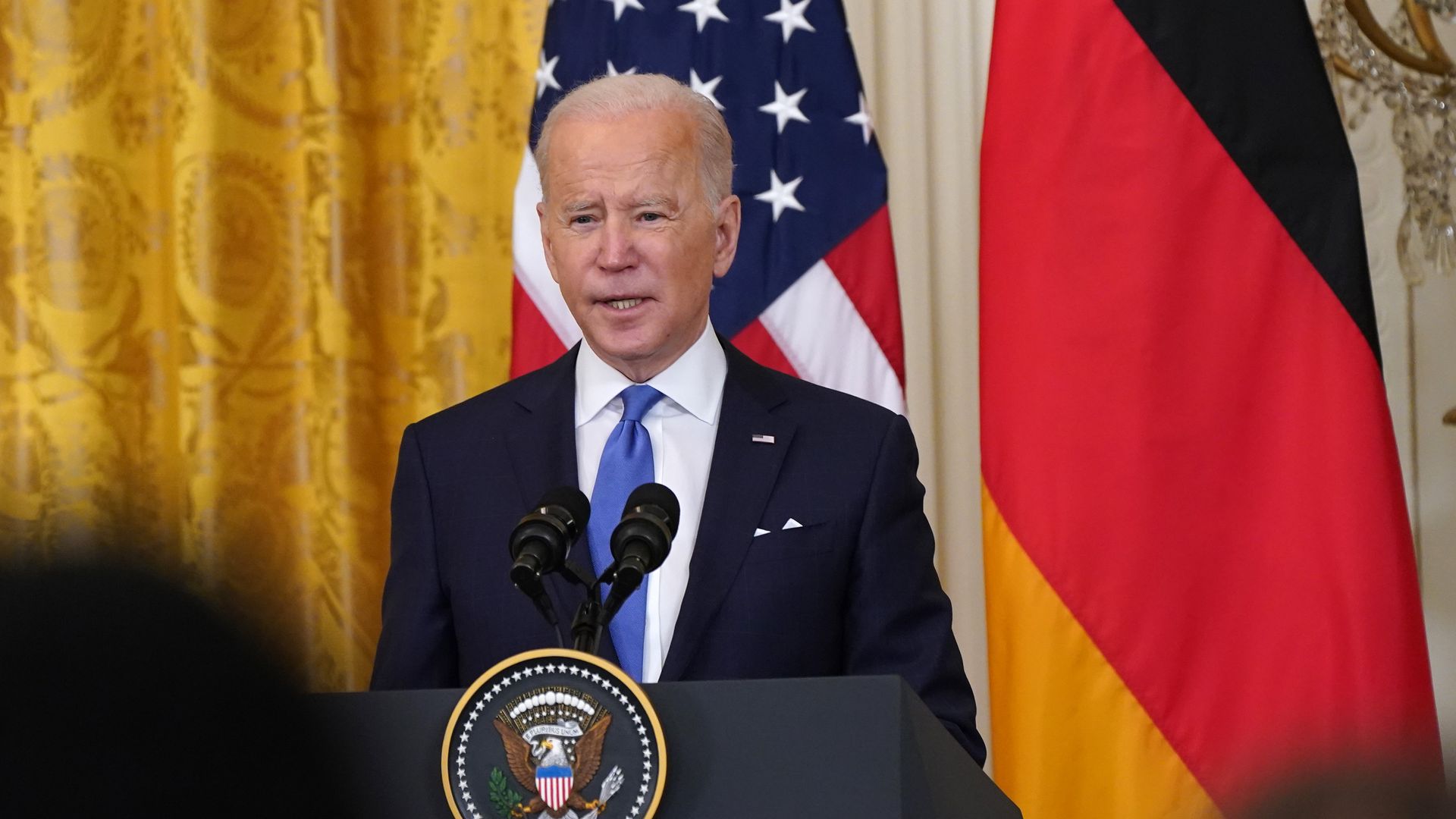
President Biden said Wednesday he will reverse last year's decision to waive sanctions on the entity and corporate officers behind the Nord Stream 2 pipeline, a day after Germany froze certification of the Kremlin-backed project.
Why it matters: It's an escalation in the U.S. sanctions response to what the administration has called the "the beginning of a Russian invasion" of Ukraine, and delivers a fresh blow to an $11 billion pipeline that has proven to be a massive headache for President Biden ever since he waived sanctions last May.
Revel, a New York-based company best known for its rentable, bright blue electric mopeds, has raised $126 million in Series B funding led by Blackrock.
Why it matters: Investors are betting that Revel can build a successful business where others haven't done so well, or have taken a drastically different approach — namely operating mopeds at scale, and a ride-hailing service that employs its drivers. Oh, and it's also running electric car charging stations.
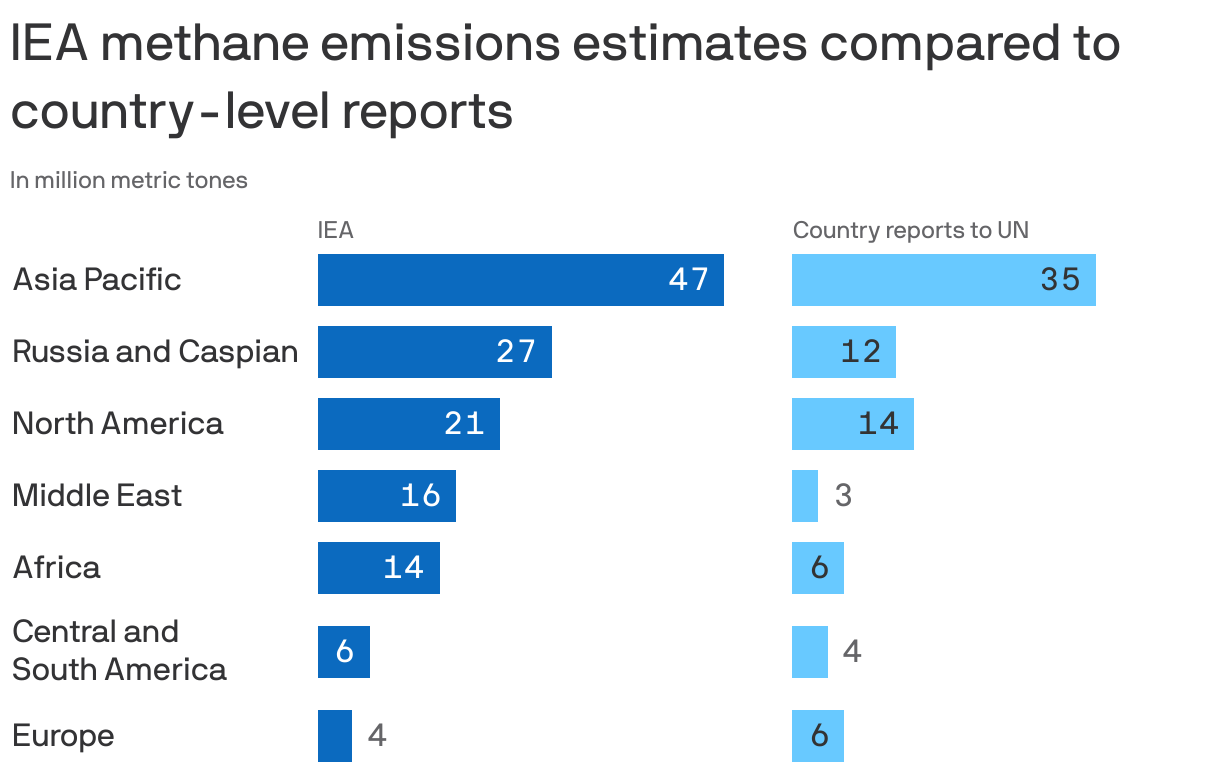
Data: International Energy Agency; Chart: Baidi Wang/Axios
The International Energy Agency is sounding the alarm that annual energy sector methane emissions are much higher than nations are reporting to the United Nations climate body.
Why it matters: Methane is a very powerful planet-warming gas and the energy system is a key source, accounting for about 40% of human-induced methane, per IEA.
The Russian government's moves to redraw the map of Ukraine, while threatening to conduct a wider and more devastating invasion, is already impacting turbulent energy markets.
Why it matters: The clearest way Americans will feel the price of the conflict may be in the form of energy costs, especially the price of gas at the pump.
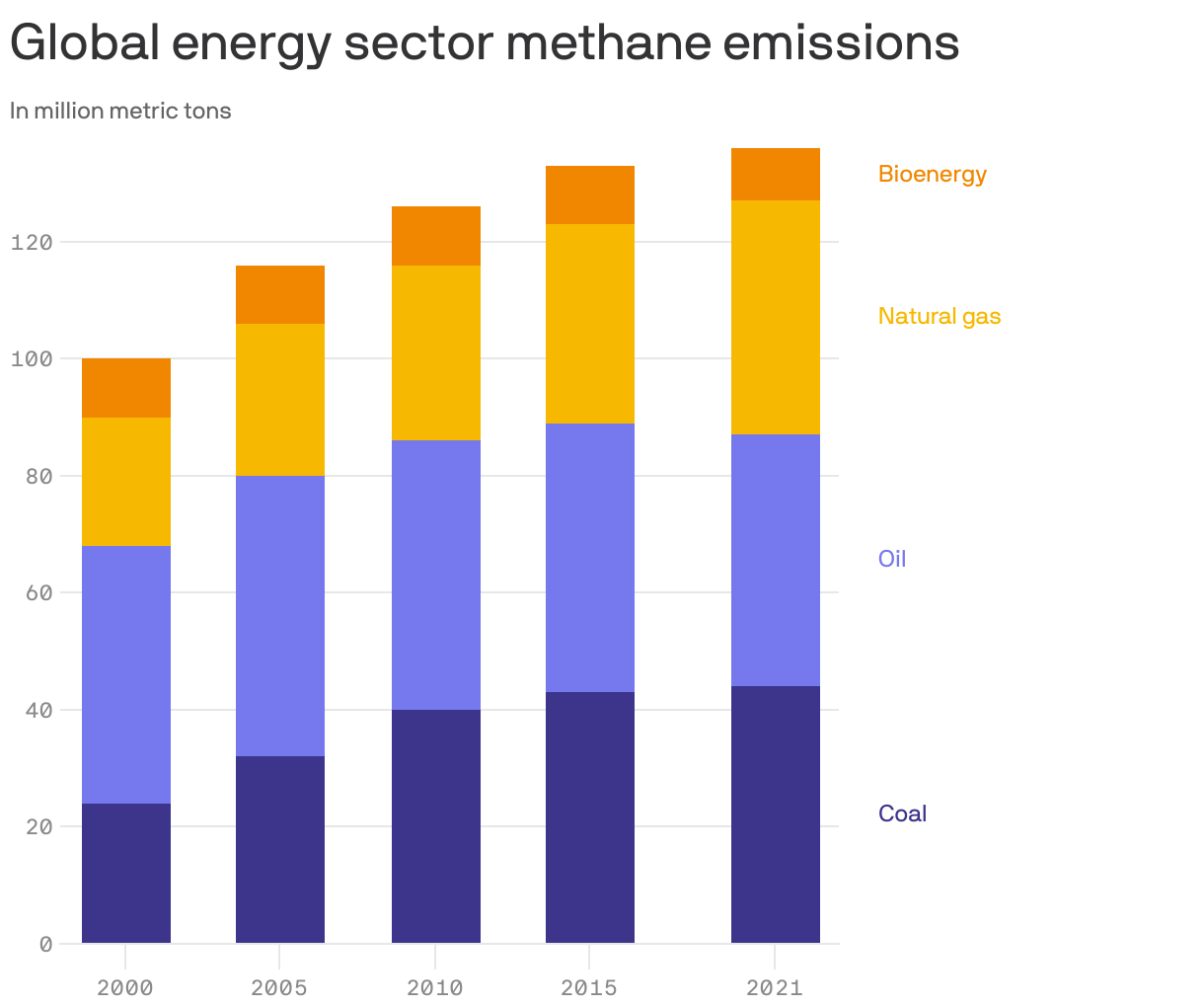
Data: International Energy Agency; Chart: Baidi Wang/Axios
Energy-related methane emissions rose almost 5% last year following the COVID-related drop in 2020, but were slightly below 2019 levels, IEA finds.
The big picture: "Based on recent elevated natural gas prices, almost all of the options to reduce emissions from oil and gas operations worldwide could be implemented at no net cost," it says.
Is Nord Stream 2 dead or just sleeping? It's hard to say yet.
Catch up fast: German Chancellor Olaf Scholz on Tuesday froze certification of the gas pipeline from Russia under the Baltic Sea in response to Russian President Vladimir Putin's moves against Ukraine.
Russia's invasion of Ukraine could mark the start of a new era of petro politics, an uncomfortable parallel to the last inflationary period America faced.
Why it matters: Americans are likely to continue to face rising energy prices in the coming months, as Russia — the world's third-largest crude oil producer and largest natural gas producer — faces the prospect of sanctions.
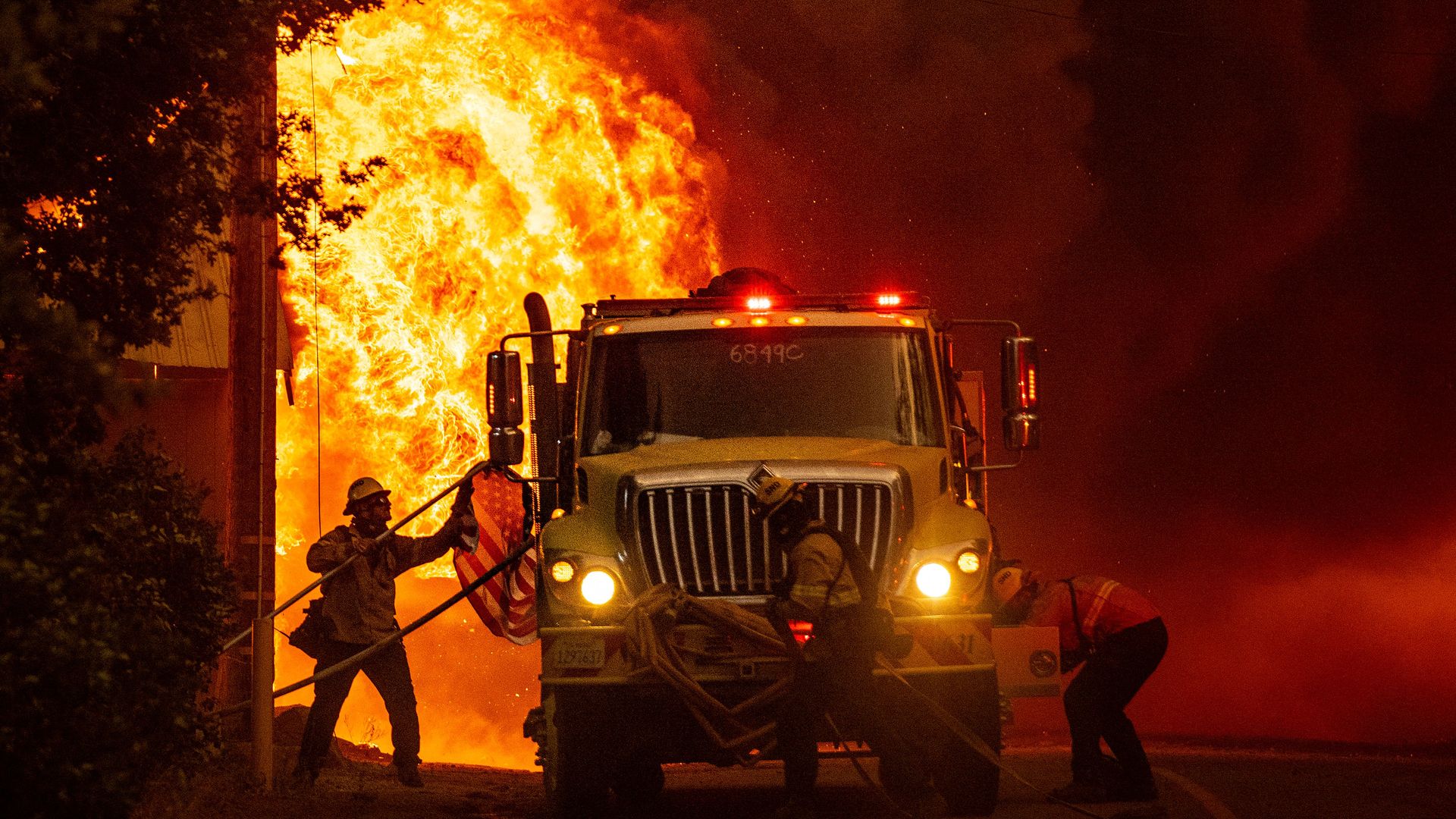
Driving the news: Global warming and land-use change would make wildfires more frequent and intense, with a 14% increase by 2030 and a 30% rise by 2050 projected, according to the study published Wednesday by the UN Environment Program (UNEP) and the environmental nonprofit GRID-Arendal.
Demand for "green talent" is expanding across all industries — not just in what we think of as environmental sectors — but there aren't enough workers with the skills to fill those positions, according to new research from LinkedIn.
Why it matters: Companies and government leaders will need to step up efforts to equip workers with the skills needed to help employers be more environmentally friendly and achieve their ambitious climate goals.
The Biden administration asked a court Tuesday to send a Trump-era permit approval for an Alaska mining road running through Indigenous territory back to the Interior Department for further analysis of its environmental impacts.
Why it matters: "The Interior Department is asking the court to remand the right-of-way decision to the agency to correct the significant deficiencies we have identified in the underlying analyses," the department said in an emailed statement.
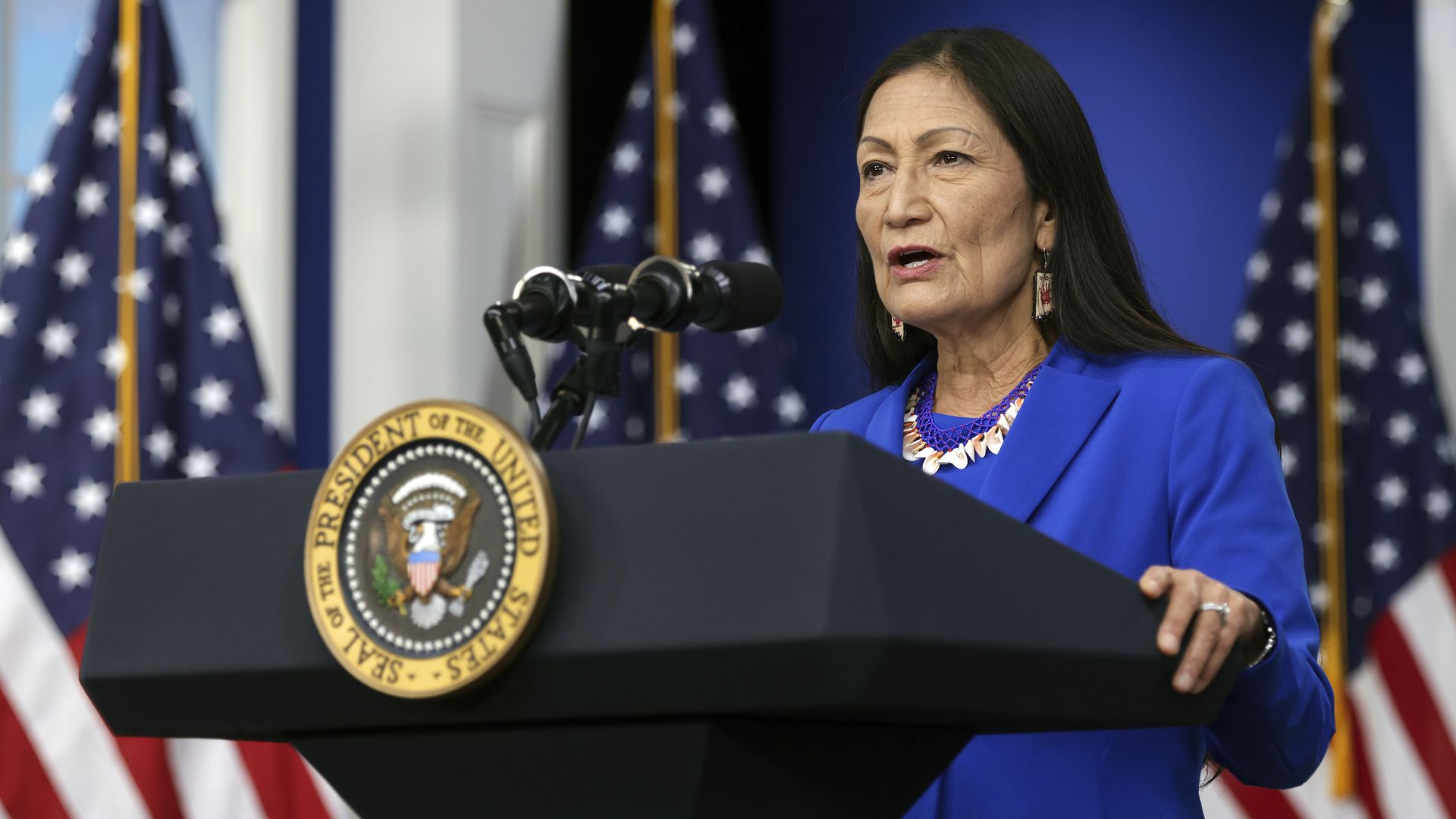
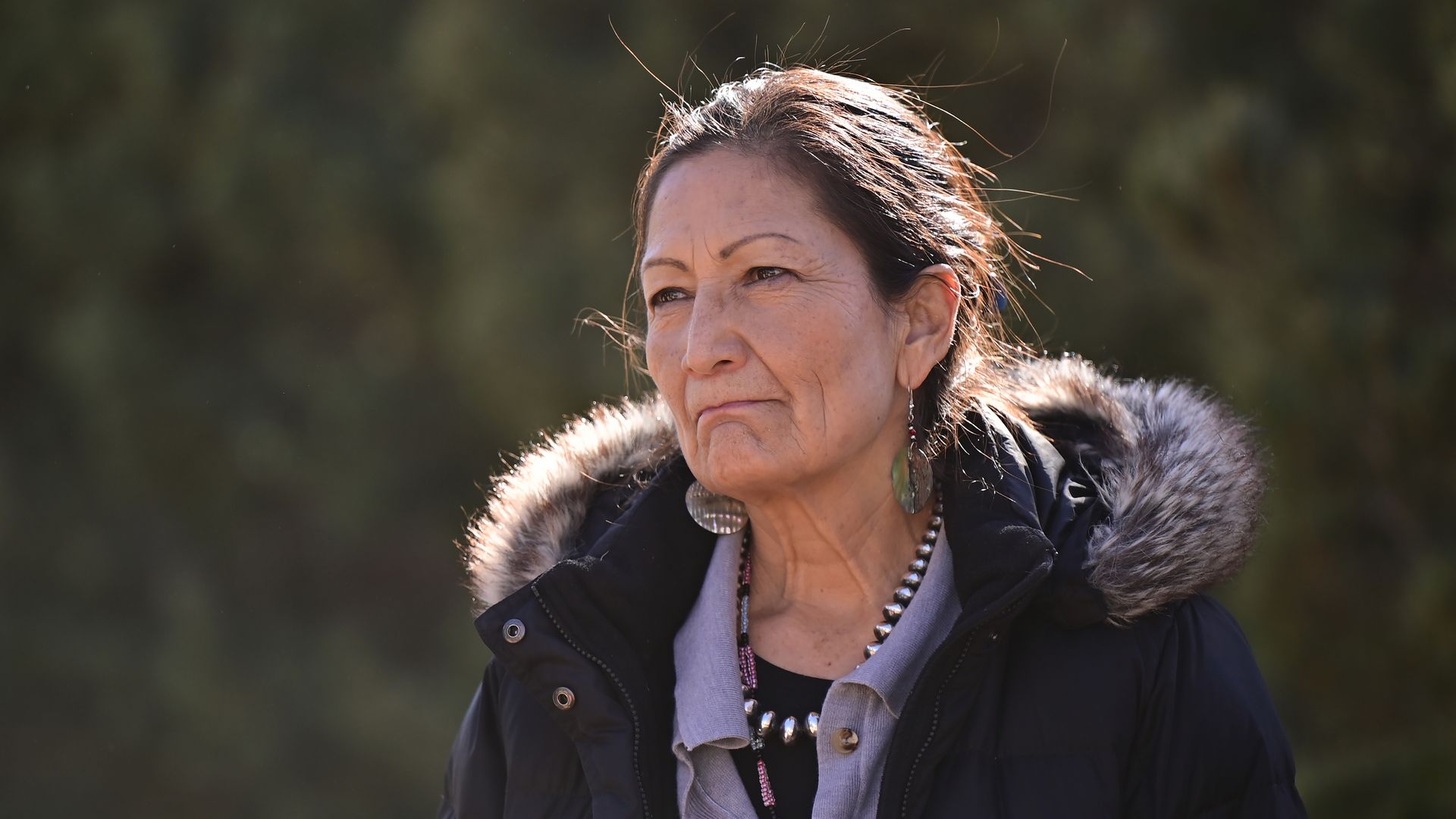
Sixteen tribal nations will receive $1.7 billion as part of Indian water rights settlements, Interior Secretary Deb Haaland announced Tuesday.
Why it matters: Over the years, at least 34 tribes have turned to settlements to resolve conflicts with the federal government over water rights. Tuesday's announcement is aimed at funding infrastructure for Native Americans to store and transport water so they no longer have to suffer from lack of access.