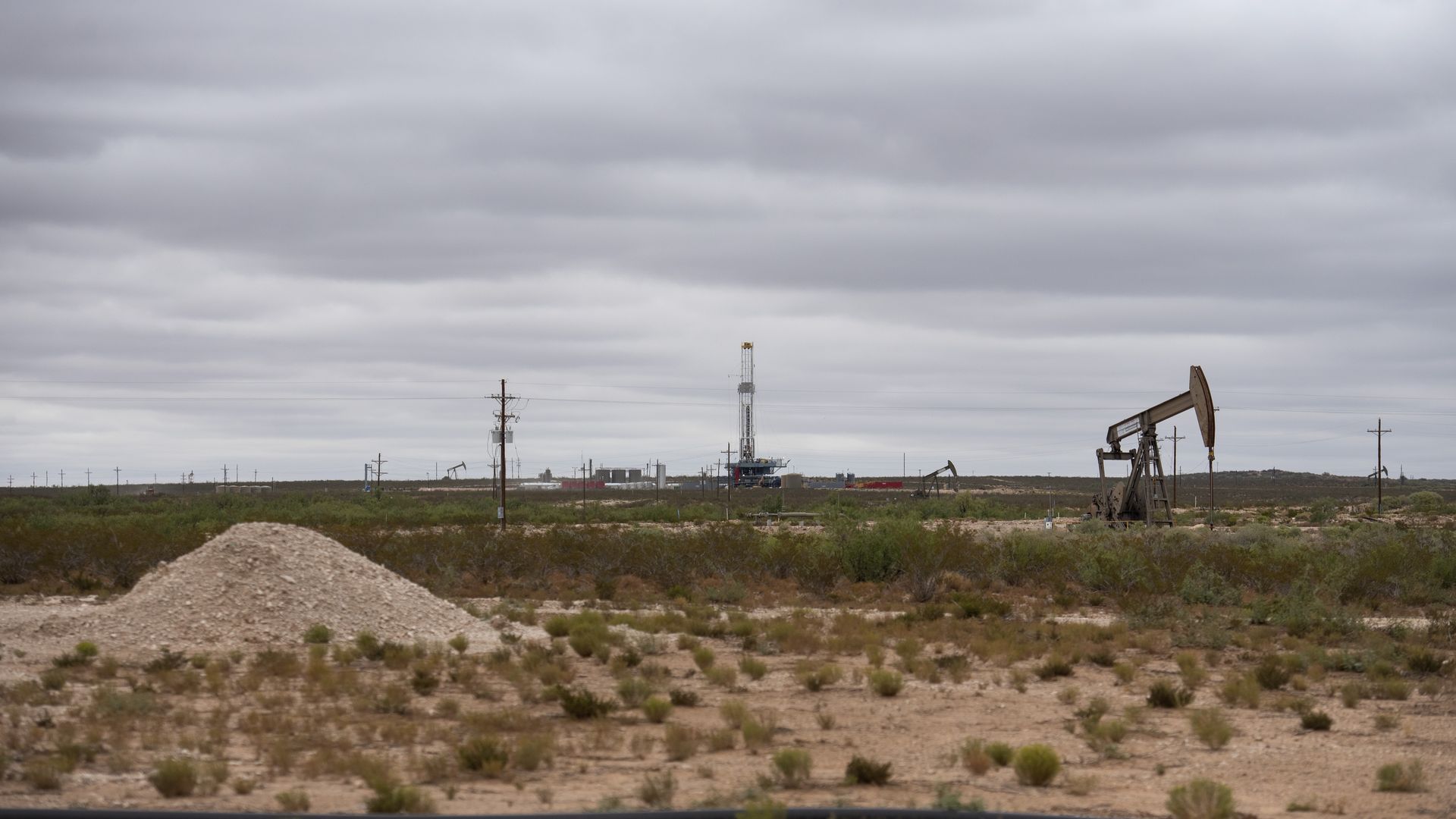
Oil and gas companies should pay more to drill on federal lands and waters, the Department of the Interior argued in a report released Friday, saying that the current rates were "outdated."
Driving the news: The Department of Interior report said that the federal government's oil and gas leasing and permitting program "fails to provide a fair return to taxpayers, even before factoring in the resulting climate-related costs that must be borne by taxpayers."
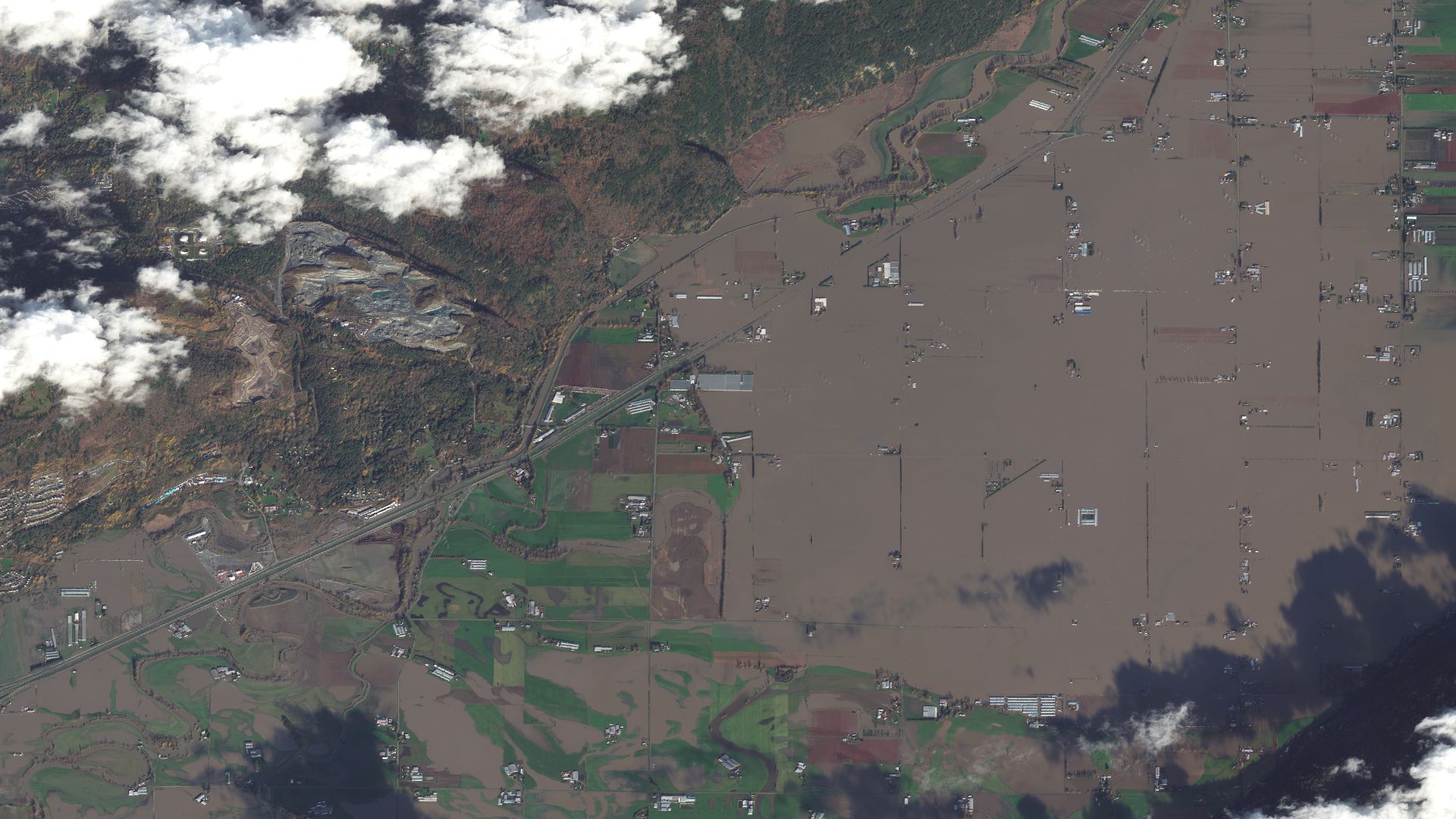
Rainfall records tumbled in Washington state on Thanksgiving night as the first of two atmospheric river events forecast for this week began threatening the Pacific Northwest, per the National Weather Service.
Why it matters: The region is still recovering from last week's atmospheric river that brought record rainfall, flooding and mudslides, with Washington and Canada's British Columbia particularly badly hit.
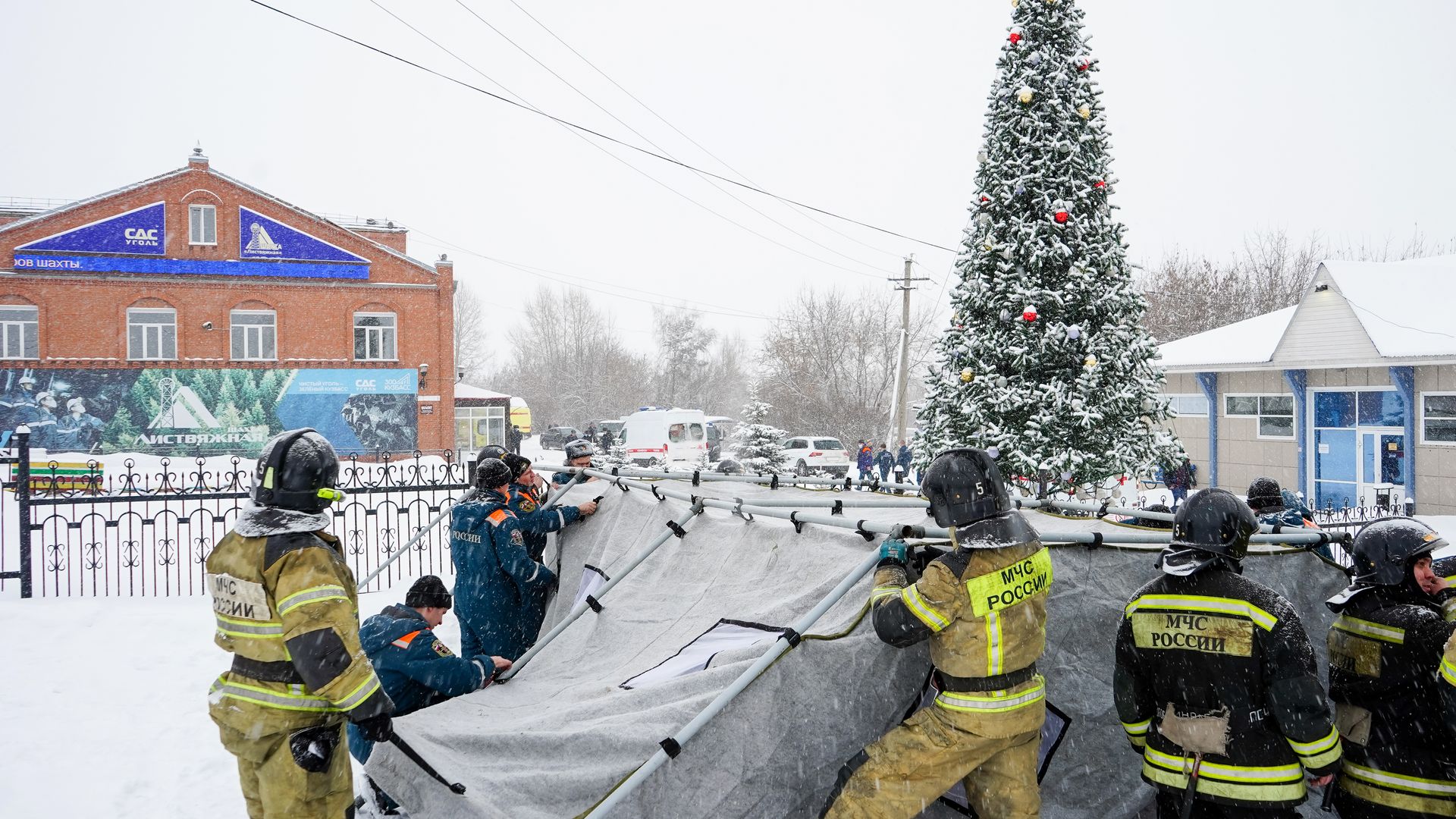
A methane gas leak and explosion at a Siberian coal mine killed at least 52 people on Thursday, including six rescuers, Russian officials said.
The big picture: Russia's worst mining disaster in more than a decade occurred at the Listvyazhnaya mine in the Kemerovo region after gas filled a ventilation shaft, suffocating workers there, per the New York Times.
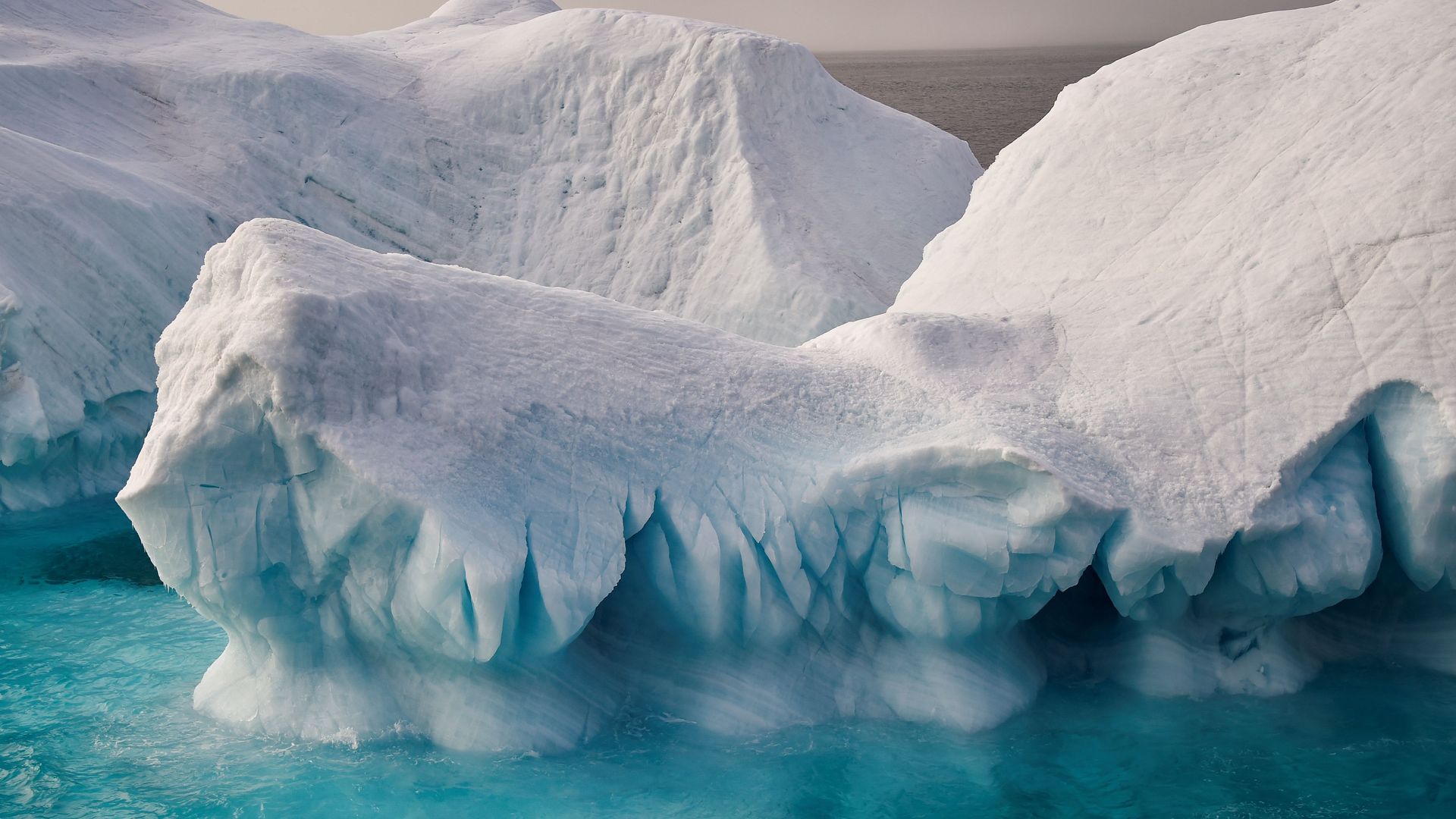
The Arctic Ocean has warmed by about 2 degrees Celsius since 1900 and started getting hotter much earlier than researchers previously thought, a new study found.
Driving the news: The research, published Wednesday in Science Advances, shows that the Arctic Ocean began warming early last century as warmer and saltier waters flowed in from the Atlantic — a process known as "Atlantification."
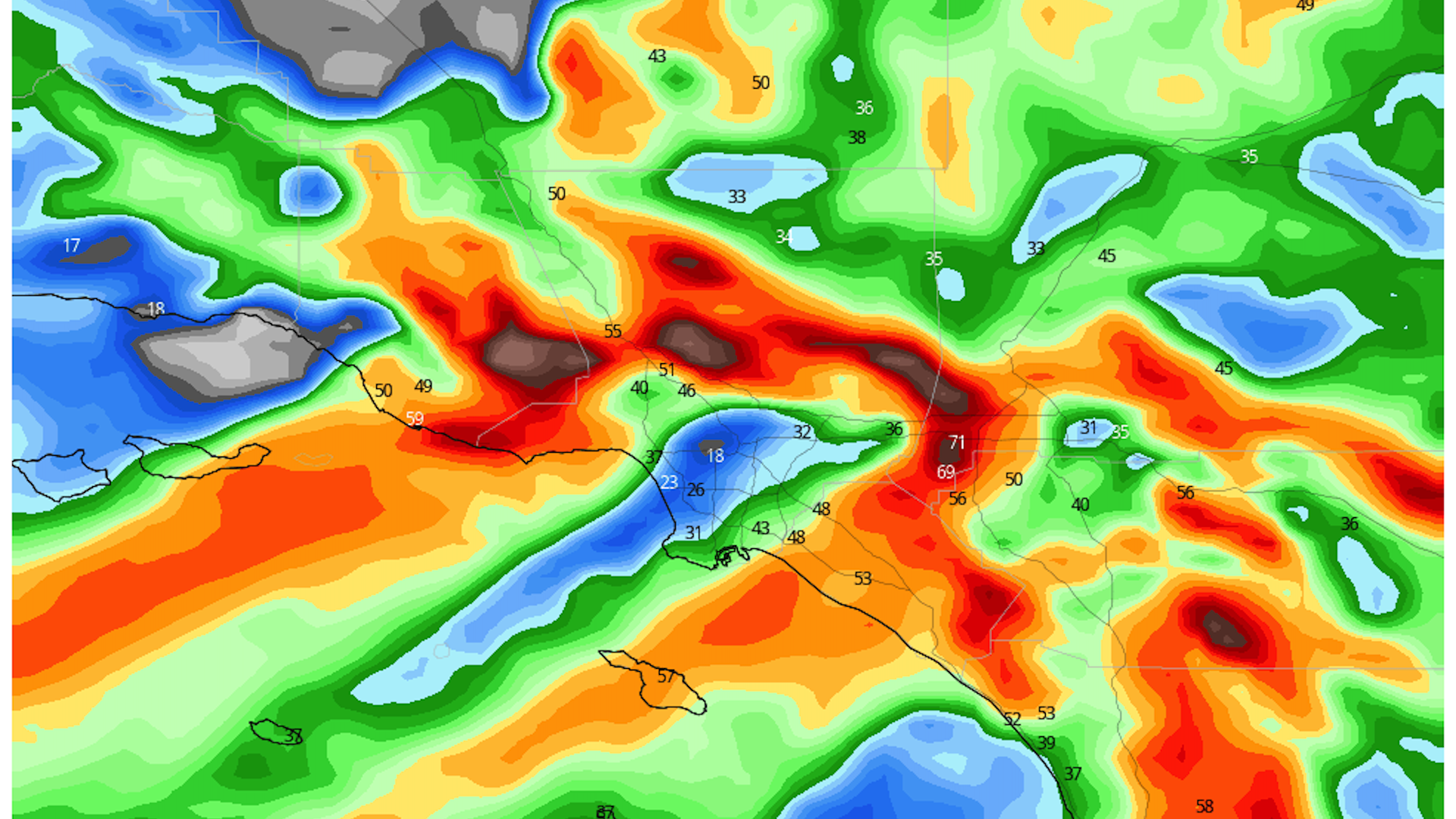
Southern California is facing an intense Santa Ana wind event over the Thanksgiving holiday, with "critical" wildfire risk since very little rain has fallen in this region so far this wet season.
Why it matters: Fire danger is forecast to be highest from Wednesday through Friday, and any wildfire that ignites could become a conflagration that’s difficult to stop.
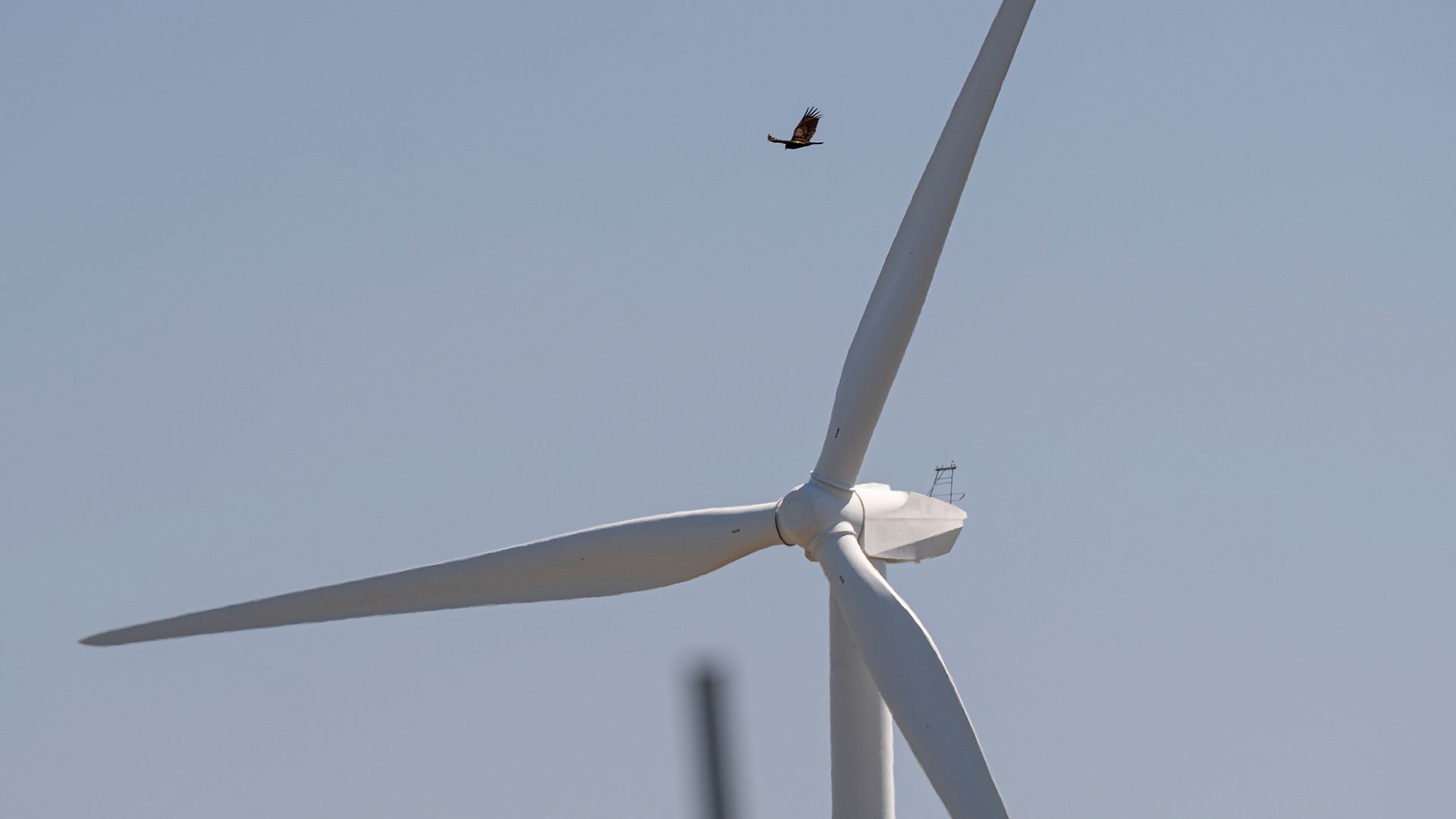
The Biden administration approved Wednesday plans for a major offshore wind farm to supply power to New York.
Why it matters: The approval for the installation of a dozen turbines near Rhode Island marks a major step in the administration's goal of reaching 30 gigawatts of offshore wind-generating capacity in U.S. waters by 2030, powering more than 10 million homes.