Climate finance has emerged as the biggest stumbling block to progress at the high-stakes United Nations climate talks in Scotland in November. How the Group of 7 wealthy nations treats the issue Friday and Saturday may determine the outcome.
Why it matters: Providing the funding that was promised to developing countries might open up other areas of important conversation in Glasgow, such as setting more ambitious emissions reduction targets for 2030.
Global oil demand will exceed pre-pandemic levels by the end of next year, the International Energy Agency estimated Friday morning.
Why it matters: When demand went into a historic decline last year, there was lots of discussion about the revival timeline — and whether it would evercome all the way back.
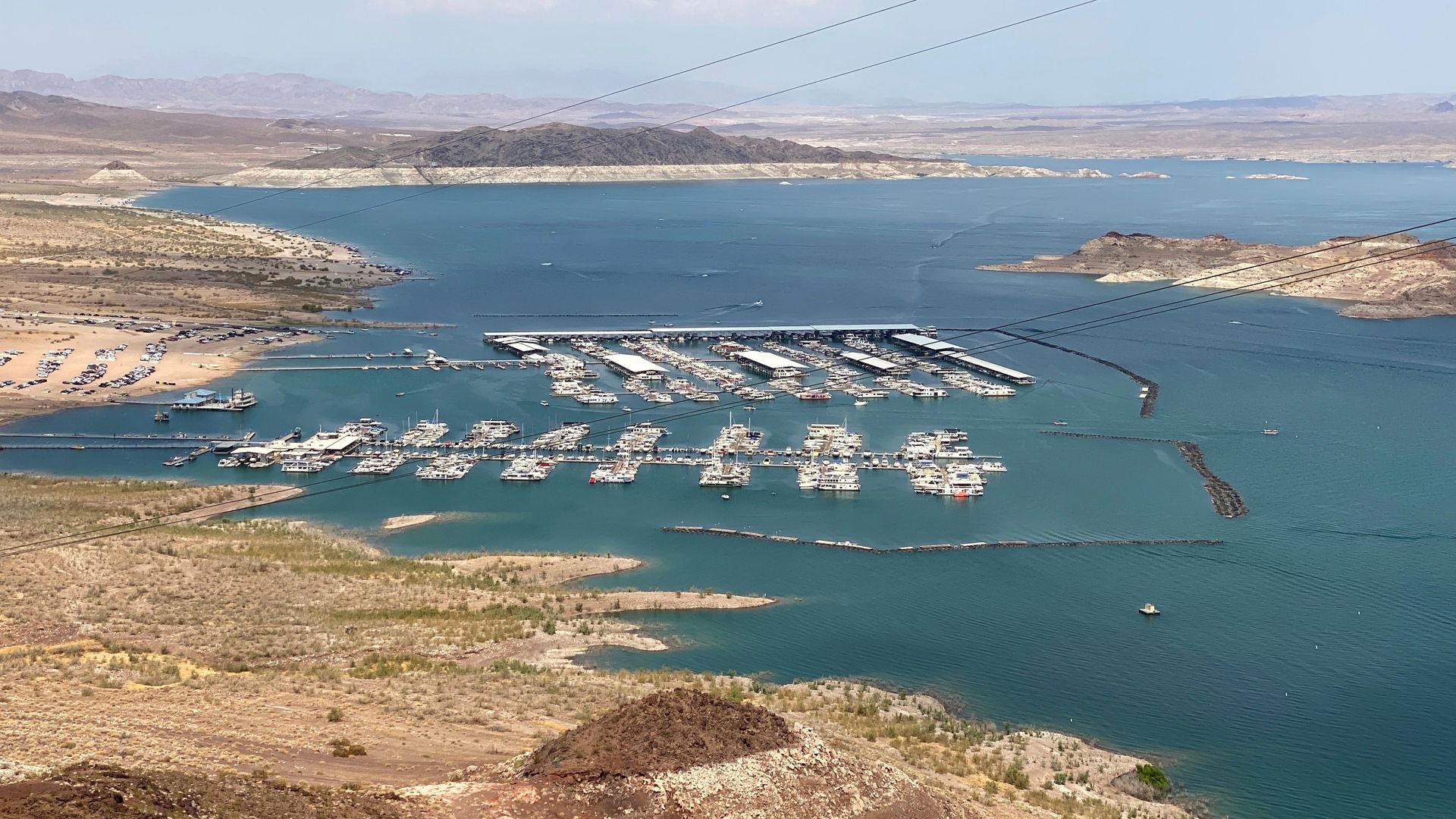
Amid an intensifying drought, Lake Mead in Nevada, the nation's largest reservoir by volume, reached its lowest level since the 1930s late Wednesday.
Why it matters: The record low is due to a combination of years of punishing drought that's worsening across the Southwest, as well as challenges in managing water resources for a burgeoning population.
Executives representing 78 companies worth north of $2 trillion are pressing leaders of the Group of 7 major economies to work with the private sector on bold actions to address climate change.
Driving the news: They issued an open letter to G7 leaders just ahead of their meeting in the U.K. that begins this week, and they published it as a full-page ad in today's Financial Times.
Infrastructure talks between the White House and Congress have entered a phase that's making climate advocates extremely nervous.
Why it matters: Environmental groups and even some Democratic lawmakers are increasingly vocal with their fears that the White House will jettison central components of President Biden's climate plan during the talks, which could cause the U.S. to fall short of its new emissions targets.