Only 18% of pandemic economic recovery spending approved in 2020 among the world's 50 largest economies can be considered "green," per new analysis from the UN and the University of Oxford. It falls to 2.5% when you combine recovery and shorter term rescue packages that together exceed $14 trillion.
Why it matters: The UN and other multilateral bodies have called on nations to use COVID-19 economic responses to back areas like low-carbon power, electric vehicles, efficient buildings and more.
Speaking of the pandemic, the drop in oil-and-gas industry jobs last year was distributed unevenly worldwide, per new analysis from the consultancy Rystad Energy.
The big picture: The chart above shows jobs losses in oil-and-gas production and midstream industry jobs, which involve storage, transport and other aspects.
The electric vehicle startup Canoo, which went public in late 2020, is the latest company to gamble on consumer interest in battery-powered pickup trucks.
Driving the news: The Los Angeles-based company hopes to begin delivering them as early as 2023, with preorders opening in Q2 of this year.
Something all but inevitable is on the horizon for the Biden administration’s climate and energy team: Making at least some of its allies sad, mad, or both.
Driving the news: The Senate approved Michael Regan to head the EPA Wednesday and is on track to confirm Deb Haaland as Interior secretary next week.
Lawmakers in Mexico's lower house passed a bill Wednesday to legalize recreational marijuana.
Why it matters: The action sets it up for approval in the Senate before it's sent to President Andrés Manuel López Obrador, who has signaled support for the measure.
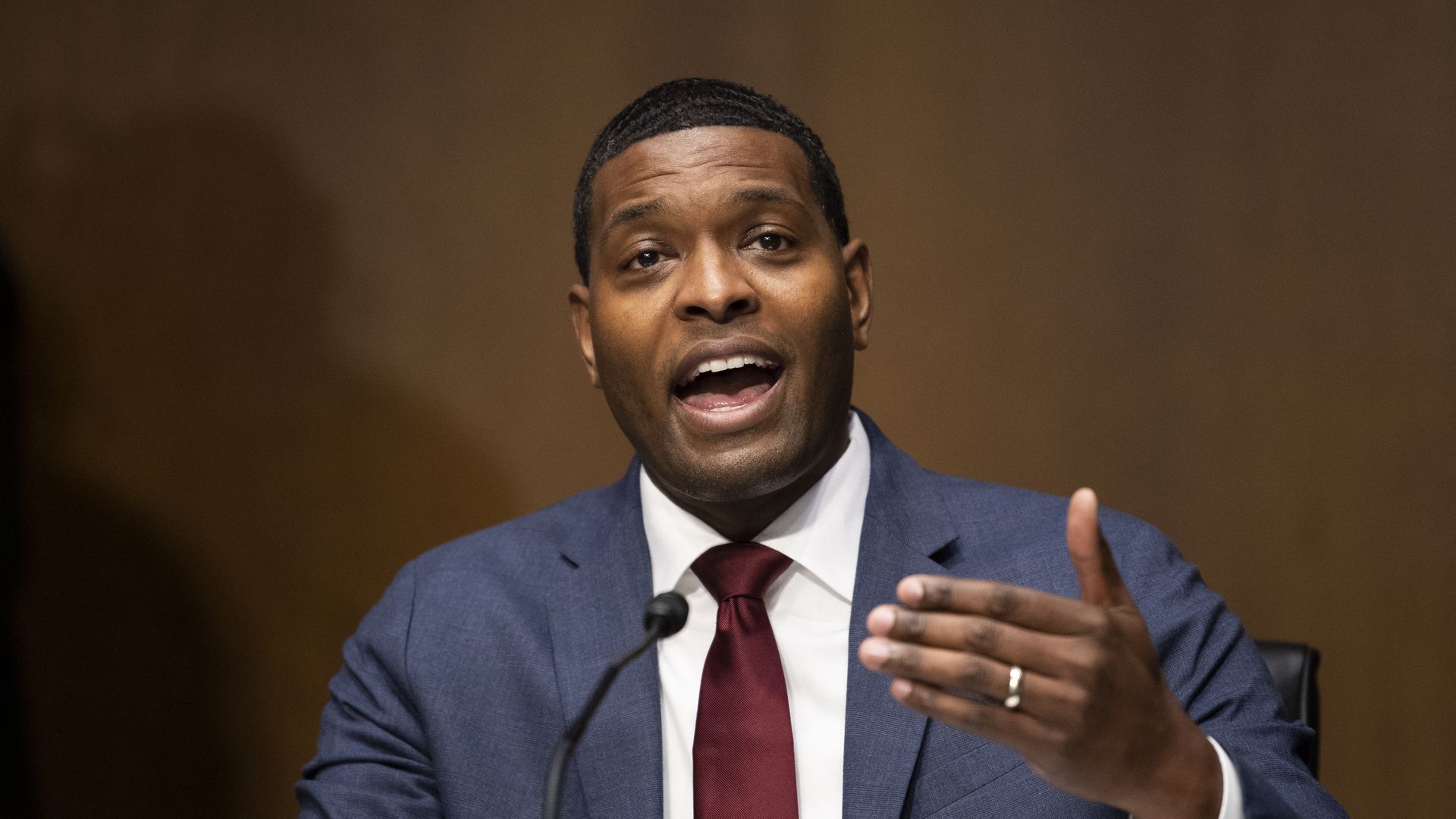
The Senate voted 66-34 on Wednesday to confirm Michael Regan, North Carolina's top environmental regulator, as head of the Environmental Protection Agency.
Energy-intensive indoor pot growth has become a sizable source of greenhouse gas emissions, but there are ways to lessen the environmental burden, new research finds.
Driving the news: The paper in Nature Sustainability provides a full and granular "lifecycle" accounting of the many ways indoor growth produces carbon emissions.
This week is providing fresh hints of the Biden's administration's efforts on both climate funding and climate-related risks to the financial system.
Driving the news: Secretary of State Antony Blinken told the board of the U.S. International Development Finance Corporation (DFC) that its work will be "front and center" at the global climate summit the White House is holding April 22.
President Biden's decision to halt new oil drilling leases on federal lands will have very minor effects on U.S. production through at least the end of 2022, per the Energy Information Administration's first analysis of the policy change.
Why it matters: The leasing freeze is among the most controversial energy decisions from the nascent administration, drawing strong attacks from Republicans and the oil industry.