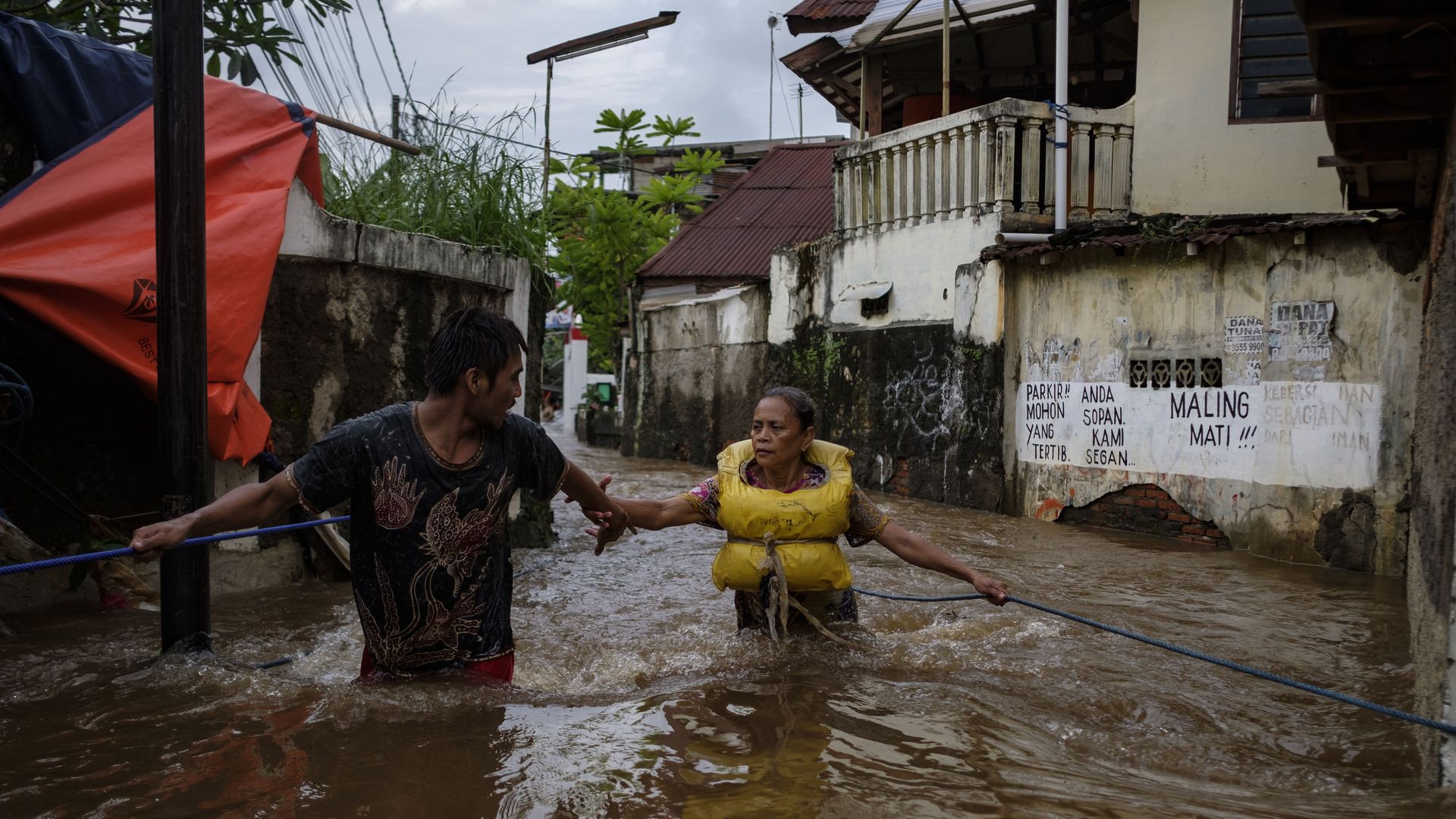
Severe monsoon flooding across several areas of Indonesia's capital forced more than 1,300 people to evacuate on Saturday, Reuters reported.
The big picture: The country's meteorology agency warned that conditions are expected to worsen as the heaviest rain of the season could fall in and around Jakarta over the next week, per Reuters.
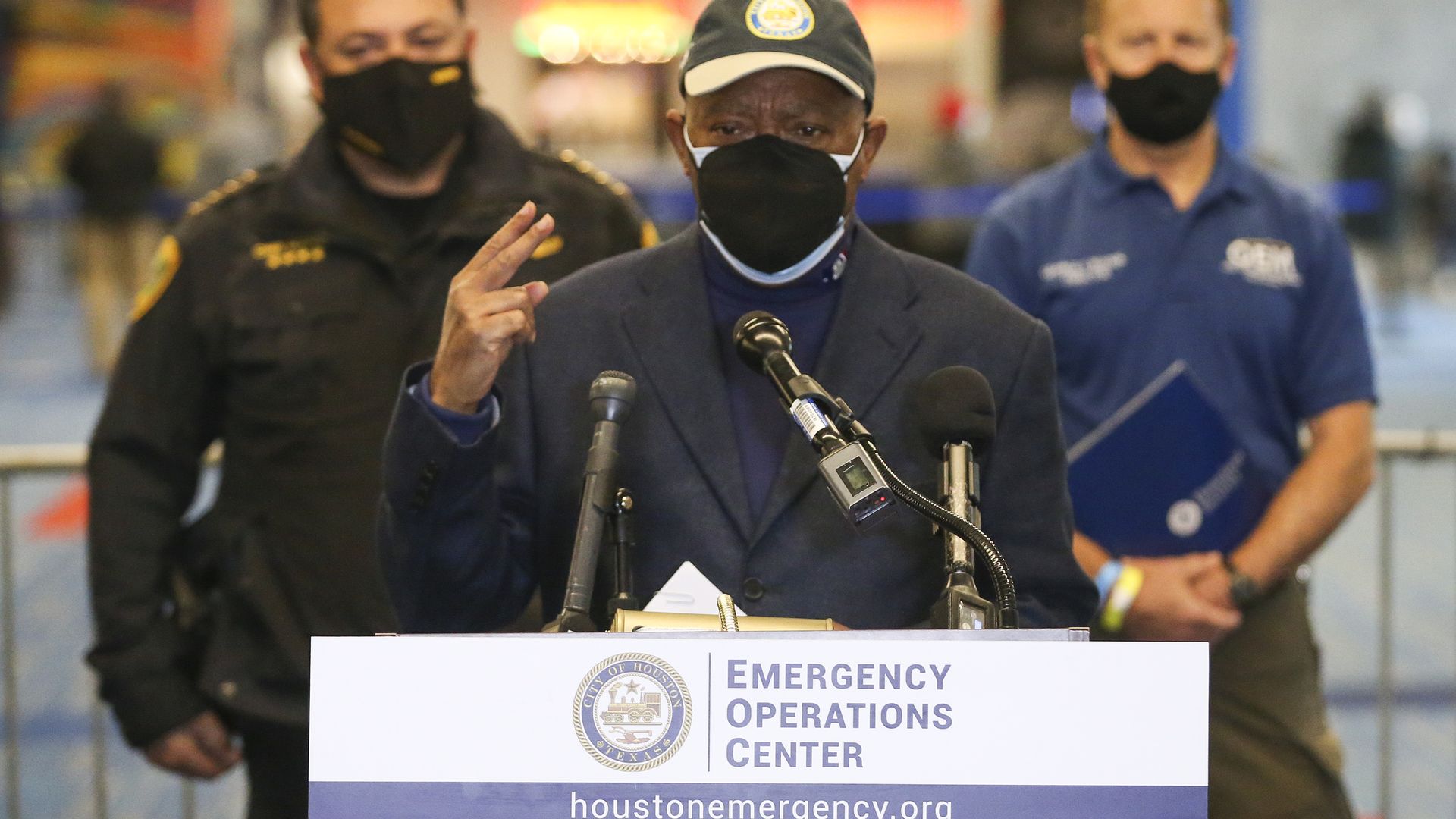
Houston Mayor Sylvester Turner said Saturday that blaming this week's mass power outages on renewable energy is "disingenuous."
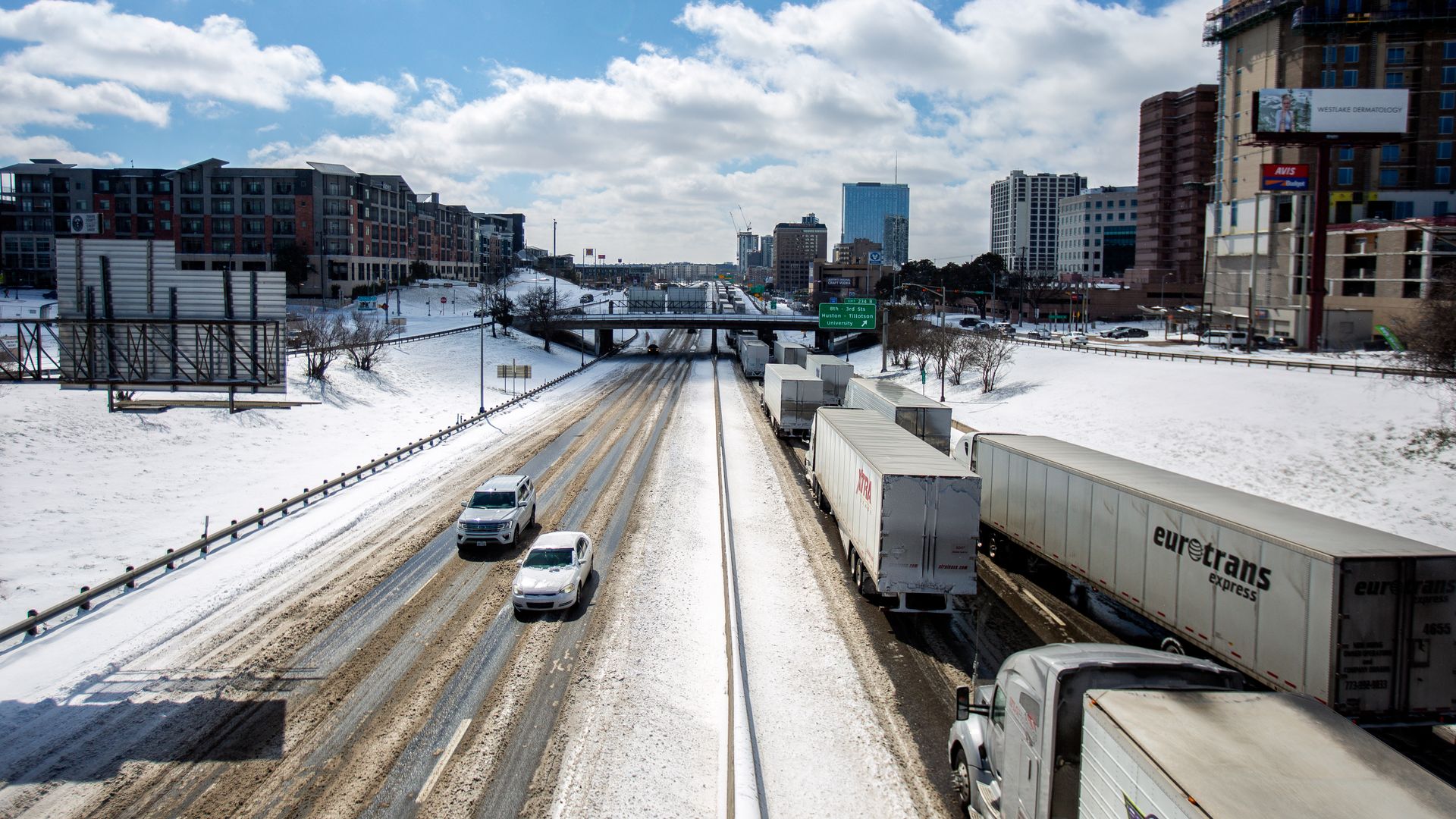
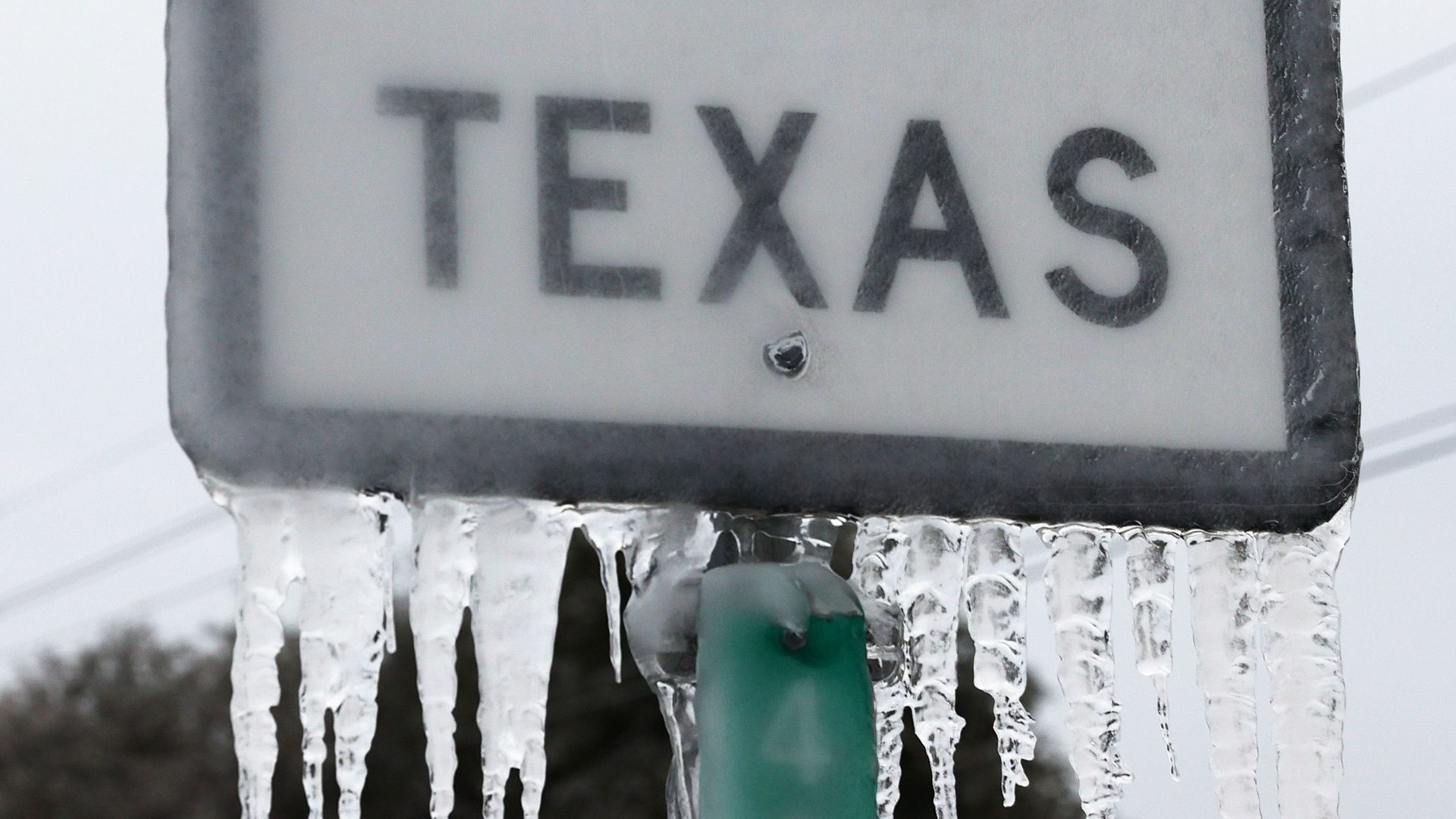
Driving the news: Several Republicans, as well as conservative commentators have falsely blamed wind and solar energy for the blackouts, which left millions of people across Texas in the dark amid frigid temperatures and snow and ice storms.
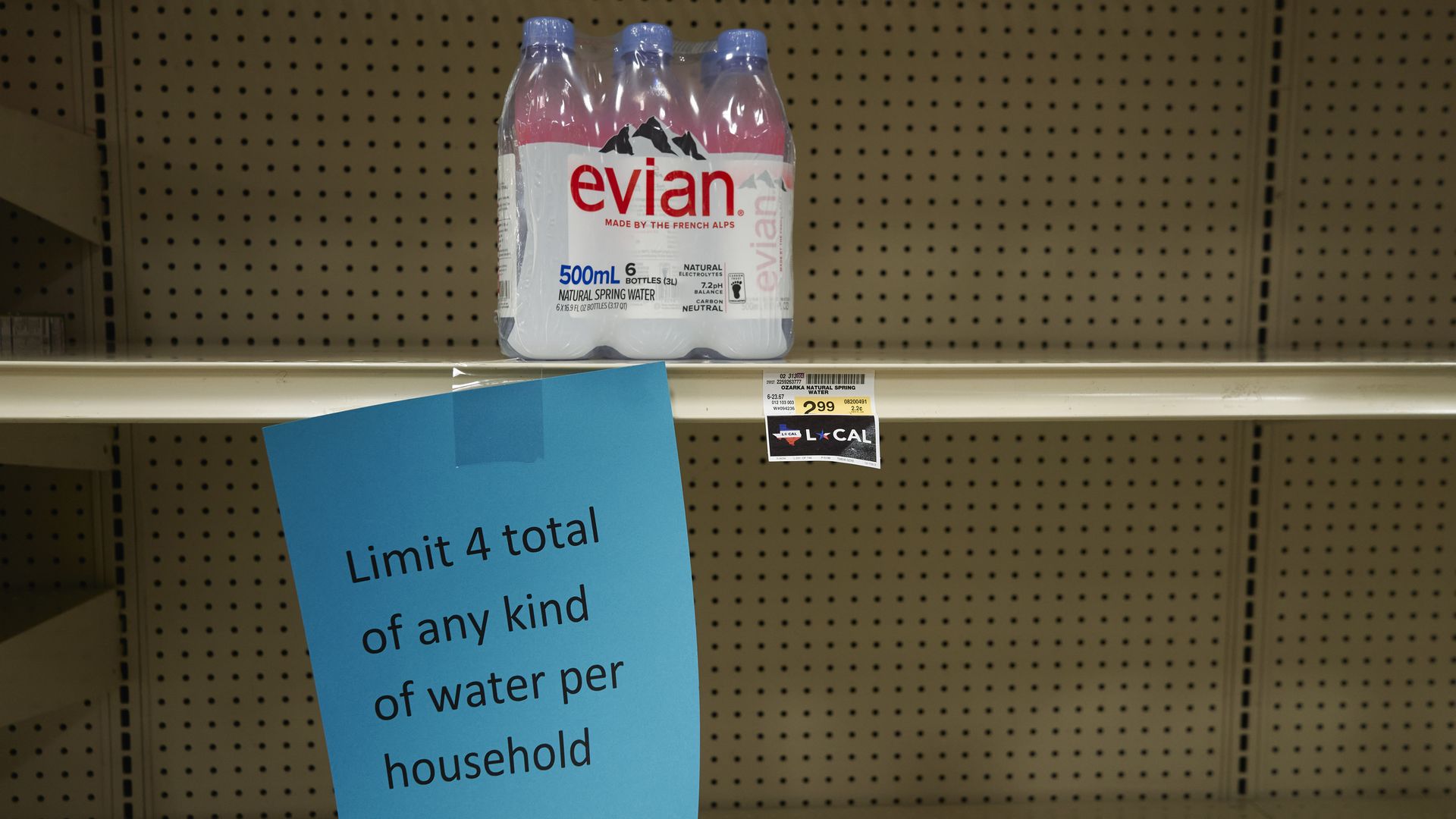
Broken pumps, burst pipes and chemical shortages have left millions without potable water after this week's devastating winter storm.
The big picture: Millions of people across the South have been told to boil water, with thawing temperatures expected to reveal the extent of the damage to infrastructure.
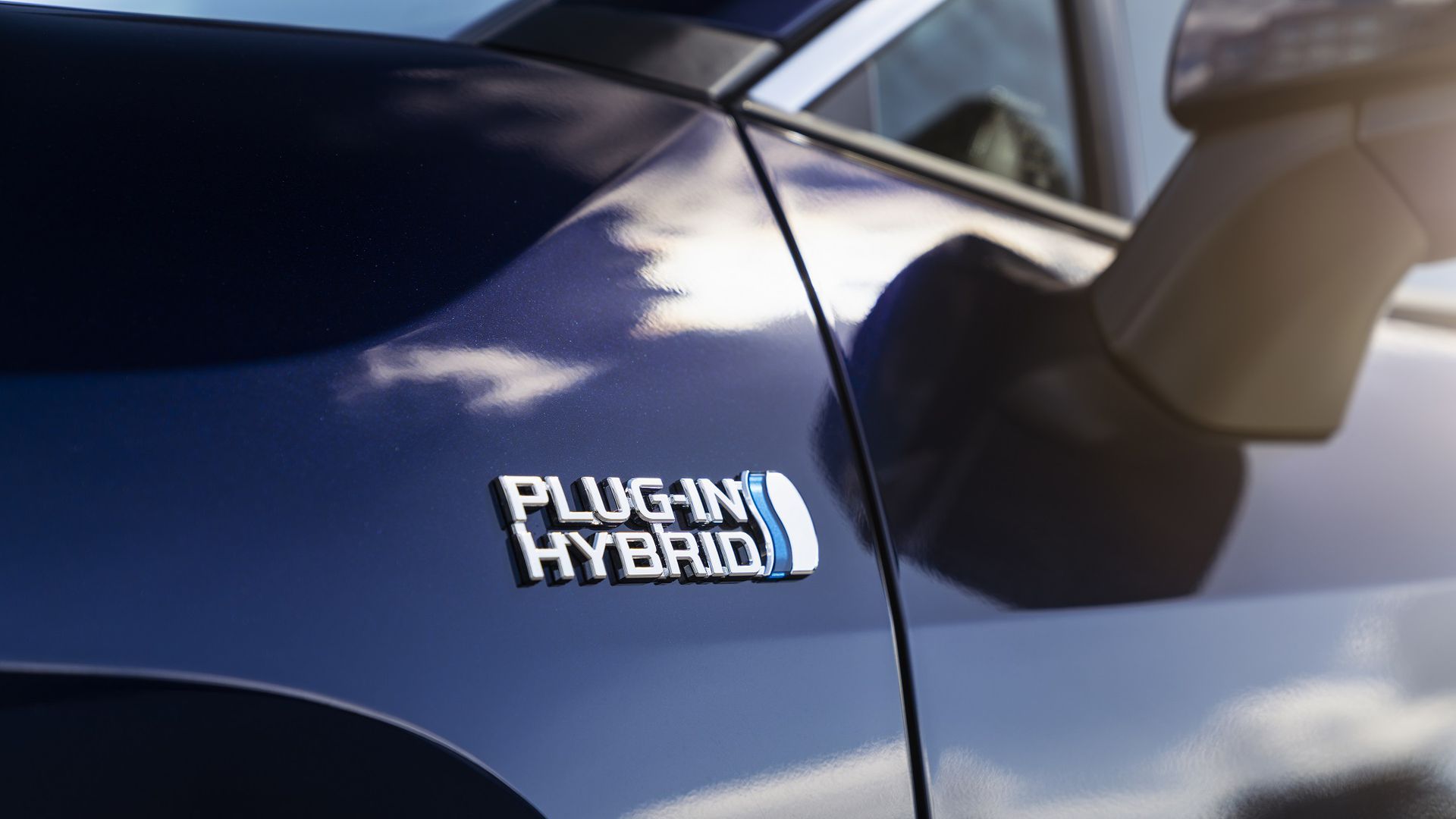
While competitors like GM and Volkswagen are going all-electric, Toyota argues that a mix of hybrids, plug-in hybrids and EVs is better for the environment.
Why it matters: Battery electric vehicles (BEVs) aren't for everyone, and a new analysis shows that even people who own BEVs don't drive them as far as the average gasoline-powered car.
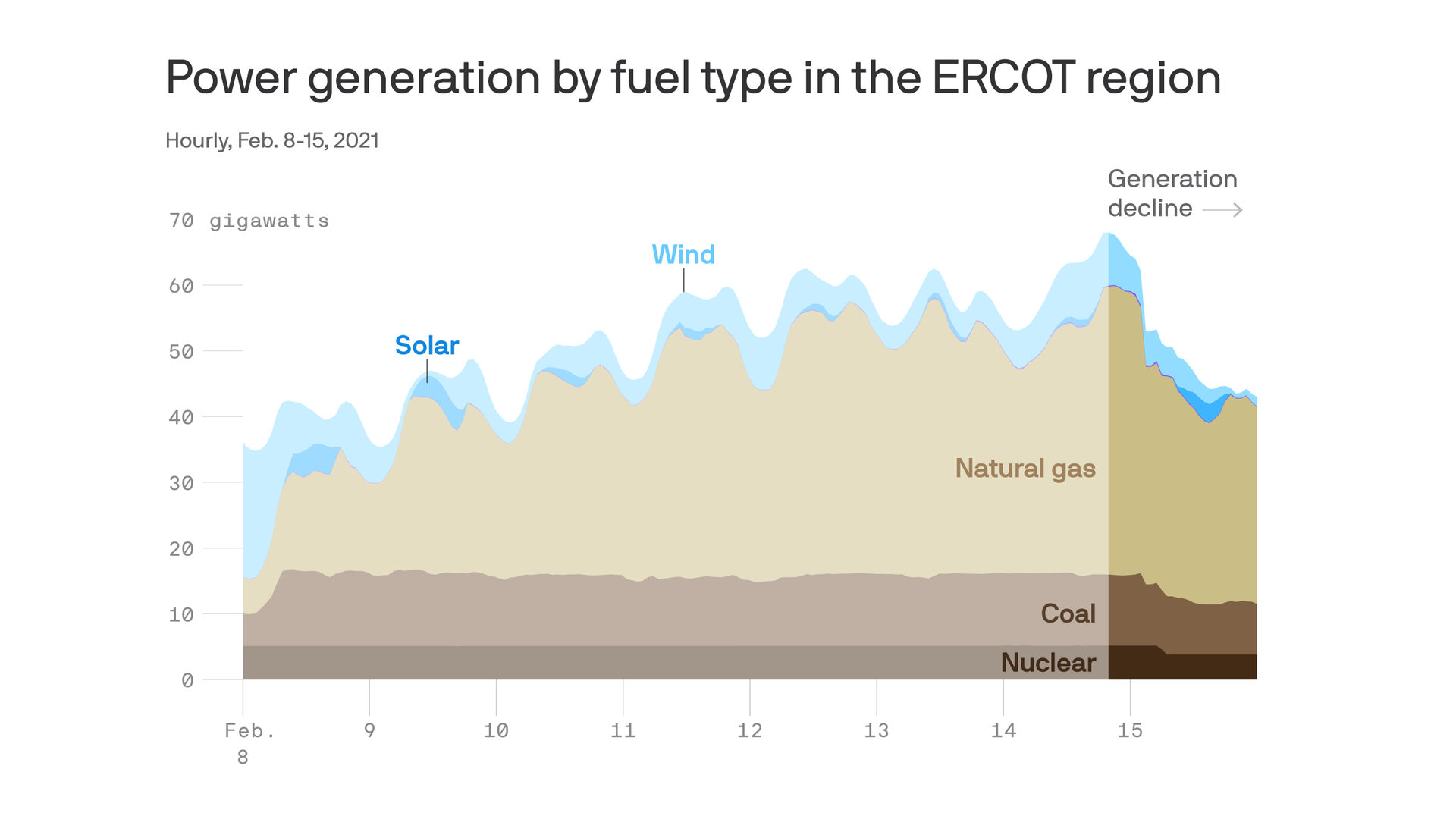
The International Energy Agency is out with a helpful primer on how things got so bad in Texas earlier this week — and how to make power systems more resilient to weather extremes.
The big picture: Part of their analysis looked at what happened when bitter cold caused a surge in demand but also hampered natural gas production and power generation equipment.
A key member of the Federal Reserve's board said climate change is "already imposing substantial economic costs" as she laid out new information about the Fed's approach to the topic.
Why it matters: Lael Brainard's remarks signal the Fed's deepening involvement in the nexus between global warming and the financial system.
From stronger storms to Arctic warming to California fires, rising atmospheric carbon levels mean there's no escaping the fallout from global warming. Now, we're plunged into a new world of managing the consequences.
Why it matters: Some regions will require power grids more prepared for extreme heat and cold. But the needs go far beyond power systems to building codes, workplace regulations and design and placement of infrastructure.