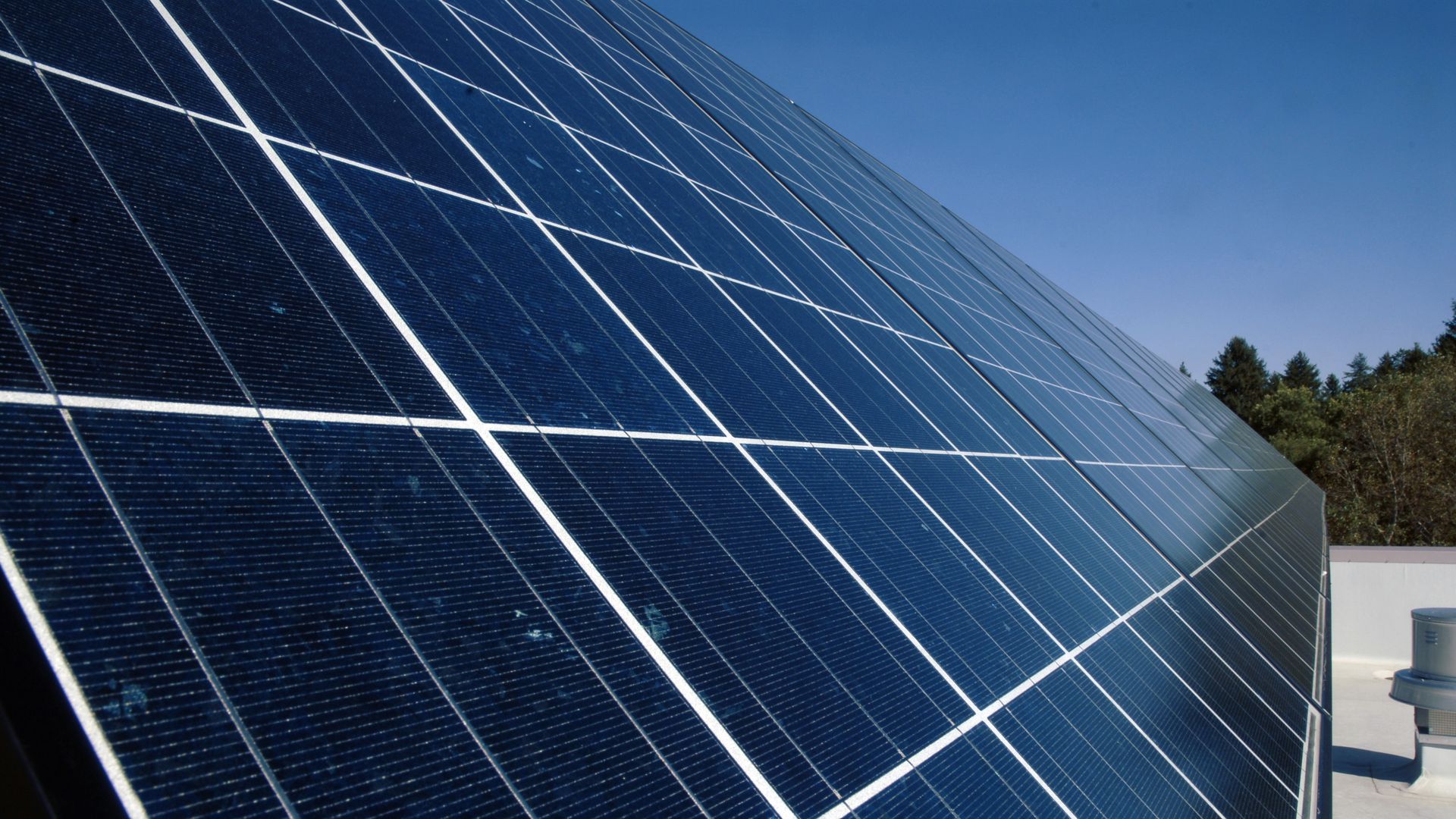
Chicago-based Invenergy has announced the green energy generation and storage operator is installing what will be largest solar farm in the United States in five phases over the next three years through a $1.6 billion investment.
Why it matters: The 1,310-megawatt facility based in northeastern Texas aims to help consumer brands like AT&T, Honda, Google and McDonald's meet their clean energy goals while supplying 300,000 homes across three cities with power upon its completion in 2023.
As of Tuesday morning, we know a lot more about President-elect Joe Biden climate personnel orbit, even as picks for agencies like EPA and DOE are outstanding, so here are a few early conclusions.
Why it matters: They're the highest-level names yet announced who will have a role in what Biden is promising will be a far-reaching climate and energy agenda.
Dozens of oil-and-gas companies — including the big ones like BP, Shell and Total — are pledging to provide more detailed information about their methane emissions.
Why it matters: Methane is a very strong planet-warming gas and atmospheric concentrations keep rising, as new World Meteorological Organization data shows. Releases or leaks from oil-and-gas well sites, pipeline and other infrastructure are a key source.
A speech Friday by Esther George, president of the Federal Reserve Bank of Kansas City, offers an interesting high-level look at the economic influence of gasoline prices and why it may never be the same.
The big picture: Gasoline prices account for a smaller share of household spending than they once did — about 4% in the 1980s to roughly 2% last year, though it's much higher for low-income families.
Why it matters: Record levels of greenhouse gases are trapping heat in the atmosphere, increasing temperatures and driving more extreme weather, ice melt, sea-level rise and ocean acidification, the WMO said, noting that "carbon dioxide remains in the atmosphere for centuries and in the ocean for even longer."
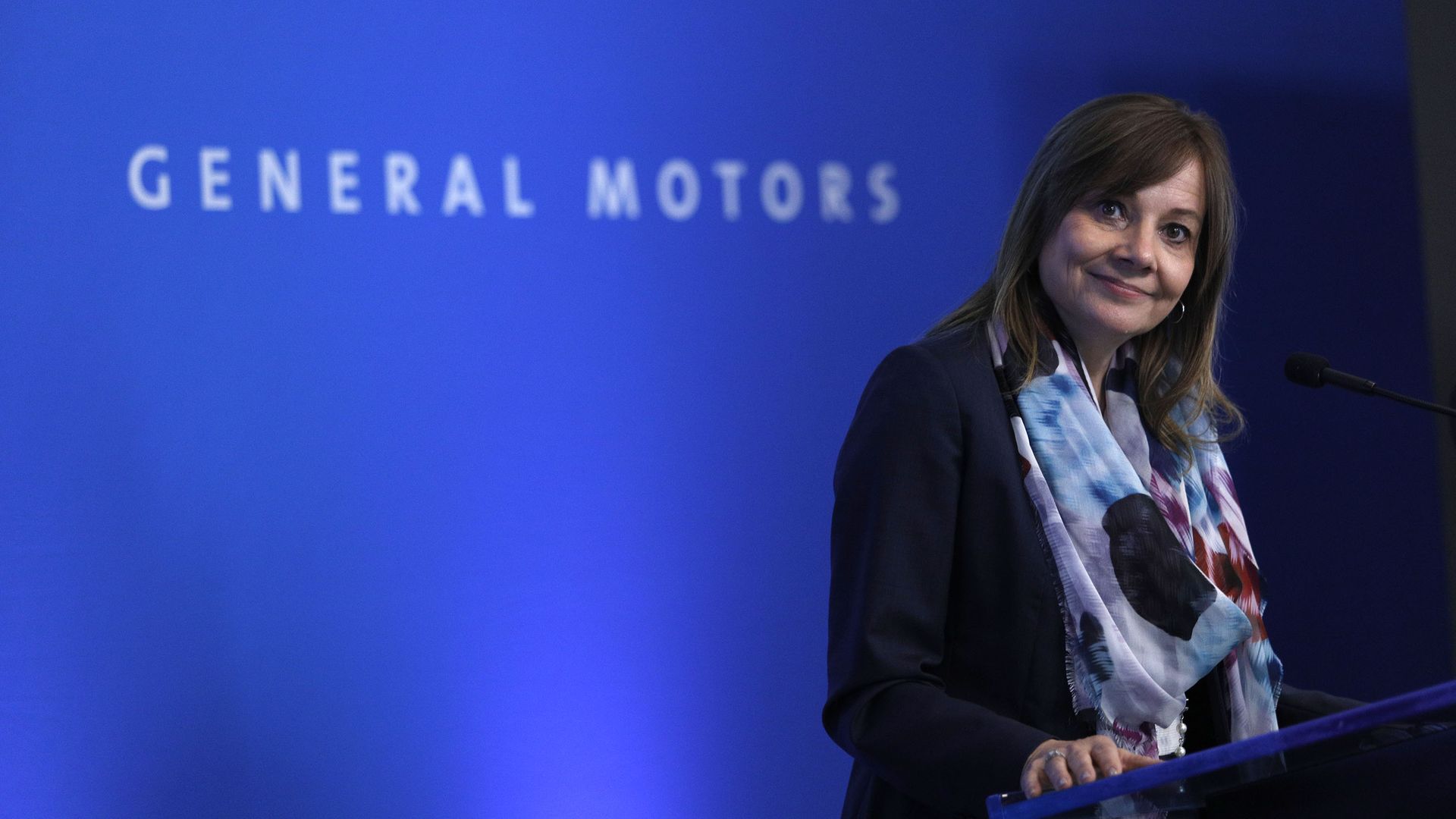
General Motors will pull out of any legal efforts that seek to strip California of its right to set its own clean-air standards, GM CEO Mary Barra said in a letter Monday to environmental groups, per AP.
Driving the news: Barra said the company, which is developing a new battery chemistry that will reduce the costs of electric-vehicle, agrees with President-elect Joe Biden’s plan to expand the use of electric vehicles, AP reported.
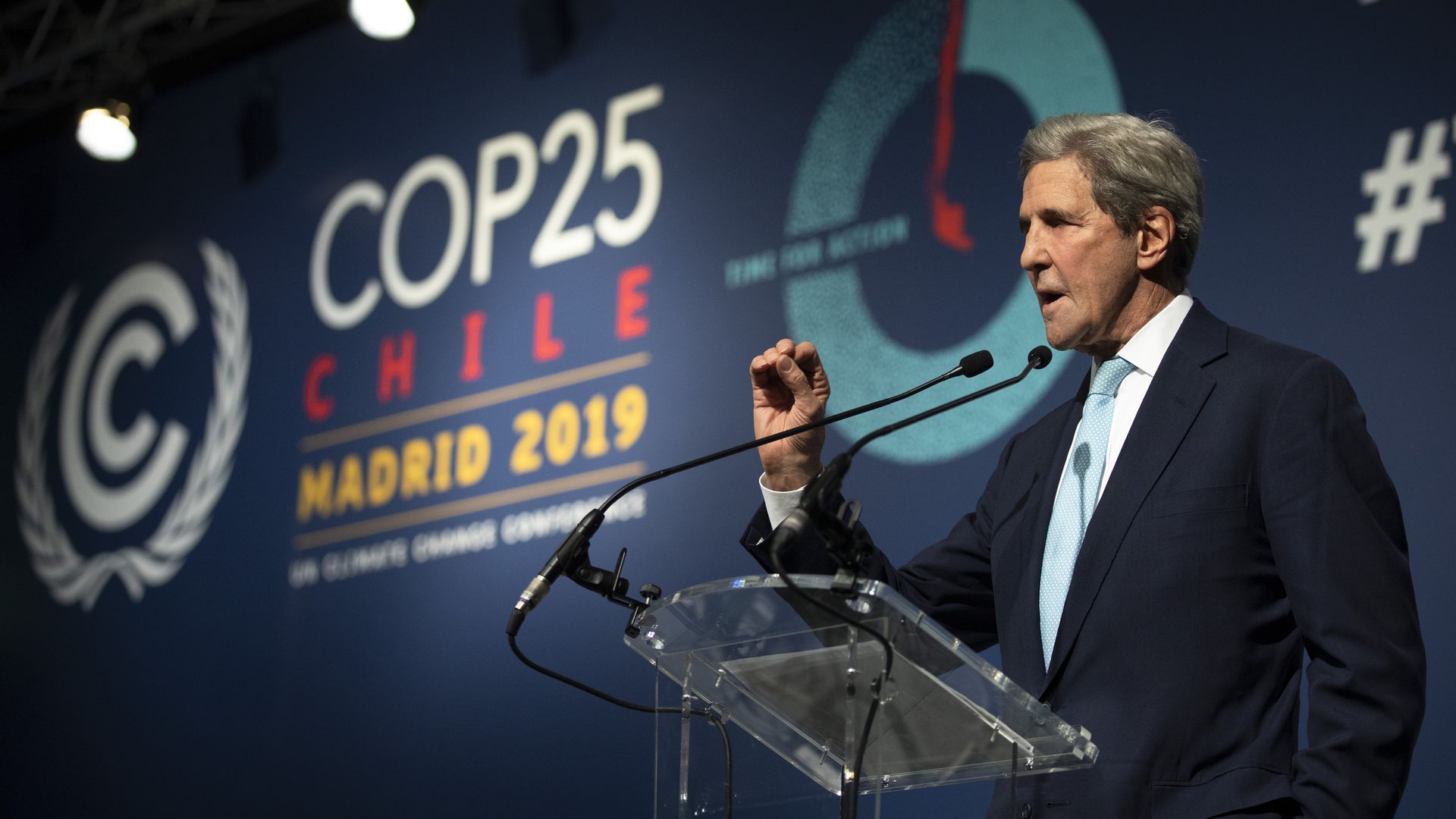
President-elect Joe Biden is naming former Secretary of State John Kerry as a special presidential envoy for climate change.
Why it matters: The transition team's announcement sought to show that it will be an influential role, noting that Kerry — a former Massachusetts senator and the Democrats' 2004 presidential nominee — will be on the National Security Council.
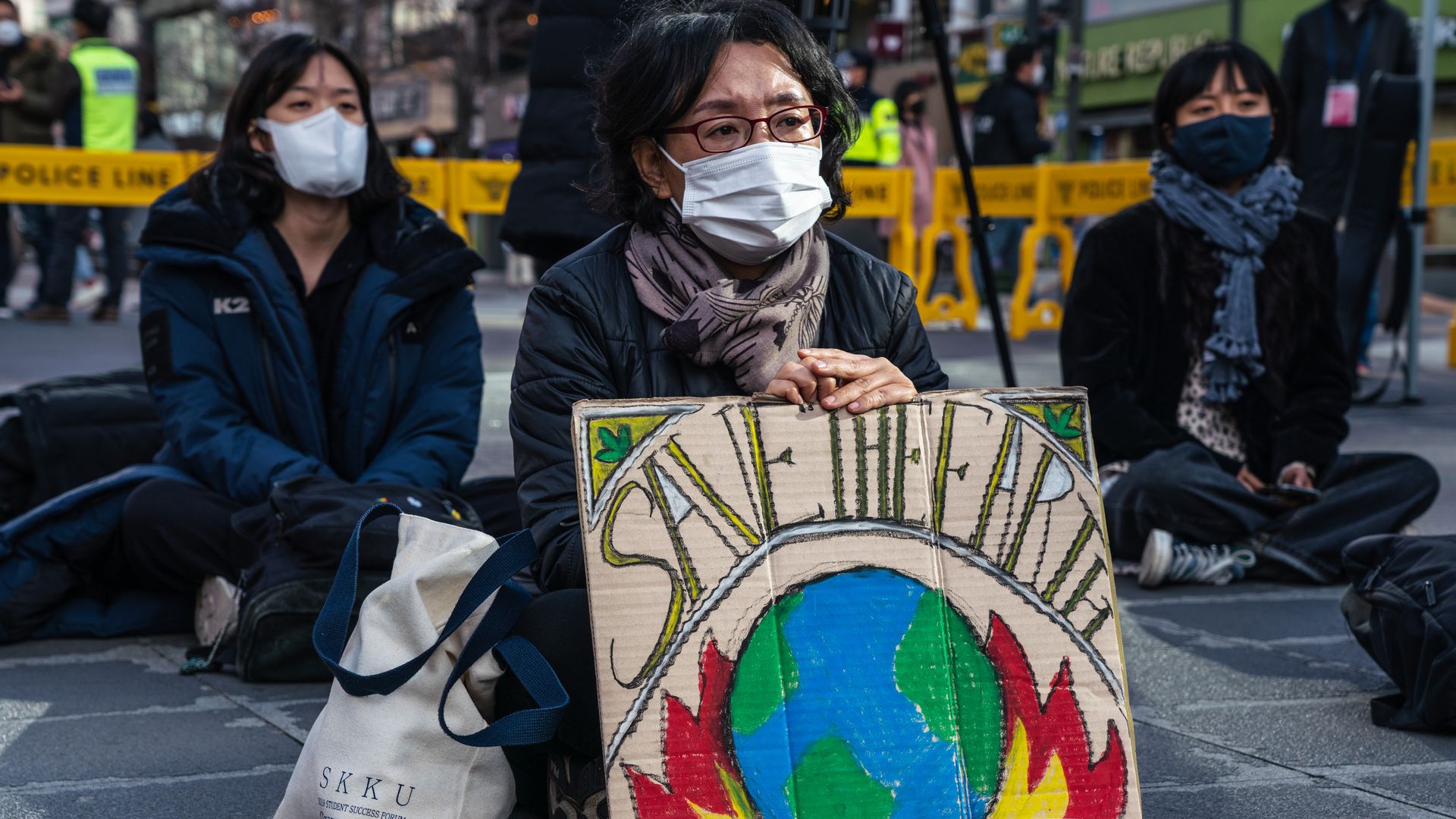
Climate activists just launched a campaign that could create bad PR for the PR industry.
Driving the news: "Clean Creatives" aims to pressure PR firms and ad agencies to drop oil-and-gas industry clients. The campaign alleges they help those clients spread "misinformation."
A major regulator is racing to thwart big banks' refusal to lend and service certain industries and projects — including Arctic oil drilling and new coal mining.
Why it matters: America's biggest banks are increasingly scaling back ties with fossil fuel, prison and gun-manufacturing businesses amid public pressure and changing investment preferences.
The National Wildlife Federation is sharing with lawmakers a tax credit proposal to help bring cleaner electricity to parts of the country that are currently powering with coal and natural gas.
Why it matters: With a divided government likely, any climate and energy policy is probably going to come in the form of relatively narrow spending proposals like this.
Washington lawmakers may throw billions of taxpayer dollars at clean energy next year, prompting a rush of ideas about how to do it and how effective it can be at tackling climate change.
Driving the news: With the federal government’s political power likely divided, the biggest policies are likely to come through an economic recovery package in the form of subsidies and other spending.