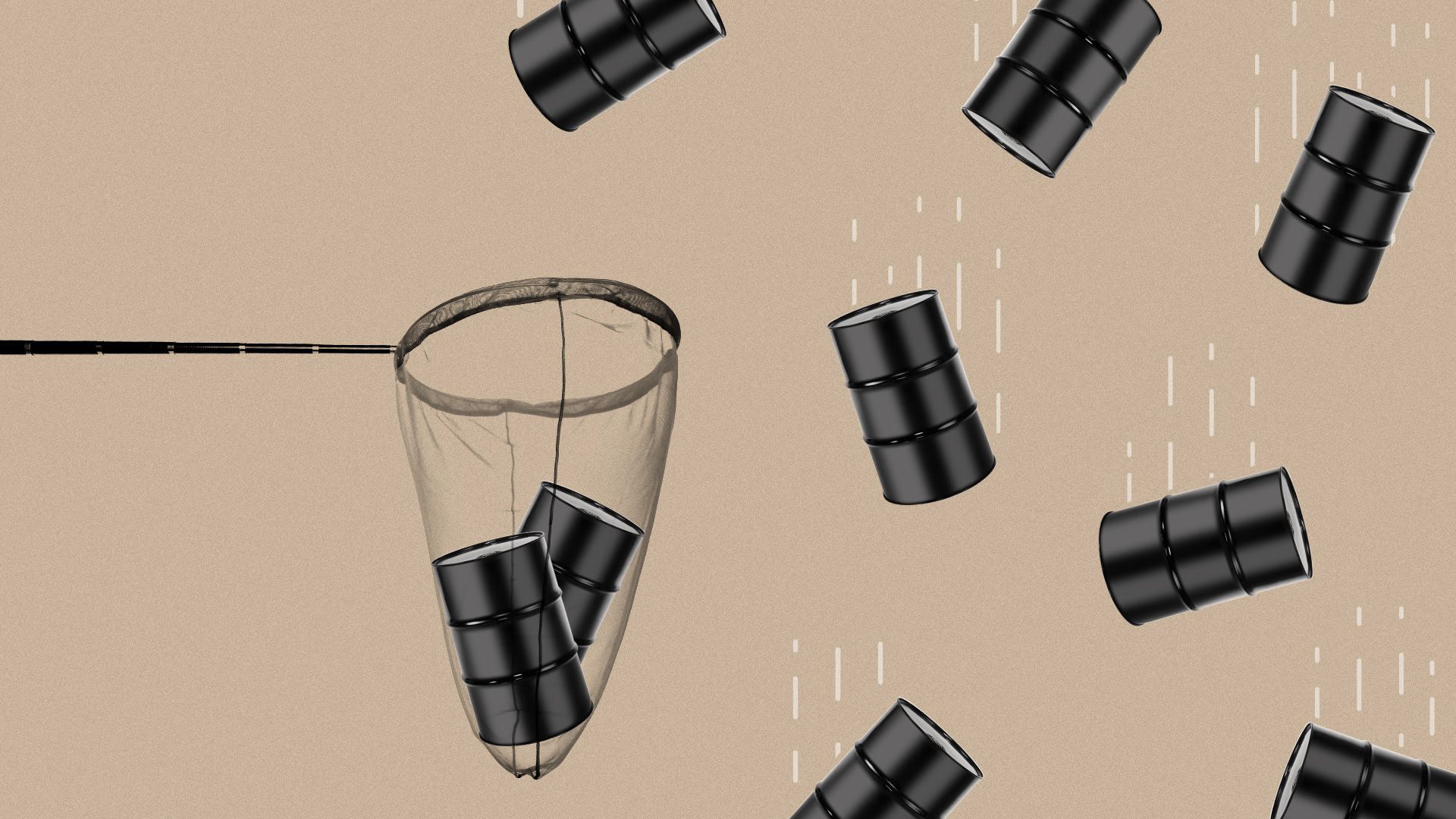
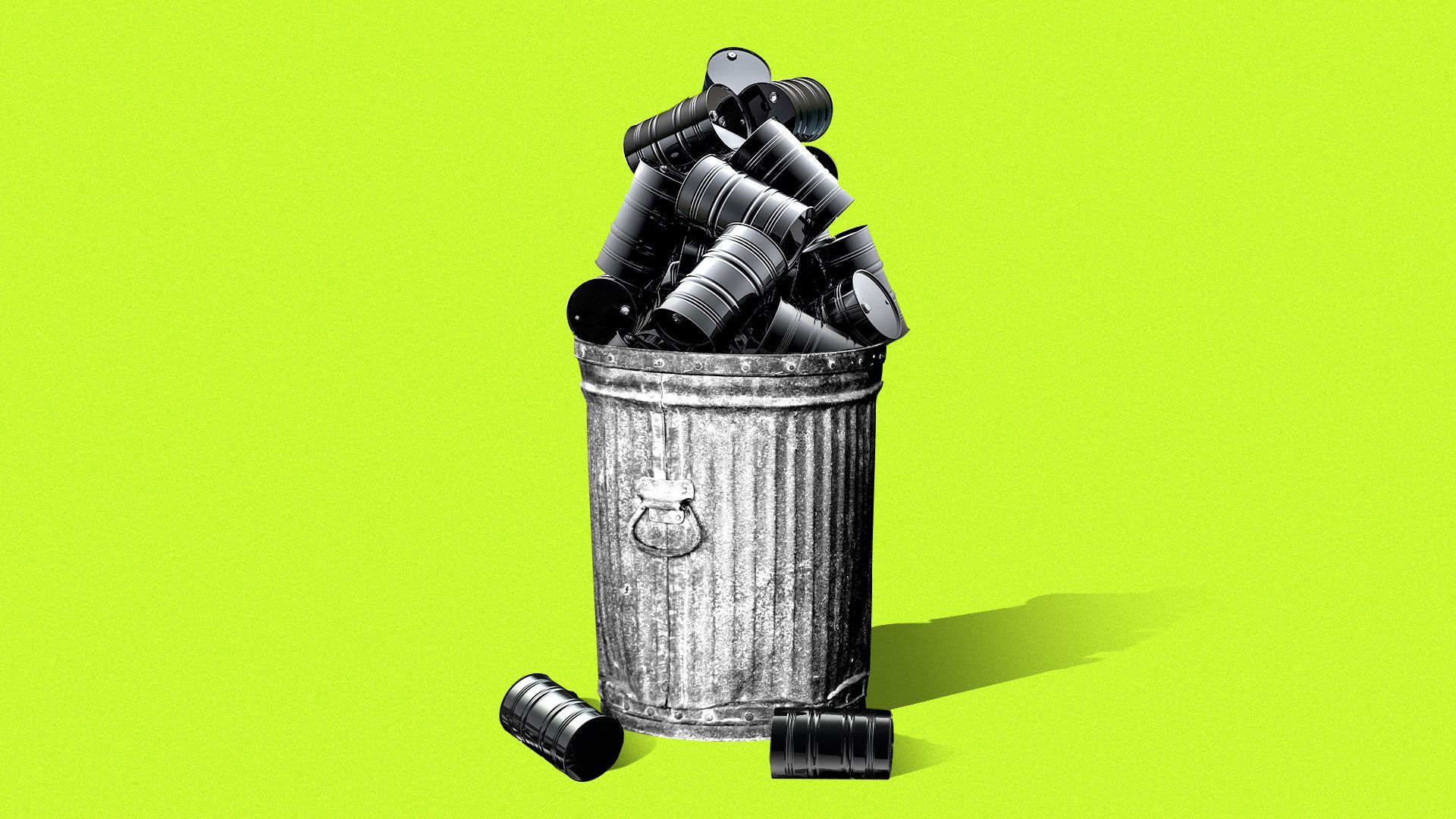
Fifteen years ago, the world was worried it would run out of oil, yet this week the crude market cratered, with prices for American oil temporarily going negative.
The big picture: While the recent price crash is largely due to unprecedented drops in demand for oil because of COVID-19 lockdown policies, technological advances over the past decade unlocked new supplies in the U.S. and elsewhere.
The 50th anniversary of the first Earth Day on Wednesday is a chance to look back at environmental progress — and forward to the enormous challenges that remain.
The big picture: By many measures, the air and water in the U.S. is far cleaner than it was in 1970, thanks in no small part to the activism that helped create Earth Day. But the next 50 years will require leaps of innovation to address climate change.
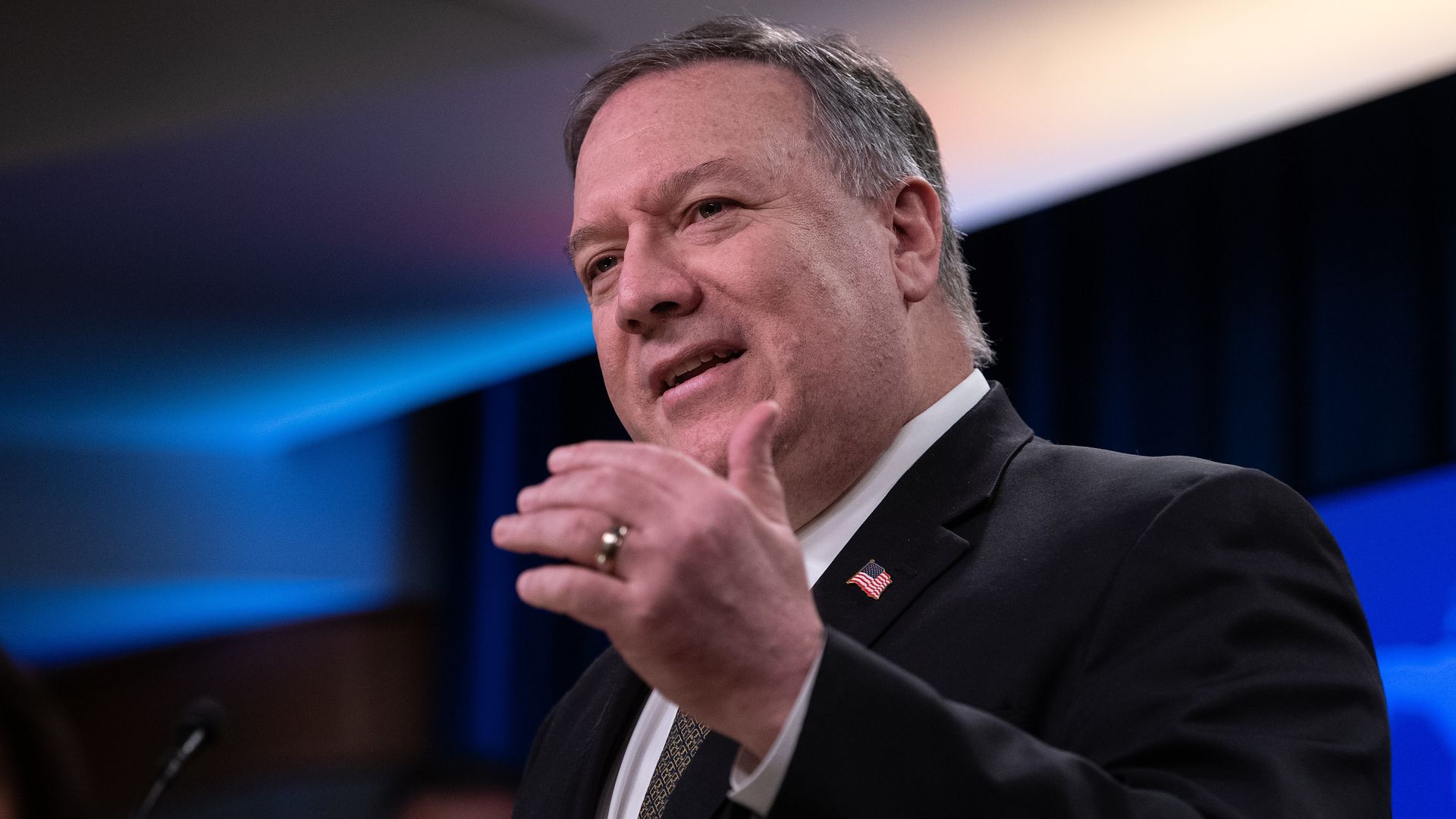
Secretary of State Mike Pompeo called on China and other countries to shut down the buying and selling of live wildlife in a statement commemorating the 50th anniversary of Earth Day, calling it "a move that would reduce risks to human health."
Why it matters: A wet market in Wuhan, China, is likely the original source of the novel coronavirus pandemic, which has killed more than 179,000 people around the world, according to Johns Hopkins University data.
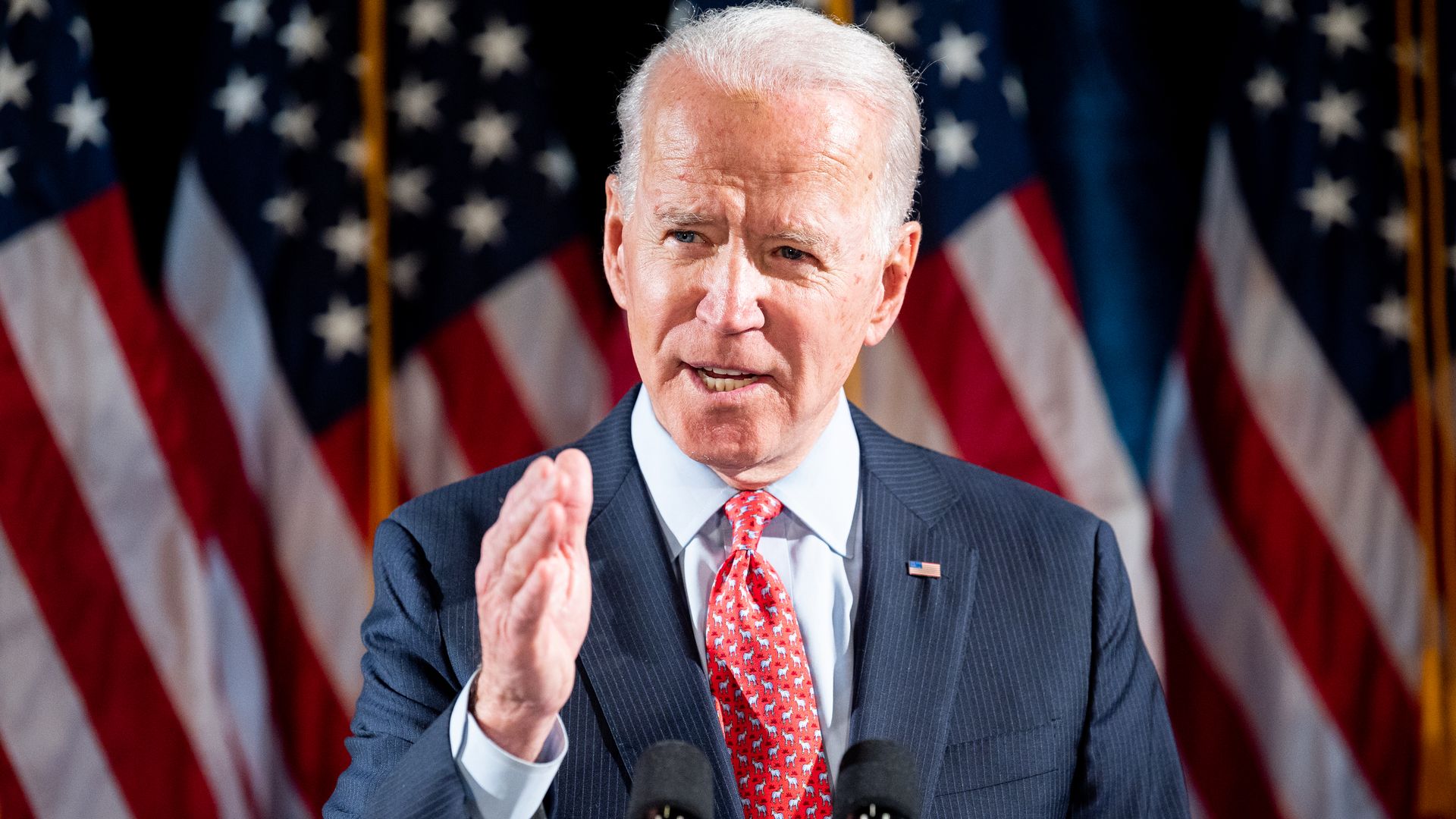
Over 80 scientists, including prominent climate experts, are out with an open letter endorsing Joe Biden just ahead of the 50th anniversary of Earth Day.
Why it matters: The letter comes as Biden is seeking to consolidate support among progressives who prefer Sen. Bernie Sanders' more aggressive climate platform.
2020 is certain to be among the warmest years in modern temperature records that date back to the late 1800s, and stands a very good chance of beating 2016 to top the list, per the National Oceanic and Atmospheric Administration.
Why it matters: The recent estimate (which I learned about in this Washington Post piece by former Axios colleague Andrew Freedman) shows the ongoing march of global warming, even as policymakers are consumed with responding to COVID-19.
There are various ideas kicking around, in addition to previously floated proposals — which Congress has yet to approve — to buy 77 million barrels of oil for the SPR.
The big picture: Steps that don't require new Capitol Hill actions could be key for the White House. Edward Moya, an analyst with the firm OANDA, warned in a note that President Trump "will see strong resistance from Congress in giving out any funds to oil and gas companies."
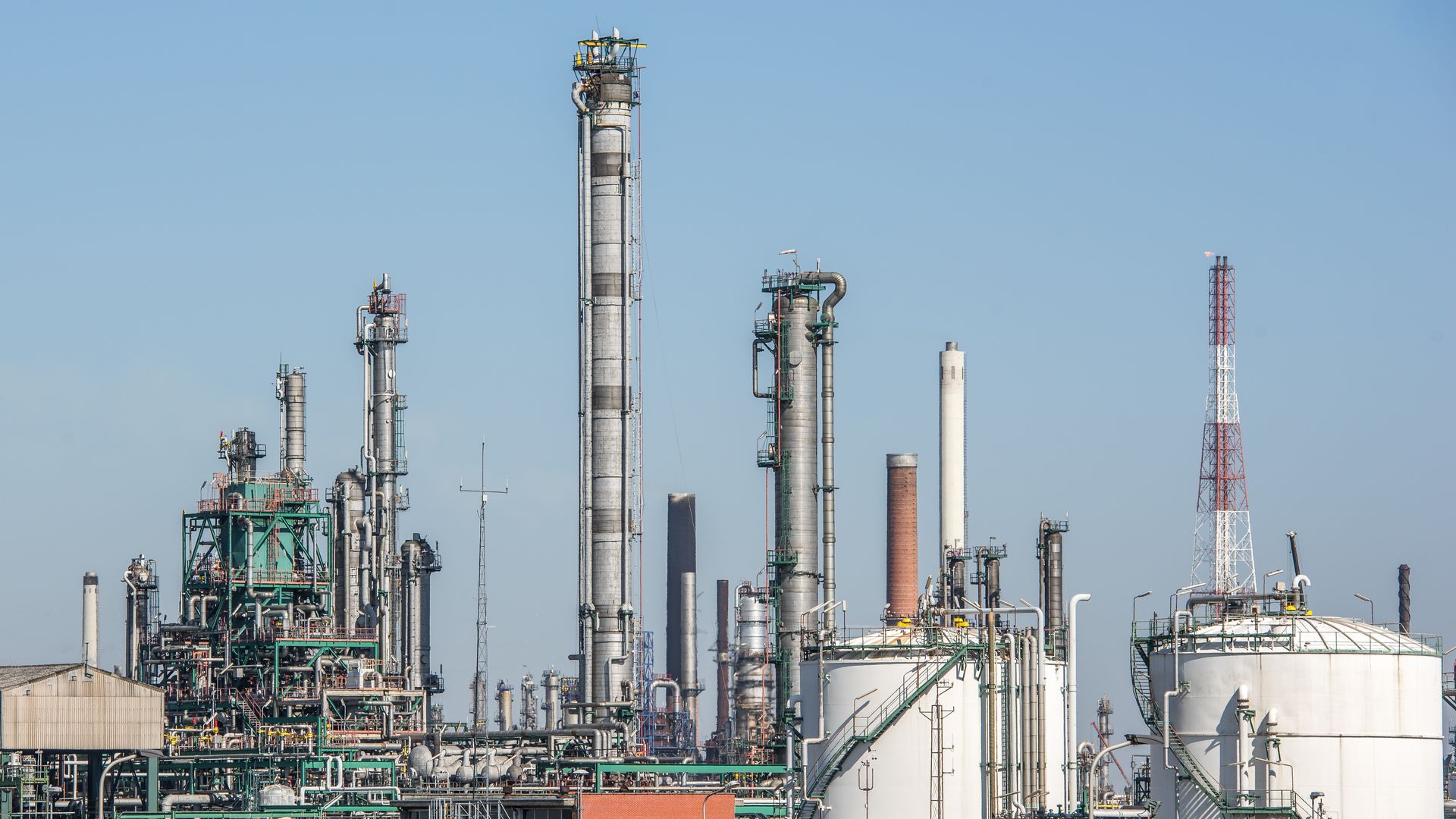
Policymakers worldwide are eyeing new moves to shore up collapsing oil markets and, in the U.S., help distressed companies — but there is probably no safety net big enough.
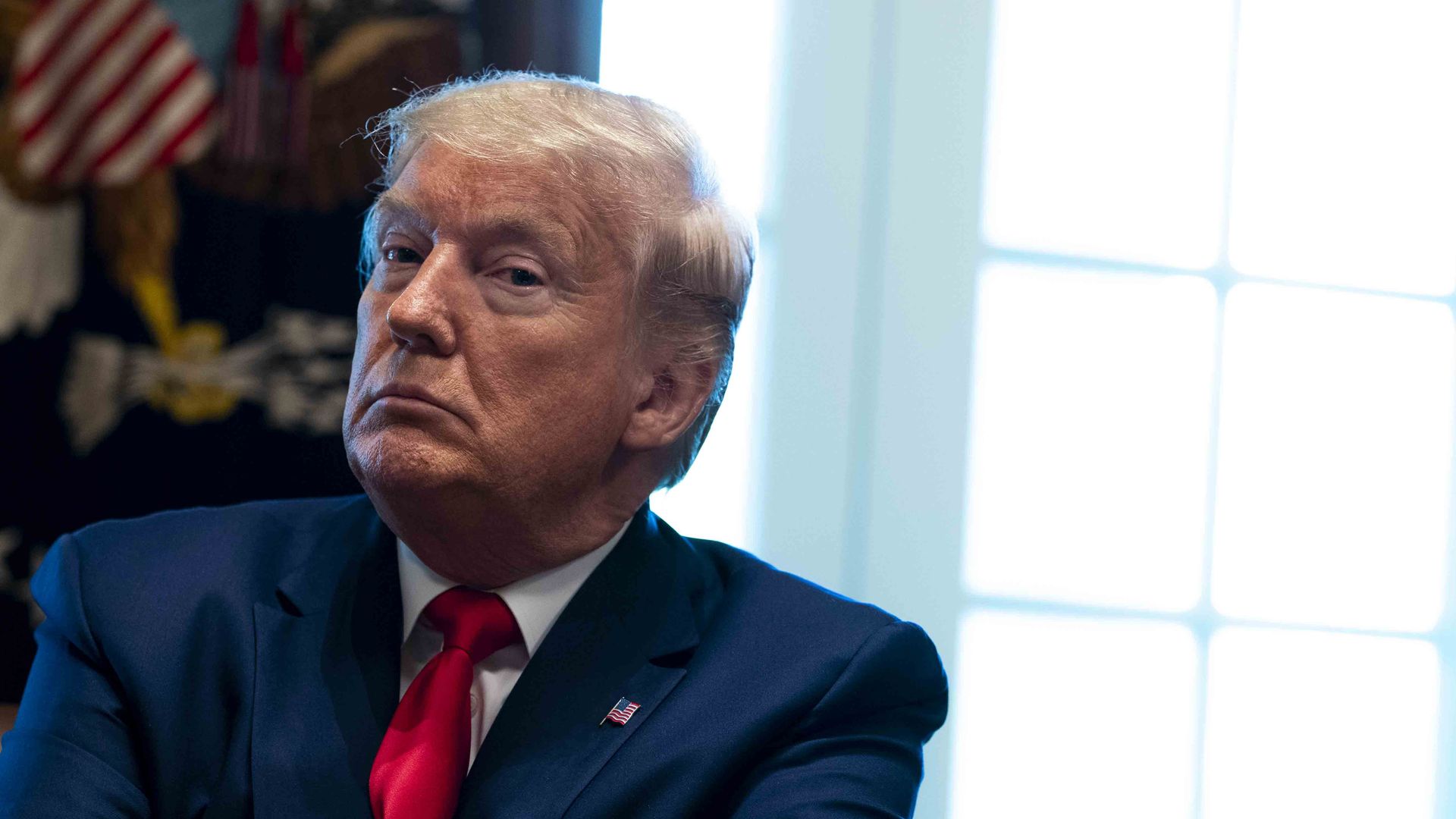
Driving the news: President Trump yesterday said he told the Treasury and Energy Departments to come up with a financial aid plan for the oil sector.
The UN's Earth Day message calls on governments to do something that's not happening in America: Attach green strings to public aid for corporations in coronavirus rescue packages.
What they're saying: "[W]here taxpayers’ money is used to rescue businesses, it needs to be tied to achieving green jobs and sustainable growth," UN Secretary-General António Guterres said in prepared remarks.
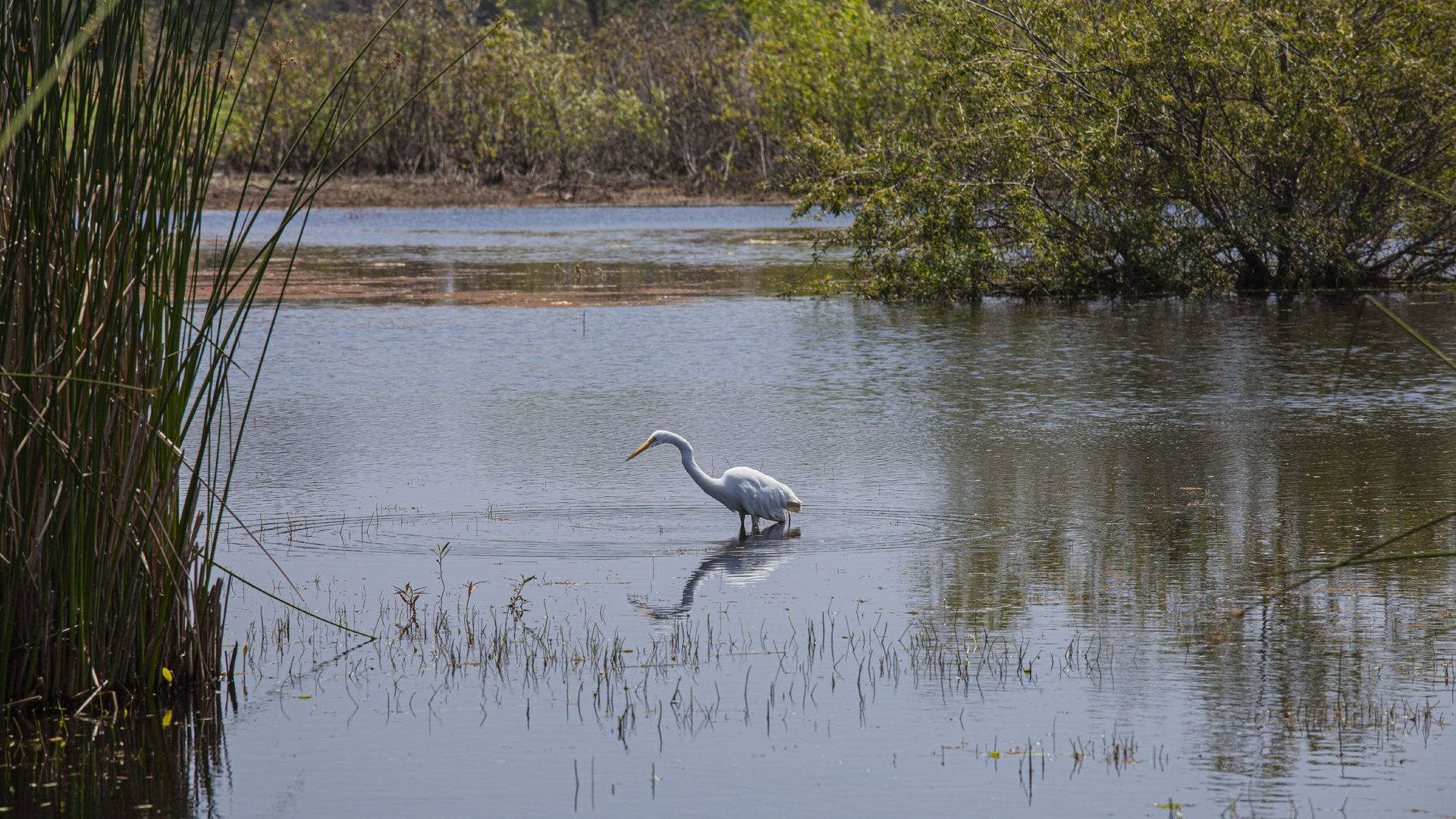
The Environmental Protection Agency published plans to remove Clean Water Act protections for some wetlands, streams and marshes in the Federal Register on Tuesday, meaning that the changes go into effect in 60 days.
What's next: Lawsuits are expected against the rescinded protections once they go into effect in June, E&E News reports.
Oil futures turned negative on Monday, a historic move that reflects too much supply and too little demand amid the coronavirus pandemic. Dan digs into why it happened and what happens next with Axios energy reporter Ben Geman.
President Trump tweeted Tuesday that the Energy and Treasury departments will “formulate a plan” to help the oil and gas industry, which is imploding as a result of rock-bottom prices.
Reality check: Trump’s policy levers are limited in nature and cannot change the overall downward trajectory of oil prices, which have spiraled dramatically as the coronavirus has choked off demand for oil.
U.S. crude oil prices have soared by almost $35 per barrel since the troughs of Monday afternoon, moving all the way back to around negative $5 this morning.
Why it matters: Those numbers for West Texas Intermediate future prices aren't typos, and they reflect the wider tumult in the oil industry encapsulated in yesterday's first-ever negative futures prices.
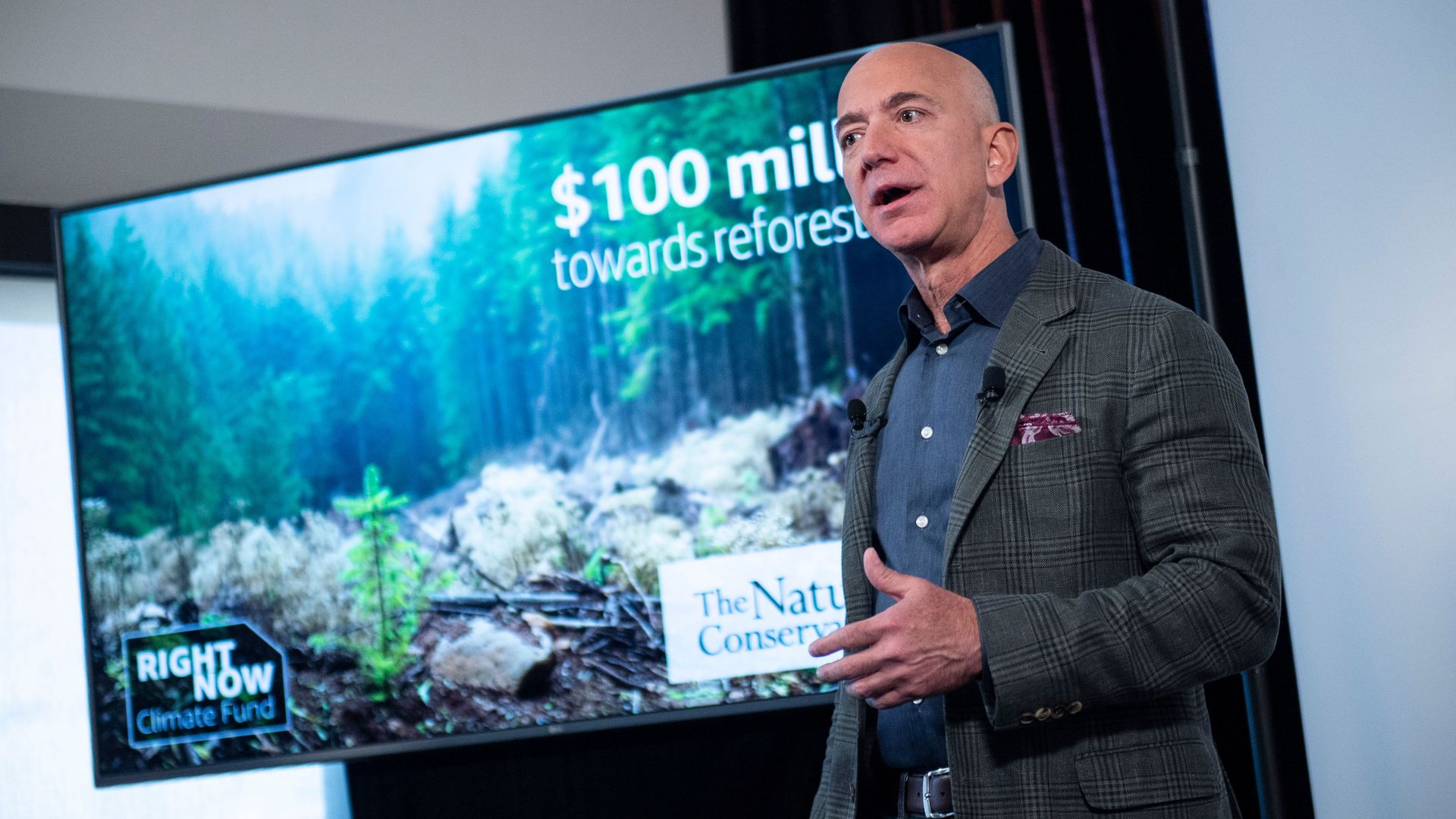
Amazon is putting $10 million into restoring or conserving four million acres of forest as part of its 2019 pledge to become carbon-negative within the next 20 years, the company announced Tuesday.
Where it stands: Tech giants are poised to gain as life moves even more online with the coronavirus pandemic wearing on, and early signs suggest they’re not backing down much from their march — however slow and uneven — toward greener businesses.


/2020/04/22/1587592296667.gif?w=3840)