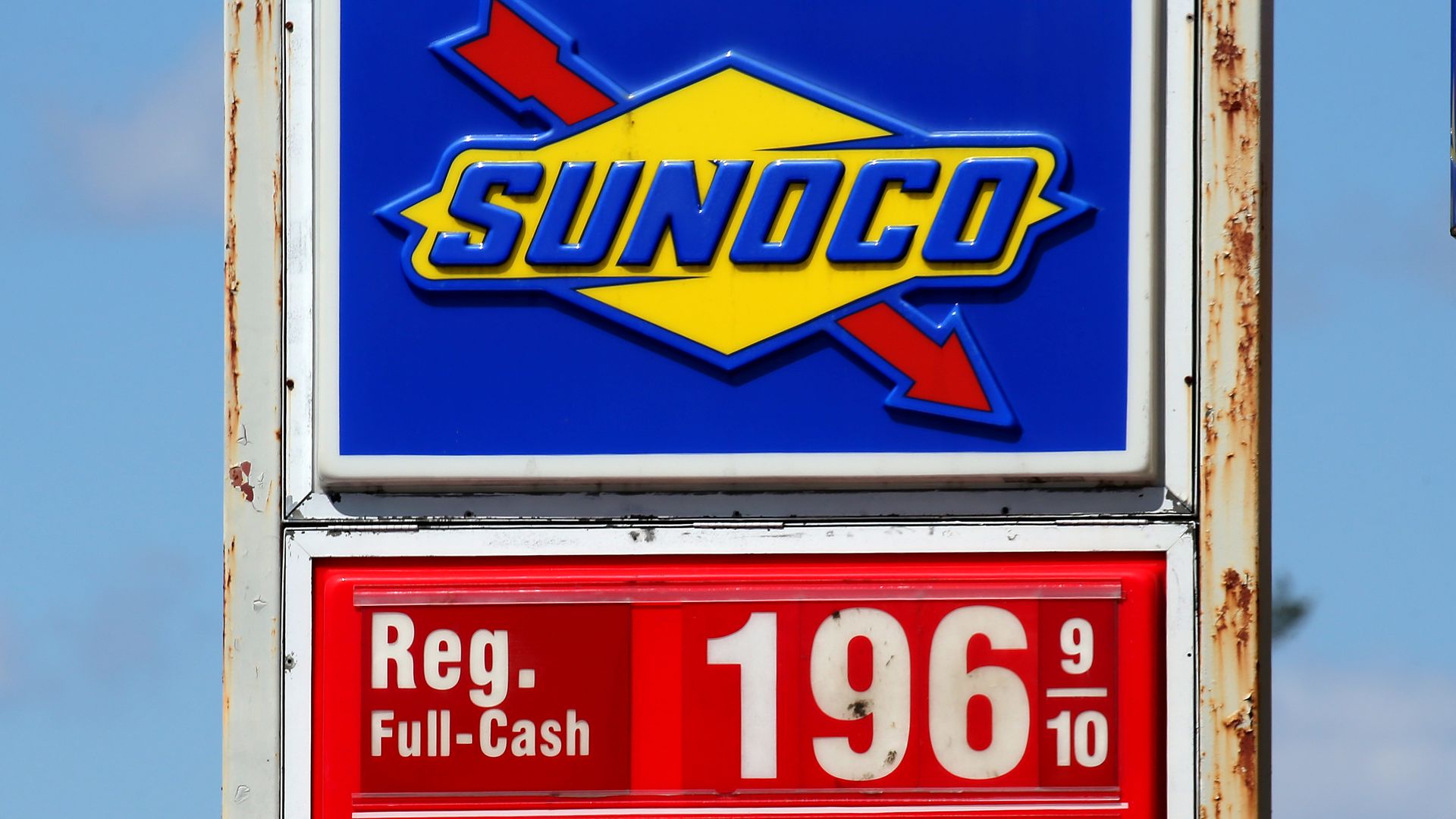
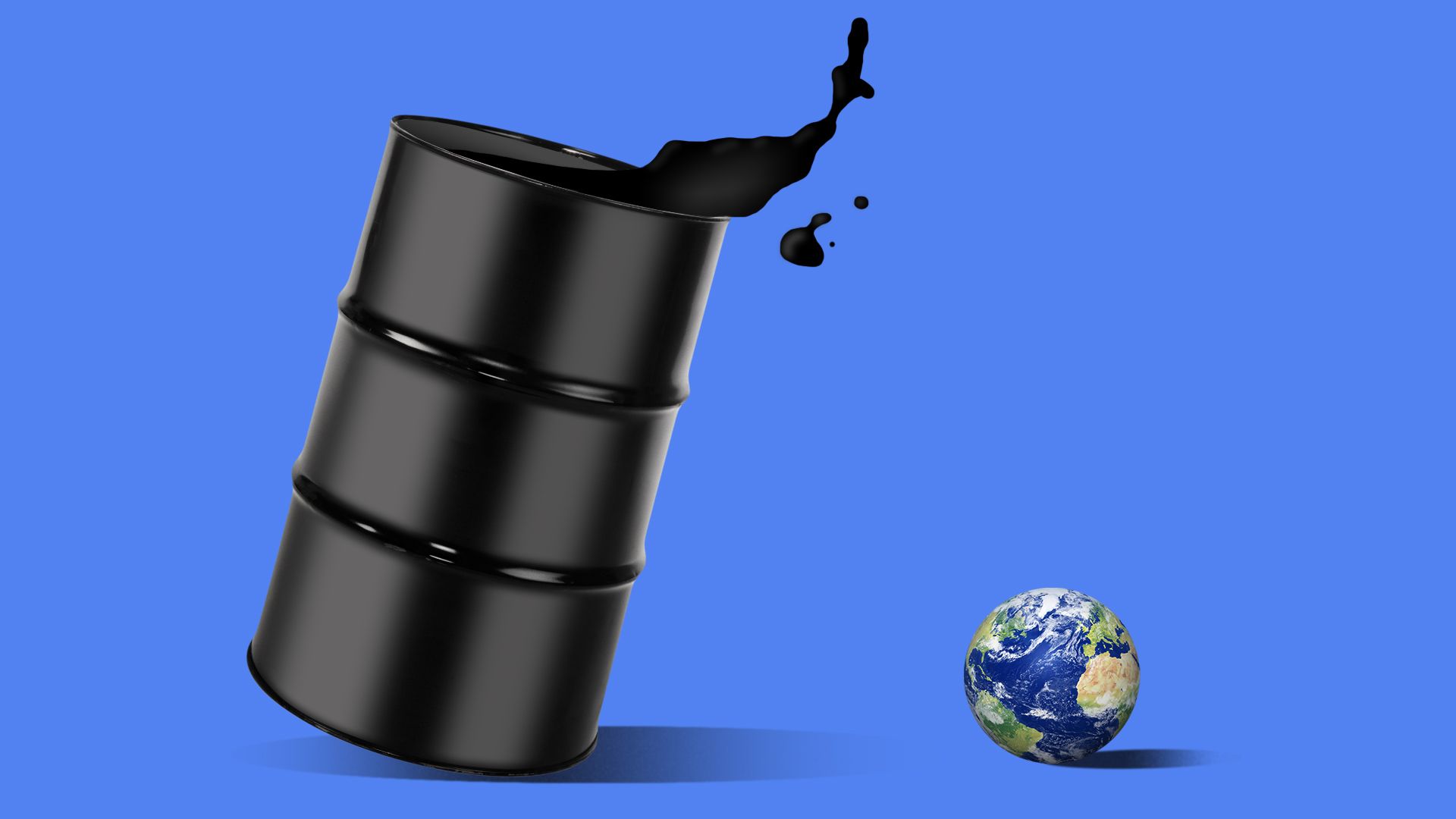
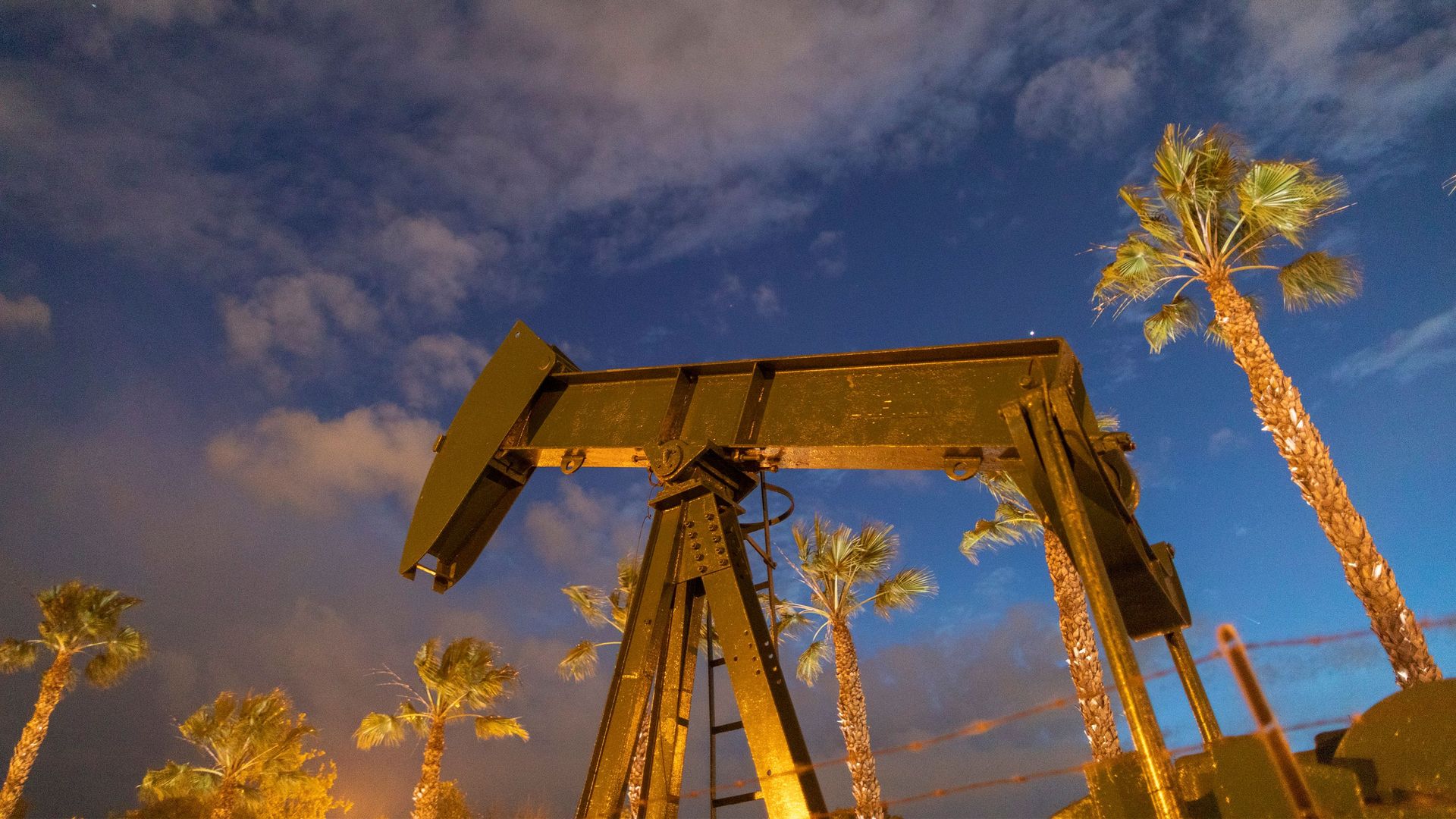
In an unprecedented move, U.S. oil prices went negative Monday — meaning, companies paid to sell their oil — but don’t expect to get paid to fill up your tank at the gas station.
How it works: Several other layers of costs, including refinement, transportation and various state taxes suggest negative gasoline prices are extremely unlikely, per Patrick De Haan, head of petroleum analysis at GasBuddy.
U.S. oil futures prices plummeted into negative territory for the first time ever in trading Monday, a stunning sign of how the glut of unwanted crude is filling up storage infrastructure as the coronavirus pandemic crushes global demand.
The state of play: May futures prices for West Texas Intermediate settled at -$37.63 on NYMEX before recovering somewhat. But prices still remain deep in negative terrain, meaning that holders of oil delivery contracts need to pay to get rid of them.
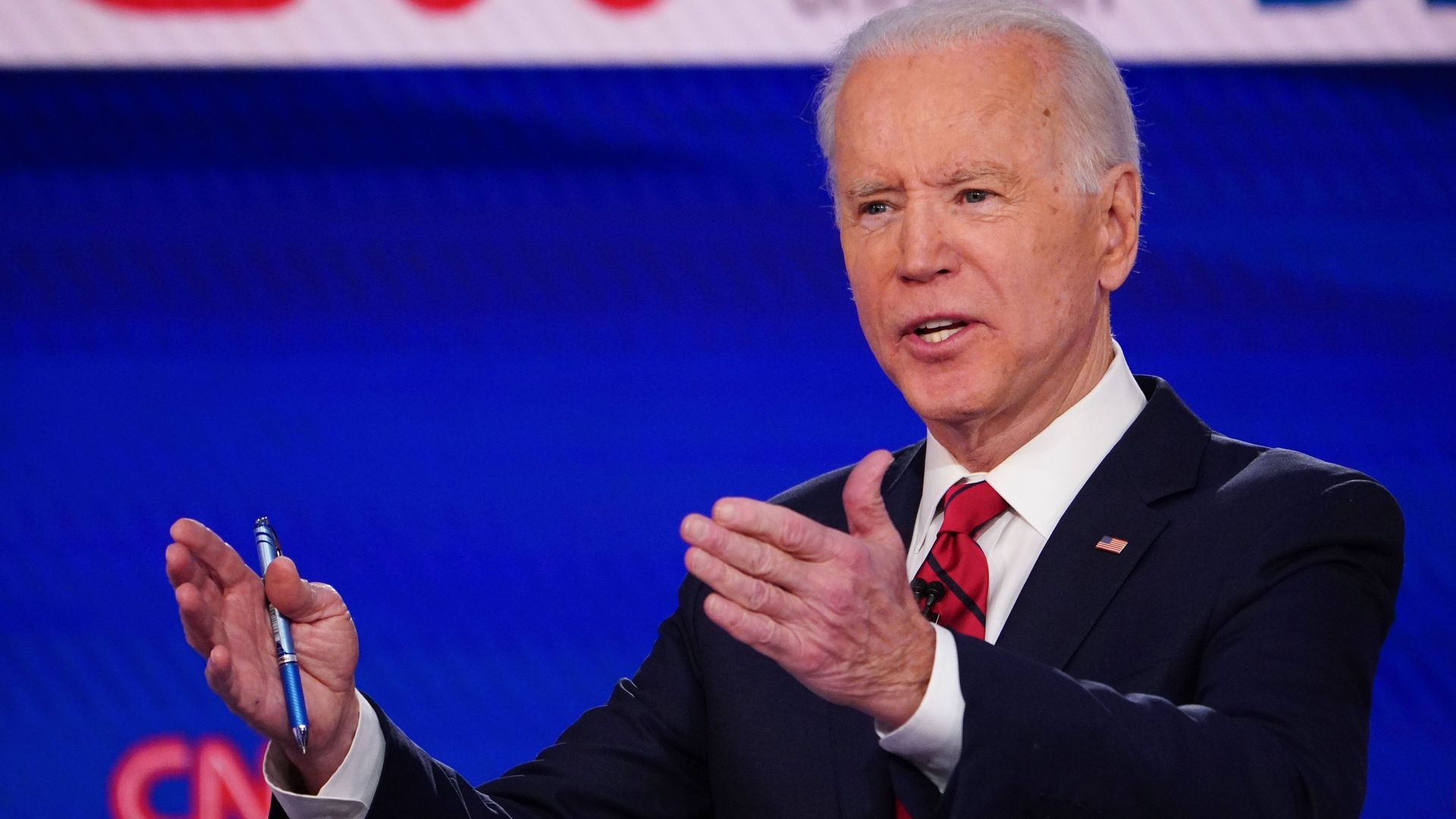
Joe Biden said Monday that expanding his climate platform will be a "key objective" in the coming months and laid out broad areas where the plan could see changes.
Driving the news: The announcement came in the presumptive Democratic nominee's statement accepting the endorsement of the League of Conservation Voters Action Fund.
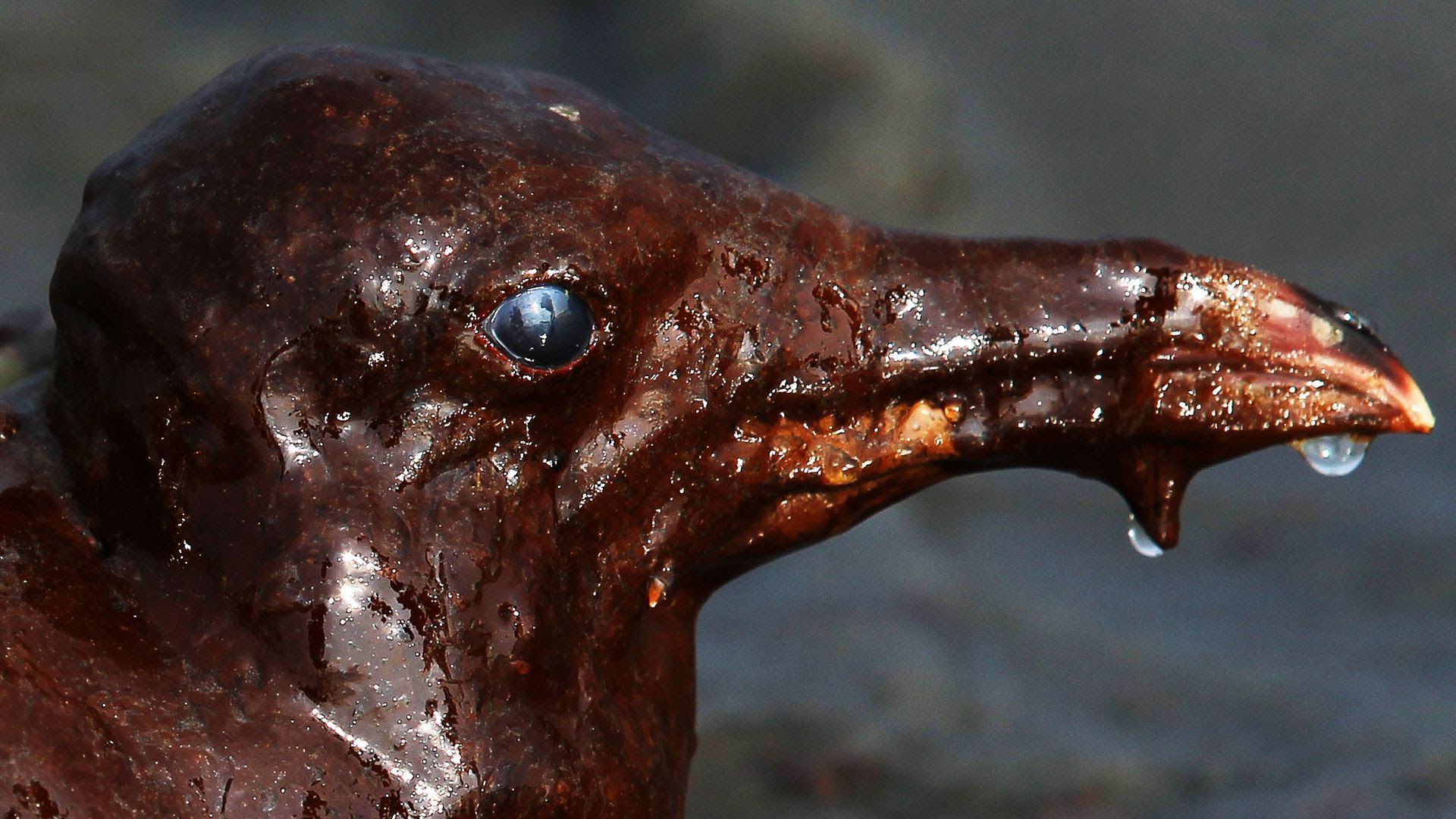
Monday marks a decade since the Deepwater Horizon catastrophe, which claimed 11 lives, spilled roughly 3 million barrels of oil over months, and created ecological damage that lingers today.
Why it matters: It was the worst offshore oil spill in U.S. history, and prompted a major overhaul of offshore drilling oversight.
As renewable energy gets cheaper, Americans want to see more of it. But, partisan disagreements at the federal level and decentralization over solving questions about energy storage and use is slowing down that process — only made worse by the coronavirus crisis.
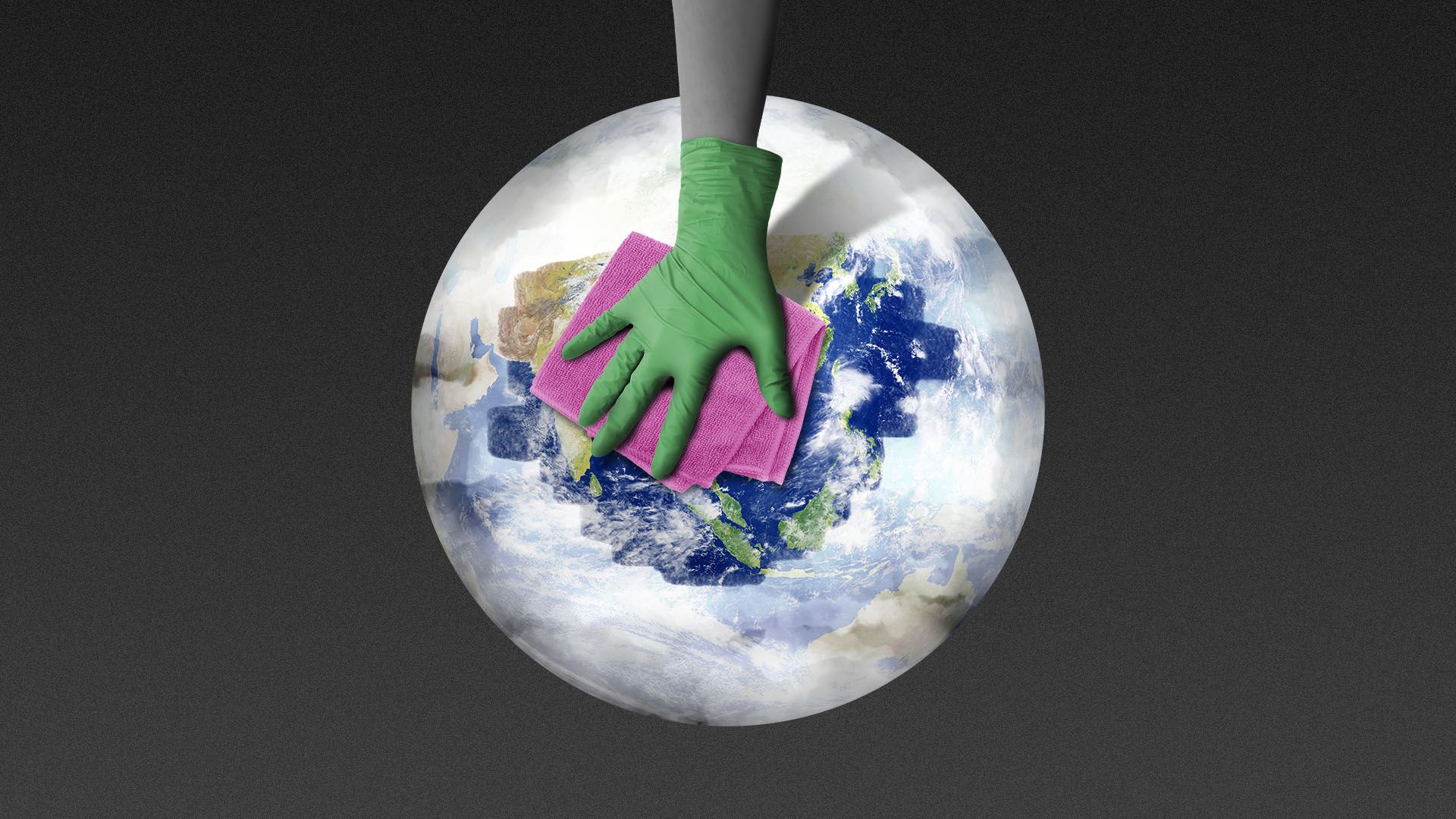
The pandemic is creating a temporary oasis of cleaner skies and waters, but at immense health and economic costs.
The big picture: It’s an ironic coincidence that this once-in-a-lifetime moment is happening around the 50th anniversary of Earth Day on Wednesday. These glimpses of a cleaner planet illustrate the challenge of cleaning the Earth up for the long haul. You know, longer than we’re social distancing.
U.S. crude prices plummeted in Asian trading hours Monday morning amid concerns about where to store the excess oil the world isn't using while countries are on lockdown over the novel coronavirus pandemic.
Our thought bubble, per Axios' Amy Harder: The story with the oil industry remains the same despite the OPEC deal this month to steeply cut oil production: There’s too much oil, too few places to put it and far too little demand for it."