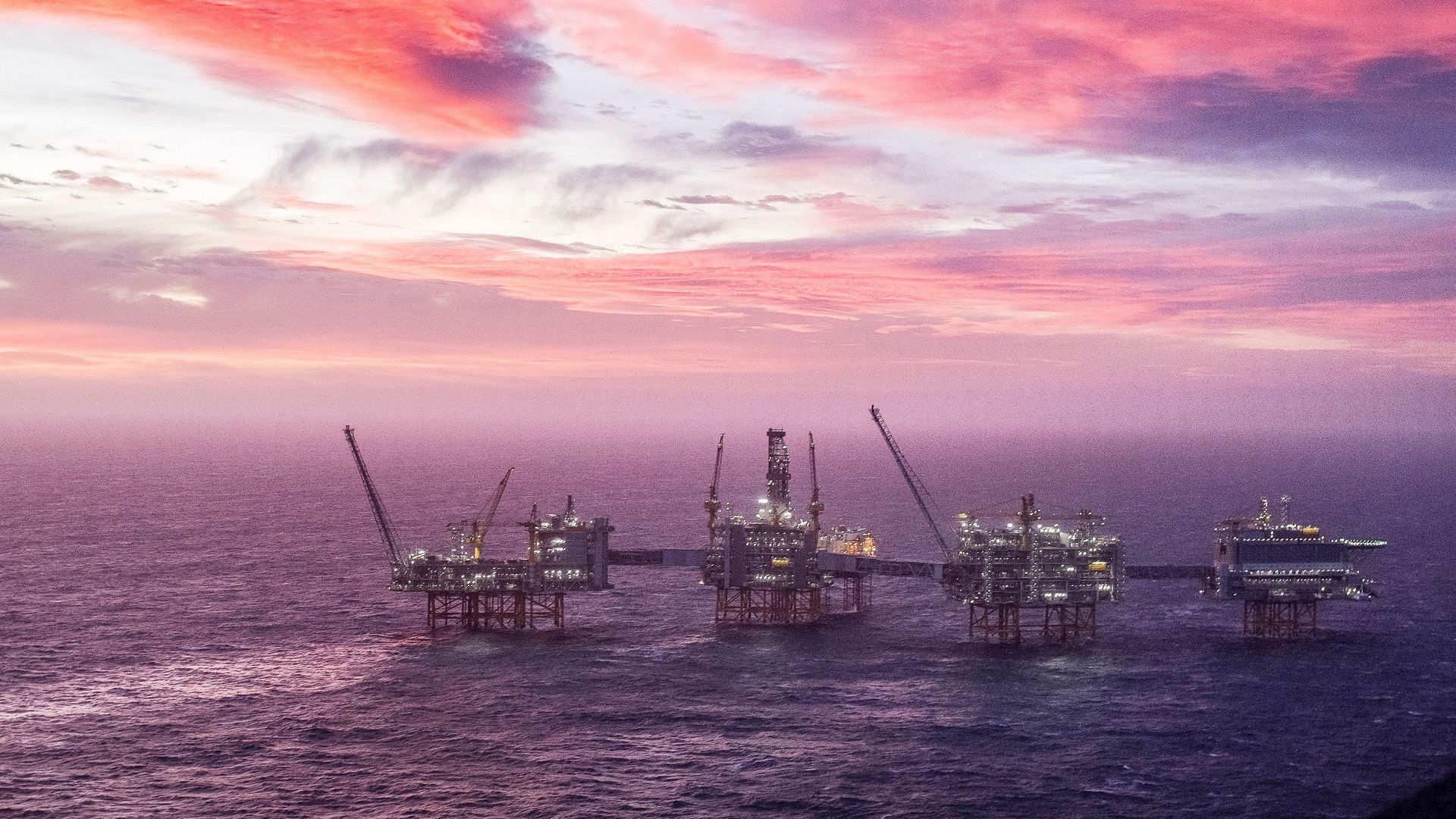
The big multinational oil-and-gas company Eni posted a roughly $3.15 billion net loss for the quarter on Friday, citing the combined effect of the "ongoing economic recession" due to coronavirus and low prices.
Why it matters: It's a sign of what's to come for the sector in this earnings period and going forward for a while.
The coronavirus pandemic is amplifying the debate over the relevance of individual behavior in fighting climate change.
Why it matters: The real-time experiment is lending itself to different takes on whether individual steps — as opposed to only systemic policy changes, cracking down on polluters and tech innovations — can play a major role in cutting emissions.
The financial toll brought on by the coronavirus pandemic could hinder plans for countries' ambitious renewable energy goals, as jobs disappear amid strict nationwide lockdowns.
Driving the news: Milestones for low-carbon energy policies in China, India and the European Union, which were all expected to drive new projects this year, are scheduled to expire soon.
The price of oil is at all-time low. Even if you put aside the technical factors that caused the May WTI futures contract to close at negative $37.63 per barrel, oil has never been this cheap, in real terms, since the 1973 oil crisis.
Why it matters: Oil, like cash, is based on flows: the number of barrels produced per day, versus the number of barrels consumed. Oil also literally makes the world move: powering cars, trucks, planes, trains and ships. Now that the world has stopped moving, demand is well below supply, and storage capacity is running out.
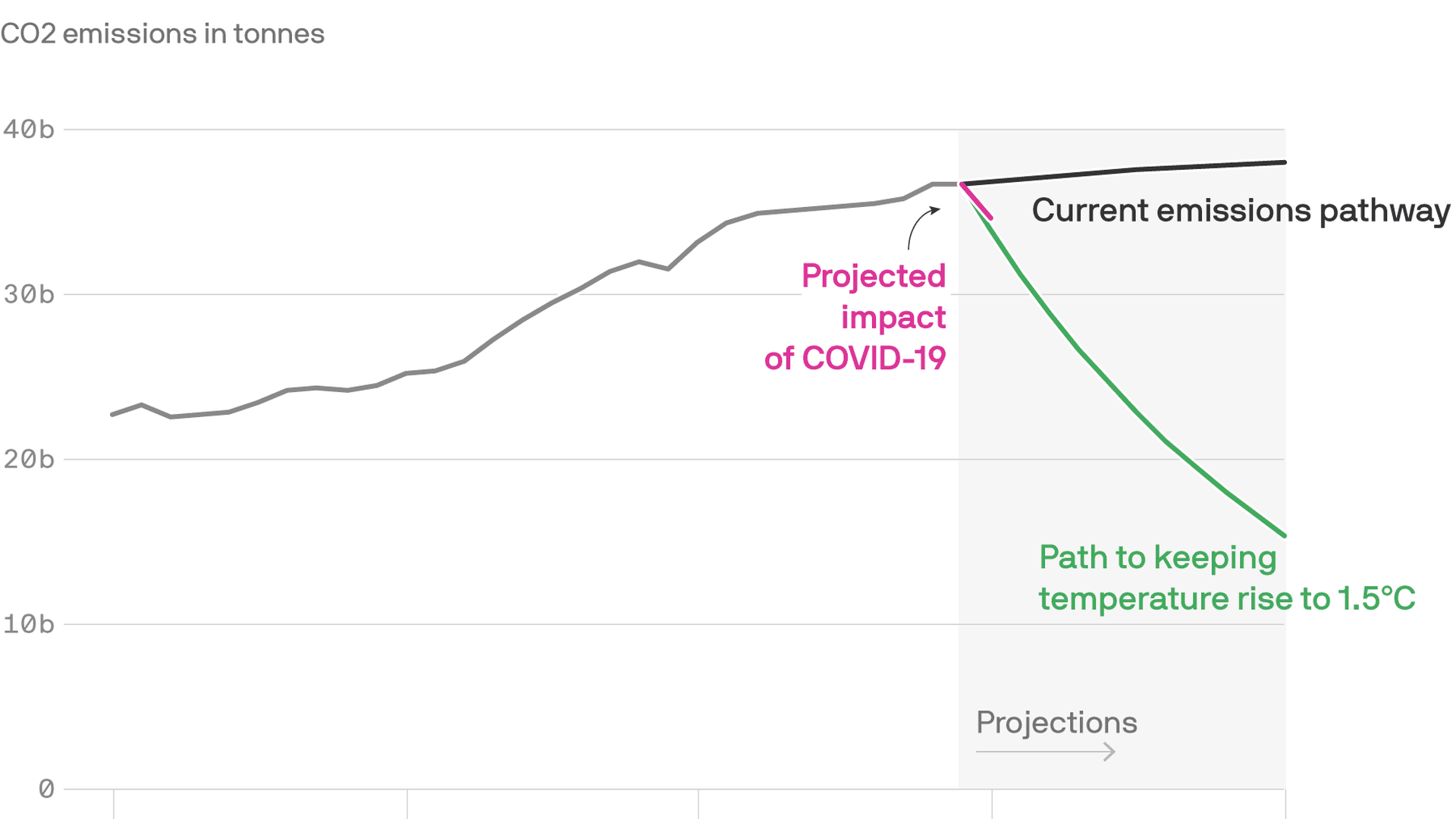
Global carbon emissions are projected to drop an unprecedented 5.5% this year, according to an analysis by Carbon Brief, a website on climate change and energy.
Yes, but: They'll need to fall a lot more than that — not just in total, but even on an annual basis. The 2015 Paris Agreement is designed to keep global temperatures rising no more than 1.5°C over the coming decades. That would require an annual 7.6% drop in emissions.
A crisis is a terrible thing to waste. The coronavirus crisis is a dress rehearsal for the climate crisis: It will help show us not only what is possible, but also, crucially, whether or not those actions work.
Why it matters: There has never been a better time for big financial ideas to become reality.
The United States Supreme Court ruled 6-3 on Thursday that sewage plants and other industries must abide by environmental requirements under the Clean Water Act when sending dirty water on an indirect route to rivers and oceans, AP reports.
Why it matters: The ruling rejects the Environmental Protection Agency's opinion that industries do not have to comply with the regulations if they discharge polluted water into the ground.
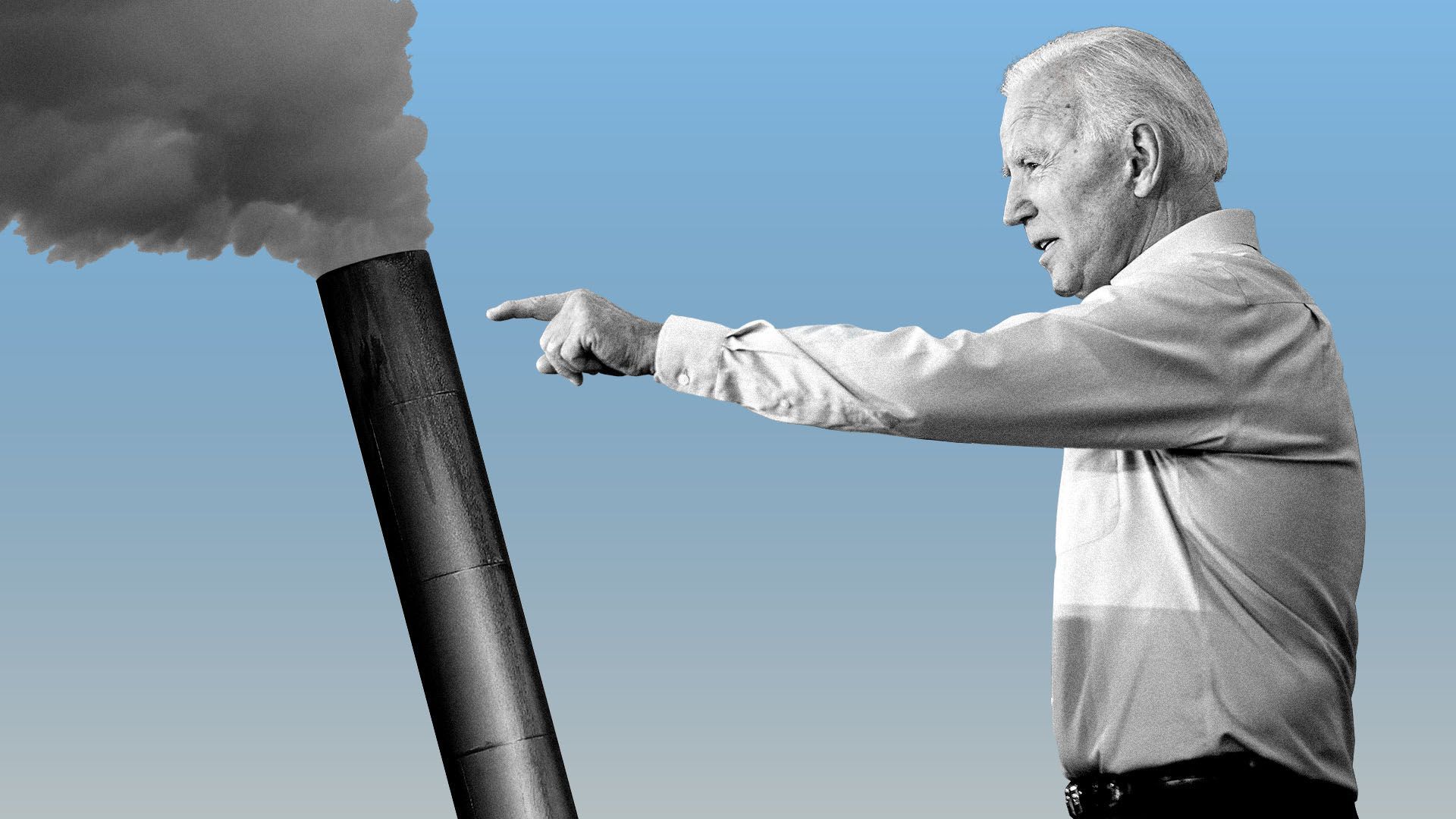
Something Al Gore said in his endorsement of Joe Biden gets to what really matters about Biden’s recent emphasis on climate change — and it stands apart from the changes the presumptive Democratic presidential nominee is already planning to make to his platform.
Driving the news: Here's part of Gore's interview with the Associated Press yesterday...
"He declined to get into the specifics of his policy discussions with Biden or his campaign aides, but he said Biden already has the right focus and has expressed a willingness to make climate action his 'top priority'" (emphasis added).
Google is deploying a new tool in its ongoing quest to eventually run its energy-thirsty data centers on carbon-free power around the clock.
The state of play: The company said in a blog post Wednesday that it's beginning to deploy a "carbon-intelligent computing platform" at its very large data centers. The goal is to align energy use to the time period when the supply is cleanest.
Lucid Motors is out with a new video showing off the performance of prototypes of the upcoming Lucid Air luxury EV in cold, snowy, and icy conditions in northern Minnesota.
What they're saying: "The extreme environment is ideal for validating vehicle dynamics as we test features like antilock braking, traction control, and stability control," a blog post alongside the video states.
The multinational oil giant Equinor said Thursday that it's sharply cutting its first quarter dividend payouts by 67% compared to the prior quarter, citing "unprecedented market conditions and uncertainties."
Why it matters: Norway-based Equinor is the first oil major to cut dividends due to the pandemic-fueled collapse in oil prices and demand.
Storage units are in and car dealerships are out in our coronavirus-fueled shutdowns.
Driving the news: Those inferences are from new power data tracked by analytics company Innowatts. Since electricity consumption directly correlates to human activity, it offers a window into how businesses are faring as much of the country is locked down.
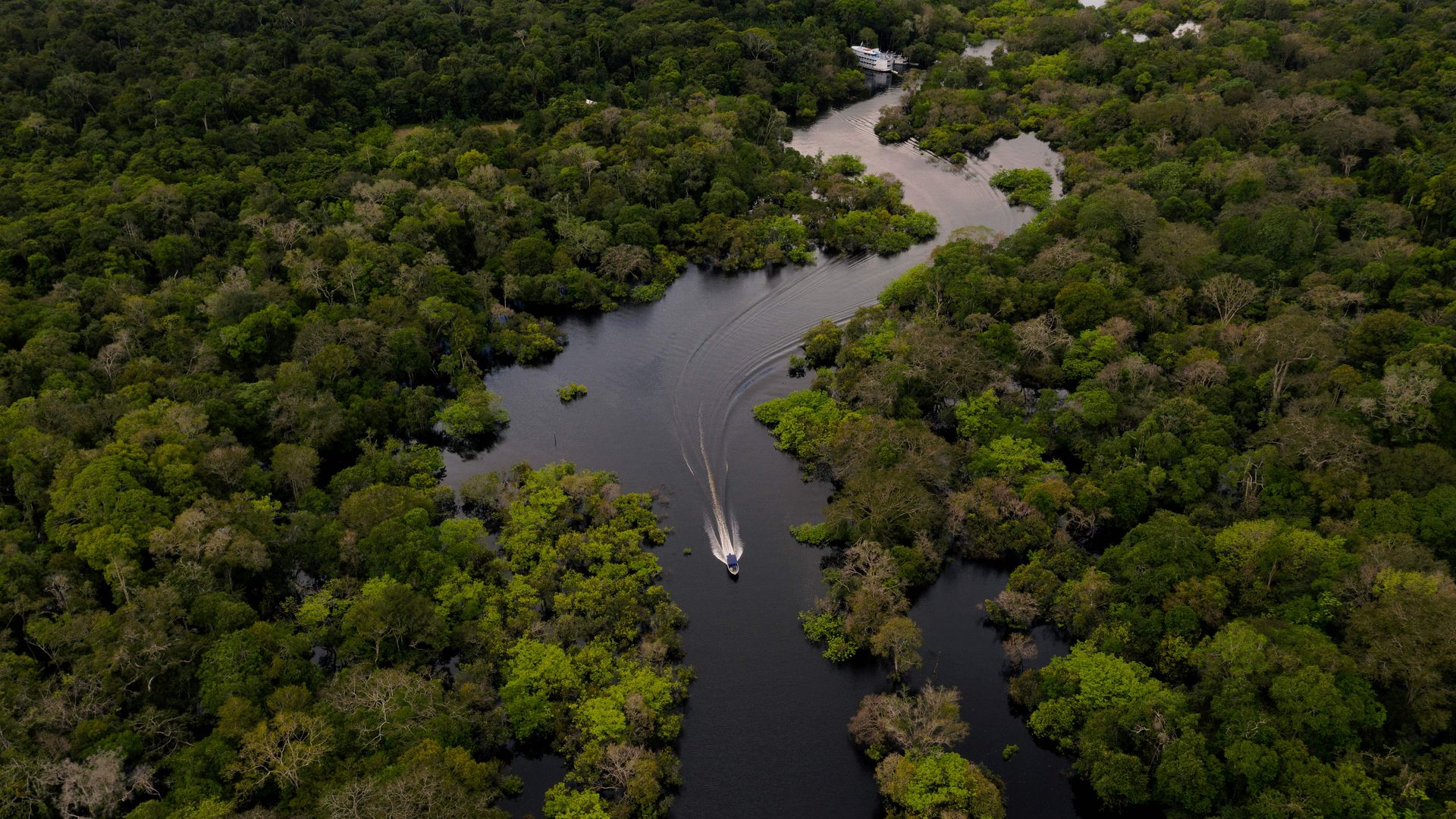
Brazil's Amazon rainforest lost over 2,000 square miles of forest from last August through March 2020, the Wall Street Journal reports, citing satellite data gathered by Brazil's National Institute for Space Research (INPE).
The big picture: The largest and most biodiverse rainforest on the planet, which plays an essential part in slowing global warming, has faced rapid deforestation under far-right President Jair Bolsonaro.







/2020/04/23/1587670931680.gif?w=3840)