Mandy Gunasekara, former deputy assistant administrator in the Environmental Protection Agency's air office, is expected to become the next chief of staff, the Washington Post reports.
Why it matters, via Axios' Amy Harder: Gunasekara's return signals that the agency plans to double down on a deeply conservative approach to eschew new regulations of almost any kind, as opposed to embracing more moderate policies that some businesses are calling for.
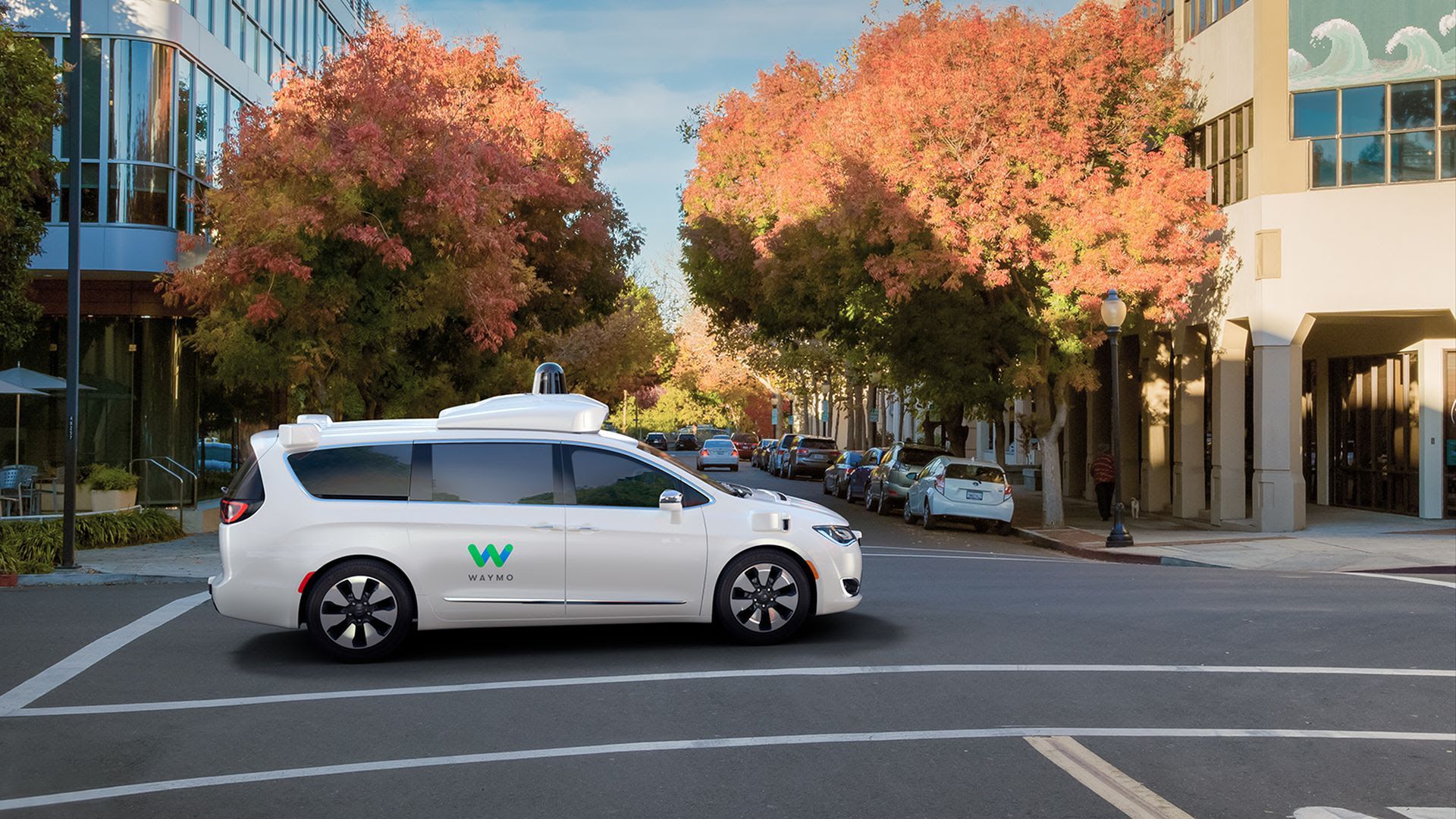
This week during several automated driving demonstrations in Arizona I was reminded why we should all hope self-driving technology is ready soon.
Why it matters: Self-driving cars don't get drunk, tired, distracted — or do things that are just plain stupid — behaviors I saw in spades on the roads in and around Phoenix and Tuscon.
The big picture: Since 2015, Democrats have become increasingly convinced (now at 78%) that climate change should be a top federal priority — while that same view among Republicans has remained relatively flat (now at 21%)
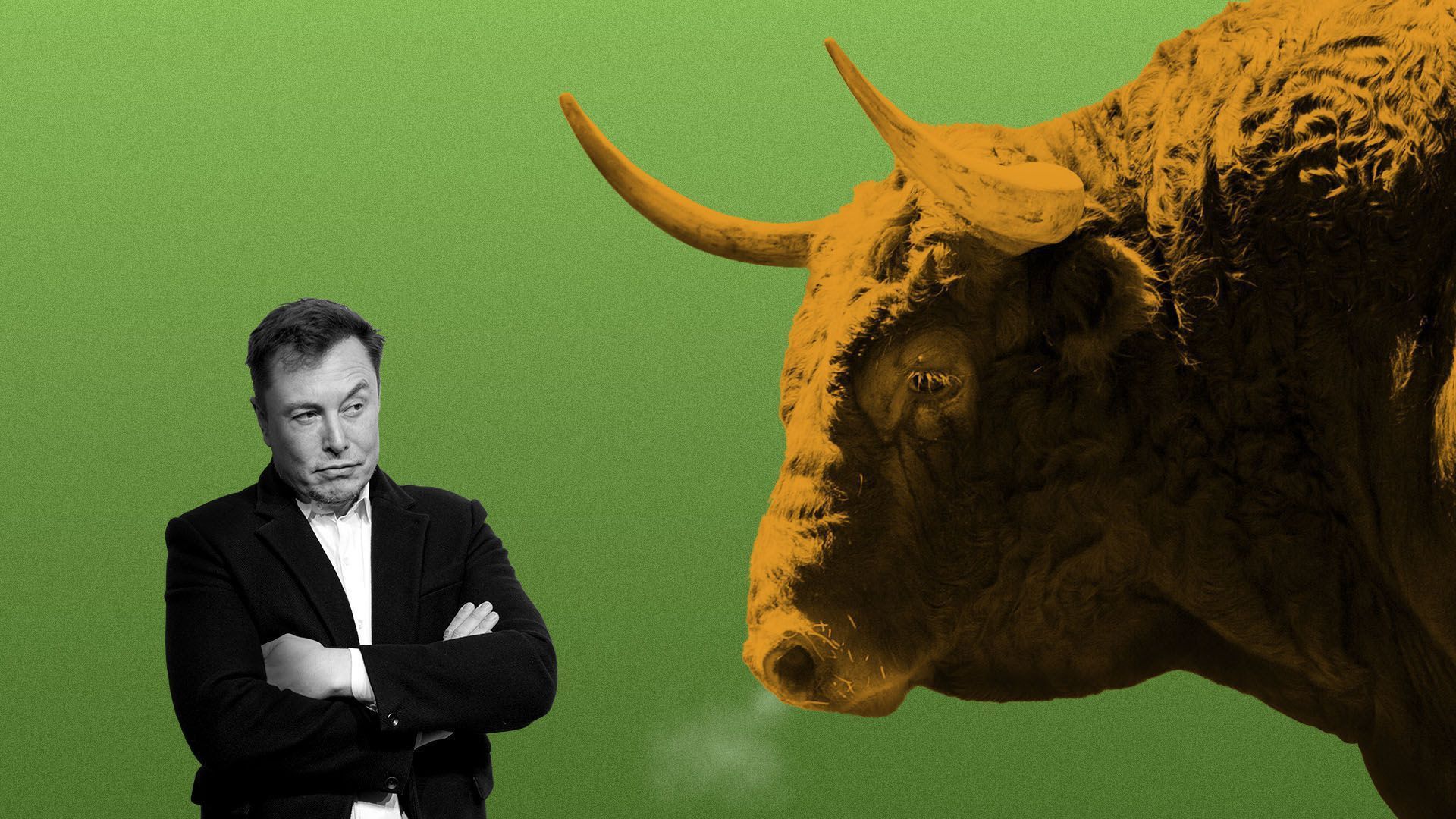
Tesla raised $2.03 billion in a secondary stock offering, pricing at $767 per share. That's a 4.6% discount to yesterday's closing price, and an 86.2% premium to where CEO Elon Musk infamously tweeted that he had "funding secured."
Why it matters: Momentum floats apparently are a thing now, as this comes just two weeks after Musk said on an earnings call that "it doesn’t make sense to raise money because we expect to generate cash."
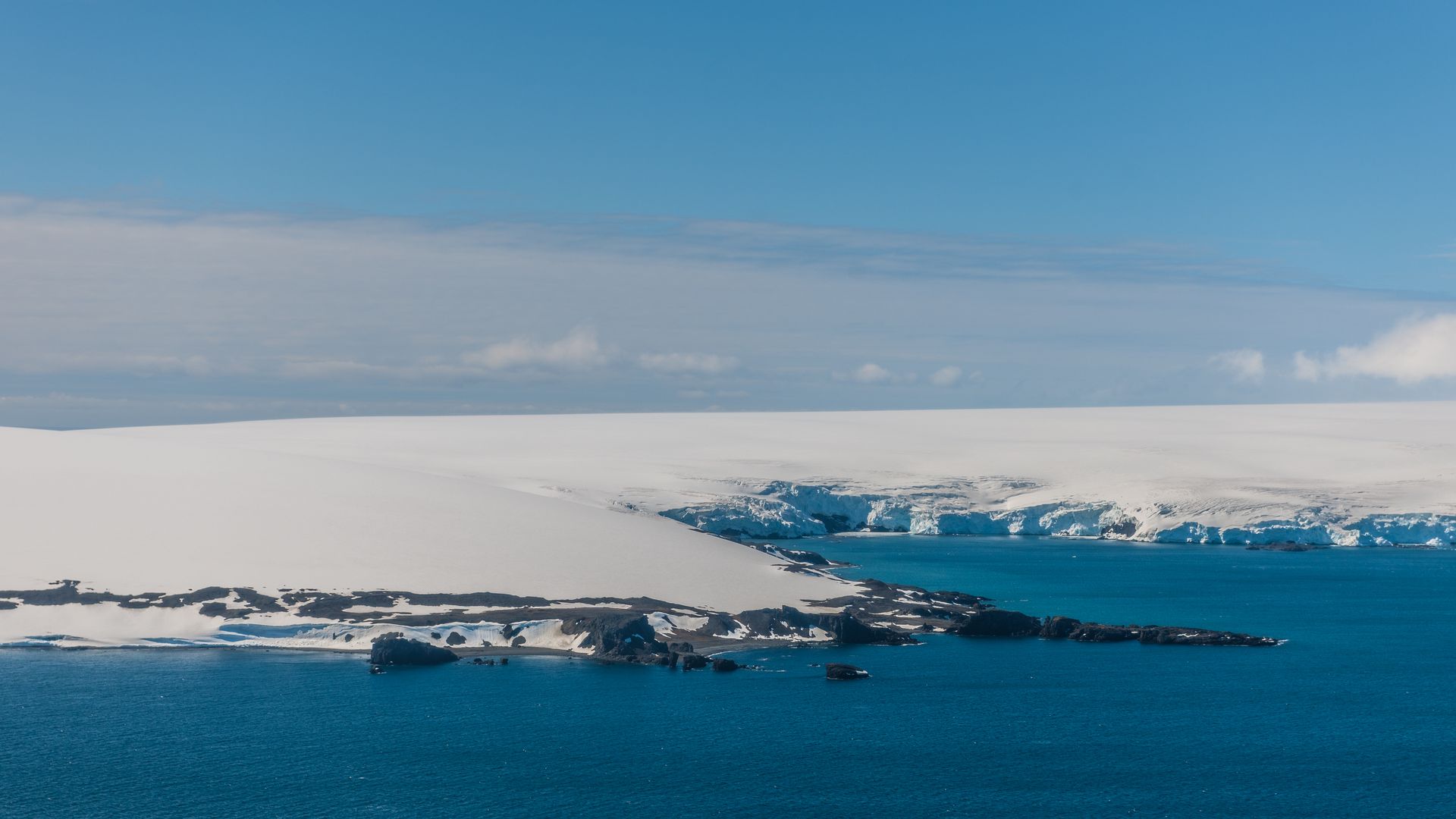
Why it matters: The United Nation's World Meteorological Organization (WMO) has yet to confirm this is the hottest recorded temperature. It's nonetheless an important finding that confirms a heatwave hit the most northern part of Antarctica, the Post writes.
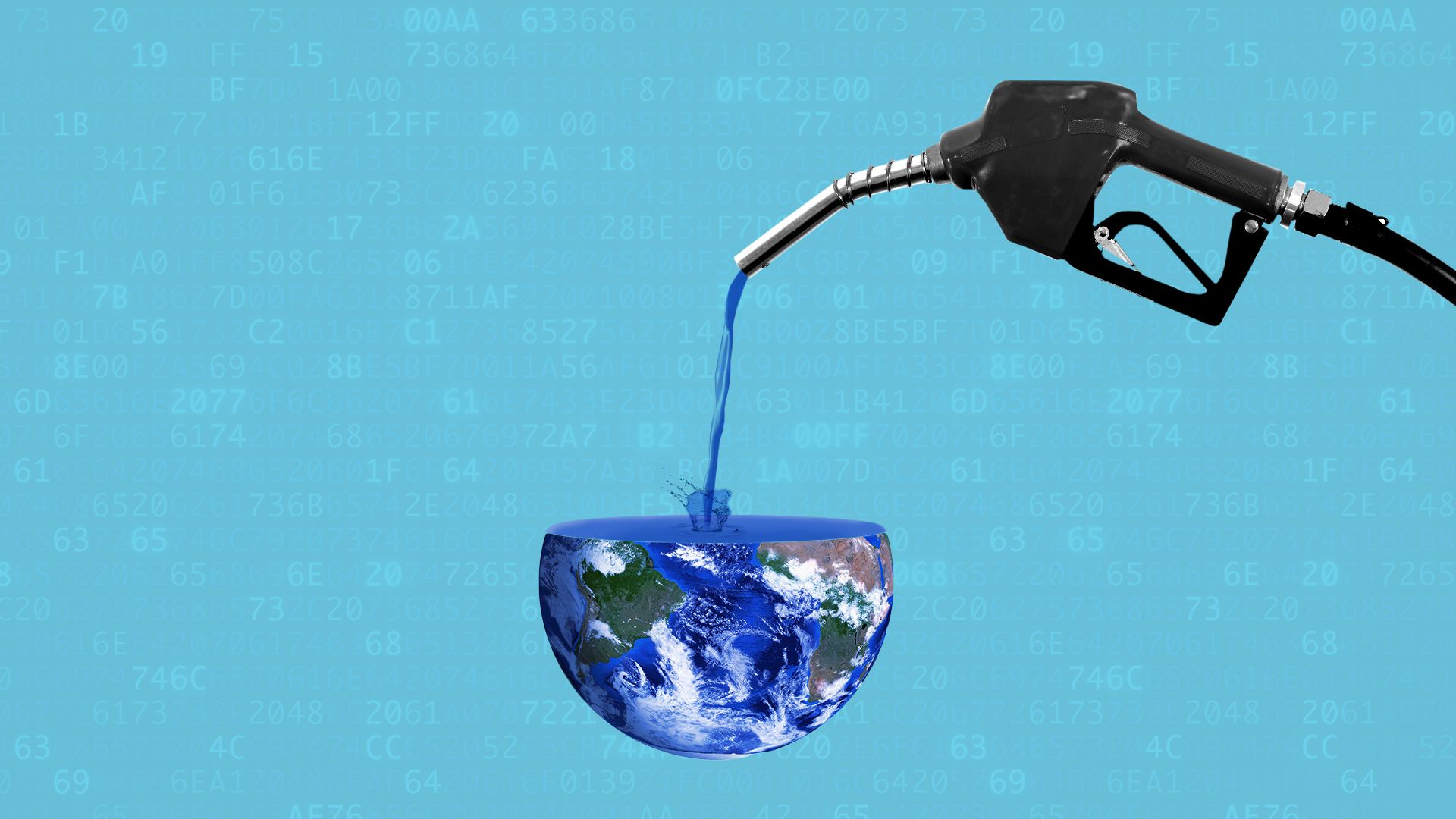
Big Tech is making splash with its aggressive carbon reduction goals, but some of its employees and climate activists are criticizing Google, Microsoft and Amazon for nonetheless partnering with fossil fuel companies to use artificial intelligence to find hidden hydrocarbons and bring them to market.
Why it matters: Big oil companies are some of the richest, most resourceful enterprises in the world. They collect multiple terabytes of data daily but don't have the capacity to analyze and efficiently utilize that volume of facts without AI.
Delta Airlines is spending $1 billion over the next decade to essentially cancel out all of its future greenhouse gas emissions beginning March 1, the company announced Friday.
The big picture: Delta is the world’s biggest airline by revenue, and this news is the latest in a rapidly growing trend of corporations announcing climate-change goals in response to public and investor pressure.
Nearly two dozen proponents of a carbon tax across the corporate, economic and advocacy spectrum pitched their climate plan to a bipartisan group of senators over dinner this week.
Why it matters: It's a concrete sign of the growing pressure facing lawmakers to pass big policy on climate change, even though the chances of that happening any time soon remain slim.